


Edwardian Side Armchair
An edwardian side armchair brings refined proportions and sturdy domestic comfort to a room, drawing on decades of revival styles.
Edwardian Side Armchair
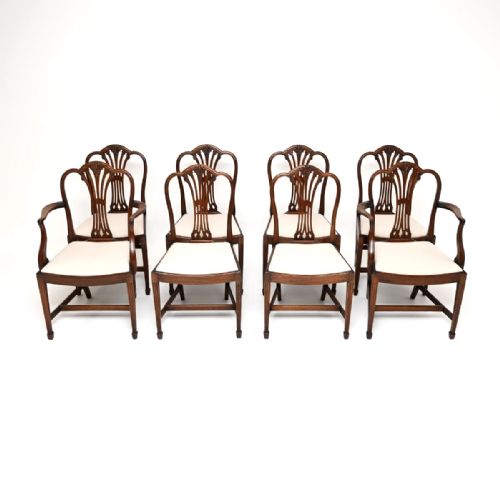
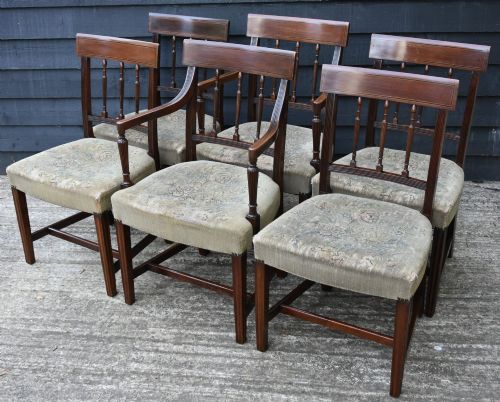
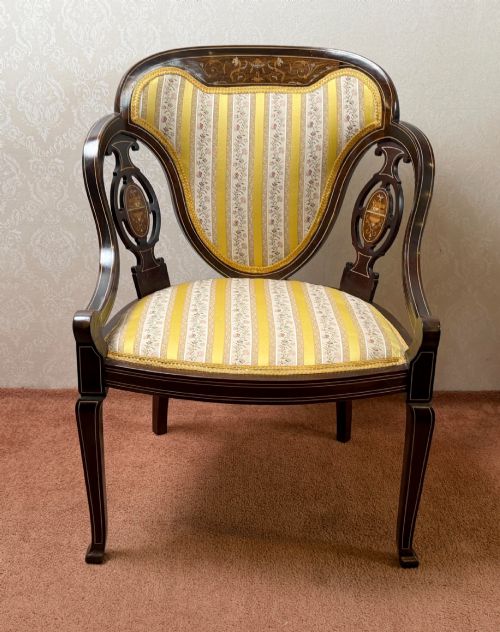
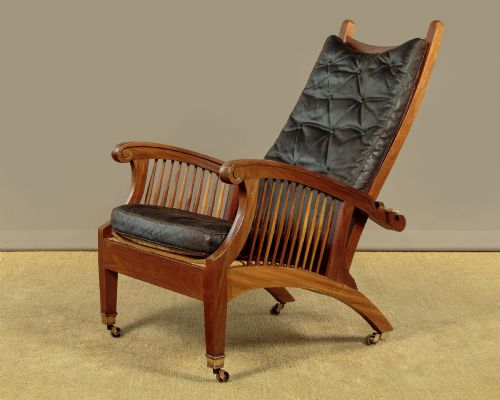
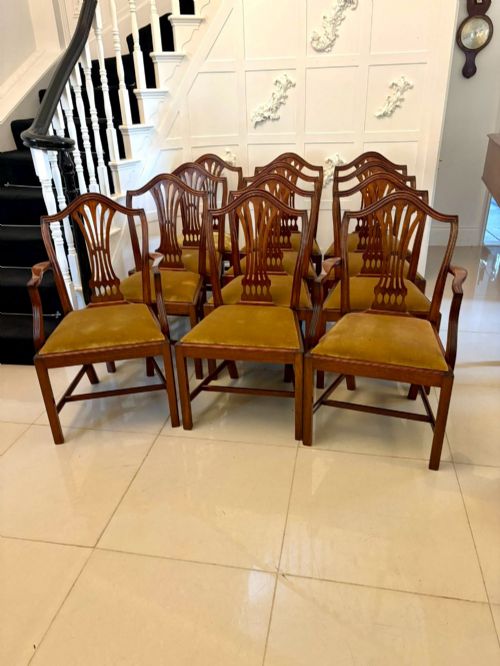
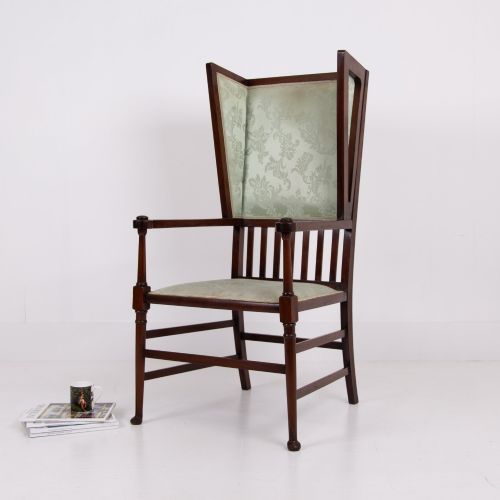
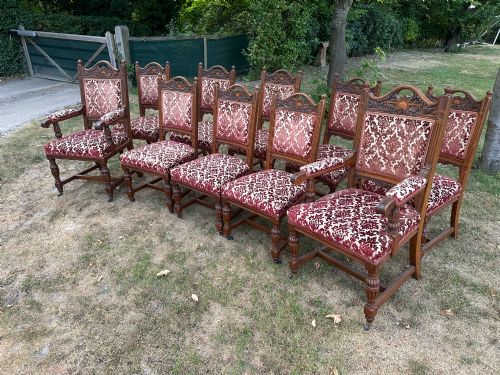
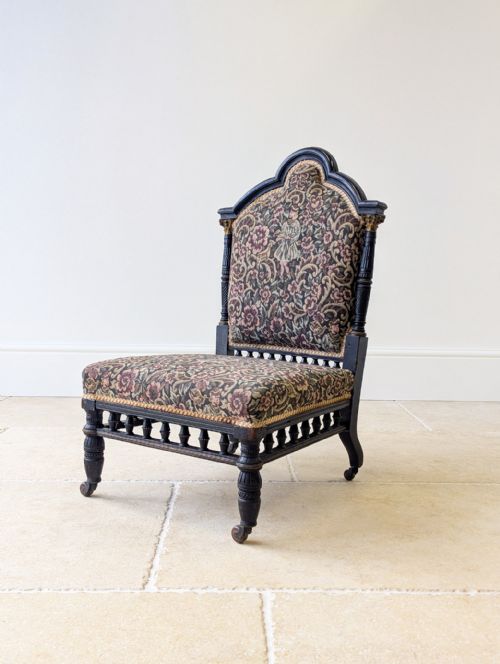
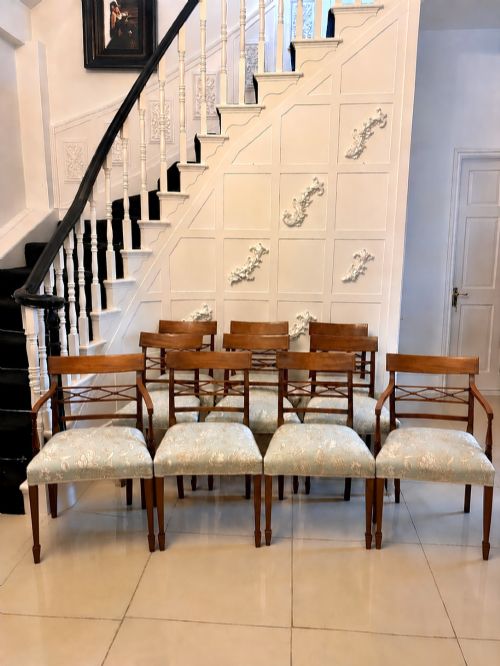
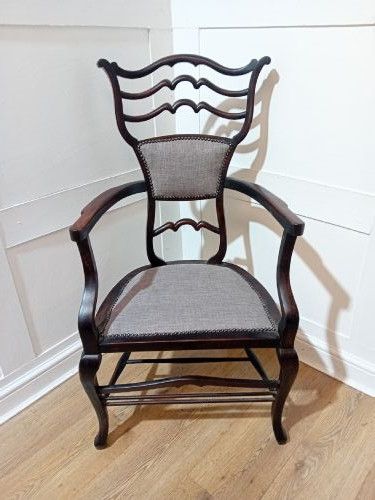
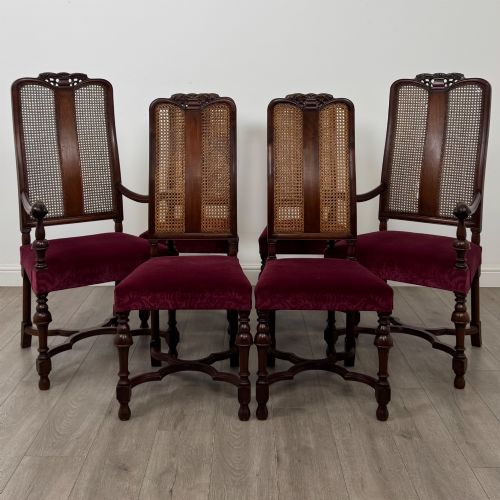
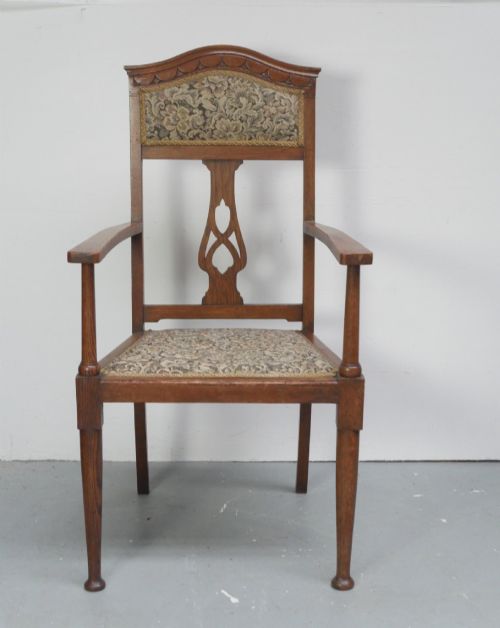
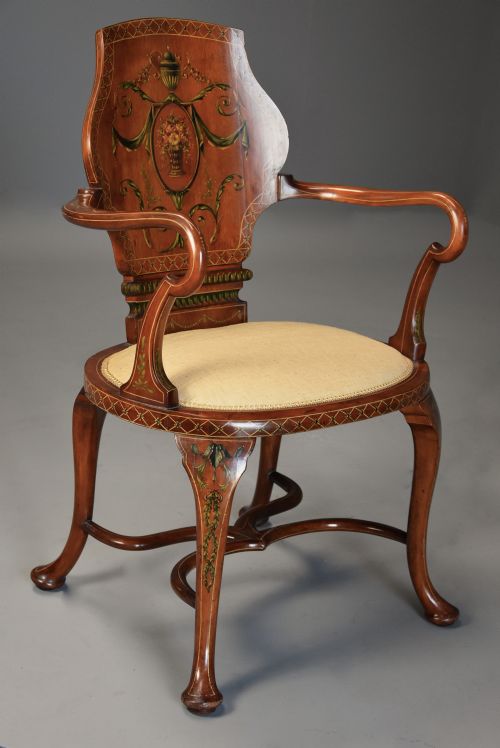
An edwardian side armchair represents a period of domestic seating spanning the late nineteenth and early twentieth centuries, encompassing diverse forms from parlor seats to sturdy library chairs. The selection ranges widely across stylistic revivals, capturing the essence of Georgian, Regency, and Chippendale aesthetics alongside organic Art Nouveau and functional Arts and Crafts designs.
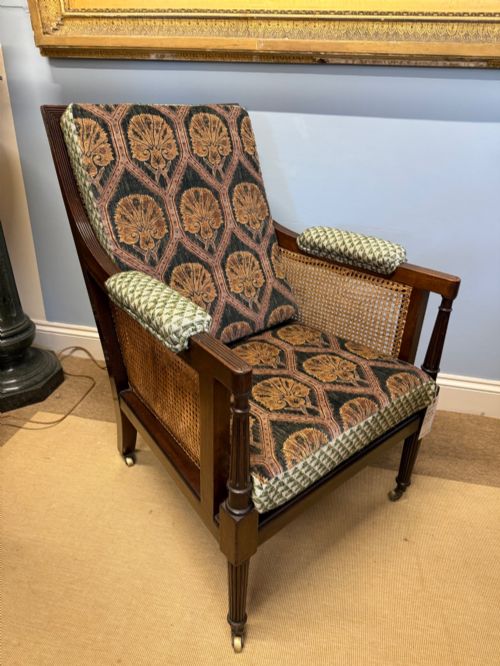
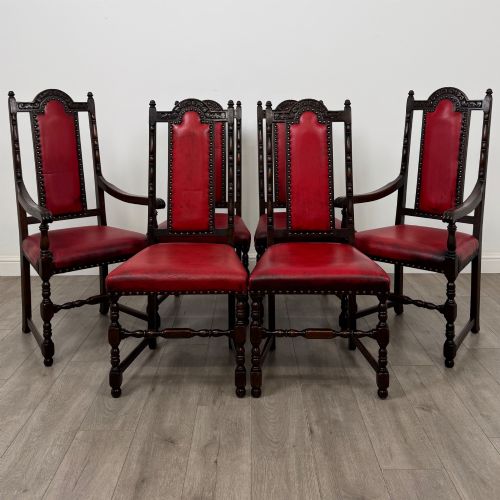
Buyers encountering this category will frequently discover mahogany and oak frames accompanied by cane panels, carved details, or upholstered pads. These pieces function as versatile additions to living spaces, studies, and bedrooms, offering practical support while retaining distinct historical character.
How They Were Made
Cabinetmakers constructed these frames primarily in mahogany and oak, often incorporating satinwood stringing, brass fittings, and turned or carved supports. Joinery relied on traditional methods such as mortise and tenon joints to ensure stability across both lightweight salon chairs and heavier library armchairs.
Upholstered versions utilised traditional stuffing materials beneath fabric, velvet, or leather coverings, secured with tacking. Caned panels were meticulously hand-woven into shaped apertures on bergere models, requiring considerable skill to maintain uniform tension.
Edwardian Side Armchair Retail Price Guide 2026
Typical asking prices for edwardian side armchair among the pieces listed under this phrase on Sellingantiques today, from the lower quarter to the upper quarter. They describe what is for sale here now, not the wider market.
Some library armchairs spent decades quietly holding heavy volumes before finding new life by modern hearths.
What Varies in Quality
Distinction across the range lies in the crispness of carved ornamentation and the selection of timber figures, where finely figured mahogany or quarter-sawn oak elevates a piece above standard utility items. The integration of design elements, such as balanced inlay work and well-proportioned shield backs, indicates superior workshop execution.
Structural integrity also separates examples, visible in the tightness of original joints and the preservation of hand-woven cane or properly secured leather upholstery. Pieces retaining original surface patination demonstrate careful handling over generations compared to those with heavily altered finishes.
Warings·Maple and Co·Heals of London
The Edwardian Side Armchair Glossary
- Bergere
- A closed-arm armchair featuring cane panels to the back and sides, originating in France before adoption by British makers. It typically includes a loose down-filled seat cushion.
- Carver
- An armchair designed in the same style as a matching set of dining chairs, traditionally positioned at the head of the table. These feature open arms to accommodate dining attire.
- Elbow chair
- A term for a seating piece with low arms, often utilised in studies, bedrooms, or morning rooms. It offers compact support without the bulk of a full armchair.
- Inlay
- A decorative technique where contrasting woods or materials like satinwood are inserted into recesses within the primary timber surface. This creates geometric or botanical patterns.
- Shield back
- A chair back shaped in the outline of a heraldic shield, popularised during the eighteenth century and revived in later periods. It provides structural support while displaying delicate carved splats.
Edwardian Side Armchair: Frequently Asked Questions
What defines an Edwardian side armchair?
These chairs combine late Victorian comfort with lighter revival forms, often featuring mahogany or oak frames, upholstered pads, or cane inserts.
They reflect a period of eclectic design interest, drawing inspiration from Georgian elegance and Arts and Crafts simplicity.
Where were these chairs used historically?
Homeowners placed them in morning rooms, libraries, and parlours as versatile seating options that balanced decorative appeal with daily utility.
Lighter salon variants suited entertaining spaces, while sturdier elbow chairs served writing desks and firesides.
How do I care for leather and wood?
Maintenance involves applying appropriate wax polish to timber frames to preserve the surface patination and prevent the wood from drying out.
Leather upholstery benefits from periodic conditioning to maintain flexibility, avoiding direct sunlight to prevent fading.
How can I distinguish revival styles?
Georgian and Chippendale revivals display formal carved backs and symmetrical mahogany frames, whereas Arts and Crafts examples prioritise visible oak construction and functional simplicity.
Art Nouveau pieces introduce organic flowing lines and characteristic botanical motifs into the woodwork.