







Edwardian Shop Display
When you search for edwardian shop display, you enter a world of timber counters, glazed vitrines, and merchandising fixtures built for early retail trade.
Edwardian Shop Display
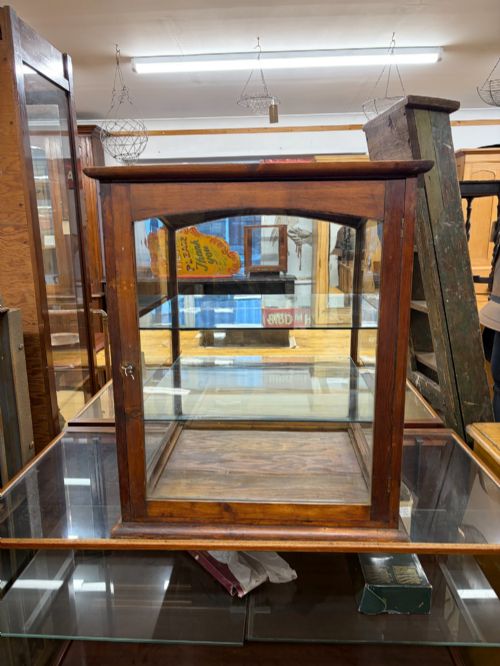
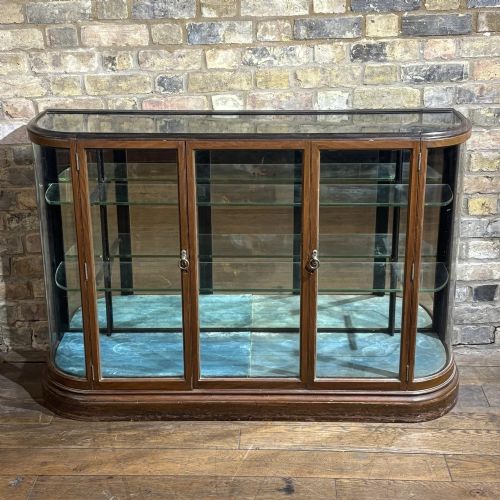
An edwardian shop display covers the cabinetry, counters, and merchandising hardware utilised in retail premises during the late nineteenth and early twentieth centuries. Buyers encounter freestanding cabinets, countertop vitrines, tall display counters, and specialised stands designed to present goods to customers.
The objects stem predominantly from the Edwardian era, alongside pieces spanning from the eighteen-eighties through the nineteen-thirty period. Cabinets, counters, and specialised display items form the core of the selection.
Mahogany and oak dominate the timber constructions, paired with large expanses of glass for visibility. Metal components, brass fittings, and cast iron structures appear frequently on stands and specialised retail equipment.
How They Were Made
Cabinet makers utilised dense hardwoods such as mahogany and oak to build durable frames capable of enduring daily retail use. Glazing formed a crucial element, with large sheets of glass fitted into doors and tabletops to protect wares while maintaining visibility.
Metal elements including brass, cast iron, and bronze were cast and forged for structural support, display stands, and functional hardware. Internal mirrors were integrated into cabinetry to reflect light and amplify the appearance of displayed goods.
Edwardian Shop Display Retail Price Guide 2026
Typical asking prices for edwardian shop display among the pieces listed under this phrase on Sellingantiques today, from the lower quarter to the upper quarter. They describe what is for sale here now, not the wider market.
Listings feature items from the Edwardian period back to the eighteen-eighties, utilising oak, mahogany, glass, and cast iron.
What Varies In Quality
The standard of joinery and timber selection defines the upper tier of these pieces, visible in tightly fitted joints and figured grain. Maker attribution, such as work by recognised firms like F. Sage and Co., elevates the standing of a cabinet.
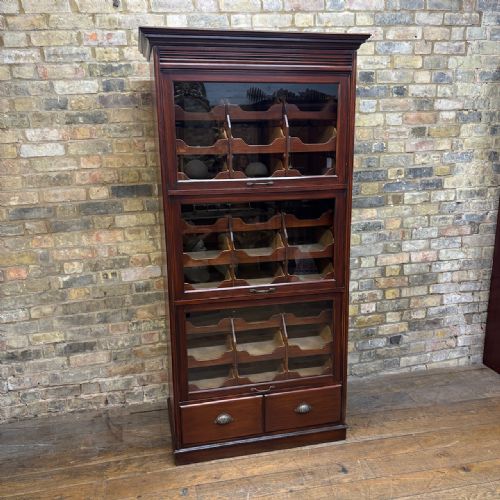
Originality of components, including adjustable glass shelves, mirrored backs, and working hardware, separates standard utility fittings from superior retail showcases. The complexity of the form, such as bow ends or multi-tiered structures, also dictates distinction.
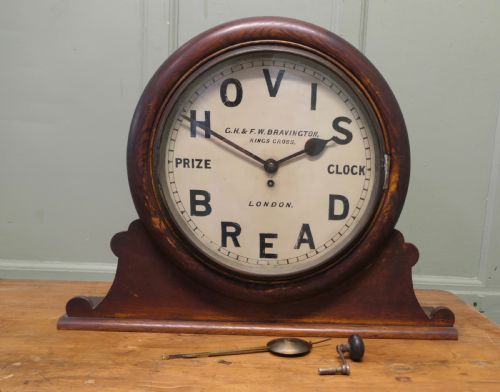
F. Sage & Co·G.H.& F.W. Bravington London·Manoah Rhodes & Sons Ltd·Pollards of London
The Edwardian Shop Display Glossary
- Vitrine
- A glass-fronted cabinet or display case used for exhibiting wares or collections. These cases protect items from dust while offering full all-round visibility.
- Haberdashery
- Goods and textiles sold by a merchant, which led to the creation of specialised multi-drawer cabinets and counters. These units are prized by modern collectors for storage.
- Carboy
- A large glass bottle with a narrow neck, historically used in apothecary shops to hold liquids. They frequently served as striking window displays in early pharmacies.
- Toleware
- Metalware painted and lacquered, often in tin or iron, used for decorative storage boxes and shop tins. These items brought colour and brand identification to early counters.
- Bow end
- A curved cabinet end designed to soften hard architectural lines and improve viewing angles into the case. This technique required advanced woodworking skill to achieve.
Edwardian Shop Display: Frequently Asked Questions
What is an edwardian shop display?
An edwardian shop display encompasses the furniture and fittings used by merchants to merchandise goods during the early twentieth century. This category includes glazed counters, wall cabinets, and specialised display stands.
These pieces were constructed for commercial utility, utilising robust timbers and glass to protect and showcase merchandise to the public.
How were display cabinets used in shops?
Shop cabinets were positioned on counters or floors to hold high-value items like jewellery, tobacco, and confectionary safely out of reach. Glass panels allowed customers to inspect goods clearly while keeping stock secure.
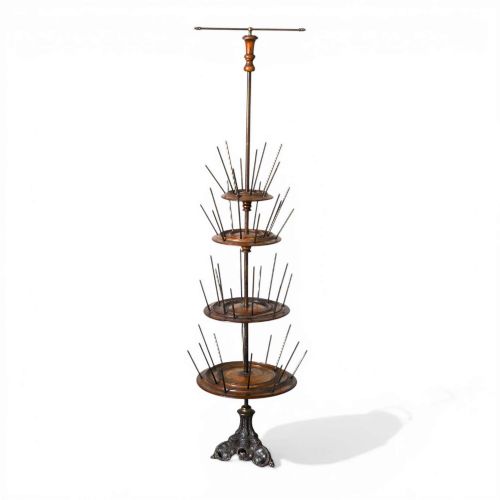
Retailers utilised specialised fixtures, such as cotton reel trees and hat stands, to organise specific stock for maximum visual impact.
How do I identify an edwardian piece?
Edwardian pieces often display characteristic timber choices like oak and mahogany, sometimes featuring inlay decoration or brass hardware. Construction methods from this period combined traditional joinery with larger plate glass manufacturing techniques.
Makers' marks, brass plaques, and specific advertising paintwork can also assist in dating a piece accurately.
How do I live with antique shop displays?
These cabinets and counters function effectively in modern interiors as display storage for personal collections, glassware, or books. Their generous glass areas bring light into rooms while providing organised shelving.
Care involves maintaining stable humidity for the timber and utilising gentle cleaning methods for the original glass and brass components.