





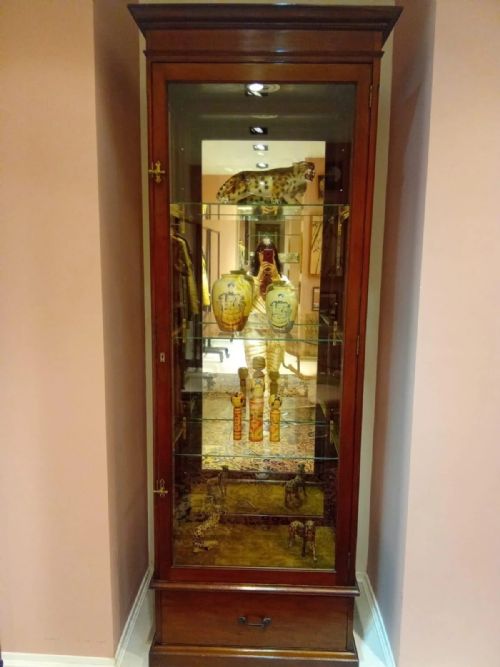


Edwardian Shop Cabinet
An edwardian shop cabinet brings commercial heritage straight into domestic rooms, offering glazed display space designed to showcase small treasures.
Edwardian Shop Cabinet
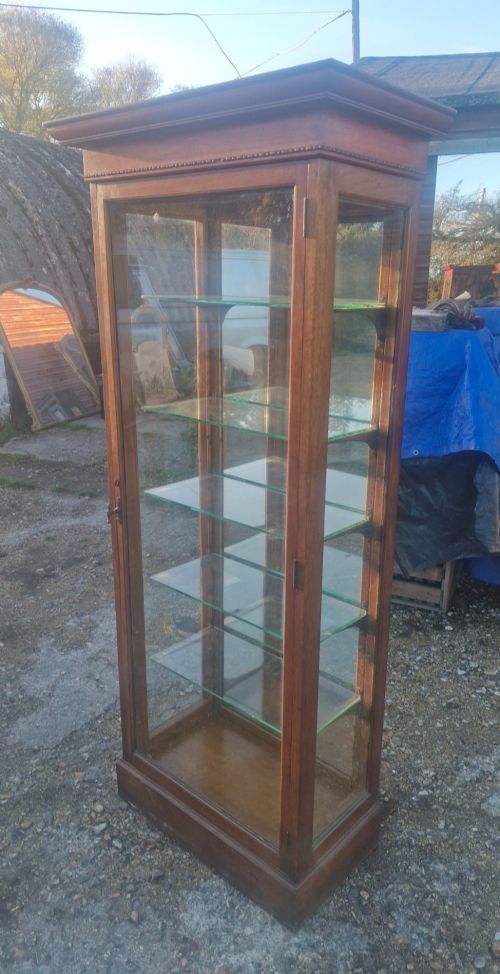
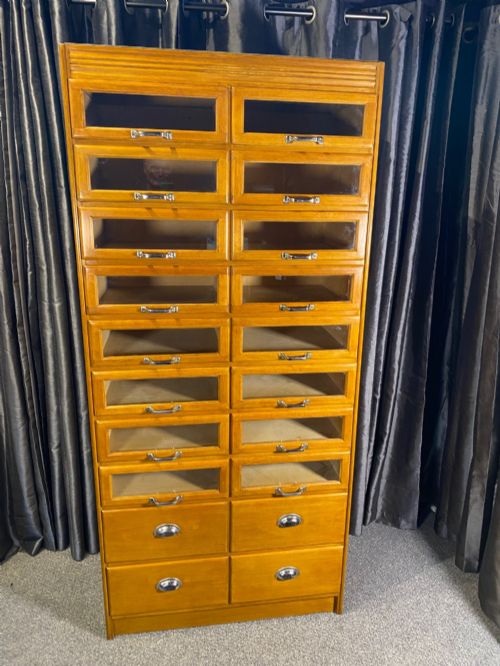
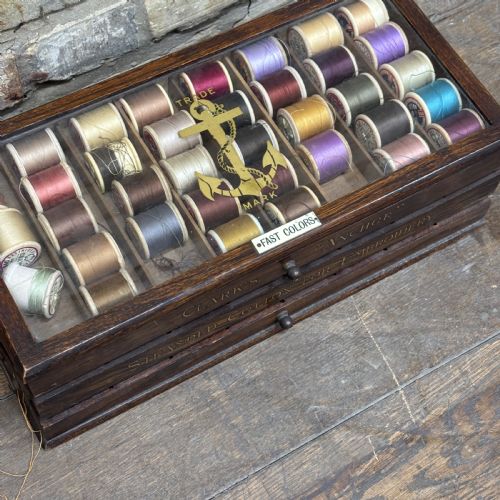
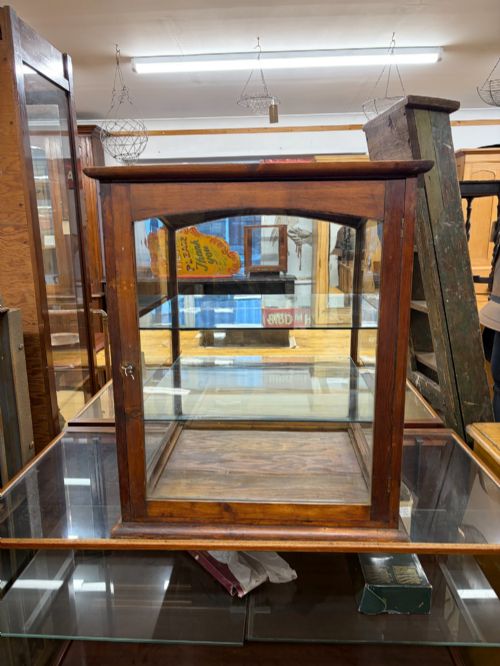
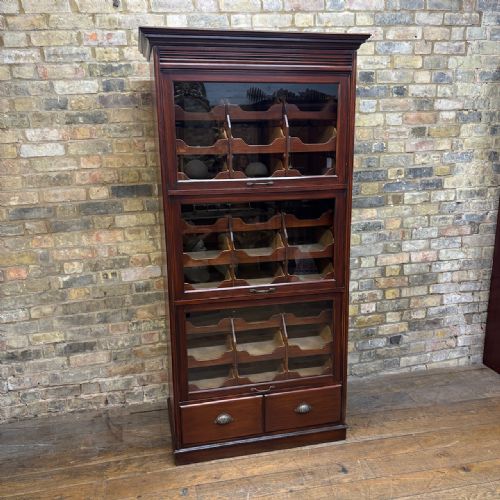
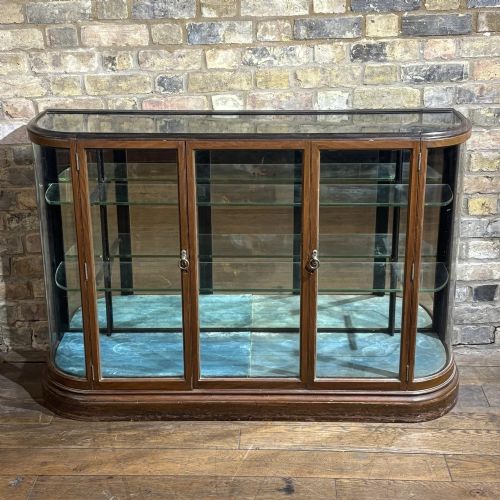
An edwardian shop cabinet is a commercial display piece built to merchandise goods in retail settings, translating functional mercantile design into domestic furniture. These survivors range from countertop vitrines and wall-mounted units to large freestanding counters and specialist haberdashery storage.
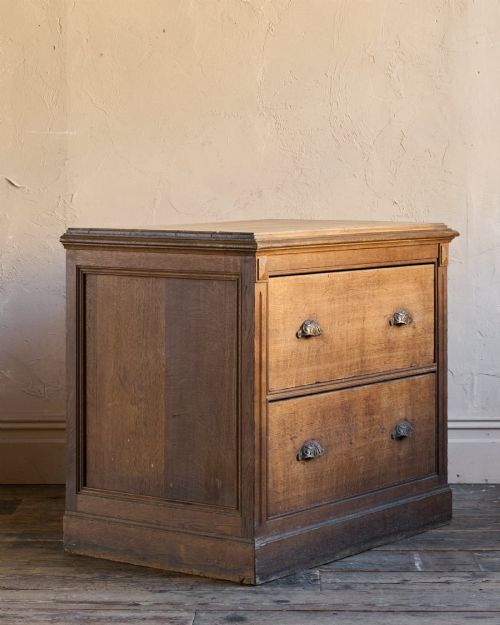
The pieces appearing on this page span the Edwardian period alongside late Victorian and early twentieth-century examples up to the 1930s. Buyers most frequently encounter mahogany and oak countertop cases, often featuring glazed panels or maker inscriptions from prominent commercial furnishers.
How they were made
Makers utilised durable timber frames in mahogany, oak, walnut and cedar to withstand heavy daily use in busy shops and mercantile environments. Joinery focuses on structural integrity, incorporating brass hardware, iron fittings and lockable hinged doors.
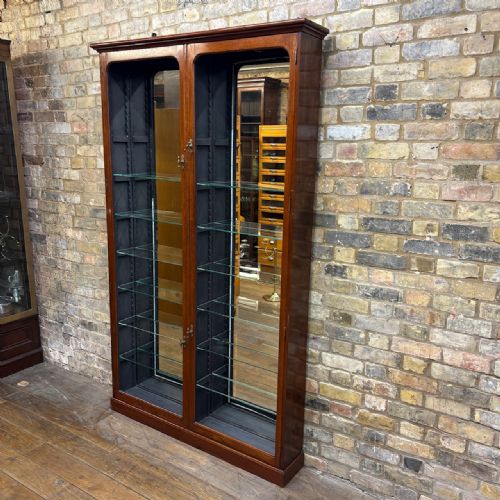
Extensive glazing defines the form, using large glass panes and adjustable internal glass shelves to maximise light penetration across displayed goods. Mirrored interiors and applied gold leaf or sign-written advertising panels complete the construction.
Edwardian Shop Cabinet Retail Price Guide 2026
Typical asking prices for edwardian shop cabinet among the pieces listed under this phrase on Sellingantiques today, from the lower quarter to the upper quarter. They describe what is for sale here now, not the wider market.
The documented pieces span from the late nineteenth century through the Edwardian era into the 1930s.
What varies in quality
Quality rests upon the sophistication of the timber selection, cabinet-making joinery and original commercial provenance. Pieces carrying documented maker marks or authentic period advertising show superior craftsmanship compared to standard utility units.
The proportion of the cabinet, the clarity of the original glass and the preservation of internal mirrors or adjustable shelving dictate the desirability of the piece. Surviving brass hardware and working locks further elevate the standard.
F Sage & Co·Manoah Rhodes & Sons Ltd·Siegel
The Edwardian Shop Cabinet Glossary
- Vitrine
- A glass display cabinet designed specifically for exhibiting objects of collection or merchandise. These cases feature transparent panels on multiple sides to afford a clear view from various angles.
- Haberdashery cabinet
- A multi-drawer storage unit originally utilised in drapers' shops for small sewing goods and accessories. They typically incorporate glass fronts or glazed drawer panels for stock visibility.
- Countertop display cabinet
- A compact showcase built to sit upon shop counters to entice customers at the point of sale. They frequently employ hinged rear doors for staff access.
- Mechanical dispensing cabinet
- A specialised retail unit containing internal mechanisms to release stock upon operation. These pieces combine functional commercial engineering with display glazing.
- Bow front
- A convex curved cabinet front that projects outward from the corners. This shaping softens the rectilinear profile and widens the internal viewing area.
Edwardian Shop Cabinet: Frequently Asked Questions
What were shop cabinets used for originally?
Shop cabinets served as secure display and storage vessels for high-value or delicate merchandise in retail premises. Merchants utilised them to protect confectionery, tobacco, opticians' goods and pharmaceutical supplies from dust and handling while tempting passing customers.
Display cases positioned on counters encouraged impulse purchases, whilst larger wall-mounted or freestanding units organised extensive retail stock. The inclusion of glass panels and mirrors maximised ambient light to showcase the wares effectively.
How do I style an edwardian shop cabinet at home?
An edwardian shop cabinet provides an ideal focal point for displaying curated collections of ceramics, glassware, books or curiosities. The internal glass shelves and glazed panels allow natural light to circulate around your displayed items.
Position the cabinet in a reception room, hallway or kitchen where the proportions can be appreciated without crowding the space. Keep the internal arrangement uncluttered to echo the original commercial aesthetic of the piece.
How can I tell an edwardian piece from a 1920s piece?
Edwardian shop cabinets typically exhibit transitional Victorian proportions combined with rich mahogany or oak timbers and traditional brass hardware. Ornamentation often leans towards classic Edwardian commercial styling and conservative joinery methods.
Cabinets from the 1920s frequently introduce Art Deco influences, geometric lines or utilitarian metal framing associated with later retail interiors. Advertising graphics and branding styles painted onto the glass or woodwork also reflect the specific decade of their commercial commission.
Are advertising cabinets genuine period pieces?
Many surviving cabinets retain their original period branding, trade lettering or gold-leaf signage for historic confectioners and tobacconists. These authentic markings document the specific commercial products the units were manufactured to promote.
Some pieces feature later sign-written decoration applied to period carcases, a common practice in vintage retail updates. Examining the integration of the paintwork with the underlying timber helps determine the timeline of the advertising.