



Edwardian Shelf Bracket
These edwardian shelf bracket items bring period architectural timberwork and display furniture into domestic spaces with practical elegance.
Edwardian Shelf Bracket
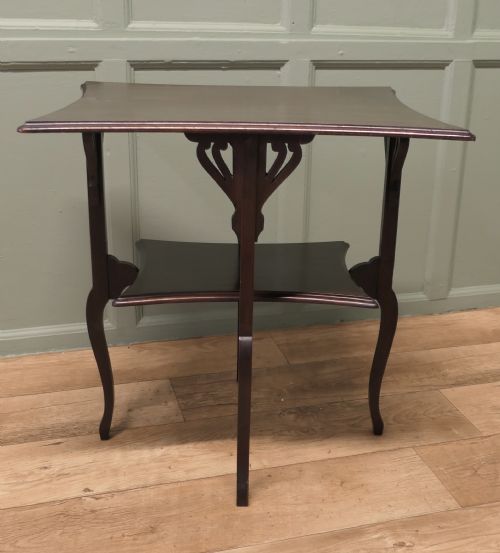
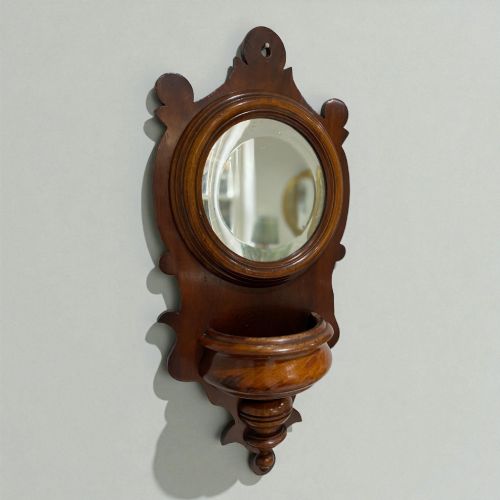
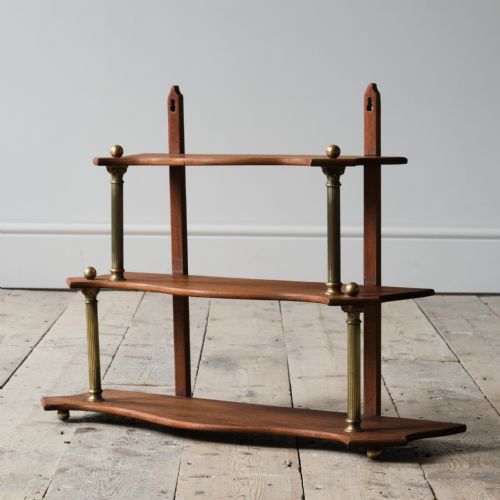
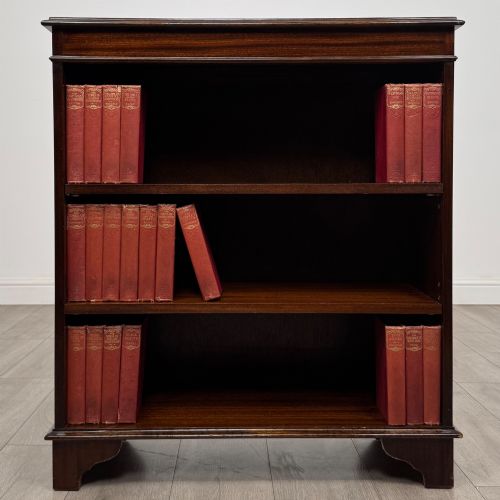
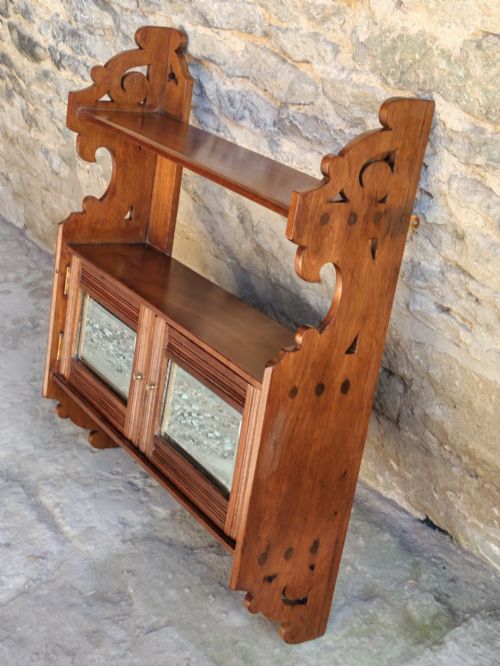
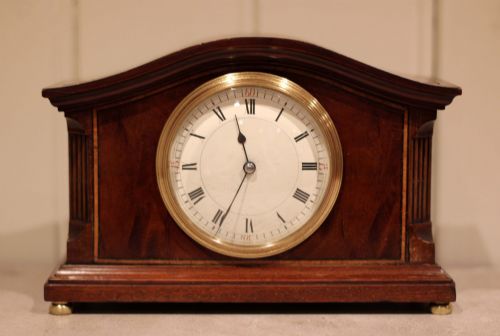
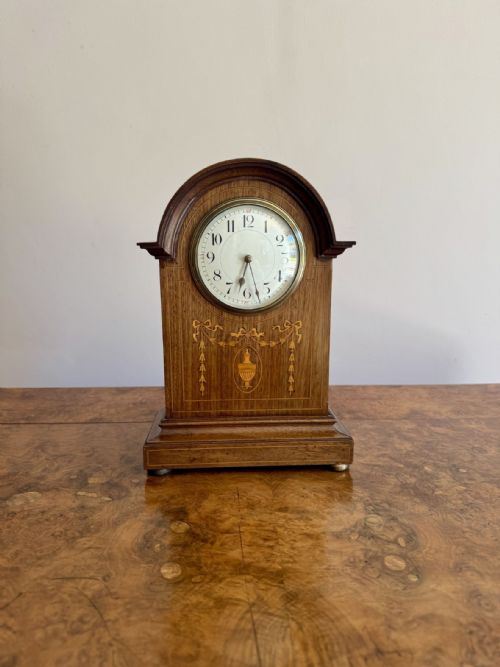
When searching for an edwardian shelf bracket, buyers encounter a selection spanning wall hanging shelves, bookcases with bracket feet, and overdoor pediments with attached ledges. The material palette draws heavily on mahogany and oak, often incorporating inlay or brass fittings typical of the period.
The objects serve dual purposes for display and storage, appearing as open bookcases, wall shelves, and architectural brackets. Pieces range from simple timber ledges to ornate carved overdoors and small hanging display units suited for compact rooms.
How they were made
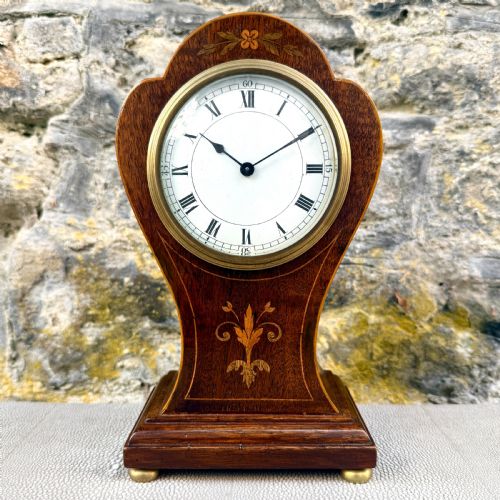
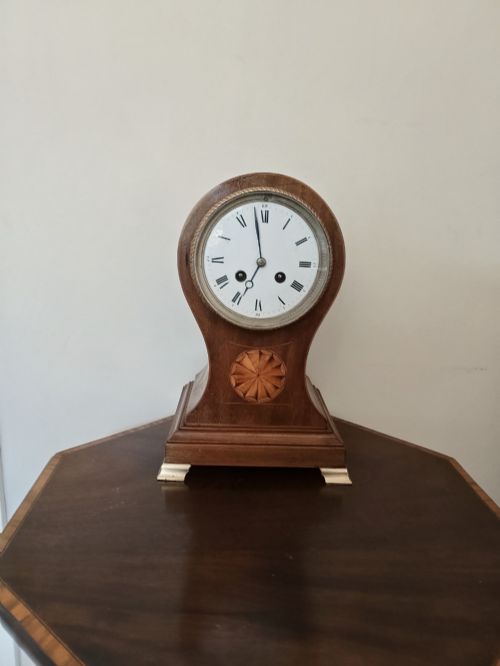
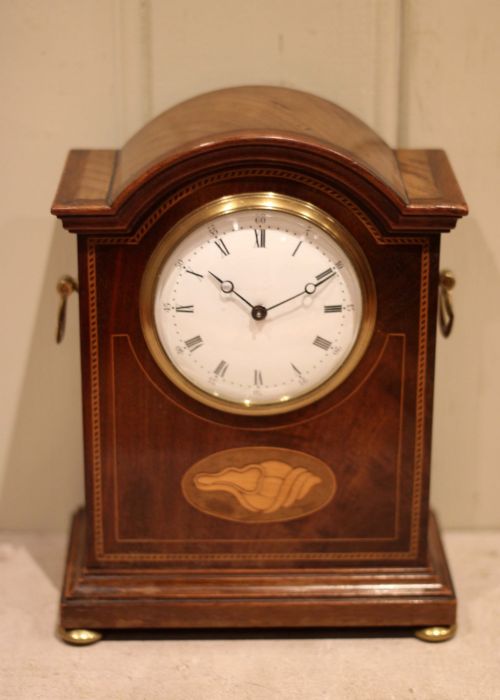
Joinery relies on solid hardwoods such as mahogany and oak, frequently enhanced with contrasting wood veneers and delicate string inlay. Brass hardware, including hinges, plates, and screw covers, provides both structural support and decorative contrast against the dark timber.
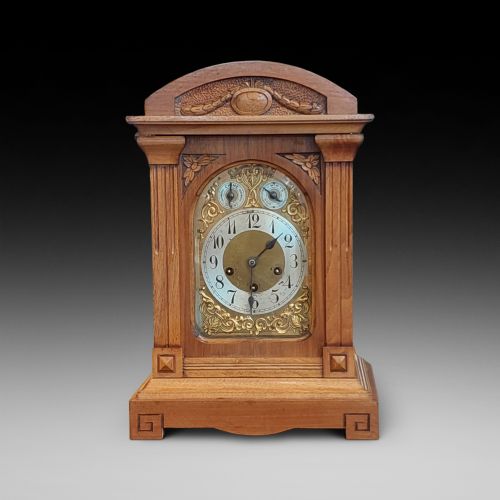
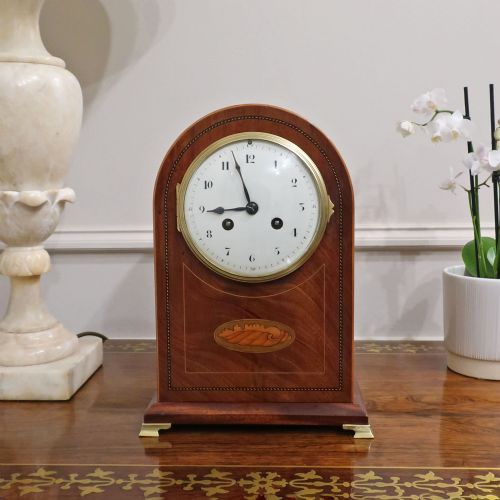
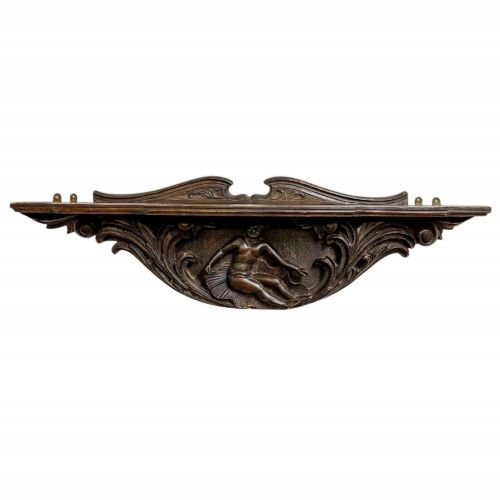
Carved details appear on architectural elements and clock brackets, utilising hand-chiselled ornamentation rather than moulded resin or synthetic substitutes. Finishes involve traditional polishing methods that highlight the natural grain of the mahogany and oak surfaces.
Edwardian Shelf Bracket Retail Price Guide 2026
Typical asking prices for edwardian shelf bracket among the pieces listed under this phrase on Sellingantiques today, from the lower quarter to the upper quarter. They describe what is for sale here now, not the wider market.
What varies in quality
The standard of timber selection and veneer matching defines the upper tier of these furnishings. Examples featuring continuous grain patterns and precise string inlay display a higher level of cabinetmaker skill than simpler constructions.
The crispness of carved wooden details and the integration of solid brass fittings differentiate finer workshop outputs from standard commercial production. Preservation of original polished finishes without excessive modern restoration maintains the integrity of each piece.
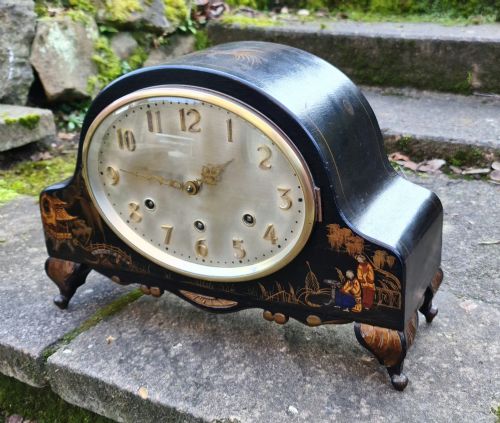
Junghans
The Edwardian Shelf Bracket Glossary
- Bracket foot
- A furniture foot shaped like a bracket, commonly found supporting the base of small bookcases and cabinets from the Edwardian period.
- Inlay
- A technique where pieces of contrasting wood, such as satinwood, are inserted into recessed cavities on a mahogany surface to create decorative patterns.
- Pediment
- An architectural crowning feature over a door or shelf, sometimes carved from oak and incorporating a display ledge.
- Ormolu
- Gilt bronze ornamentation applied to decorative woodwork and clock cases during the late nineteenth and early twentieth centuries.
Edwardian Shelf Bracket: Frequently Asked Questions
What materials are typical for an edwardian shelf bracket?
Solid mahogany and oak form the primary structural timbers for these pieces, frequently accented with satinwood inlay or brass fittings.
Secondary woods and glass elements also appear depending on whether the item functions as an open display shelf or a cabinet.
How do I mount a wall hanging shelf safely?
Hanging shelves utilise integrated brackets or rear fixing plates designed to secure directly into wall studs or appropriate wall anchors.
Weight distribution across the timber ledges requires stable fixings to support books or decorative objects safely.
Are Edwardian shelves different from Victorian ones?
Edwardian pieces generally favour lighter timber tones and more restrained inlay compared to heavier, darker Victorian architectural designs.
Art Nouveau influences also appear in Edwardian brackets and shelves through stylised floral motifs and flowing organic lines.
How should I care for polished mahogany furniture?
Regular dusting with a soft, dry cloth preserves the polished surface without building up chemical residues on the timber.
Keeping wooden shelves away from direct heat sources and strong sunlight prevents the mahogany from fading or drying out over time.