




Edwardian Sewing Novelty
An Edwardian sewing novelty brings miniature silver animals and everyday objects to life while holding pins for the dressing table.
Edwardian Sewing Novelty
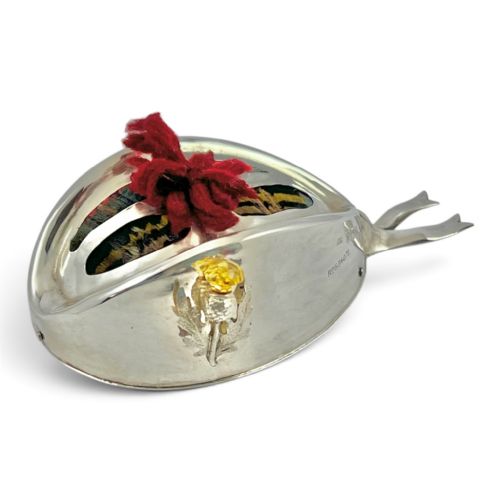
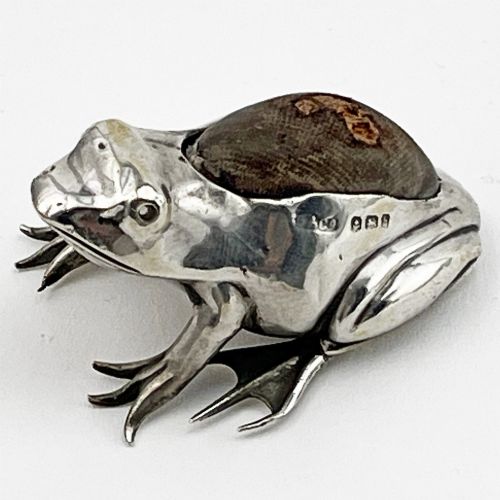
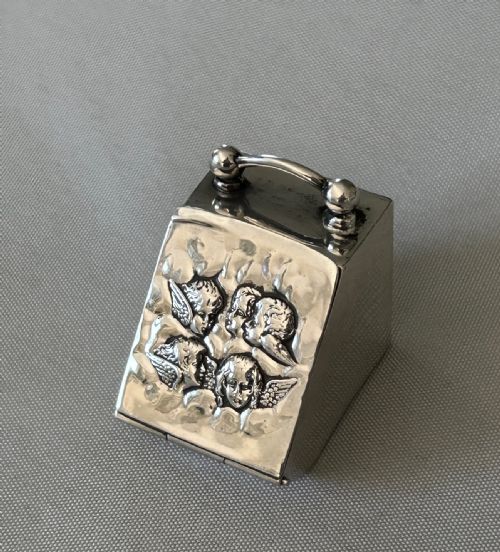
When you search for an edwardian sewing novelty, you encounter small decorative items fashioned primarily as pin cushions and sewing accessories. These pieces take familiar shapes from daily life and nature, transforming them into miniature silver sculptures designed to sit on a dressing table or desk.
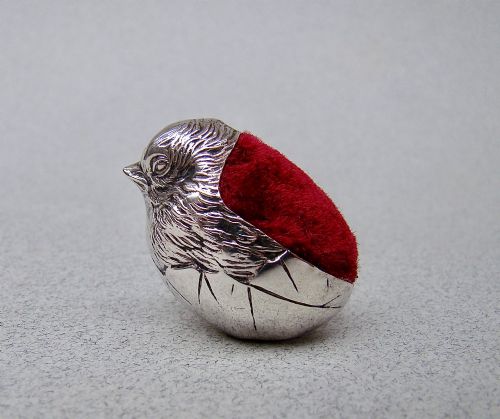
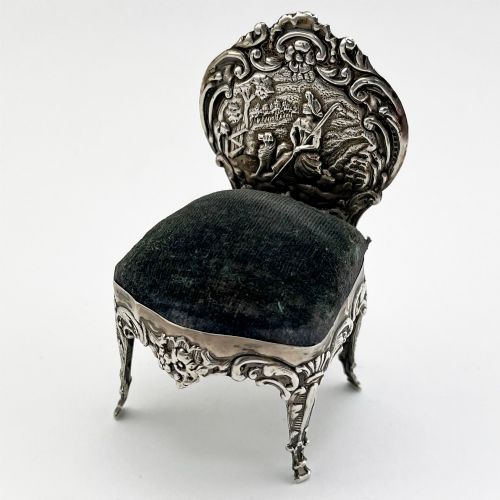
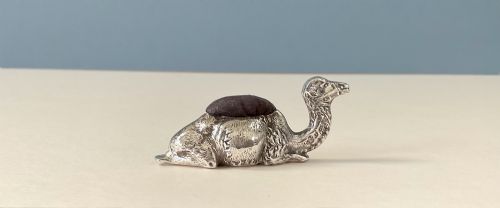
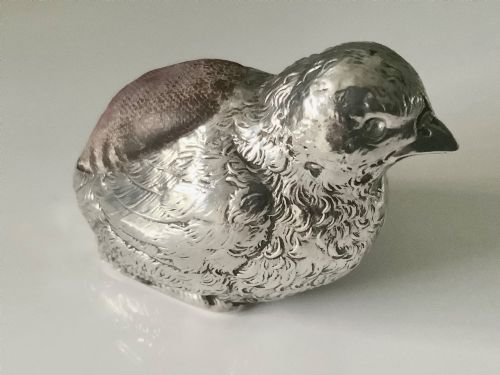
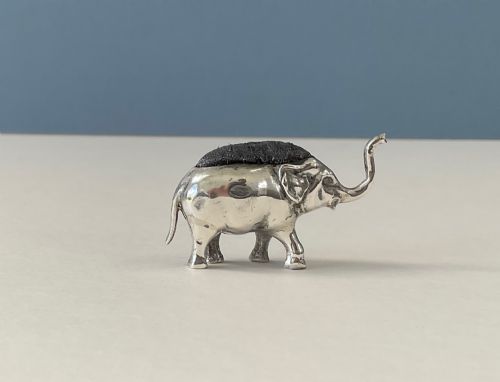
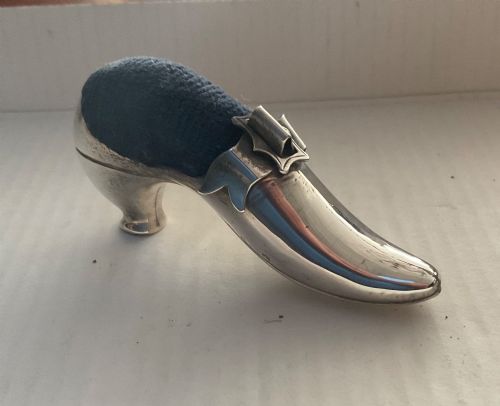
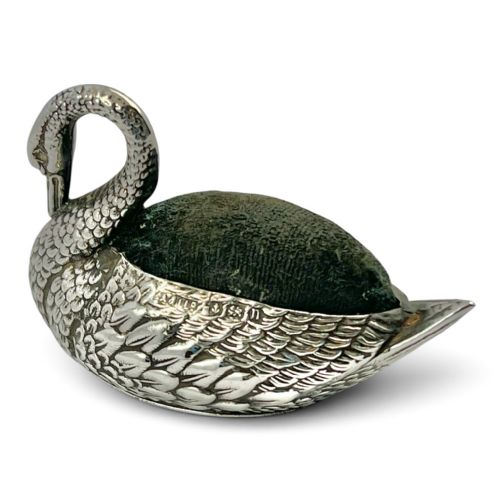
The most common forms on this page include silver animals and birds such as pigs, chicks, dogs, ducks, swans, frogs, and camels alongside inanimate objects like shoes, boots, chairs, wheelbarrows, and railway lamps. While many date directly to the Edwardian era and the reign of George V, the listings also include pieces from the Victorian period, the nineteenth century, and occasionally later decades.
Materials and Construction
Makers formed these novelties using sterling silver or solid silver bodies shaped into specific figural designs, often incorporating hallmarks from assay offices like Birmingham and Chester. The metallic outer shells were constructed to house functional elements, most notably pin cushions filled with materials such as wool, felt, or fabric.
Beyond the metal and the stuffed cushion inserts, certain items integrate other substances to enhance the miniature design. Listings record the use of glass, mother of pearl, and velvet alongside silver, combining metalwork with soft textiles and polished highlights.
Edwardian Sewing Novelty Retail Price Guide 2026
Typical asking prices for edwardian sewing novelty among the pieces listed under this phrase on Sellingantiques today, from the lower quarter to the upper quarter. They describe what is for sale here now, not the wider market.
Listings feature sterling silver and solid silver combined with velvet, felt, wool, fabric, glass, and mother of pearl.
Distinctions in Quality and Execution
The success of an edwardian sewing novelty rests upon the crispness of its modelling and the naturalism or charm of its miniature form. Pieces shaped as recognizable animals, from bulldogs to birds, succeed through detailed texturing and proportion, distinguishing finely sculpted examples from simpler or softer castings.
Adie & Lovekin
The Edwardian Sewing Novelty Glossary
- Novelty pin cushion
- A small container or figural sculpture made of silver that incorporates a stuffed pad for holding pins. These functional items were produced in numerous playful shapes to amuse the owner.
- Assay office mark
- A stamp applied to silver items to indicate the testing office that verified the metal purity. Birmingham and Chester appear frequently on pieces from this period.
- Figural silver
- Silverwork shaped to represent a living creature or a recognizable object rather than following traditional geometric vessel forms. Animals and transport items are typical subjects.
- Thread holder
- A domestic sewing accessory designed to store or dispense thread neatly. These items match the material and decorative standards of contemporary pin cushions.
Edwardian Sewing Novelty: Frequently Asked Questions
What is an edwardian sewing novelty?
An edwardian sewing novelty is a small decorative object made of silver, designed to serve a practical purpose in needlework while taking a playful shape. They were produced primarily as pin cushions and thread holders for domestic use.
These items combine metalwork with soft materials like velvet or wool, taking the form of animals, birds, and everyday transport or household items.
How were these silver novelties used?
These pieces sat upon dressing tables, sewing desks, and sideboards to keep pins and needles organised and close at hand during tailoring or embroidery work. The stuffed cushion section held the pins securely while the silver exterior provided a decorative ornament.
Beyond simple utility, they served as conversation pieces and decorative desktop ornaments for Edwardian households.
Which animal shapes are most common?
Pigs, chicks, ducks, and various birds appear frequently across the available selections, alongside less common creatures like frogs, camels, foxes, and lions. Each animal is rendered in miniature silver with an integrated cushion.
In addition to fauna, makers also fashioned silver novelties as inanimate objects including boots, shoes, chairs, and wheelbarrows.
How do I identify the date of a piece?
Dating relies upon examining silver hallmarks stamped onto the metal body, which typically indicate the assay office and the year of manufacture. Many pieces originate from the Edwardian period and the reign of George V.
Makers working during the early twentieth century often registered specific figural designs, allowing collectors to trace the timeline through style and assay marks.