



Edwardian Serving Tray Table
An edwardian serving tray table brings portable hospitality to a room, offering a removable tray top upon a folding or fixed stand.
Edwardian Serving Tray Table
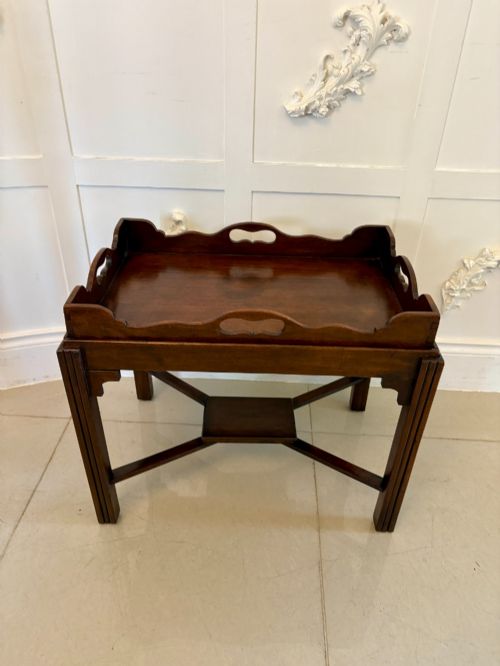
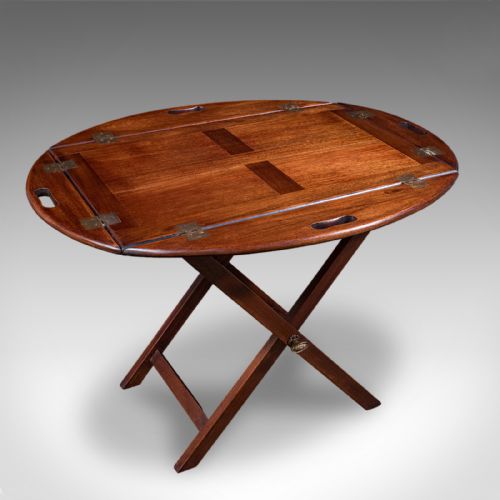
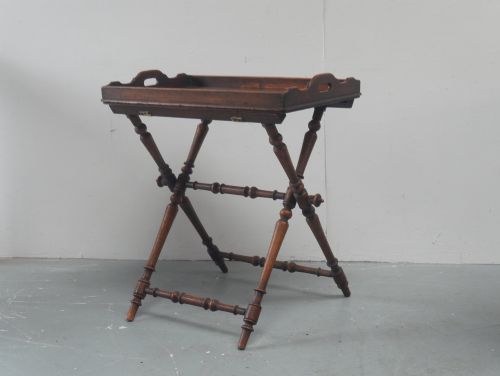
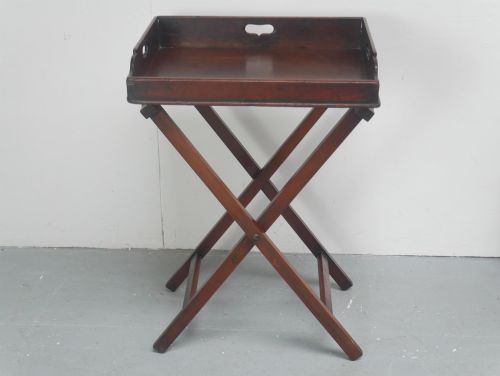
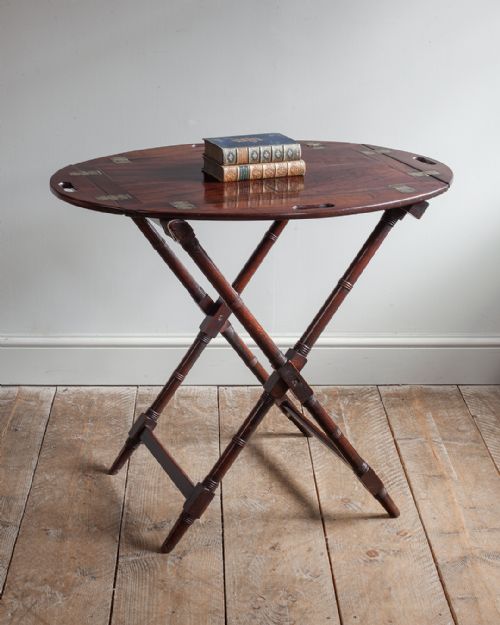
An edwardian serving tray table typically combines a portable wooden tray with a matching folding or rigid stand, designed for serving drinks or afternoon tea. The versions most frequently encountered here date from the Edwardian era and the nineteenth century, often executed in mahogany or oak.
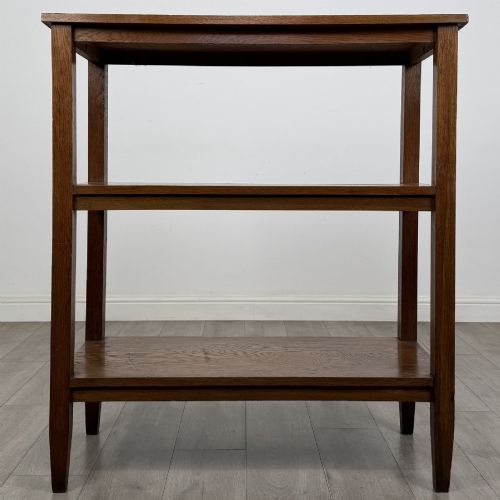
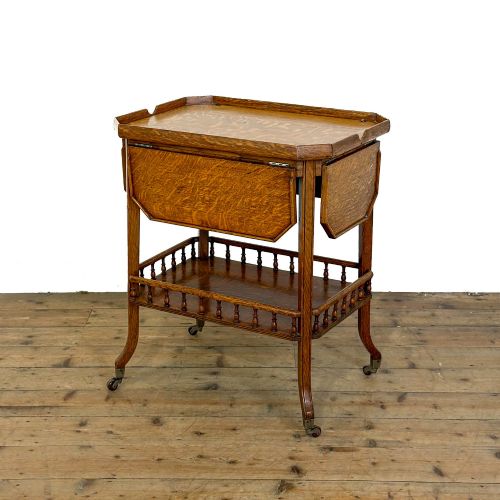
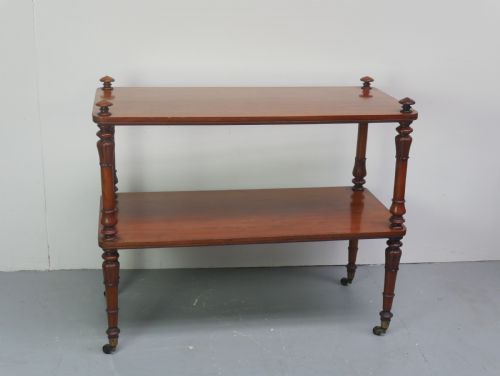
Beyond standard tray tables, related forms appear across the inventory, including tea trolleys, etageres, and occasional side tables. These pieces reflect a period when flexible furniture for entertaining guests became essential in domestic interiors.
Materials and construction
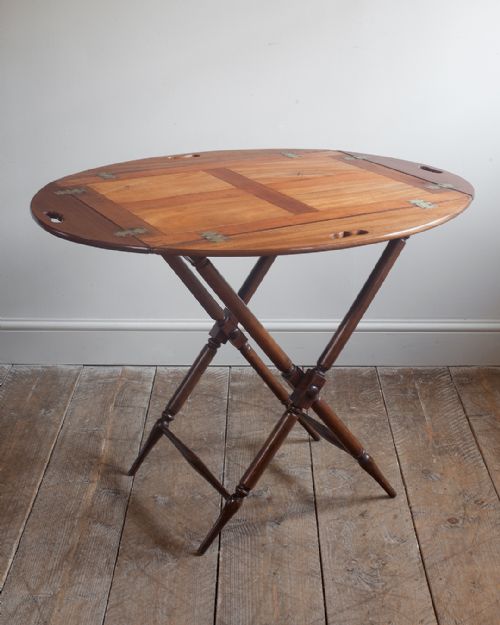
Makers utilised solid timbers and veneers such as mahogany, satinwood, and oak to build the trays and stands, sometimes incorporating marquetry or inlaid details for visual depth. Brass handles and hinges often secure the drop-flaps or secure the tray to its supporting base.
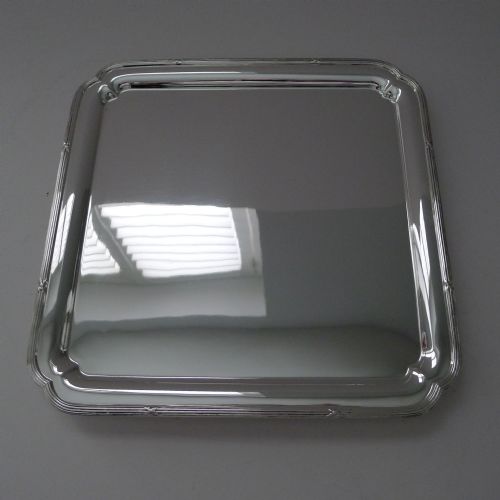
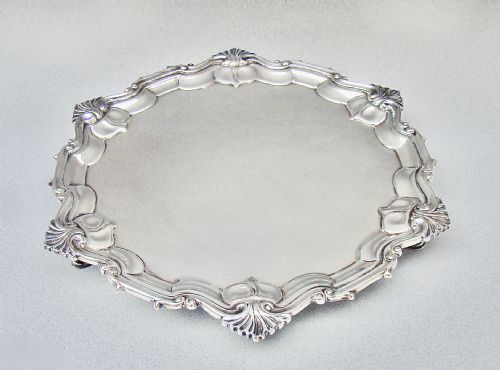
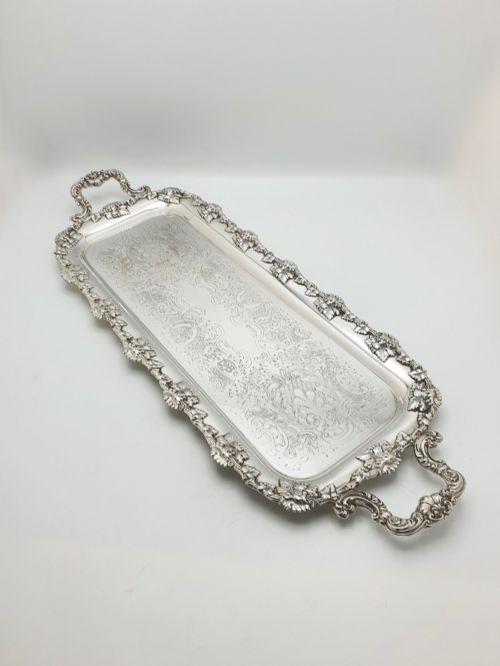
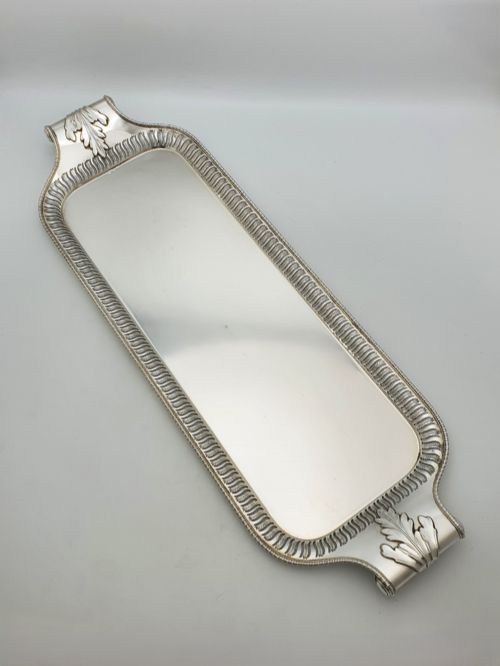
Silver plating and EPNS appear frequently on the accompanying metal serving wares, bread baskets, and salvers listed alongside the wooden tables. Joinery techniques from the period ensured that folding stands remained sturdy when assembled yet compact when stored.
Edwardian Serving Tray Table Retail Price Guide 2026
Typical asking prices for edwardian serving tray table among the pieces listed under this phrase on Sellingantiques today, from the lower quarter to the upper quarter. They describe what is for sale here now, not the wider market.
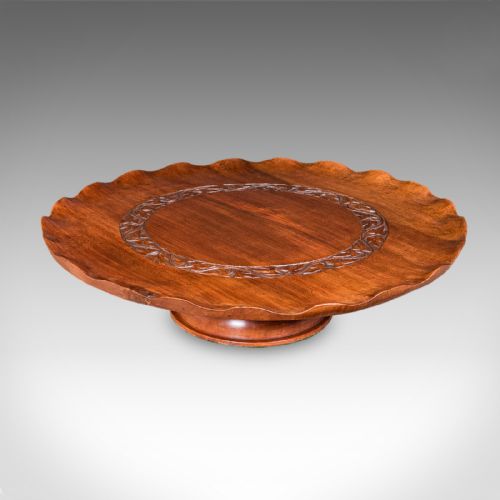
Cartographers and hosts alike found purpose here, with specialised trays doubling as European map platters and party turntables.
What separates the best from the rest
The degree of refinement in the timber selection and inlay work dictates the distinction between standard utility items and finer parlour pieces. Subtle details such as pierced borders on metal trays or finely turned legs on the stands elevate a piece significantly.
Originality of the pairing between the tray and its stand remains a primary consideration for collectors. Tables that retain their matching structural components and original hardware command greater appreciation than assembled or later matched pairs.
Elkington Co·William Hutton Sons·Mappin Webb
The Edwardian Serving Tray Table Glossary
- Butlers tray
- A removable wooden tray with raised sides, often featuring hinged flaps, designed to rest upon a folding wooden stand.
- Epns
- Electroplated nickel silver, a common base metal process used to give domestic serving items the appearance of solid silver.
- Etagere
- A set of open shelves or tiers used for displaying small objects or serving afternoon tea.
- Salver
- A flat metal serving tray or dish, typically supported on small feet, used for handing round drinks or correspondence.
- Sheraton revival
- A late nineteenth and early twentieth century style drawing inspiration from the neoclassical designs of Thomas Sheraton, frequently featuring satinwood and delicate inlay.
Edwardian Serving Tray Table: Frequently Asked Questions
What is an edwardian serving tray table?
An edwardian serving tray table is a dual-purpose piece of furniture consisting of a removable shallow tray placed upon a collapsible or fixed wooden stand.
Originally utilised for serving tea, breakfast, or drinks in various rooms of a house, these tables allowed servants or hosts to transport refreshments easily before setting the tray down to rest on its base.
Were these trays always attached to stands?
Not all trays were permanently fixed to their bases, as many featured independent drop-flaps or simply lifted off the folding frame entirely.
This portability meant the tray could be carried to the kitchen for loading and returned to the stand in the drawing room without disturbing the guests.
How do I care for antique mahogany tray tables?
Keep wooden tray tables away from direct heat sources and strong sunlight to prevent the timber and delicate inlay from drying out or fading.
Dust regularly with a soft, dry cloth and apply a quality beeswax sparingly to nourish the polish without leaving a heavy residue.
How can I tell an edwardian tray from a victorian one?
Edwardian trays often exhibit lighter timbers such as satinwood alongside mahogany, reflecting a shift towards brighter interior aesthetics around the turn of the twentieth century.
Victorian examples tend to lean towards heavier, darker native woods and sturdier, utilitarian frames built for robust daily service.