




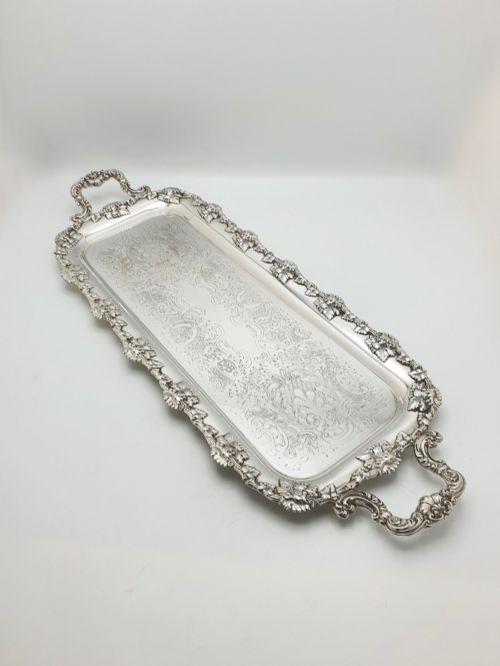
Edwardian Serving Platter
An edwardian serving platter brings silver plate, mahogany, and copper together to handle the demands of formal dining and afternoon tea.
Edwardian Serving Platter
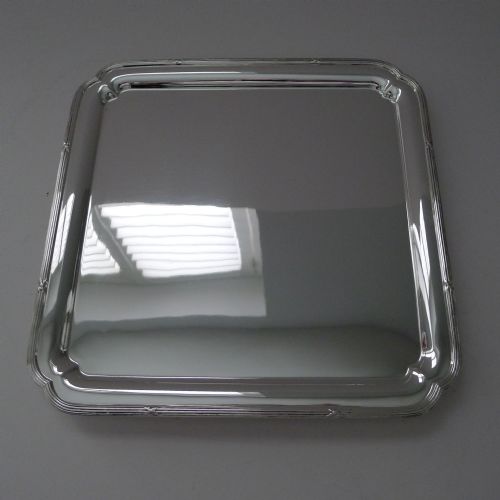
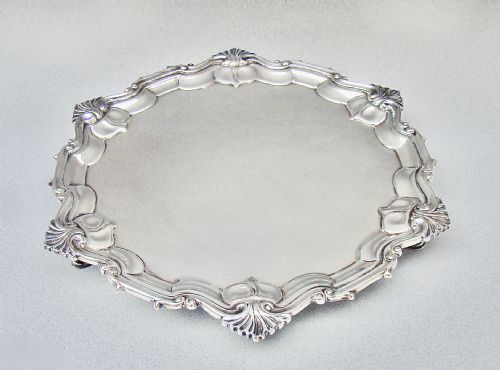
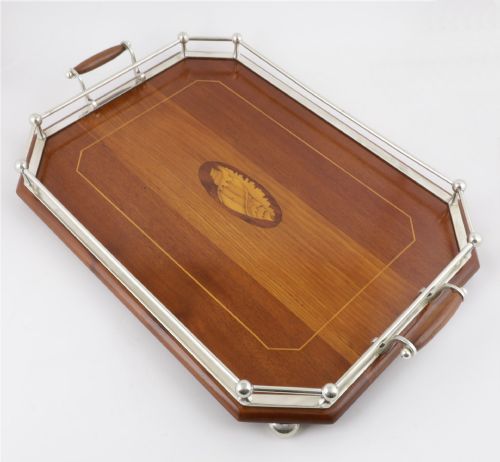
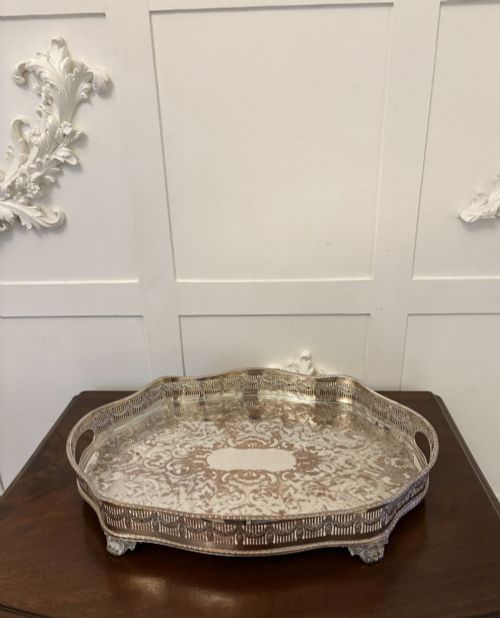
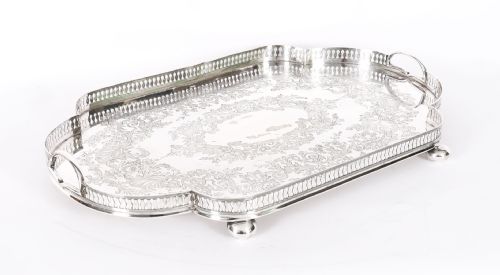
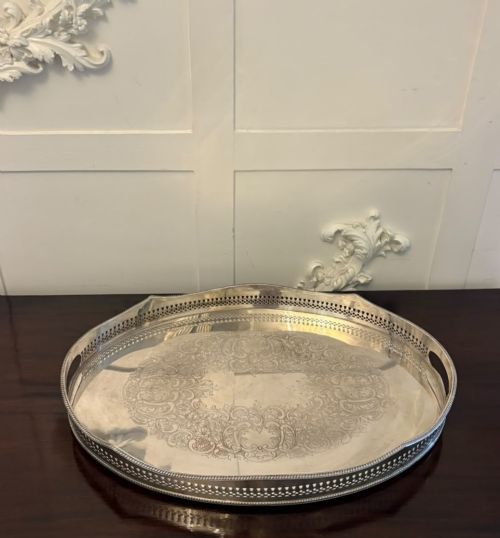
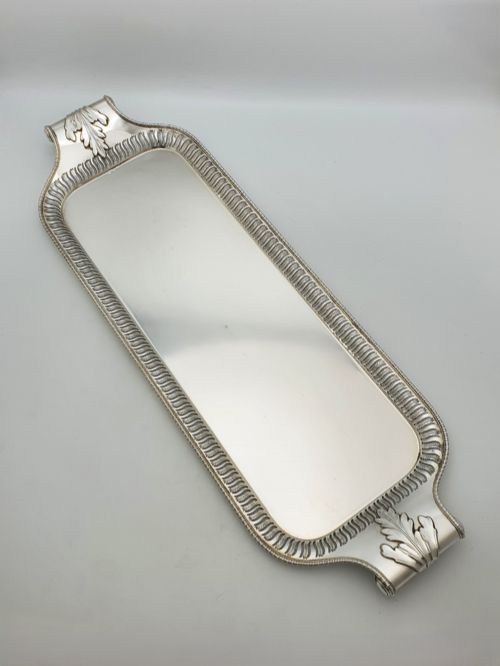
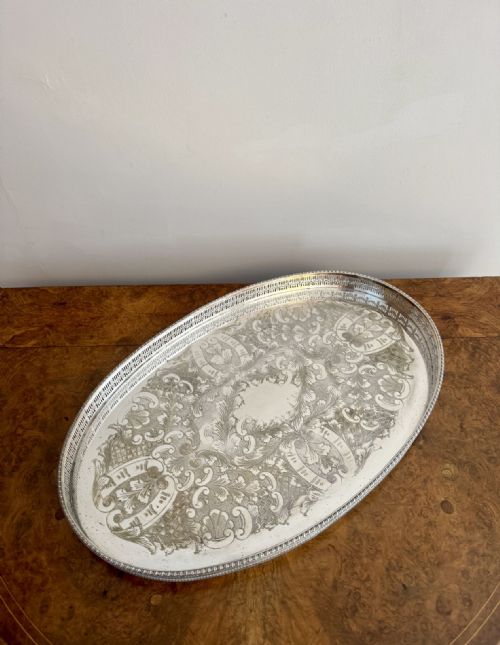
When you search for an edwardian serving platter, you encounter pieces designed for the dining room and the drawing room, spanning silver plated metalwork and inlaid timber. The selections here centre heavily on silver plated trays, gallery trays, and entree dishes made around the turn of the twentieth century.
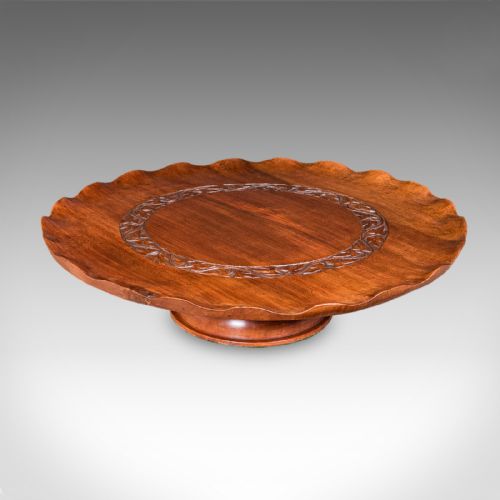
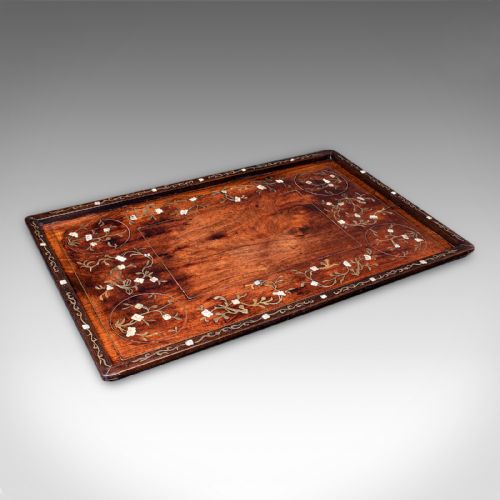
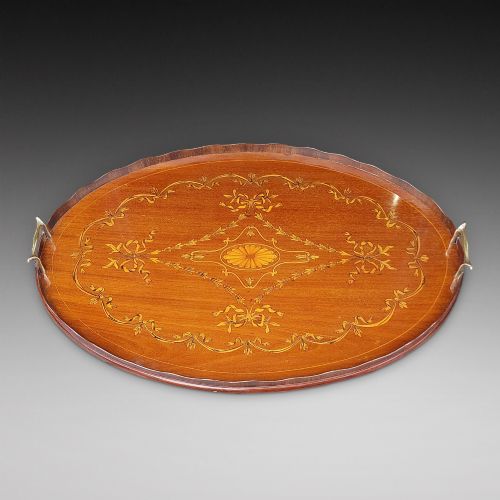
Wooden variations take the form of butler's trays, afternoon tea slides, and marquetry pieces utilising mahogany and satinwood. Alongside these metal and wood examples sit porcelain dishes and hammered copper trays from the broader Edwardian and Arts and Crafts periods.
Originating predominantly from English workshops, these items served practical domestic functions for carrying drinks, meats, and courses. Surviving pieces range from simple utilitarian platters to heavily engraved tea trays with pierced borders.
How They Were Made
Makers utilised silver plating on base metals, producing durable items such as electroplated nickel silver and Sheffield plated wares alongside solid copper and brass. Metal trays often received hand-engraved surface decoration or applied borders featuring grapevines and galleries.
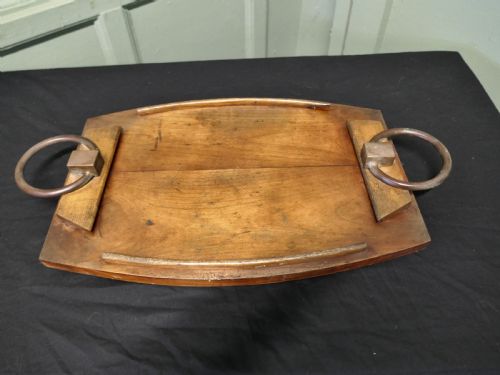
Cabinet makers built wooden trays from mahogany, satinwood, teak, and golden elm, frequently incorporating marquetry, shell inlay, and oyster veneering. Copper and brass items from the Arts and Crafts tradition display repoussé work beaten directly into the metal.
Porcelain serving dishes and cabinet plates received hand-painted glaze patterns, such as Imari colours or botanical illustrations by artists like David Dewsberry. Pierced porcelain rims and cut glass vessels complete the technical repertoire seen across these pieces.
Edwardian Serving Platter Retail Price Guide 2026
Typical asking prices for edwardian serving platter among the pieces listed under this phrase on Sellingantiques today, from the lower quarter to the upper quarter. They describe what is for sale here now, not the wider market.
Periods represented span Victorian and Edwardian eras into the 1920s and 1930s, alongside nineteenth-century pieces.
What Varies in Quality
The distinction between standard utility items and finer examples lies in the crispness of the hand-engraving and the structural integrity of applied mounts and handles. Silver plated pieces show variation in the thickness of the plating and the depth of the chased decoration on the base or border.
In wooden trays, quality rests on the precision of the marquetry, the choice of timber figure such as oyster veneer or mahogany, and the tightness of corner joints. Metalwork quality is visible in the weight of the copper and the clean execution of repoussé hammering.
James Deakin·William Hutton and Sons·Mappin and Webb·Hugh Wallis·Harrison Bros·Royal Crown Derby·Royal Doulton·Booths
The Edwardian Serving Platter Glossary
- Gallery tray
- A flat tray fitted with a pierced or pierced-and-solid raised metal gallery around the rim to secure items during transit.
- EPNS
- Electroplated nickel silver, a common base metal method utilised for durable silver plated tableware.
- Entree dish
- A lidded serving vessel designed to keep individual courses warm before presentation at the table.
- Marquetry
- The art of applying pieces of veneer to a structure to form decorative patterns, frequently seen on mahogany tea trays.
- Repoussé
- A metalworking technique where the metal is beaten from the reverse side to form a raised design in relief.
Edwardian Serving Platter: Frequently Asked Questions
How were these platters used?
These pieces served domestic households for carrying tea services, drinks, and courses between the kitchen and the dining or drawing rooms. Lidded entree dishes kept food warm at the table.
Wooden butler's trays and afternoon tea slides provided portable surfaces for daily hospitality routines. Gallery trays kept decanters and glassware secure while moving across carpets.
What metals are these trays made from?
The metal selection relies heavily on silver plate, electroplated nickel silver, and Sheffield plating over base metals. Copper and brass appear frequently in Arts and Crafts examples.
Sterling silver is also represented among the heavier dining pieces. Each metal imparted a specific weight and finish suited to formal domestic service.
How do I care for silver plated trays?
Silver plated items require gentle cleaning with non-abrasive polishes to preserve the thin metal layer over the base alloy. Regular dusting prevents tarnish build-up in engraved grooves and pierced borders.
Wooden trays need conditioning with appropriate oils or waxes to protect the mahogany, satinwood, or veneer surfaces from drying out.
What defines Edwardian style?
Edwardian design draws on lighter aesthetic influences than the preceding Victorian era, favouring refined mahogany inlays and elegant silver plate. It balances classical proportions with practical utility for the home.
Concurrent movements like Arts and Crafts introduced hand-beaten copper and simpler forms alongside traditional floral and botanical porcelain motifs.