


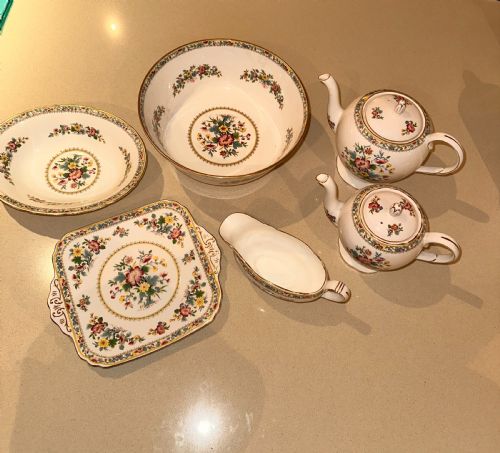


Edwardian Serving Dishes
Edwardian serving dishes combine formal dining tradition with versatile porcelain, silver plate, and cut glass forms.
Edwardian Serving Dishes
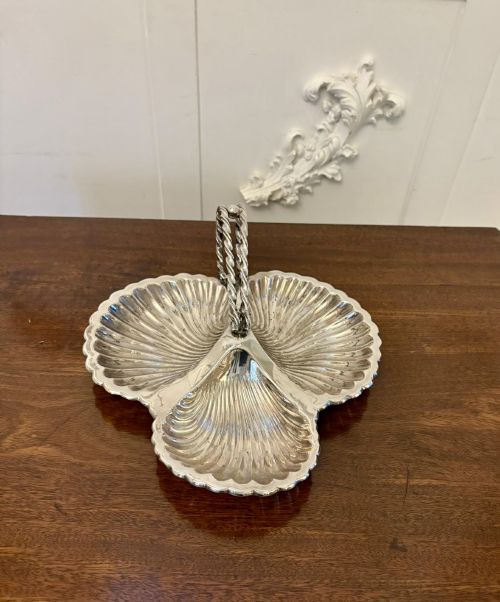
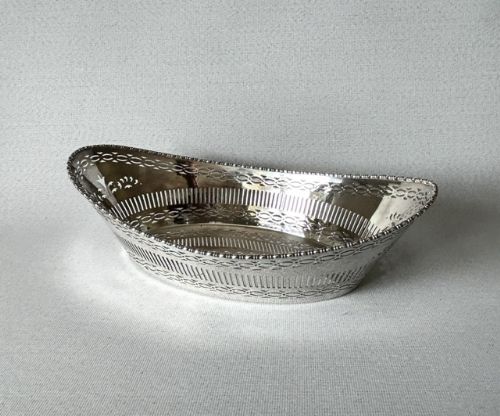
Edwardian serving dishes encompass a variety of dining table accessories designed for formal meals, ranging from entree dishes and tureens to bread baskets and fruit dishes. When searching for edwardian serving dishes, buyers encounter pieces intended for presenting meat, vegetables, bread, and desserts during elaborate household meals.
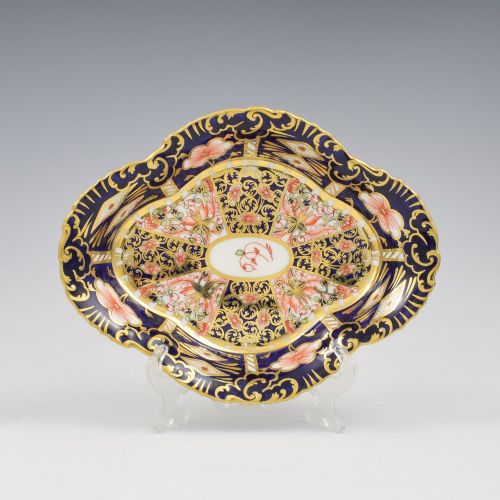
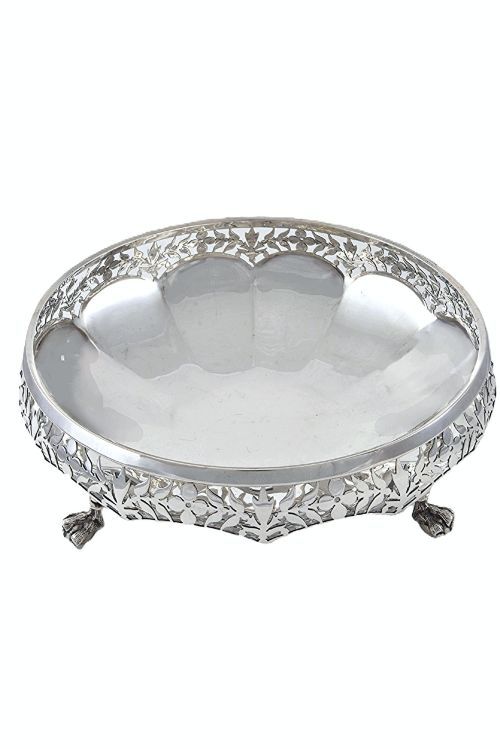
The selections available lean heavily towards silver plated items produced by prominent makers, alongside porcelain cabinet dishes and cut glass bowls. These objects reflect the formal dining customs of the early twentieth century, utilising durable metals and refined ceramics to suit both sideboard presentation and direct table service.
Materials and Construction
Silver plate and electroplated nickel silver form the backbone of these metal tablewares, providing the appearance of solid silver through a durable coating applied over a base metal core. Makers also utilised sterling silver for high-end commissions, alongside copper for items displaying Arts and Crafts and Art Nouveau stylistic influences.
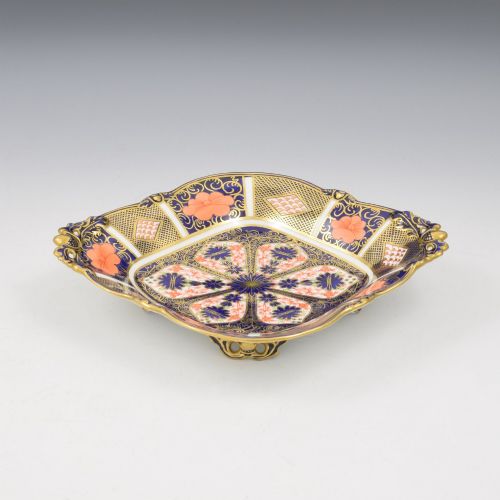
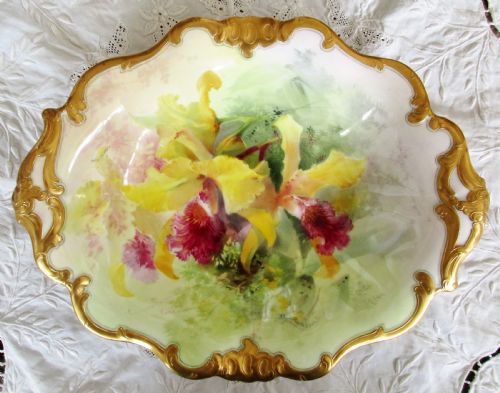
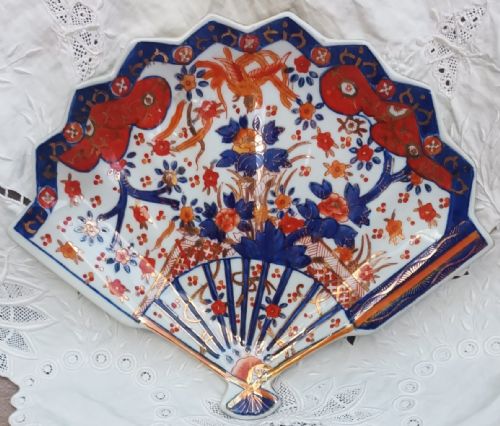
Ceramic pieces rely on bone china and traditional porcelain bodies, decorated with hand-painted motifs such as floral studies and Imari patterns. Glassware items utilise heavy cut glass techniques to achieve deep geometric patterns that catch the light during service.
Edwardian Serving Dishes Retail Price Guide 2026
Typical asking prices for edwardian serving dishes among the pieces listed under this phrase on Sellingantiques today, from the lower quarter to the upper quarter. They describe what is for sale here now, not the wider market.
Edwardian asparagus dishes arrived on the table with dedicated internal draining racks to keep the butter away from the spears.
Standards of Manufacture
The distinction between standard domestic items and top-tier pieces rests on the weight of the metal, the crispness of applied borders, and the presence of fully articulated original stands or warming bases. Silver plated items from established silversmiths exhibit heavier gauge bases and more substantial plating layers that withstand prolonged use.
Ceramic and glass variations depend on the complexity of hand-painted artistry, such as signed botanical or fruit scenes, and the depth of hand-cut facets in glassware. Pieces featuring matching pairs or complete original hardware retain a greater degree of their original design integrity.
Mappin and Webb·Elkington and Co·Hamilton and Inches·Royal Crown Derby·Royal Worcester
The Edwardian Serving Dishes Glossary
- Entree dish
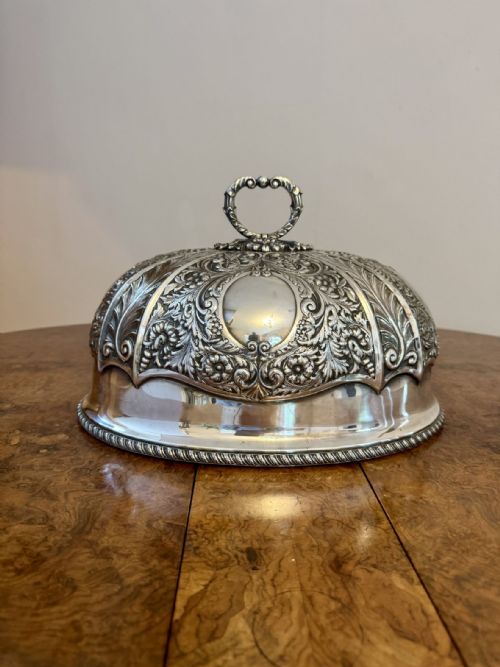
- A covered vessel designed to keep main course portions warm at the table. These often feature detachable handles to allow the base to double as a secondary platter.
- EPNS
- Electroplated Nickel Silver. A common base metal process where a thin layer of pure silver is deposited onto a nickel-copper alloy core.
- Imari
- A decorative style characterised by underglaze blue and overglaze iron red, green, and gold highlights, originating from Japan and widely adopted by English potteries.
- Tureen
- A deep serving bowl with a lid, traditionally used for soups, sauces, or vegetables. Edwardian examples frequently rest upon matching fitted trays.
- Tazza
- An elevated pedestal plate or shallow bowl used for displaying fruit, cakes, or sweetmeats as a table centrepiece.
Edwardian Serving Dishes: Frequently Asked Questions
How do I clean antique silver plated dishes?
Clean silver plated items using a mild, non-abrasive silver polish and a soft cloth to protect the underlying plating from wear. Avoid harsh chemical dips that strip the protective tarnish barriers.
Store pieces in dry environments away from direct sunlight to minimise oxidation and maintain the reflective finish of the metal.
What is the difference between EPNS and solid silver?
EPNS consists of a base metal alloy coated with a layer of pure silver through an electrochemical process. Solid silver pieces are composed uniformly of precious metal throughout their entire structure.
Solid silver items bear official hallmarks indicating the metal purity, whereas silver plated wares typically feature maker marks denoting the plating technique.
Can I use these dishes for daily dining?
Many Edwardian serving dishes remain robust enough for regular use, provided they receive careful hand washing rather than automated dishwashing. Porcelain and silver plate tolerate routine service if handled without abrasive utensils.
Delicate cut glass and hand-painted porcelain cabinet pieces are better reserved for occasional display or gentle table service to preserve their decorative surfaces.
How were entree dishes used on the table?
Entree dishes held individual course portions brought from the kitchen to the dining table for guests to serve themselves. The fitted lids kept the food warm during extended multi-course meals.
Many of these dishes included internal compartments or sat upon hot water stands to maintain food temperatures throughout the dining experience.