
Edwardian Seating Bench
An Edwardian seating bench brings refined domestic utility into a hallway, drawing room or garden.
Edwardian Seating Bench
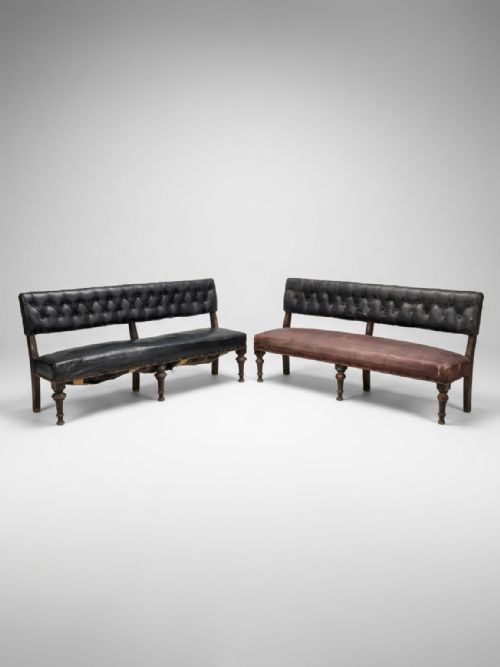
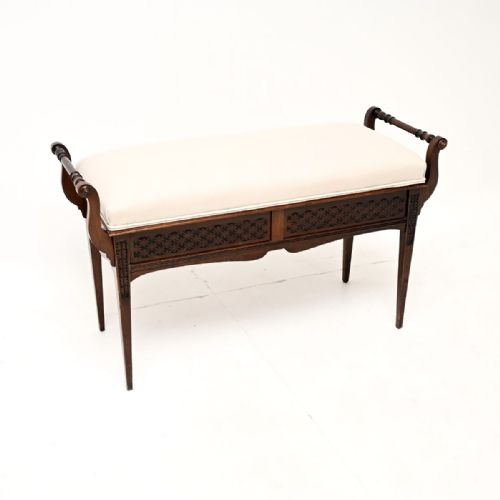
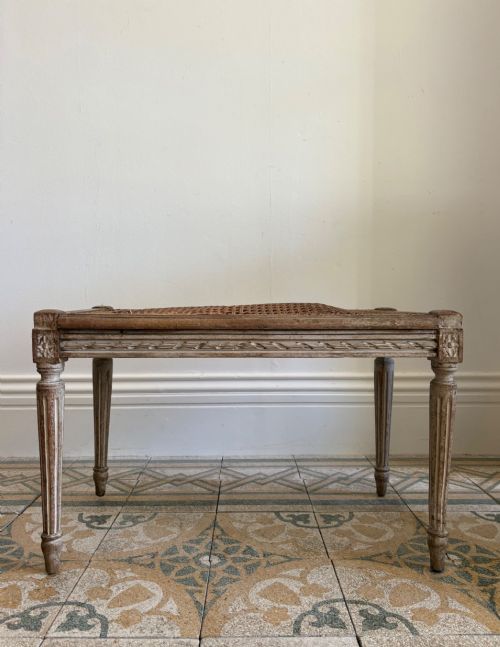
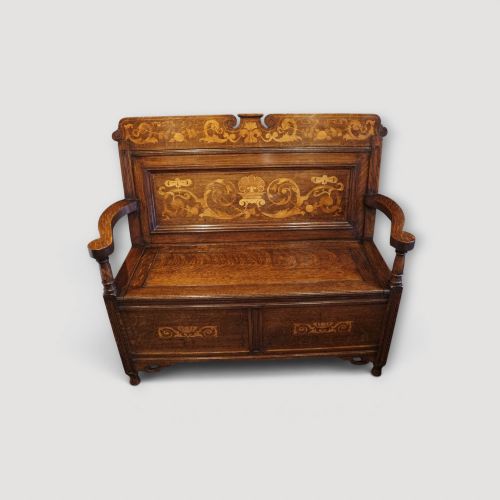
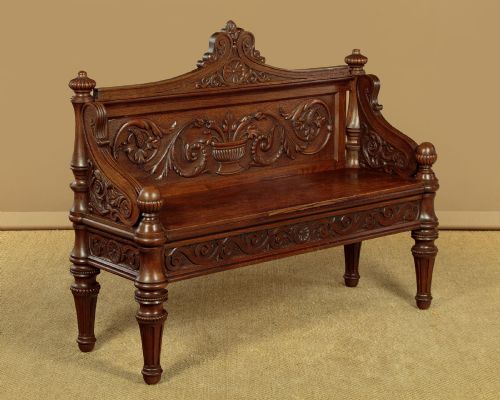
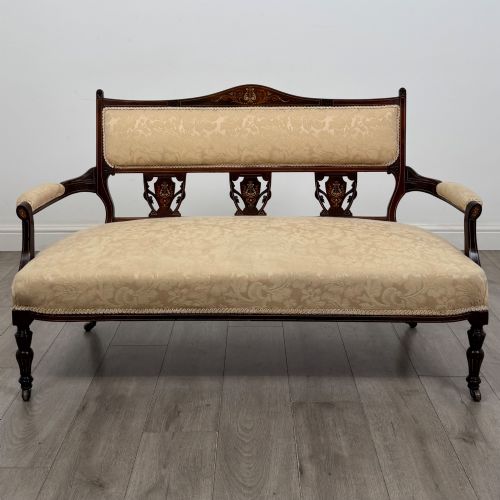
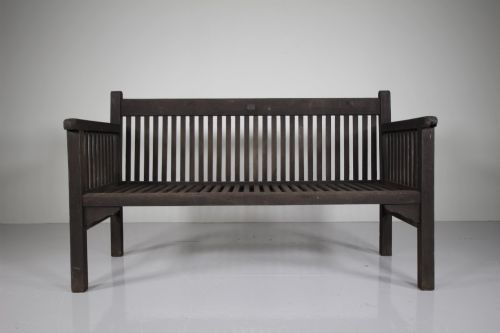
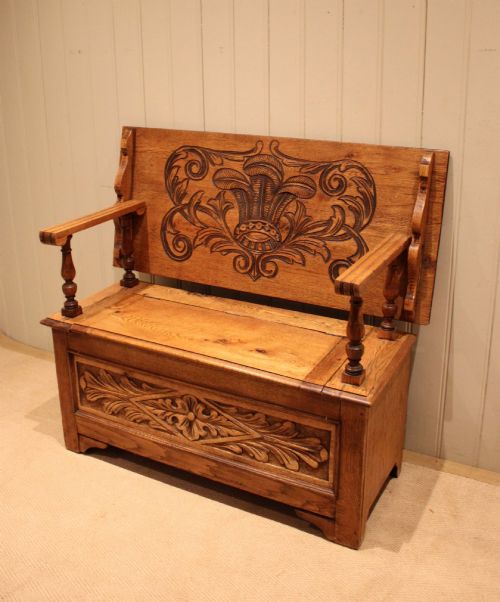
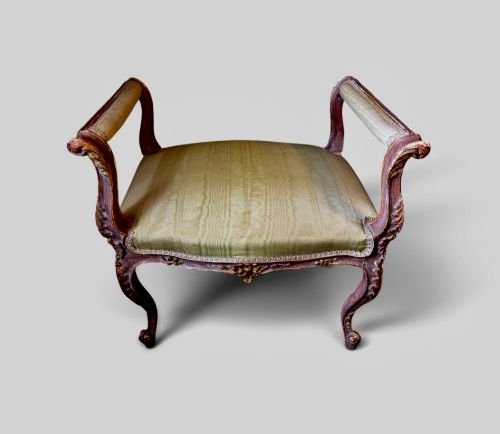
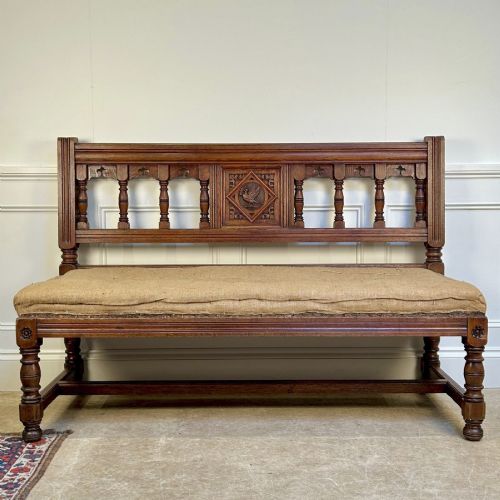
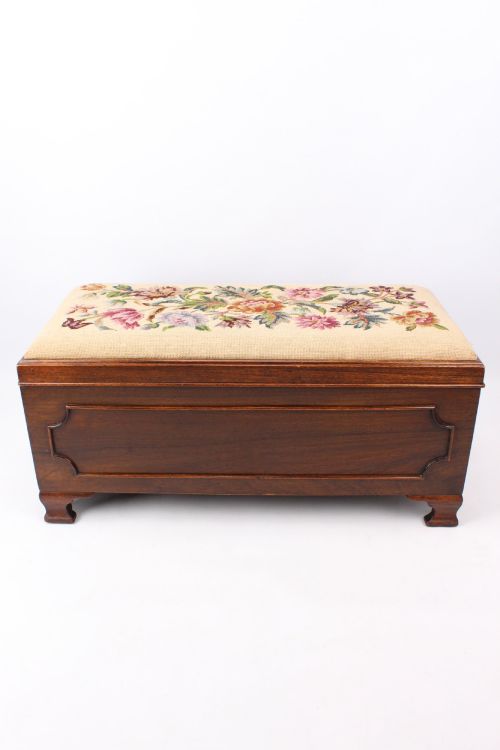
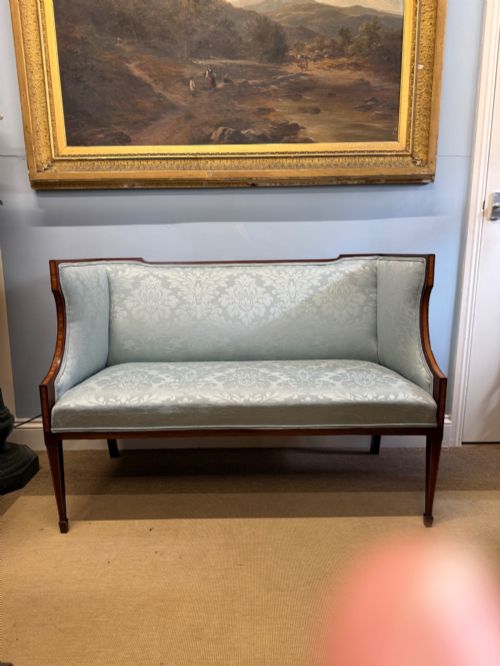
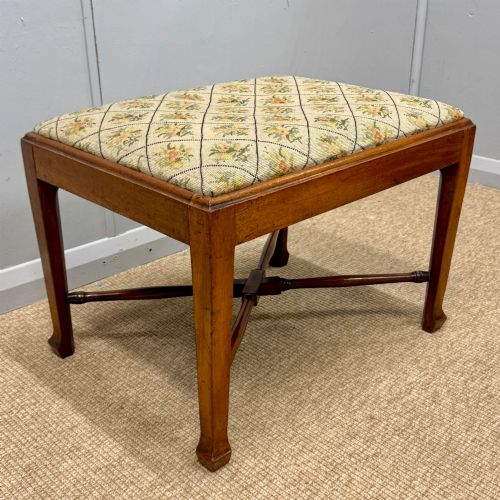
An edwardian seating bench encompasses a broad range of domestic furniture designed for communal sitting, storage or resting in hallways, gardens and parlours. Pieces span compact piano stools, hall seats with integrated stick stands, window seats and robust outdoor timber benches.
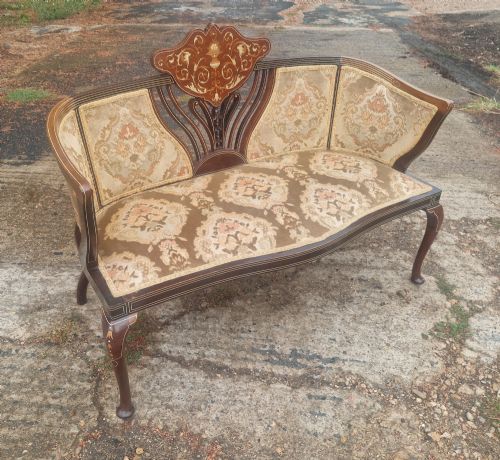
Mahogany and oak dominate the domestic interiors, often complemented by satinwood inlay, brass fittings and various upholstered elements. Garden variants utilise durable teak, heavy oak and rustic timbers designed to weather external conditions.
The aesthetic bridges formal revival styles and the simpler vernacular of the Arts and Crafts movement, reflecting both urban drawing rooms and country houses.
Materials and Construction Methods
Carpenters employed solid hardwoods like oak and mahogany for structural frames, frequently incorporating turned legs, shaped trestle ends and carved backrests. Satinwood and rosewood veneers provided decorative contrast, while brass hardware secured hinges, fittings and club fender rails.
Upholstered sections relied on durable fabric, leather, velvet and needlework coverings stretched over buttoned or padded pads. Garden seats integrated heart motifs and weather-resistant joinery to withstand outdoor use.
Periods represented span from the Victorian era through the Edwardian period into the early twentieth century.
Distinctions in Quality and Make
Superior execution shows in the crispness of carved details, such as Chippendale-style backs or Gothic tracery, alongside tightly jointed frames of solid oak or mahogany rather than thin veneers. The integration of functional elements like stick stands or hidden box storage reveals thoughtful design.
Maker provenance and original upholstery materials elevate individual pieces, distinguishing standard utility items from commissioned pieces by notable firms.
Heals·GIllows·James Shoolbred Co·Jas Shoolbred
The Edwardian Seating Bench Glossary
- Hall seat
- A rigid wooden bench designed for an entrance hallway, frequently incorporating a storage box, backrest, or integrated umbrella and stick stand.
- Club fender
- A low, U-shaped hearth seat featuring cushioned leather top rails supported by brass or iron balustrades.
- Settee
- A small upholstered sofa designed to seat two or more people comfortably in a parlour or drawing room.
- Piano stool
- A compact seat intended for keyboard players, often featuring an adjustable height mechanism or a hinged lid for sheet music storage.
- Stretcher
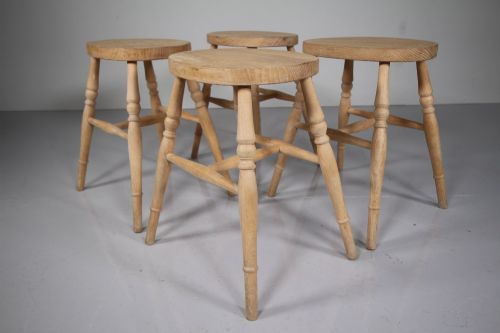
- A horizontal wooden brace connecting the legs of a bench or stool to increase structural rigidity.
Edwardian Seating Bench: Frequently Asked Questions
Where should I place an edwardian seating bench?
An edwardian seating bench fits naturally in an entrance hall, providing a convenient spot for removing shoes near a door. They also serve well at the foot of a bedroom or placed beneath a large window.
Compact piano stools and dressing table variants work effectively in smaller rooms where space efficiency matters. Garden versions belong outdoors on patios, lawns or beneath sheltered porches.
How do I distinguish an edwardian seating bench from a victorian one?
Edwardian seating typically displays lighter proportions, brighter wood tones such as satinwood inlay, and a leaning towards simpler Arts and Crafts or Sheraton revival aesthetics. Victorian pieces often use heavier, darker mahogany and more ornate, exuberant carving.
Construction methods also shift around the turn of the century, moving from dense, heavy upholstery towards cleaner lines and exposed polished timber frames.
What materials were used for edwardian garden benches?
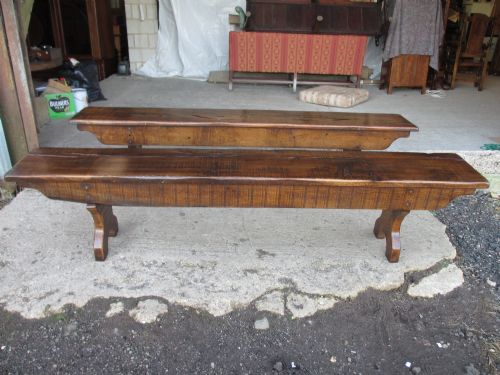
Garden benches from this period relied on durable external timbers capable of withstanding moisture and temperature shifts. Teak and heavy oak formed the primary structural choices for their natural weather resistance.
Metal components, where present, typically consisted of brass or cast iron for fixings and structural reinforcement.
How do I care for the upholstery on a vintage bench?
Upholstered surfaces require gentle brushing or light vacuuming with a soft attachment to remove dust settled in buttoned crevices. Avoid placing antique fabrics in direct sunlight to prevent fading of velvet, leather or woven textiles.
Leather elements benefit from occasional specialist conditioning to keep the hide supple without altering its original finish.