
Edwardian Satinwood Inlay
Edwardian satinwood inlay defines these refined mahogany and satinwood furnishings, bringing luminous contrast and classical elegance to any room.
Edwardian Satinwood Inlay
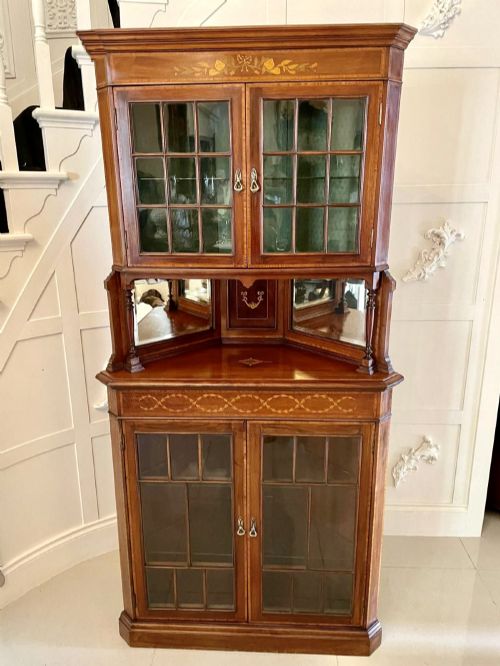
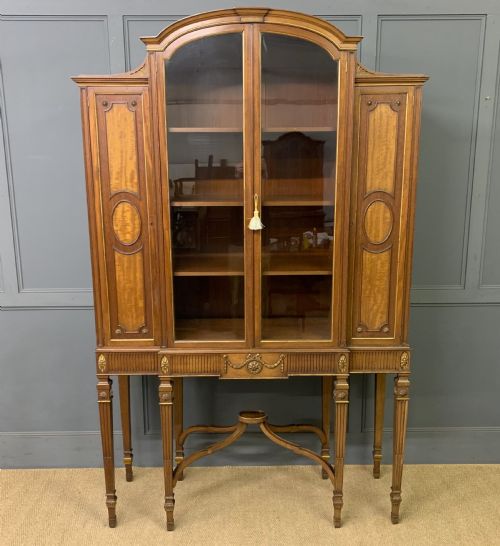
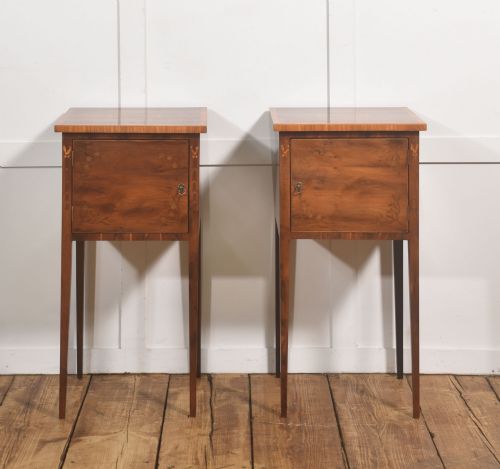
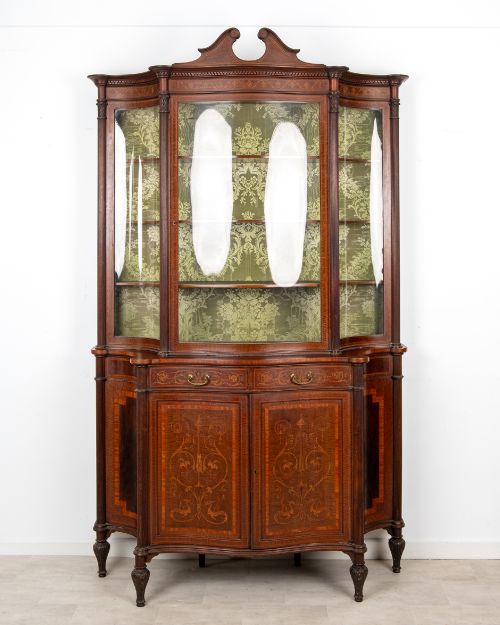
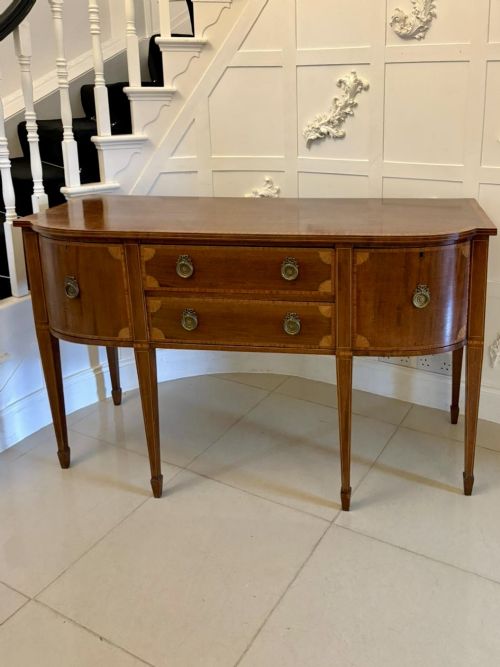
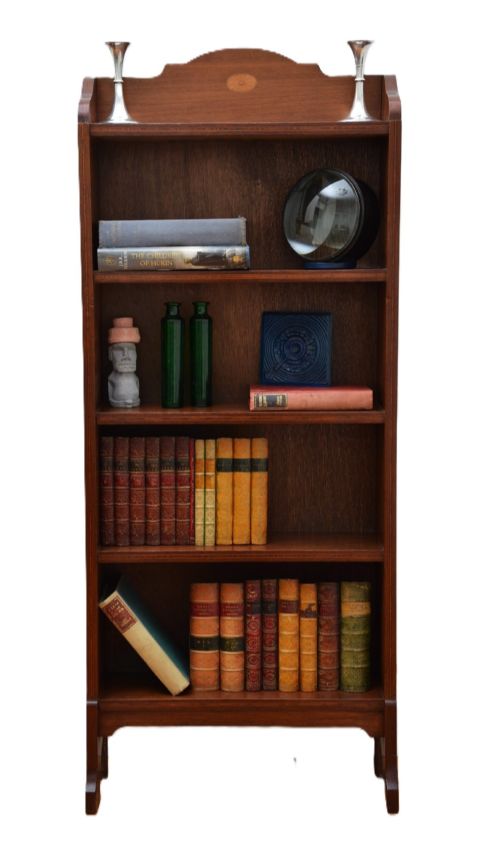
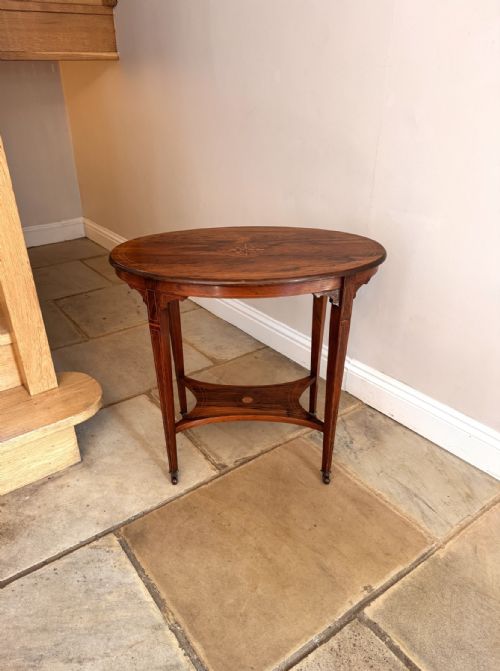
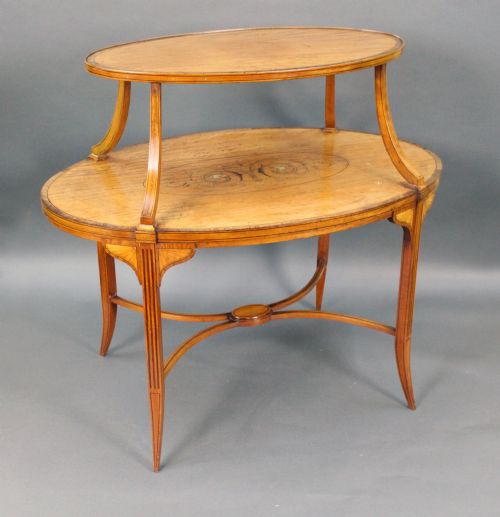
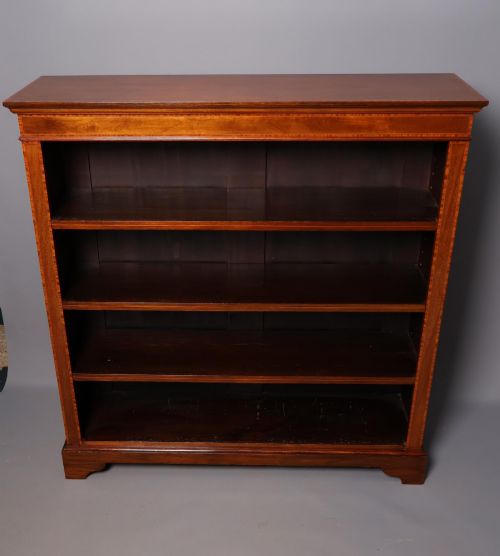
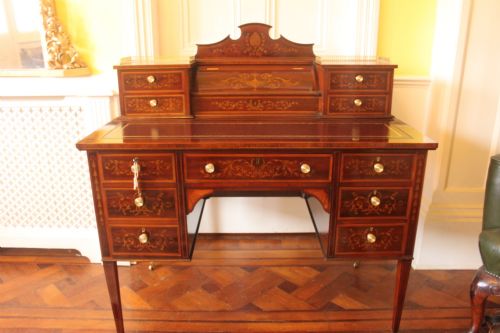
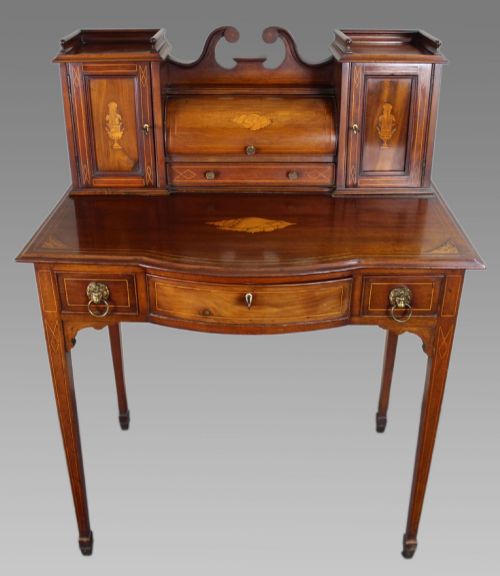
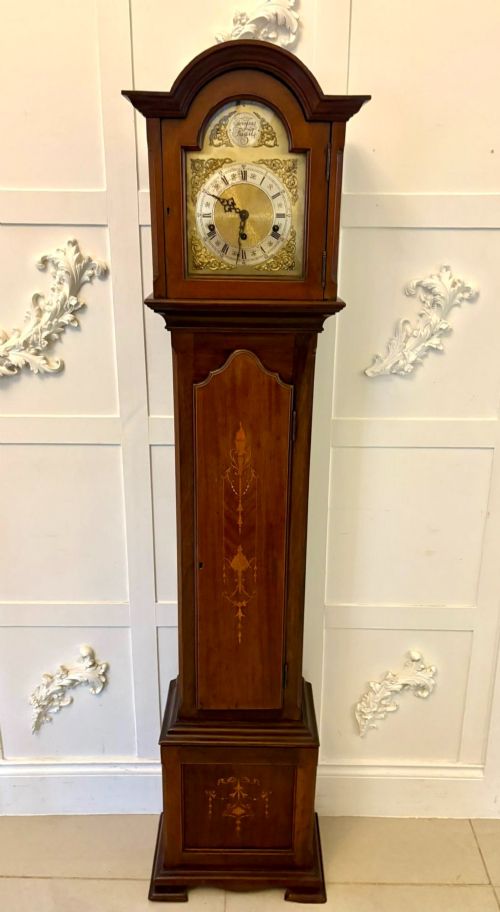
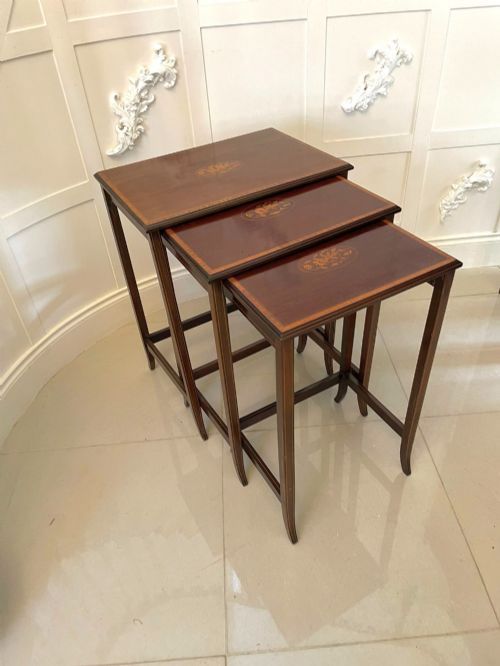
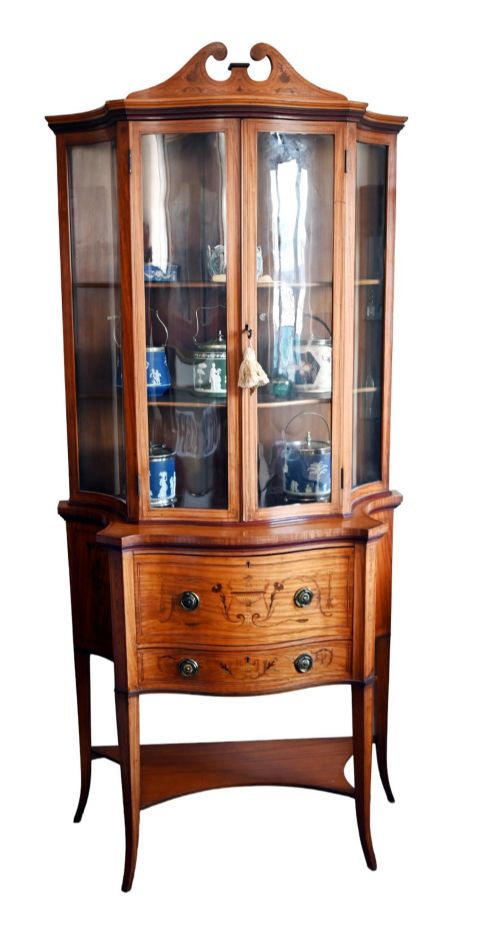
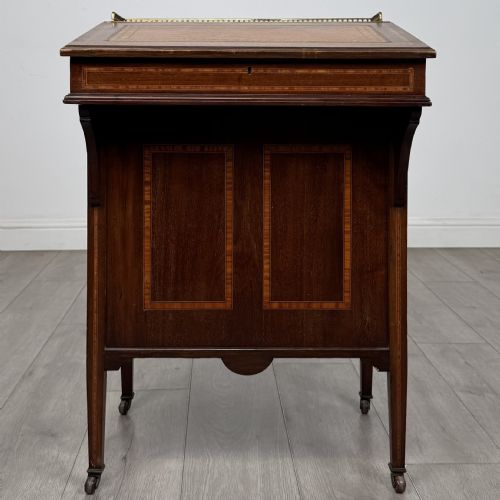
When searching for Edwardian satinwood inlay, buyers encounter a variety of practical and decorative furnishings originating primarily from the Edwardian era and the late nineteenth century. The selection spans distinct forms designed for daily utility and display, such as display cabinets, desks, bedside cabinets, sideboards, bookcases, nests of tables, wardrobes, and occasional tables.
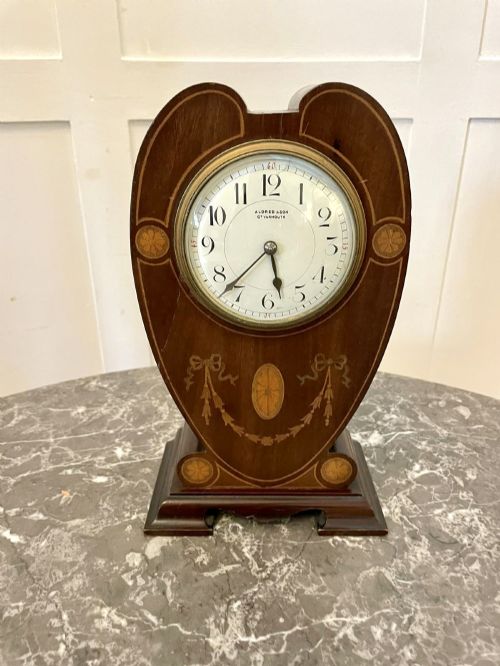
The version most commonly met on this page is mahogany furniture accented with satinwood inlay, boxwood inlay, or marquetry, often reflecting Sheraton Revival or Neoclassical Revival styles. Pieces range from compact lamp tables and plant stands to large combination wardrobes and bureau bookcases, typically bearing the characteristic pale, golden contrast of satinwood against darker woods.
Materials and Construction
Cabinet makers constructed the foundational carcass work using solid mahogany or maple, applied with finely figured mahogany veneers for stability and rich visual depth. Satinwood and boxwood served as the primary contrast timbers for geometric lines, classical swags, and floral motifs.
Surface decoration relied on precision cutting of contrasting veneers, utilising marquetry inlay and crossbanding to define panels, tabletops, and drawer fronts. Additional detailing frequently incorporated brass hardware, glass panels for display doors, and leather inserts for writing desks.
Listings feature items spanning the Victorian, Edwardian, and Regency style periods, constructed from mahogany, satinwood, and brass.
Quality Variations
The standard of execution in the inlay work largely dictates the tier of a piece, distinguishing sharp, tight joints and intricate multispecies marquetry from simpler, uniform stringing. Precision in matching wood grains across large surfaces such as tabletops and sideboard doors also separates standard production from exceptional craftsmanship.
Maker attribution plays a substantial role, with pieces bearing signatures or stamps from recognised workshops exhibiting superior structural joinery, select timber selection, and more refined proportioning. The integration of auxiliary materials, such as heavier brass mounts and better quality glass, further elevates the overall standing of an item.
Waring and Gillow·Maple and Co·Edwards and Roberts·Trevor Page and Co
The Edwardian Satinwood Inlay Glossary
- Satinwood
- A dense, lustrous timber with a golden-yellow sheen used extensively for contrasting inlays and banded borders. It catches the light and brings brightness to darker furniture bases.
- Marquetry
- The art of forming decorative patterns using fitted pieces of wood veneer. Artisans arrange various timber species to create pictorial or symmetrical ornamentation on furniture surfaces.
- Crossbanding
- A border technique where veneer strips are laid across the grain of the underlying wood. This frames panels on tabletops, drawers, and cabinet doors with a contrasting direction.
- Sheraton Revival
- A design movement drawing inspiration from late eighteenth-century neoclassical furniture forms. It utilises slender proportions, satinwood inlay, and classical motifs.
- Étagère
- A set of open tiered shelves used for displaying small decorative objects and ornaments. These pieces typically feature slender uprights and delicate inlay.
Edwardian Satinwood Inlay: Frequently Asked Questions
What is satinwood inlay?
Satinwood inlay involves setting pale, golden satinwood veneer into a contrasting darker timber base, such as mahogany. This technique creates geometric borders, medallions, and decorative motifs across furniture surfaces.
Craftsmen cut the wood with precision to ensure flush surfaces that catch the light and add visual refinement.
How do I identify Sheraton Revival style?
Sheraton Revival furniture draws heavily on late eighteenth-century classical lines, featuring symmetrical designs, tapered legs, and delicate proportions. The style makes frequent use of satinwood inlay and classical urn or bellflower motifs.
These pieces emerged strongly during the late Victorian and Edwardian periods as a revival of earlier neoclassical tastes.
Were these pieces used daily?
Yes, forms like desks, sideboards, bedside cabinets, and wardrobes served practical domestic purposes in Edwardian homes. Their sturdy mahogany construction handled everyday household demands while providing storage and workspace.
Display cabinets and occasional tables similarly balanced decorative presentation with the functional need to hold books, plants, and ornaments.
How do I care for inlaid furniture?
Inlaid furniture benefits from gentle cleaning with a soft, dry cloth to remove dust without disturbing the delicate veneer edges. Avoiding direct sunlight and maintaining stable room humidity protects the wood and prevents the glue beneath the inlay from drying out.
Occasional application of appropriate wax polish maintains the lustre of both the mahogany base and the satinwood details.