





Edwardian Portrait Locket
An Edwardian portrait locket holds a miniature likeness close to the heart, combining personal sentiment with the refined metalwork of the early twentieth century.
Edwardian Portrait Locket
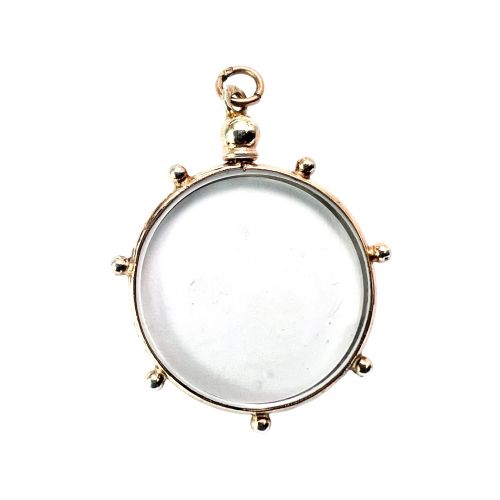
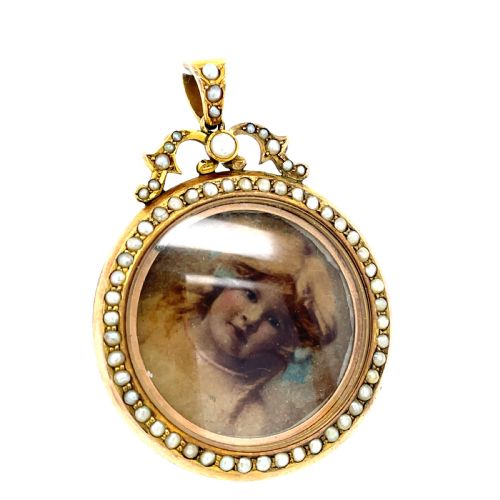
The Edwardian portrait locket is a pendant designed to display a photograph or miniature painting beneath glass or open to view. These pieces mostly emerge from the Edwardian period, alongside examples spanning from the late nineteenth century up to nineteen fifteen.
Forms include book picture lockets, screw lockets and open photograph designs intended to suspend from a chain. Most examples are configured simply as pendants or locket pendants rather than complex multi-tiered jewellery.
Design influences on this page draw upon the sweeping lines of Art Nouveau and the decorative restraint of French Belle Epoque aesthetics. Buyers encounter these sentimental keepsakes in various configurations, from simple hinged cases to glazed frames.
Materials and construction
Goldsmiths utilised nine carat and eighteen carat yellow gold, sterling silver and silver gilt to construct the outer frames. Precious metals often combine with base metals or gold on silver applications to achieve specific structural weights.
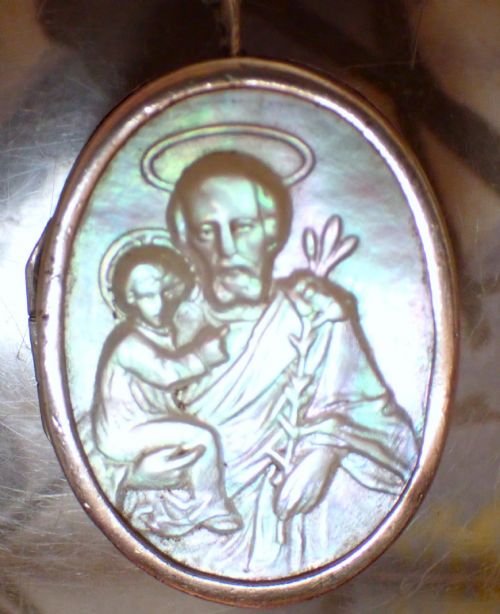
Surface decoration frequently incorporates vitreous enamel, seed pearls and carved mother of pearl panels. Transparent glass protects the interior miniature or photograph, while paste stones occasionally accent the bow motifs.
Edwardian Portrait Locket Retail Price Guide 2026
Typical asking prices for edwardian portrait locket among the pieces listed under this phrase on Sellingantiques today, from the lower quarter to the upper quarter. They describe what is for sale here now, not the wider market.
The selection includes both British Edwardian pieces and French Belle Epoque creations from around nineteen hundred.
Distinctions in quality
Quality rests upon the crispness of hand-carved details in materials like mother of pearl and the precise setting of enamel work. Superior examples demonstrate expert soldering on delicate hinge mechanisms that secure the internal photograph.
The choice of metal alloy shifts the character of a piece significantly, with heavier eighteen carat gold constructions holding greater intrinsic merit than plated silver alternatives. Fine craftsmanship is evident where glass bezels fit flush without exposing securing gaps.
Meyle & Mayer
The Edwardian Portrait Locket Glossary
- Edwardian
- Pertaining to the reign of King Edward the Seventh, spanning from nineteen hundred to nineteen ten, characterised by light and airy jewellery designs. This era moved away from heavy Victorian ornamentation towards graceful motifs.
- Glass Top
- A locket featuring a transparent glazed compartment designed to display a photograph directly on the exterior. This construction allows the wearer to view the portrait without opening the case.
- Enamel
- Vitreous powder fused to metal under high heat to create a smooth, coloured decorative surface. This technique adds vibrant hues of blue, green or white to pendant borders.
- Book Locket
- A hinged pendant shaped to resemble the covers of a miniature bound volume. Opening the covers reveals dual picture compartments inside.
- Paste
- Hand-cut lead glass faceted to imitate gemstones in decorative mounts. It provides bright sparkle around the borders of portrait frames without employing precious stones.
Edwardian Portrait Locket: Frequently Asked Questions
What is an Edwardian portrait locket?
An Edwardian portrait locket is a hinged pendant created between eighteen ninety and nineteen fifteen to house a small photograph or miniature painting. These pieces range from simple glass-fronted frames to elaborate gold and enamel designs.
They were worn close to the heart on delicate chains, serving as portable memorials or tokens of affection for family members.
How do I open an old locket?
Old lockets often rely on tiny side hinges, subtle push-buttons or screw mechanisms to secure the internal photograph frame. Opening them requires patience and a gentle touch to avoid straining fragile metal components.
If a case feels stuck due to age-related debris, consult a professional jeweller rather than forcing the catch.
Can I put a new photo inside?
Modern photographs can be trimmed with sharp scissors to match the exact interior dimensions of the glazed frame. Many antique lockets still retain their original paper linings or backing cards to hold pictures securely in place.
Take care not to press too hard against fragile glass covers when inserting replacement portraits.
How do I care for silver and gold?
Precious metals benefit from gentle cleaning with a soft microfibre cloth to remove surface oils accumulated during wear. Avoid liquid dips or harsh chemical cleaners, especially on pieces containing enamel, pearls or glass inserts.
Store each pendant in a lined box away from other jewellery to prevent scratching the softer gold and silver surfaces.