




Edwardian Pocket Glass
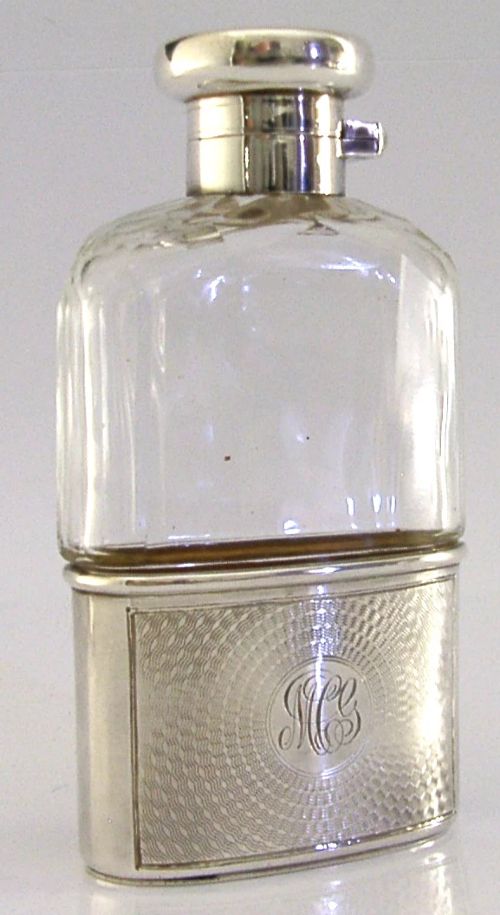
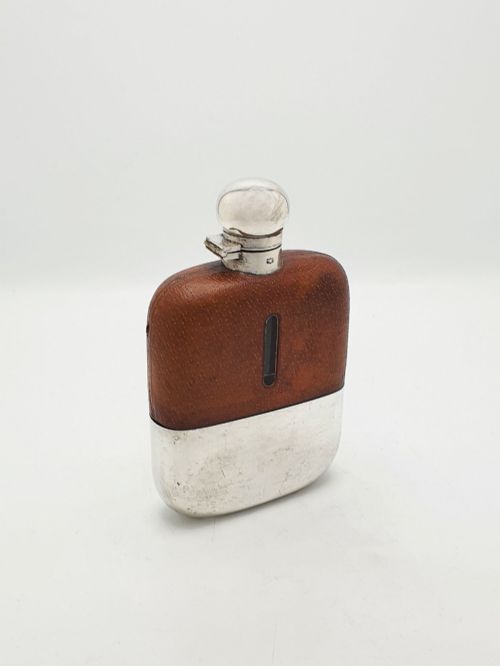
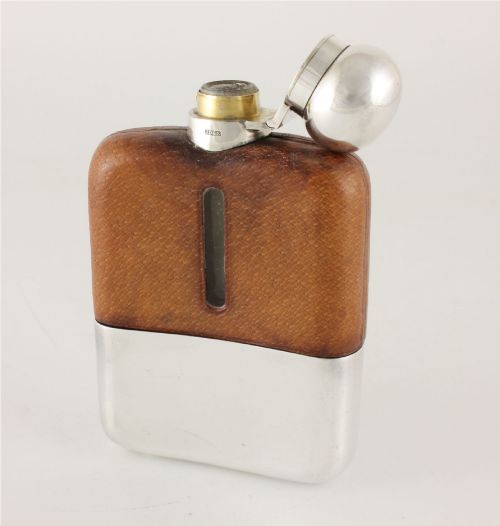
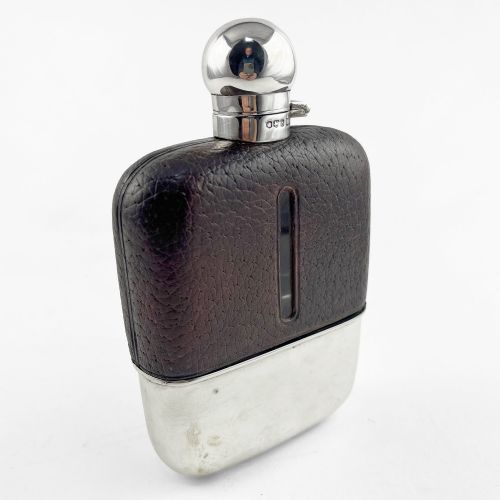
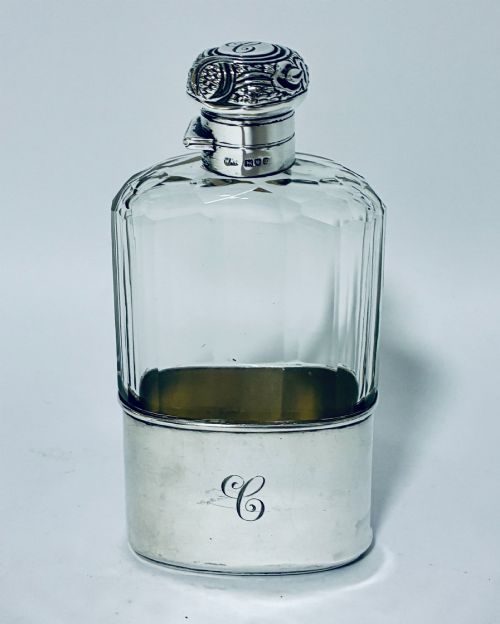
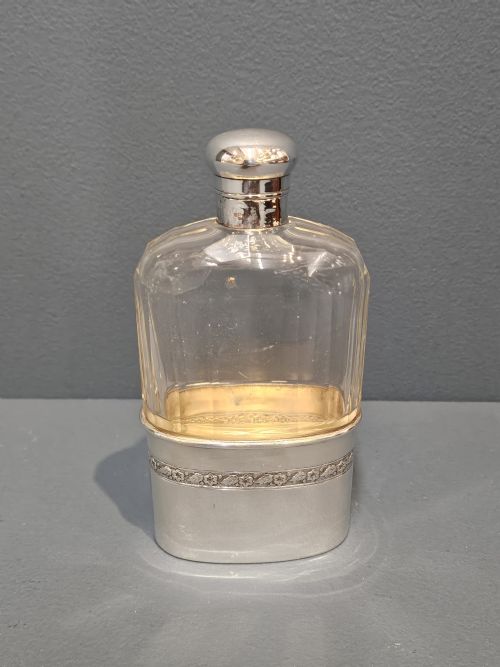
These pieces known as an edwardian pocket glass are compact silver and glass containers built for travel, most often taking the form of hip flasks.
Edwardian Pocket Glass
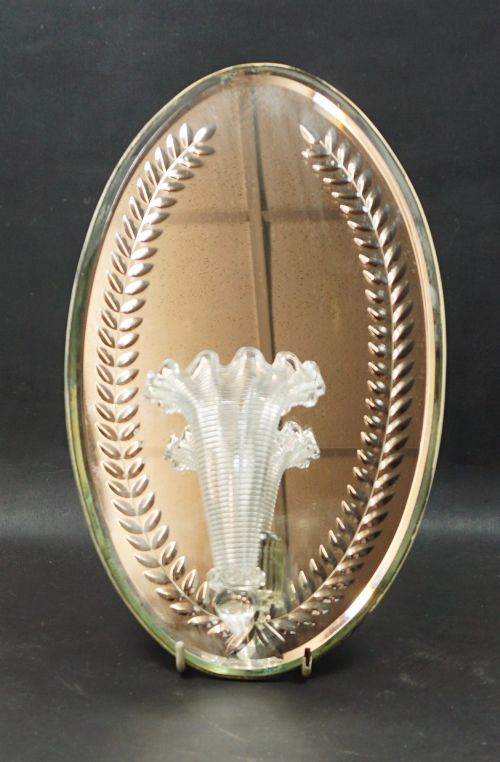
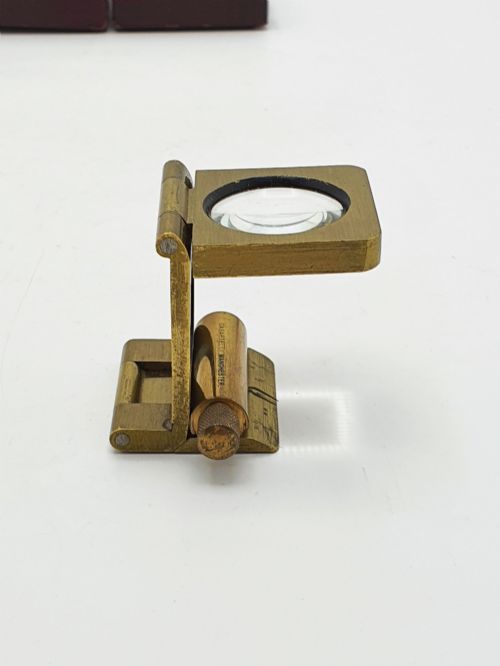
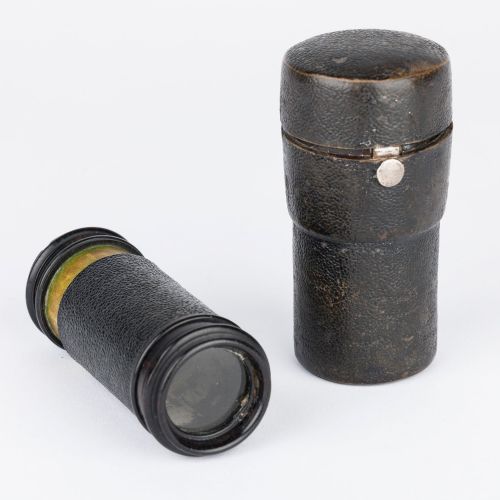
When searching for an edwardian pocket glass, a buyer encounters portable glass vessels alongside related personal items like spyglasses, magnifying glasses, and display domes from the late Victorian and Edwardian eras. The most frequent iteration on this page is the pocket hip flask, combining a glass body with protective metal or leather elements.
The objects stem predominantly from the 1900 to 1920 period, capturing the Edwardian appetite for portable convenience and outdoor pursuits. While some listings extend into earlier Victorian decades or slightly later twentieth-century styles, the core focus remains on turn-of-the-century pocketware.
These items were originally designed to slip easily into a pocket or hunting coat for personal refreshment during travel or field sports. Surviving examples demonstrate how everyday utility met fine metalwork in the hands of period travellers.
How they were made
Makers combined blown or cut glass with sterling silver, silver plate, brass, and genuine crocodile leather to construct durable travel vessels. Glass bodies provided a clear view of contents, while metal caps and cups secured liquids against spillages.
Outer coverings of crocodile leather and leather were stitched or fitted tightly around glass cores to offer grip and protection during transit. Metal elements such as hammered sterling silver or silver plate show hallmarking and chased detailing typical of early twentieth-century silversmithing.
Edwardian Pocket Glass Retail Price Guide 2026
Typical asking prices for edwardian pocket glass among the pieces listed under this phrase on Sellingantiques today, from the lower quarter to the upper quarter. They describe what is for sale here now, not the wider market.
Object forms on this page range from hip flasks and barware to spyglasses, magnifying glasses, and small display domes.
What varies in quality
The distinction between standard utility flasks and finer pieces rests on the weight of the silver mounts and the clarity of the cut glass. Heavy gauge sterling silver and intricate hammered finishes indicate a higher grade of manufacture than basic silver-plated brass.
Maker marks and secure hallmarks from recognised workshops elevate the standing of a piece significantly. The precision of the leather wrapping and the original fit of accompanying collapsable cups further separate superior examples from ordinary pocket equipment.
Asprey London·W A Ellwick Ltd·James Dixon
The Edwardian Pocket Glass Glossary
- Sterling silver
- A silver alloy containing 92.5 percent pure silver and 7.5 percent other metals, usually copper. This standard composition ensured structural rigidity for pocket items.
- Silver plate
- A layer of pure silver bonded to a base metal core such as brass. It offered the appearance of solid silver at a lower production cost.
- Cut glass
- Glass decorated by cutting facets or patterns directly into the surface using a rotating wheel. This technique added weight and brilliance to flask bodies.
- Display dome
- A blown glass cover mounted on a wooden base used to protect delicate ornaments. These appear alongside pocket glasses in broader Victorian and Edwardian home goods.
Edwardian Pocket Glass: Frequently Asked Questions
What is an Edwardian pocket glass?
An edwardian pocket glass typically refers to portable glass containers, such as hip flasks encased in silver or leather, designed for personal travel during the early twentieth century.
These pieces reflect the craftsmanship of the period, combining functional glass reservoirs with decorative metal mountings.
How were these flasks used?
Owners carried them in pockets or hunting coats to hold spirits and liquor during outdoor activities or travel. The integrated cups and secure screw caps allowed for convenient refreshment away from home.
They served as practical accessories for the Edwardian gentleman and traveller.
How do I date an Edwardian pocket glass?
Dating relies primarily on silver hallmarks stamped onto the metal collars, caps, or cups, which indicate the assay office and year of manufacture. Stylistic clues like hammered finishes and crocodile leather wrappings also point toward the 1900 to 1920 era.
Comparing the form with related items like Victorian pieces helps establish the precise timeframe.
How should I care for leather and silver?
Keep silver mounts polished with a soft cloth to prevent tarnishing while avoiding harsh abrasives on the metalwork. Leather coverings benefit from gentle conditioning to maintain their flexibility and prevent drying out over time.
Store the items in stable humidity conditions away from direct sunlight.