



Edwardian Pink Armchair
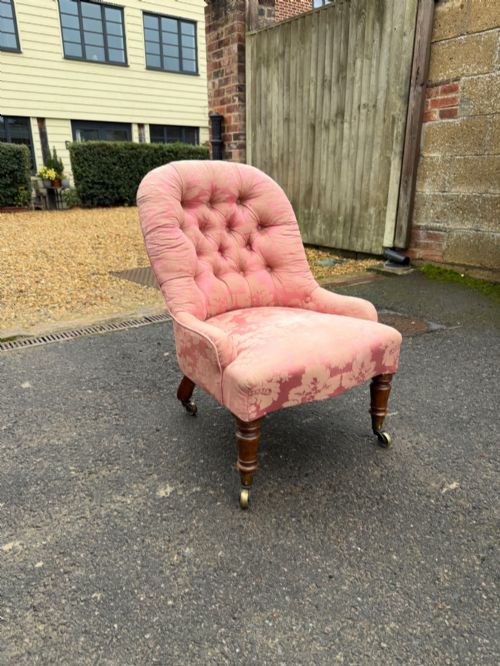
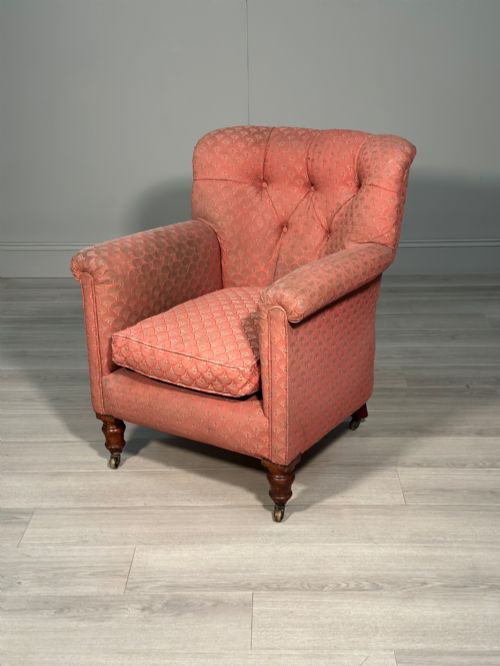
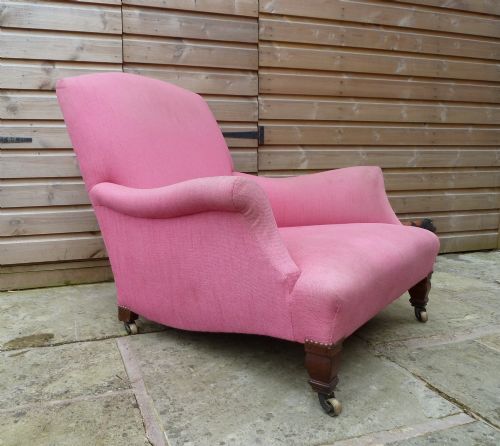
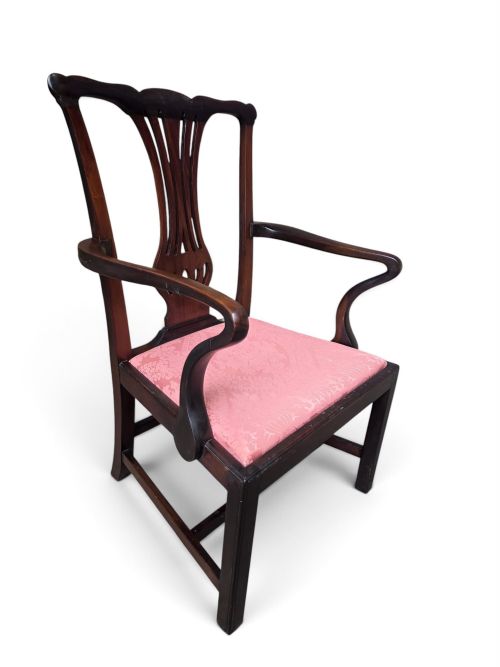
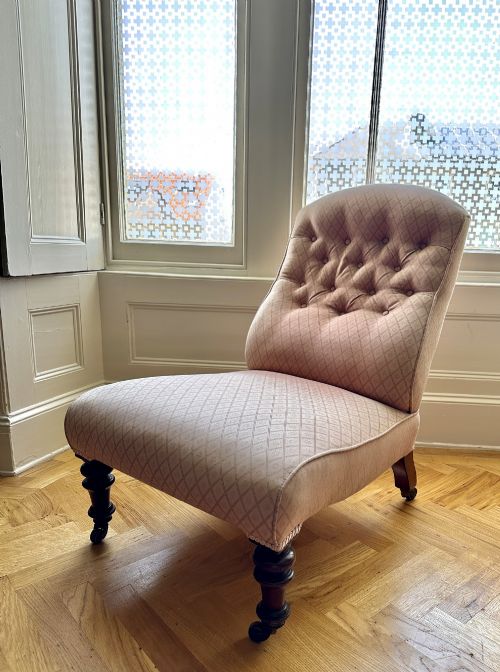
An edwardian pink armchair brings warmth and refined comfort to a room, combining period timber frames with soft textile upholstery.
Edwardian Pink Armchair
When searching for an edwardian pink armchair, buyers encounter comfortable seating originating primarily from the Edwardian period and the late nineteenth century. These chairs often feature velvet or fabric upholstery in pink tones, paired with exposed wooden frames.
The selection ranges from deep-seated easy chairs and wingbacks to occasional chairs and salon pieces. While some examples date directly to the Edwardian era, others stem from surrounding decades such as the Victorian period and the early twentieth century.
Form varies from simple open armchairs to substantial library chairs and reclining models. Many pieces reflect revival styles or bear the influence of notable makers like Howard and Sons.
Buyers will find that frames are constructed from traditional timbers including mahogany, walnut, teak, and satinwood. The combination of sturdy wood structures and soft textile coverings defines the aesthetic of these seats.
Markers of quality
Quality rests in the integrity of the timber frame and the precision of the joinery, whether dealing with simple open arms or complex reclining mechanisms. Finer examples display crisp carving, marquetry inlay, or satinwood veneers.
The execution of the upholstery work, from buttoning to fabric tension, determines how well a piece maintains its form and comfort. Original frames associated with known makers carry greater distinction.
Condition of the wood and the harmony between the frame and its textile covering dictate the overall standing of each chair.
Edwardian Pink Armchair Retail Price Guide 2026
Typical asking prices for edwardian pink armchair among the pieces listed under this phrase on Sellingantiques today, from the lower quarter to the upper quarter. They describe what is for sale here now, not the wider market.
Listings feature mahogany, walnut, teak, and satinwood frames upholstered in velvet and fabric.
Howard and Sons·Maple and Co
The Edwardian Pink Armchair Glossary
- Wingback armchair
- A seat featuring protective wings flanking the backrest to shield the sitter from draughts. These pieces often provide deep cushioning for comfort.
- Button back
- An upholstery technique where depressions are formed in the padding using secured buttons. This method creates a patterned, tufted surface.
- Marquetry
- Decorative woodwork where pieces of contrasting timber are fitted into a veneer to form patterns. It frequently adorns salon armchairs.
- Ball and claw
- A furniture foot design depicting a bird's talon clutching a ball. This detail appears on the legs of traditional easy chairs.
- Satinwood
- A durable hardwood with a lustrous yellowish grain used for fine cabinetry. It appears in inlaid decorative pieces.
Edwardian Pink Armchair: Frequently Asked Questions
What defines an edwardian pink armchair?
These chairs combine early twentieth-century timber frames with pink fabric or velvet upholstery. They encompass various forms including wingbacks, easy chairs, and salon seats.
They reflect the design sensibilities of the Edwardian era and surrounding decades, utilising materials like mahogany, walnut, and brass.
How do I care for velvet upholstery?
Velvet requires gentle brushing to maintain the pile and prevent crushing. Avoid placing the fabric in direct sunlight to protect the pink colour.
Professional cleaning is recommended for antique textiles to preserve the integrity of the material.
Are these chairs suitable for daily use?
Many styles, such as deep-seated easy chairs and library seats, were built for practical comfort. Their robust hardwood frames support regular sitting.
Selecting a piece with sound internal structure ensures it functions well in a modern living space.
How can I tell the period of a chair?
Dating relies on examining the timber species, construction methods, and stylistic cues. Edwardian pieces often show lighter woods and refined inlay compared to heavier Victorian designs.
Reference to maker signatures or specific design characteristics helps narrow down the decade of manufacture.