



Edwardian Photo Locket
An edwardian photo locket holds a miniature portrait close to the heart, combining sentiment with the delicate goldsmithing of the early twentieth century.
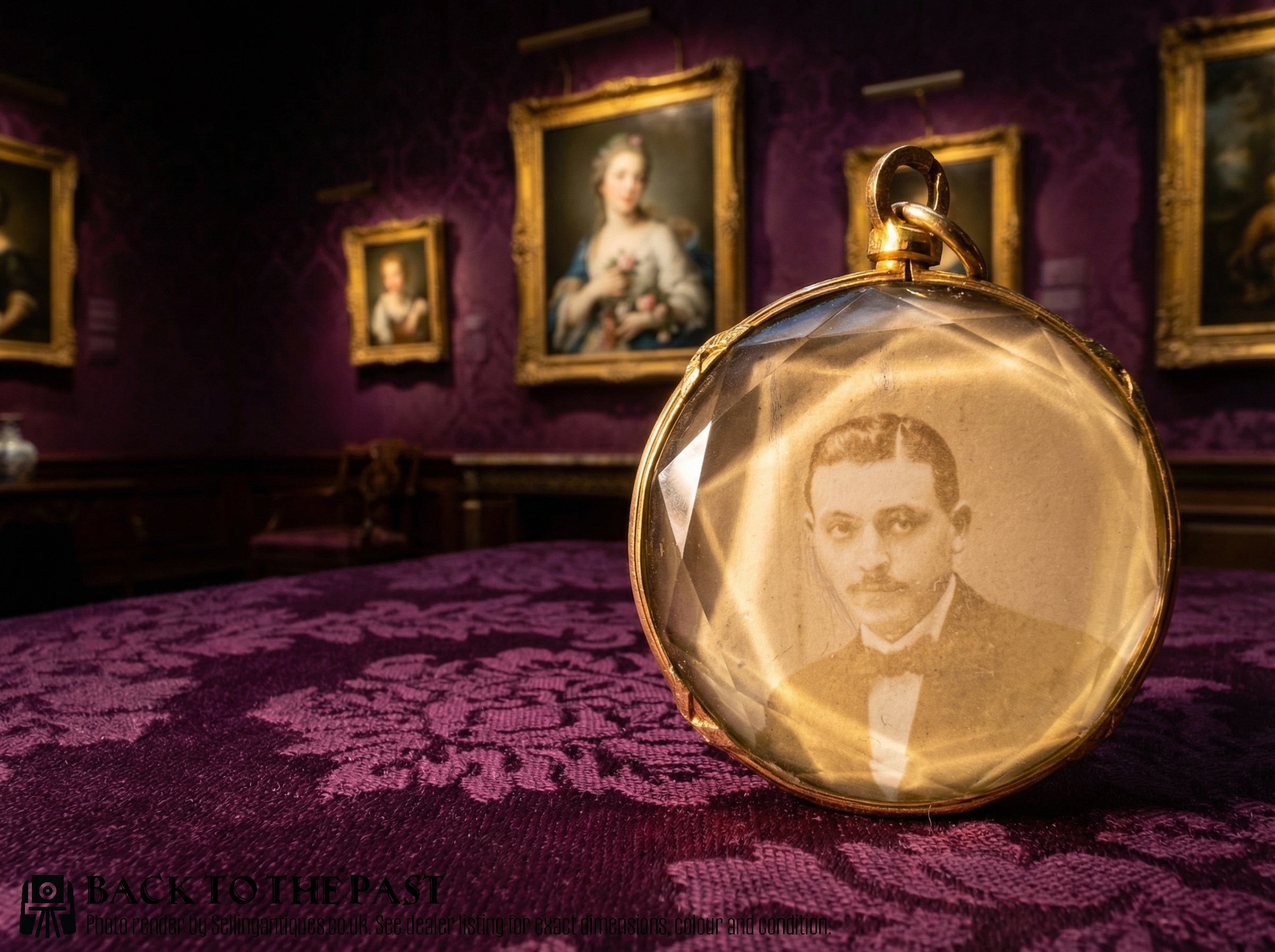
Edwardian Photo Locket
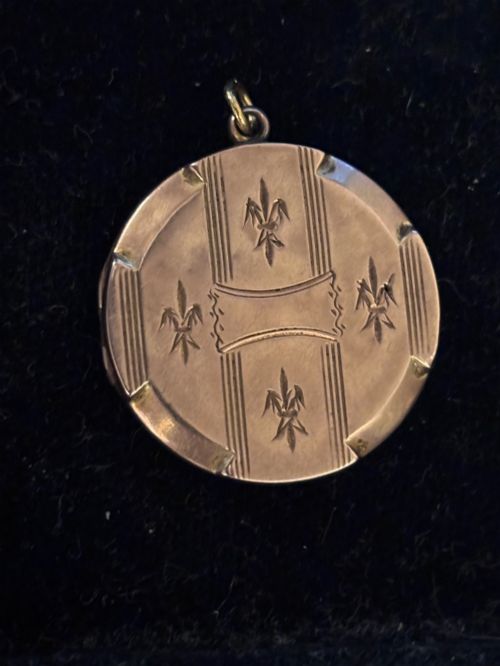
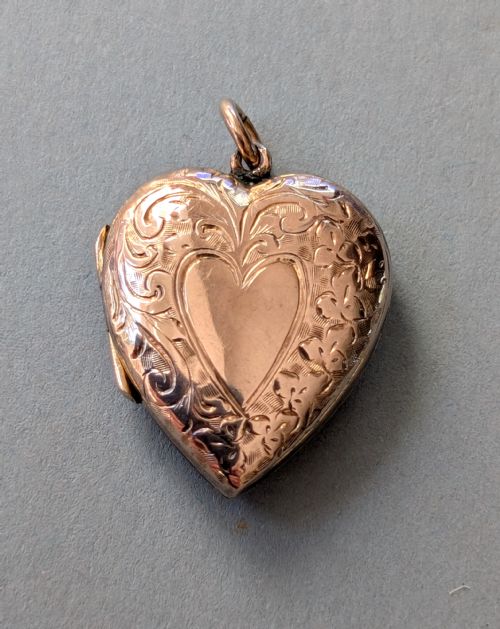
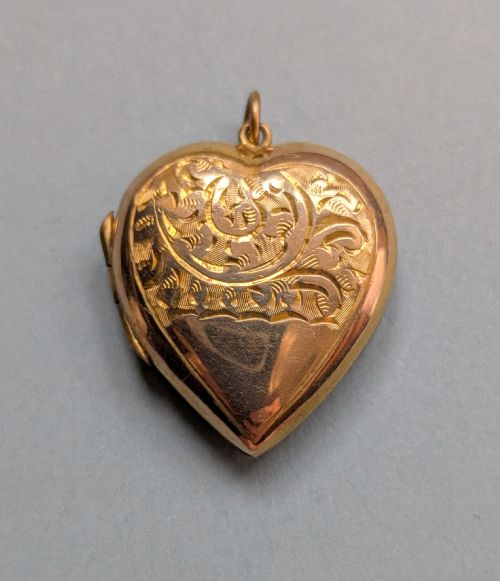
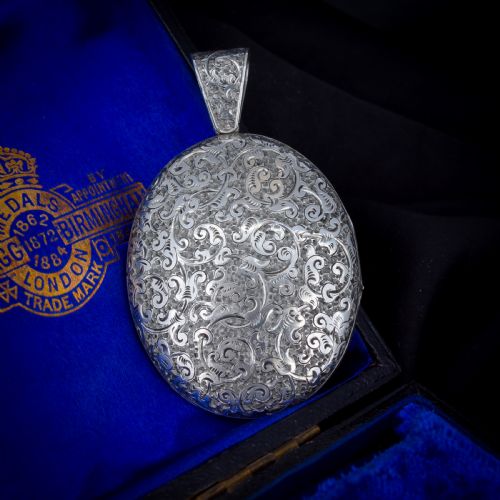
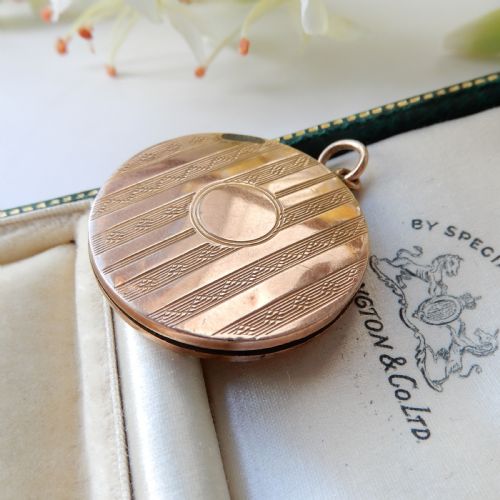
When you search for an edwardian photo locket, you encounter small hinged metal cases designed to hold miniature portraits or locks of hair. These pieces span periods from the Victorian era through the Edwardian years and into the mid-twentieth century, though the core of the selection centres on the early 1900s.
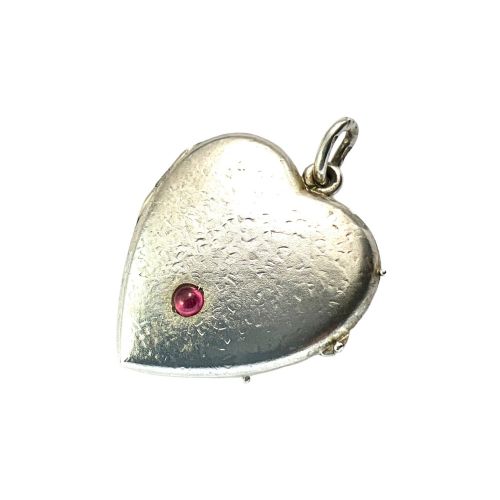
The forms vary from simple round and oval shapes to puffy hearts and intricate book-style picture lockets. You will frequently meet heart-shaped and circular designs, often suspended from matching chains or worn as independent pendants.
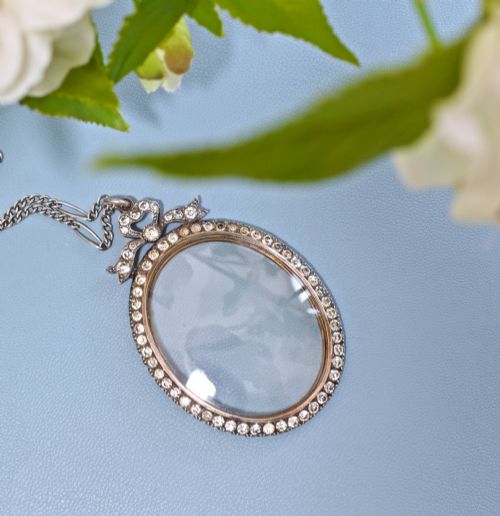
While many examples originate from British workshops, French pieces from the Belle Epoque and Art Nouveau periods also appear. These continental items often incorporate sunburst motifs, natural sapphires, rubies, and delicate filigree work.
Materials and construction
Gold forms the primary body of these pieces, ranging from nine-carat and fifteen-carat to eighteen-carat yellow and rose gold, alongside silver and rolled gold variations. Many items utilise a back-and-front construction where the exterior plates are gold over a supportive base metal core.
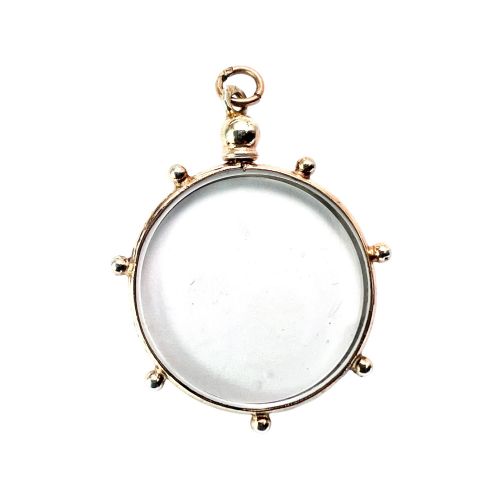
Goldsmiths decorated the surfaces using hand engravings, geometric chased patterns, and applied seed pearls, diamonds, and paste stones. Glass panels frequently appear on glass-top screw lockets and double-sided frames designed to display photographs clearly from both sides.
Materials documented across the pieces include nine-carat gold, fifteen-carat gold, eighteen-carat gold, silver, glass, diamonds, emeralds, and seed pearls.
Distinctions in quality
The division between standard production and superior work lies in the depth of engraving and the integrity of the hinge and snap closure. Finer examples maintain crisp floral, swallow, or bow motifs without softening from wear, and the internal frames snap shut securely.
Material composition also dictates the grade, as solid fifteen-carat and eighteen-carat gold pieces set with old-cut diamonds or natural sapphires represent higher workshop standards than rolled gold or simpler stamped metal versions.
B & F·Gallia
The Edwardian Photo Locket Glossary
- Back and front
- A construction method where the front and back plates of a locket are made of gold while the internal rims and structural elements utilise a base metal core. This technique provided the appearance and wear resistance of solid gold at a lower weight.
- Belle Epoque
- A period of refined decorative arts spanning the late nineteenth century to the First World War. Pieces from this era often feature platinum-topped gold, light openwork, and fine diamond or sapphire enrichment.
- Puff heart
- A locket formed from two domed plates joined together to create a three-dimensional heart shape. These puffy silhouettes offer internal depth for holding photographs or small mementos.
- Glass top
- A locket design featuring a transparent bezel rather than a solid metal cover, allowing the photograph inside to remain visible when the case is closed. Some versions utilise a threaded screw mechanism to secure the glass.
- Filigree
- An ornamental metalwork technique using fine twisted wires soldered together in open lace-like patterns. It appears frequently in silver and gold pieces from the Victorian and Edwardian periods.
Edwardian Photo Locket: Frequently Asked Questions
How do I open an edwardian photo locket?
Most pieces feature a small thumbnail notch along the side opposite the hinge. Applying gentle pressure with a fingernail or a thin tool will release the snap closure.
Older mechanisms can become stiff over time due to accumulated oils or age. Avoid forcing the edges apart with sharp metal implements, which can scratch the gold or silver surface.
Are these lockets suitable for everyday wear?
Solid gold and substantial silver pieces tolerate regular daily use if handled with care. The hinges and glass components require protection from heavy knocks and impacts.
Lighter back-and-front or rolled gold versions are thinner and benefit from occasional wear rather than continuous daily use.
How do I clean a gold locket?
Warm water with a mild soap solution and a soft cloth will remove ordinary surface dirt. Dry the piece thoroughly with a lint-free cloth immediately after washing.
Take care around glass-top panels and set stones like seed pearls or emeralds, as harsh chemical dips or ultrasonic cleaners can cause lasting damage.