
Edwardian Pearl Pendant Necklace
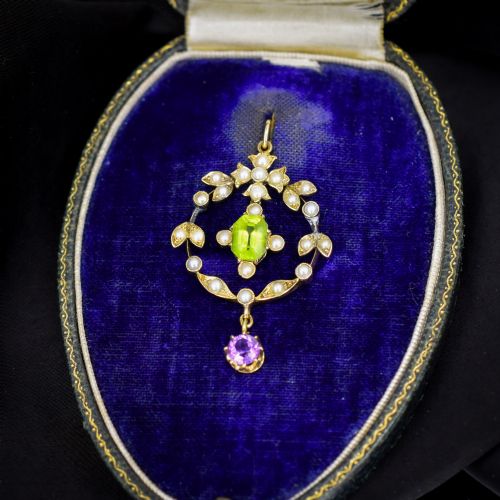
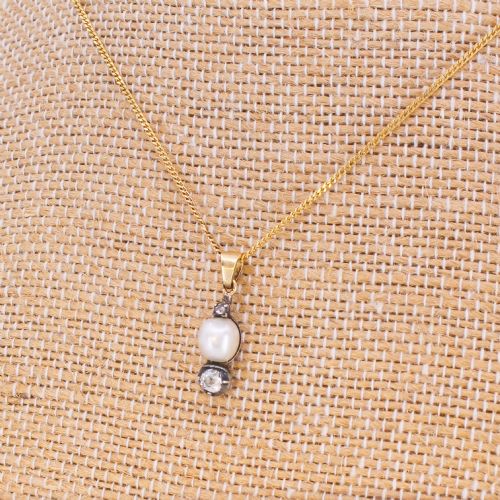
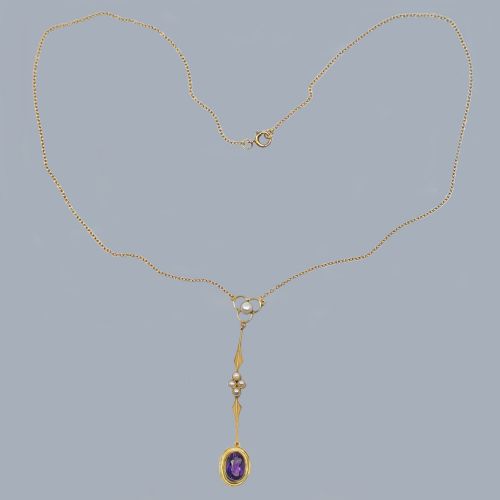
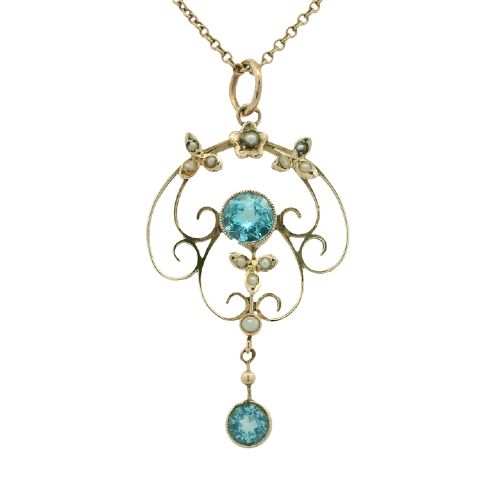
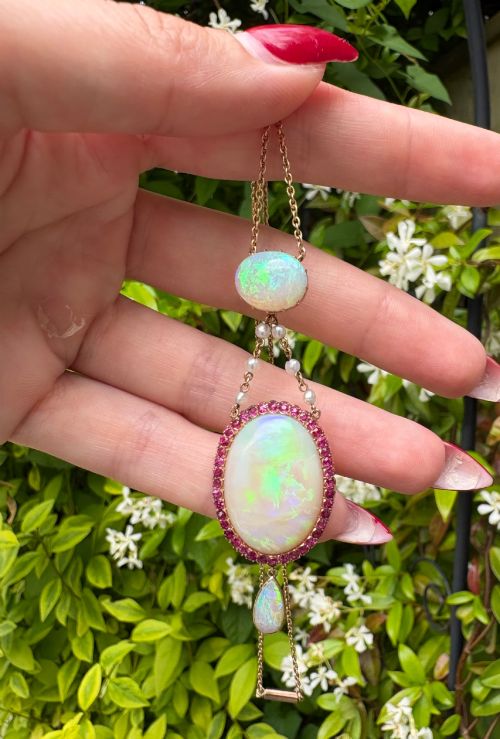
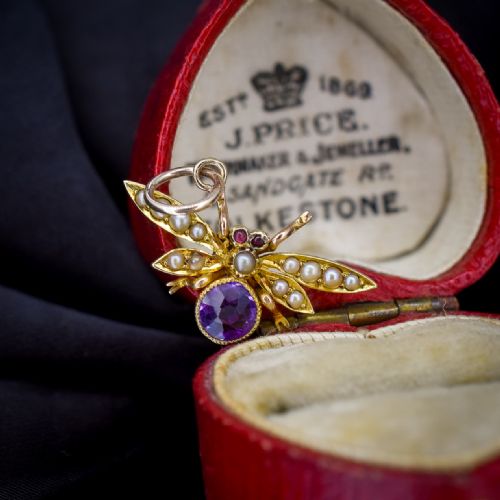
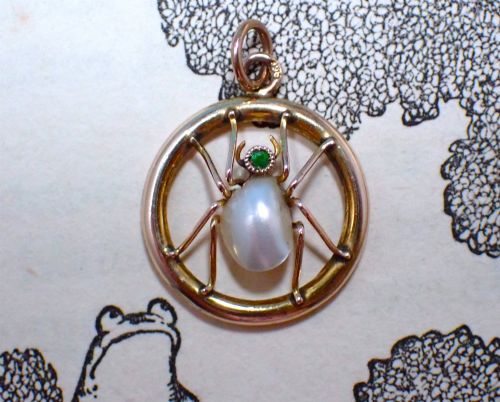
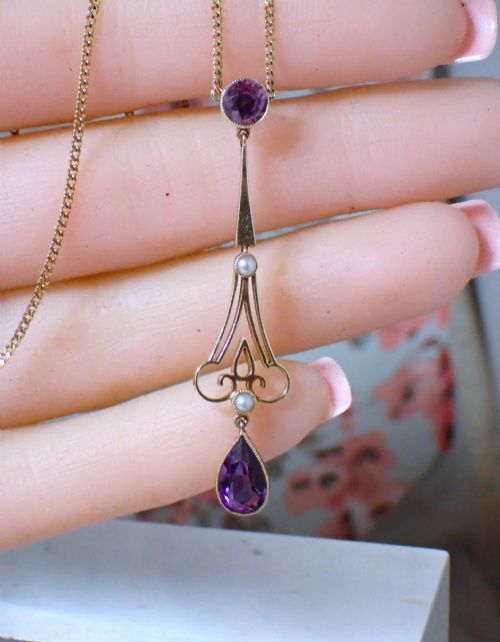
These pieces combine delicate goldwork and luminous gems into the quintessential edwardian pearl pendant necklace, bringing refined early twentieth-century elegance to any collection.
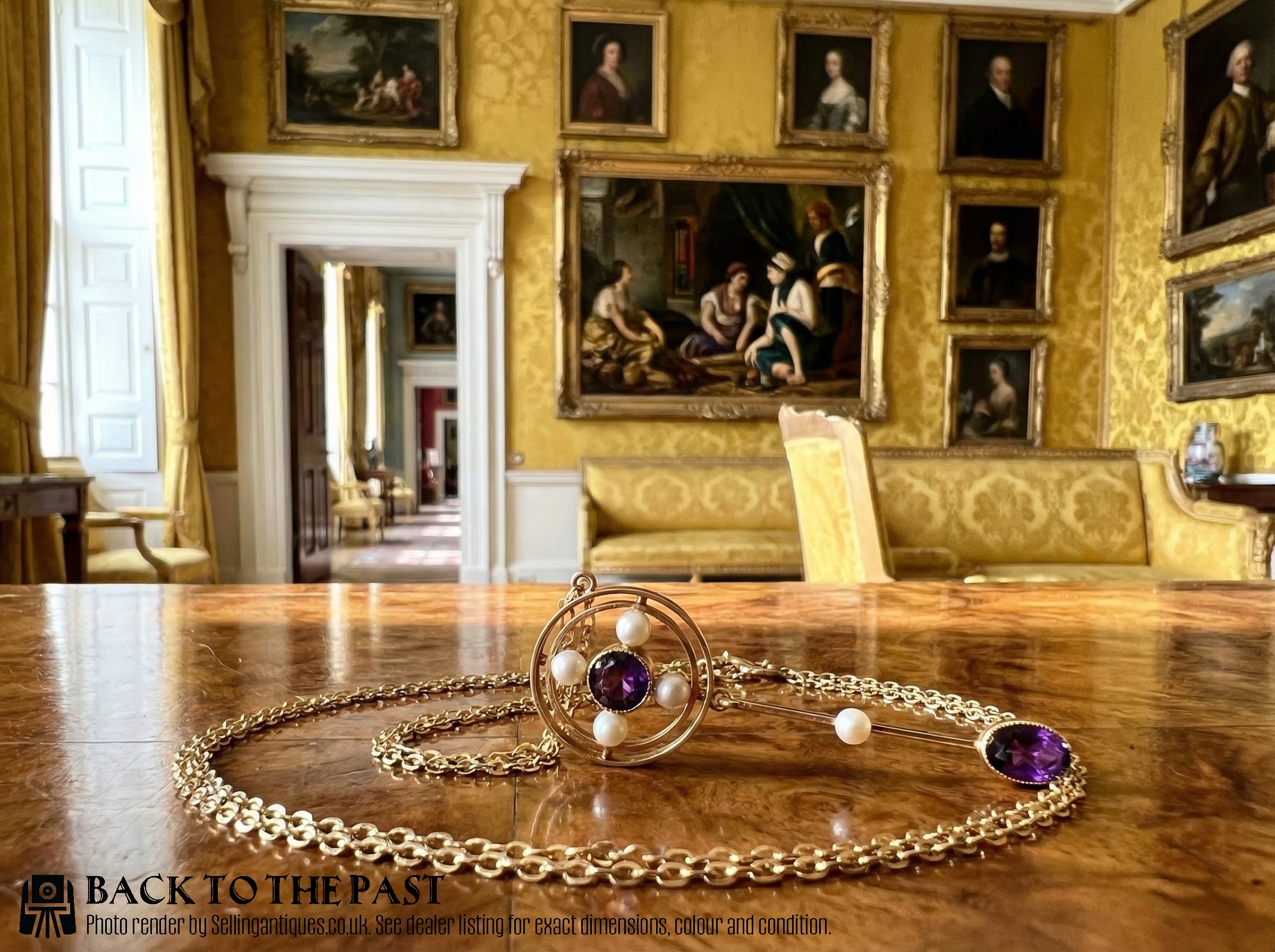
Edwardian Pearl Pendant Necklace
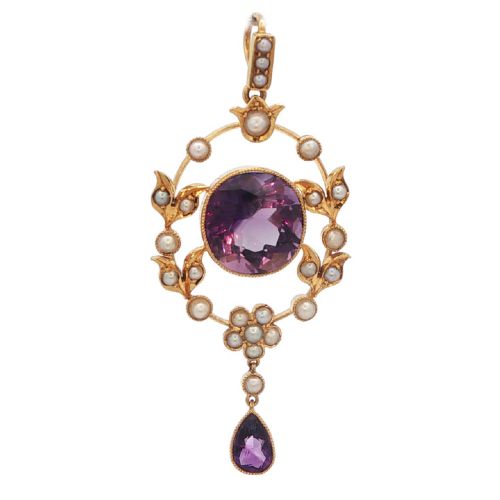
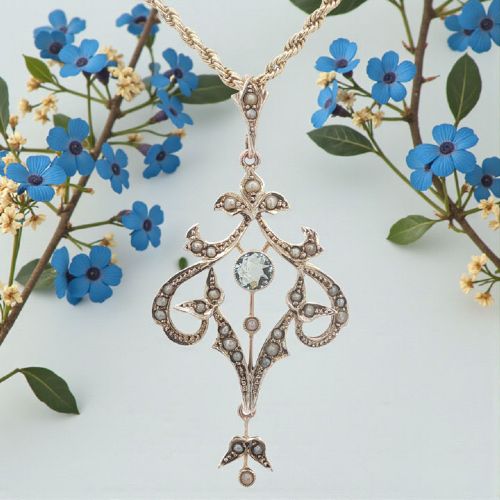
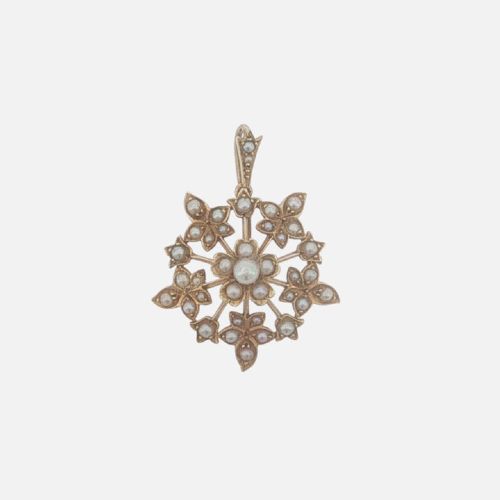
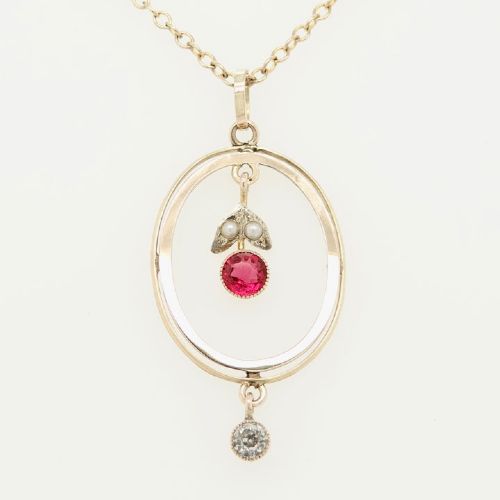
When searching for an edwardian pearl pendant necklace, buyers encounter delicate handcrafted jewellery primarily originating from the early twentieth century and the broader Edwardian era. These pieces frequently incorporate flowing asymmetrical lines typical of Art Nouveau alongside traditional floral or geometric motifs.
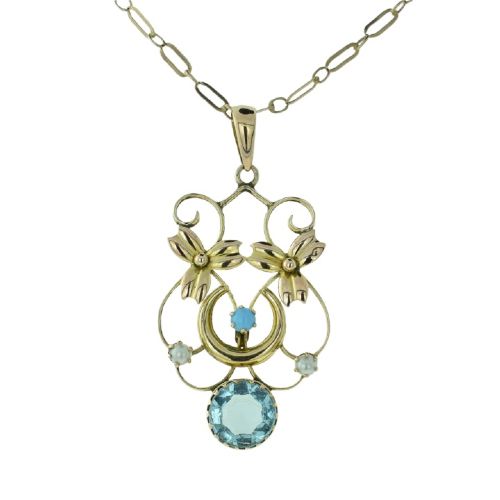
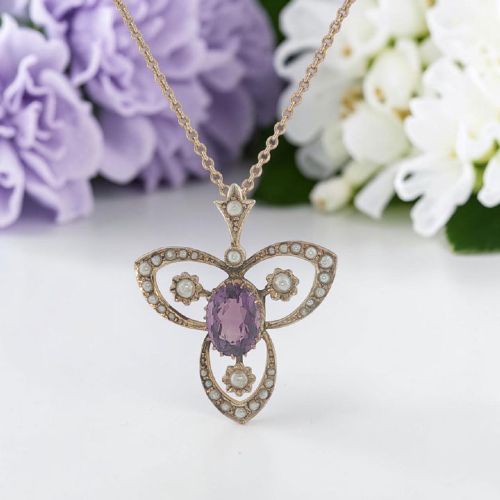
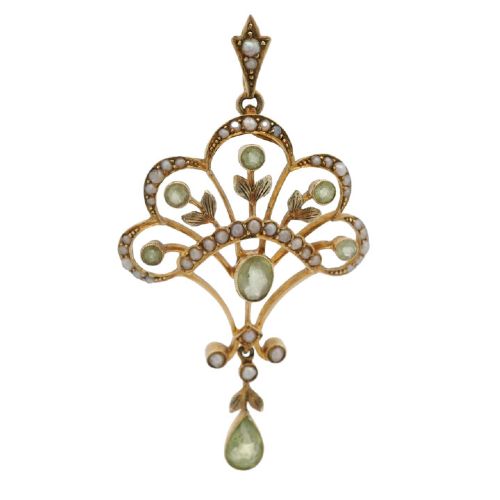
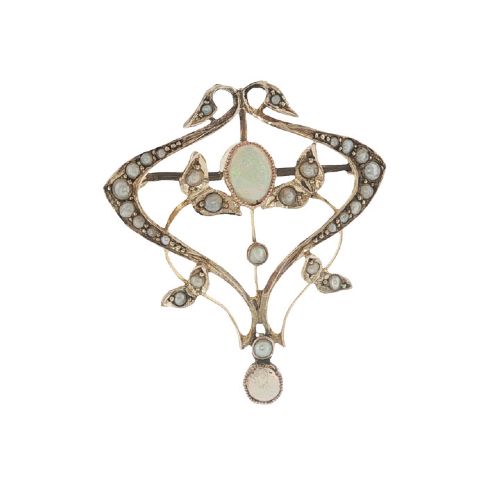
The selections available range from simple seed pearl drops to elaborate lavaliers set with coloured gemstones like amethyst, peridot and aquamarine. Formats vary from vertical bar drops to intricate openwork frames suspended on fine gold chains.
How They Were Made
Goldsmiths constructed these pendants using nine-carat and fifteen-carat yellow or rose gold, occasionally mounting elements in platinum for enhanced strength around diamonds. Seed pearls were meticulously hand-strung or half-drilled and secured onto tiny pins within the gold framework.
Lapidaries shaped amethysts, peridots, aquamarines and tourmalines into oval, pear or faceted cuts to catch the light beneath suspended pearl drops. Artisans also utilised plique-à-jour and standard enamel to add translucent blocks of colour to the metal frames.
Amethyst, peridot and aquamarine emerge as the most frequent gemstone pairings accompanying seed pearls in these pendant designs.
What Varies In Quality
The standard of craftsmanship is visible in the precision of the openwork metal framing and the uniformity of the seed pearls used. Superior examples display secure stone settings and balanced proportions where subordinate drops articulate fluidly without stiffness.
The choice of accompanying gemstones significantly influences the character of each pendant, with clean, deeply coloured aquamarines and amethysts paired with well-matched natural pearls commanding greater distinction than common paste replacements.
S. Blanckensee & Son·Archibald Knox·Liberty & Co·Murrle Bennett
The Edwardian Pearl Pendant Necklace Glossary
- Seed Pearl
- Tiny, naturally formed pearls measuring under two millimetres, frequently used en masse to create delicate textured borders and floral clusters. They define the signature look of Edwardian drop jewellery.
- Lavalier
- A pendant featuring a primary gemstone or motif with one or more smaller drops hanging loosely beneath it. This swinging format gained immense popularity during the early twentieth century.
- Plique-a-jour
- An enamelling technique where the enamel is applied without a backing metal, creating a translucent stained-glass effect. It resembles miniature cloisonné but allows light to pass directly through the design.
- Art Nouveau
- A design style characterised by sinuous organic lines, whip-lash curves, and motifs inspired by plants and insects. It heavily influenced the asymmetrical layouts of pendants from this period.
- Carat
- A unit measuring the purity of gold used in the mountings, with nine-carat and fifteen-carat alloys appearing most frequently in these items. Higher carats indicate a greater proportion of pure gold within the metal.
Edwardian Pearl Pendant Necklace: Frequently Asked Questions
What is an edwardian pearl pendant necklace?
It is a piece of fine jewellery from the early nineteen hundreds featuring pearls combined with gold and gemstones.
These necklaces often showcase intricate openwork frames and delicate drops designed to sit centrally on the collarbone.
How do I care for my antique pearl necklace?
Pearls are organic gems that require gentle handling and should be kept away from harsh chemicals, perfumes and cosmetics.
Store them separately in a soft pouch to prevent the delicate gold chains and seed pearls from tangling or scratching.
What distinguishes Edwardian jewellery from Victorian pieces?
Edwardian designs generally feature lighter, more ethereal settings in yellow gold and platinum compared to the heavier styling of earlier periods.
The inclusion of flowing botanical motifs and brighter transparent gems defines the shift towards the twentieth century.