

Edwardian Pearl Chain
An edwardian pearl chain offers the delicate craftsmanship of the early twentieth century, combining luminous pearls with precious metals to wear close to the skin.
Edwardian Pearl Chain
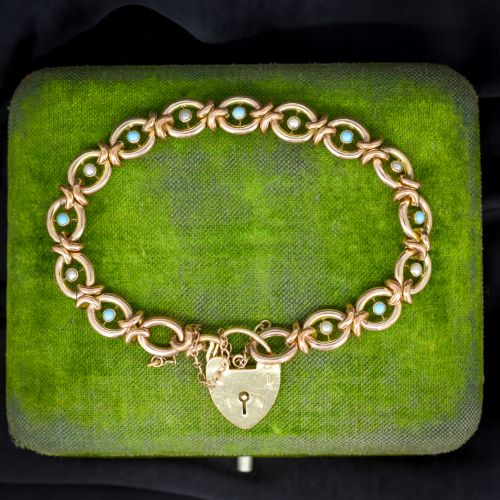
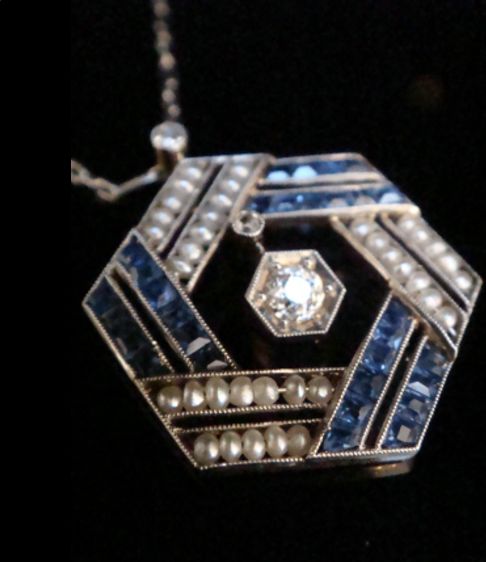
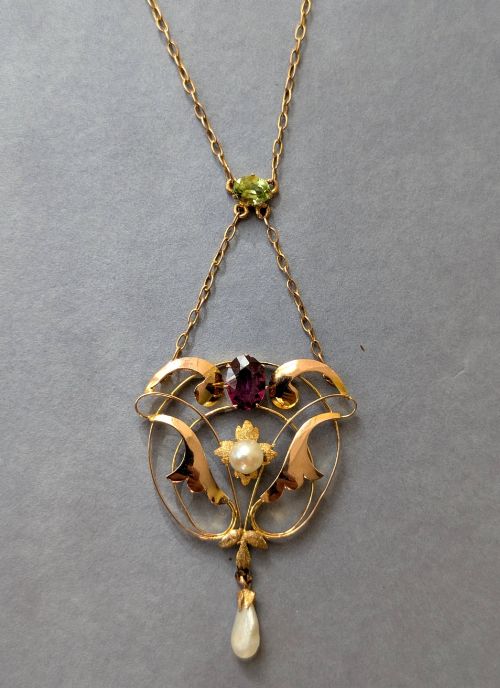
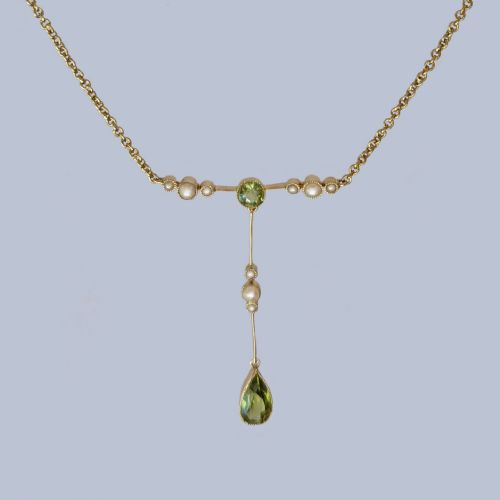
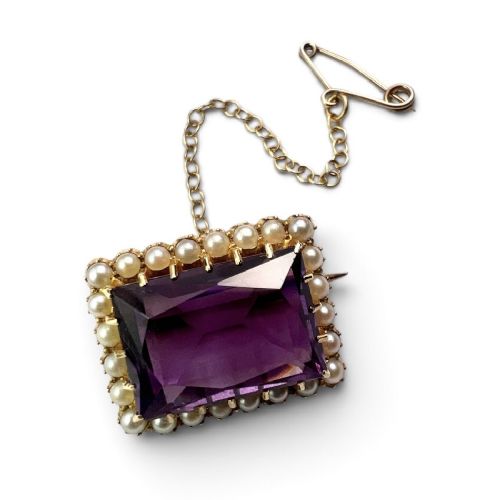
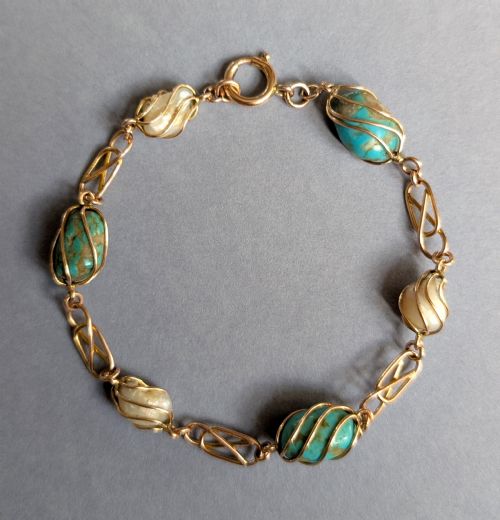
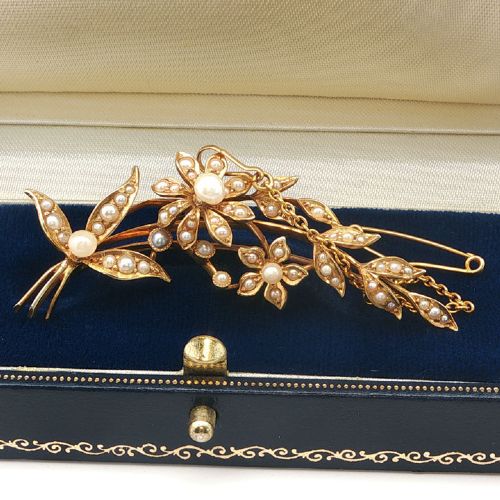
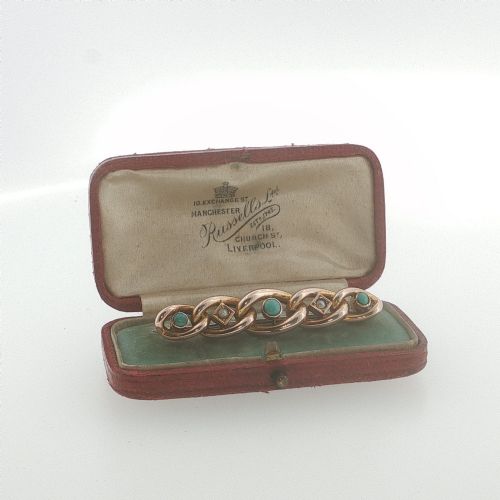
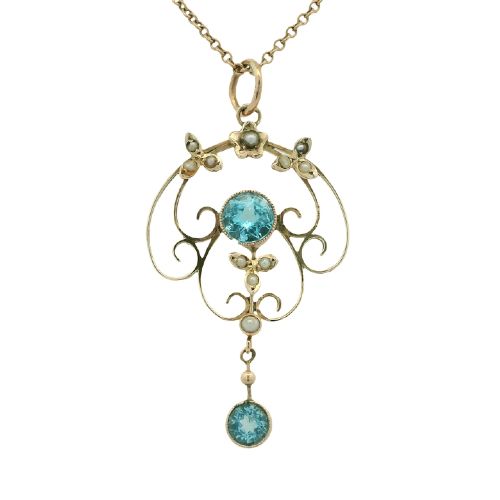
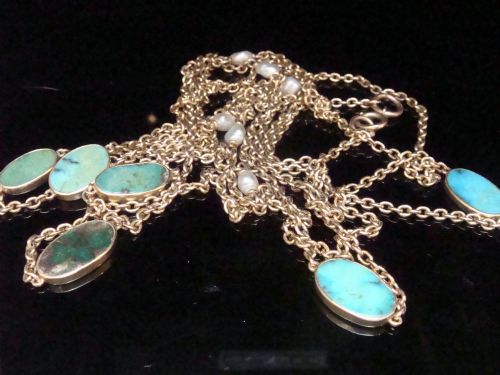
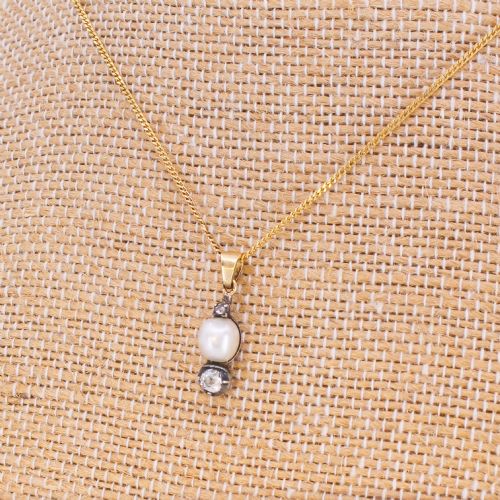
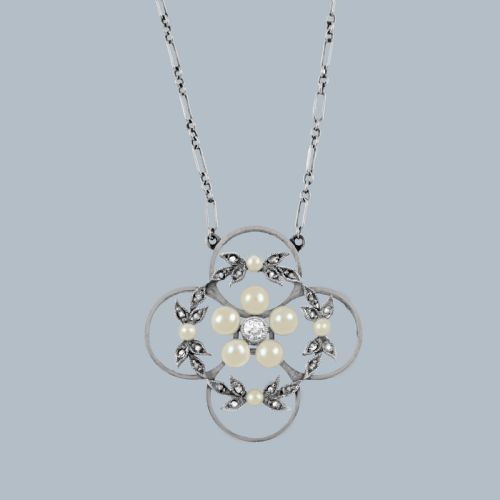
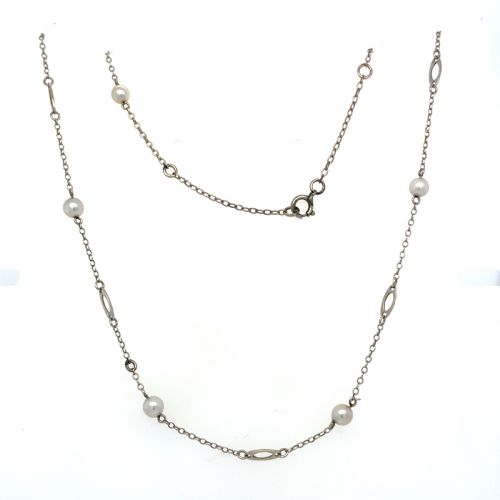
An edwardian pearl chain spans delicate necklaces, longuards, and pendants originating primarily from the Edwardian period and adjacent early decades, alongside occasional Victorian and later pieces. These items bring together fine metalwork and lustrous pearls, frequently joined by gemstones such as peridot, amethyst, turquoise, and diamond.
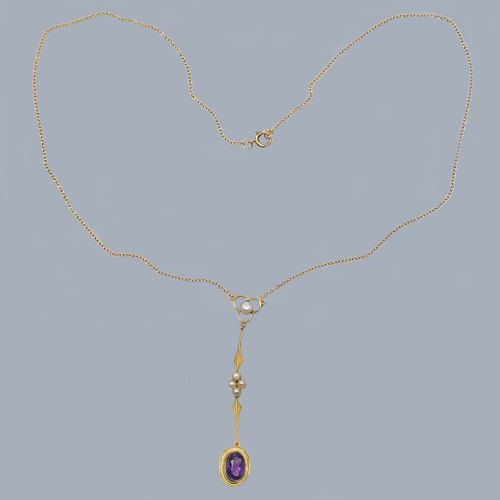
The versions most commonly met on this page combine fine gold or platinum links with seed pearls or natural saltwater pearls, sometimes arranged as lavalieres or garland necklaces. Makers of the time utilised stylistic touches from Art Nouveau and Art Deco movements, creating pieces designed for versatility and grace.
The listings reflect a rich variety of forms, from simple neck chains to complex pendant combinations involving opals, garnets, and aquamarines. Such variety demonstrates the broad scope of wearable jewellery produced during the era.
Materials and Technique in Early Jewellery
The construction of these pieces relies heavily on 15ct gold, 9ct rose or yellow gold, and platinum, providing a durable yet refined framework for the pearls. Metalworking techniques of the period include fine wirework, collet settings, and detailed gallery work that secure gemstones without overwhelming the design.
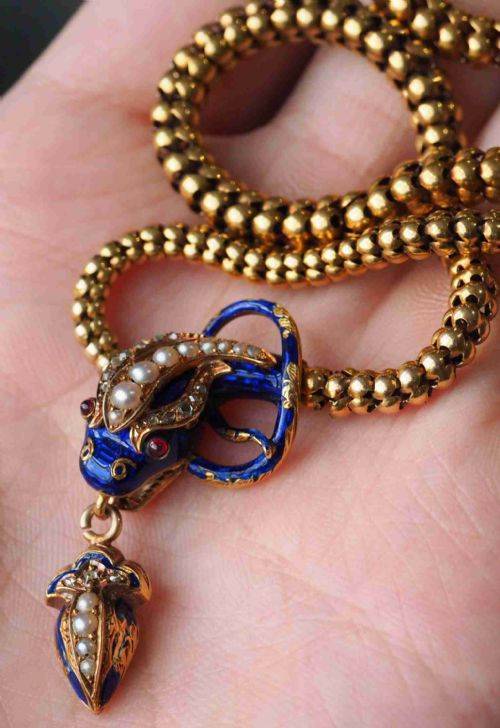
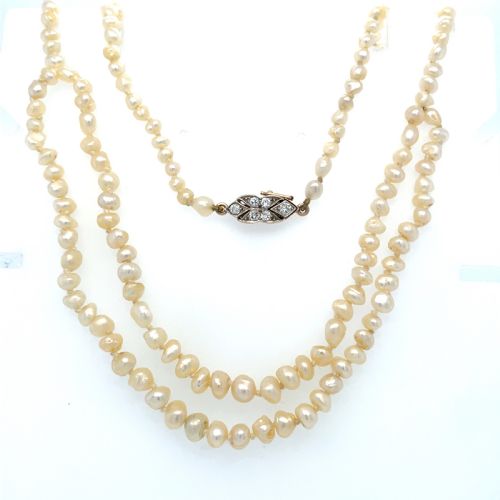
Pearls used in these chains range from tiny seed pearls to certified natural saltwater specimens, often drilled and strung meticulously or set into gold and platinum mountings. Additional materials like diamonds, enamel, and rock crystal are integrated using traditional hand-tooling methods common to early workshops.
Edwardian Pearl Chain Retail Price Guide 2026
Typical asking prices for edwardian pearl chain among the pieces listed under this phrase on Sellingantiques today, from the lower quarter to the upper quarter. They describe what is for sale here now, not the wider market.
Materials featured across the inventory include pearls, diamonds, 15ct gold, platinum, amethyst, turquoise, and rock crystal.
Distinctions in Quality and Execution
The upper tier of these pieces displays superior harmony between the metal mounts and the pearls, where platinum or high-carat gold frames enhance the lustre of natural saltwater specimens. Artisans working at a higher level achieved seamless integration of intricate design elements like garland swags and enamel details.
Simpler examples rely on lower carat gold or seed pearls, focusing on functional charm rather than complex gem-setting. Quality ultimately rests on the precision of the assembly and the inherent grade of the pearls and supplementary stones employed.
The Edwardian Pearl Chain Glossary
- Seed pearl
- A very small, naturally formed pearl, often round or slightly irregular, used extensively in clusters and delicate linear arrangements. These tiny gems provide a subtle texture characteristic of period jewellery.
- Longuard chain
- A long necklace designed to be worn draped in loops or attached to a watch, offering multiple styling possibilities. These substantial chains often feature sliding mechanisms or decorative stations.
- Lavalier
- A pendant necklace featuring a central drop stone suspended from a shorter chain or neckpiece. This graceful Art Nouveau style places emphasis on vertical movement.
- Garland style
- An ornate design aesthetic popular in the Edwardian era, mimicking swags of ribbons, flowers, and lace using platinum and diamonds. This technique creates a light, fabric-like appearance in hard metal.
- Saltwater pearl
- A pearl formed naturally within marine oysters, prized for a distinctive orient and deep lustre. These organic gems form the centrepiece of finer period necklaces.
Edwardian Pearl Chain: Frequently Asked Questions
How do I wear a longuard chain?
A longuard chain can be doubled around the neck or worn as a single long strand, depending on your preferred look. Many people attach pendants or lockets to the built-in swivel clasps for added versatility.
Ensure the clasp mechanism moves smoothly before wearing heavier items. Storing the chain flat when not in use prevents knots and undue tension on the delicate links.
How do I care for antique pearls?
Antique pearls require gentle cleaning with a soft, damp cloth after wearing to remove oils and cosmetic residues. Avoid soaking them in water or using harsh chemical cleaners that can degrade the silk thread.
Store pearls separately from harder gemstones to prevent scratching their delicate nacre surface. Periodic restringing by a specialist ensures the safety of the piece.
What defines Edwardian jewellery style?
Edwardian jewellery is characterised by light, airy designs executed in platinum and gold, often incorporating lace-like motifs. The introduction of platinum allowed jewellers to create strong yet nearly invisible settings for diamonds and pearls.
Flowing curves inspired by the Art Nouveau movement frequently blend with symmetrical garland patterns. This combination gives the pieces their distinctive ethereal elegance.
Are these pearls natural?
Many pearls from this era are natural saltwater or seed pearls formed organically without modern cultured intervention. Certifications accompanying certain pieces verify their natural origin.
Examining the drill holes and surface lustre under magnification helps reveal their authentic nature. Each pearl carries unique variations in shape and orient.