

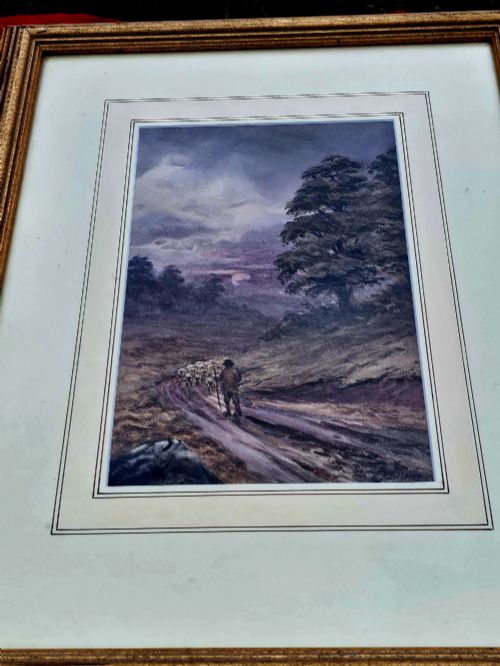
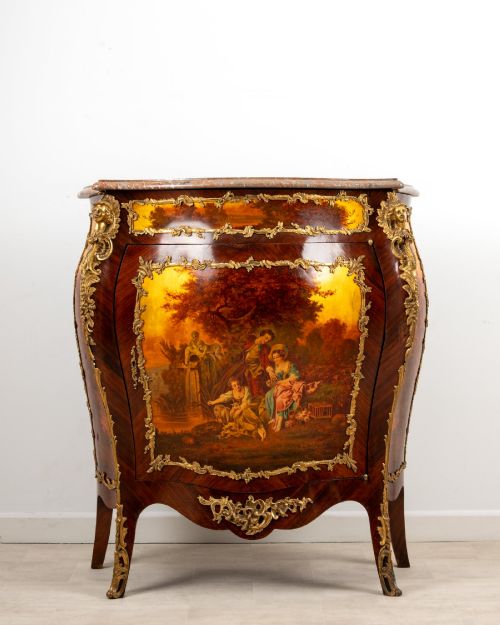
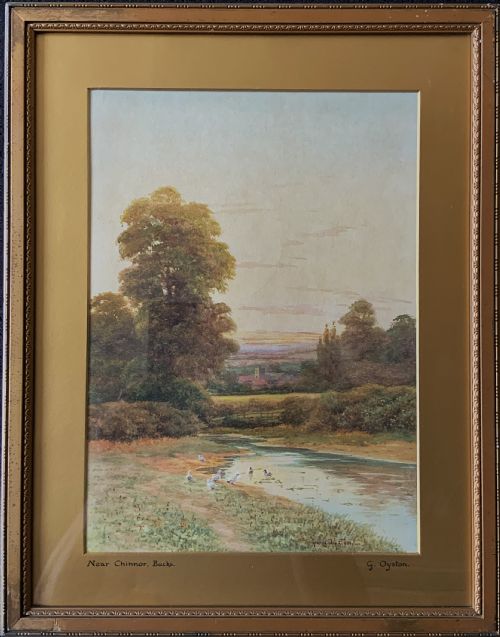
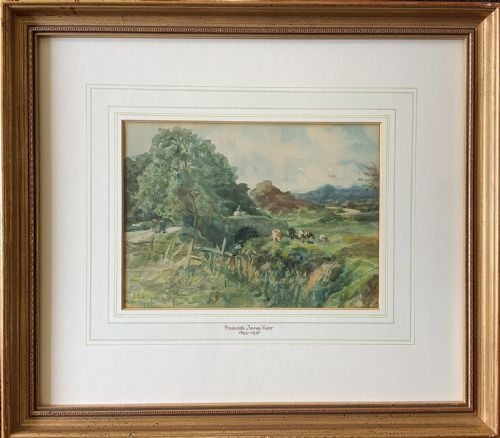




Edwardian Pastoral Landscape Painting
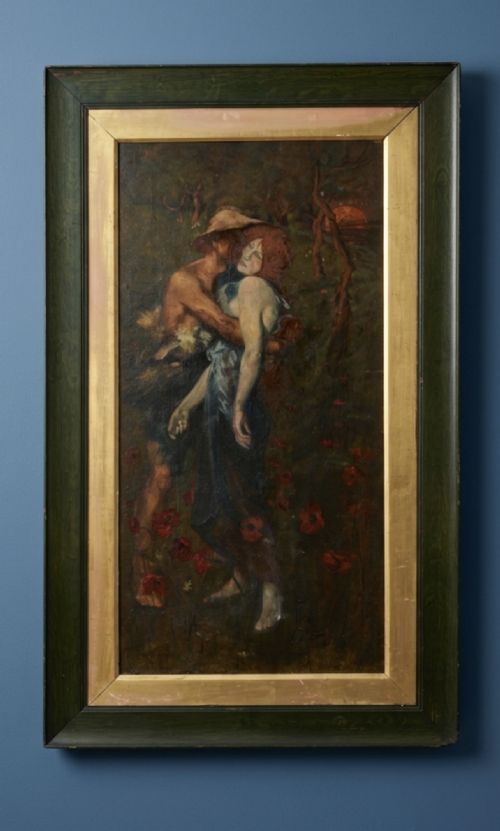
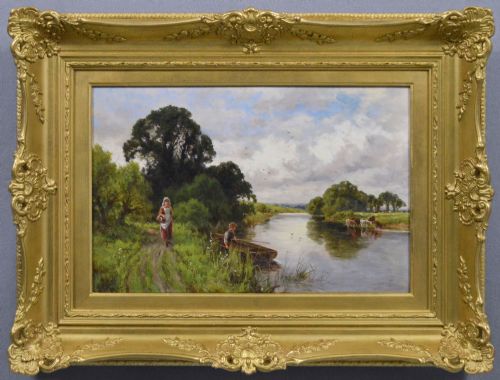
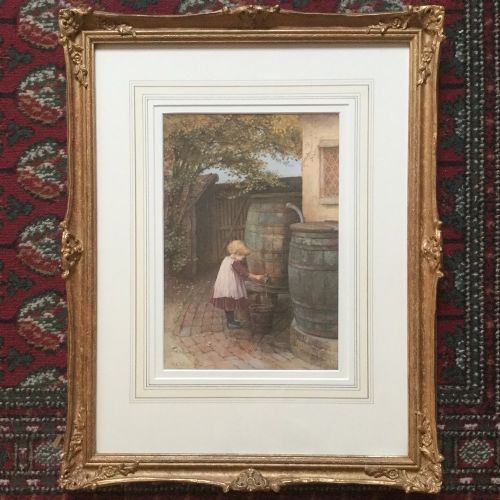
When you search for an edwardian pastoral landscape painting, you find framed works capturing rural scenes of cattle, sheep, and river valleys.
Edwardian Pastoral Landscape Painting
An edwardian pastoral landscape painting typically portrays rural British countryside scenes, featuring agricultural life, farm animals, and figures working the land. These works often depict rivers, cottages, and pastures under natural daylight.
The versions most commonly met on this page include watercolours and oil paintings on canvas or paper. They emerge from periods spanning the late nineteenth century through to the early decades of the twentieth century.
Makers and artists of these works frequently captured specific regional views across England, Wales, and Ireland. The compositions focus heavily on tranquil rural settings, livestock such as cattle and sheep, and traditional farming labour.
Materials and technique
Artists relied primarily on oil paint applied to canvas or wood panels, alongside watercolour pigment worked onto paper. These mediums allowed painters to build up layered textures for foliage, water, and skies.
Canvasses and watercolours were frequently housed in original period frames constructed from wood and glass. The application of pigment ranged from tight, detailed brushwork to looser impressionistic strokes capturing atmospheric evening or morning light.
Listings feature works created across several decades, using canvas, paper, and wood alongside oil paint and watercolour pigment.
Separating the fine from the ordinary
Quality in these rural scenes rests upon the artist's handling of light, atmosphere, and anatomical proportion in animals and figures. Stronger examples display confident brushwork and a balanced composition that draws the viewer into the countryside setting.
The preservation of the original medium, whether oil on canvas or watercolour on paper, alongside a well-preserved period frame, influences the overall integrity of the piece.
William H Myers·George Oyston·Frederick James Kerr·John Emms·Owen Bowen·Philip Richard Morris·Oswald Garside·Henry Charles Fox·John Sanderson Wells·James William Booth·Ernest Pile Bucknall·William Sydney Cooper·Frederick W Jackson·John Atkinson·Walter J Watson·Alfred Grey·Ernest Higgins Rigg·George Soper·Harold Lawes·Lorenzo Headley·William Greaves·Arthur Winter Shaw·Henry H Parker·Harry Sylvester Stannard·Robert Hollands Walker
The Edwardian Pastoral Landscape Painting Glossary
- Pastoral
- A genre of art depicting rural life, shepherds, and agricultural scenes in an idealized or naturalistic countryside setting. It often emphasises quiet domestic harmony and agricultural labour.
- Watercolour
- A painting method in which the paints are made of pigments suspended in a water-based solution. The medium relies on the white of the paper to create luminous effects.
- Canvas
- A closely woven heavy fabric used as a surface for oil painting. It is typically stretched across a wooden frame before application of the ground and pigment.
- Impressionism
- An art style characterised by relatively small, thin yet visible brush strokes and an open composition. It emphasises accurate depiction of light in its changing qualities.
Edwardian Pastoral Landscape Painting: Frequently Asked Questions
What subjects appear in these paintings?
The works predominantly feature rural British countryside views, including rivers, farms, and thatched cottages. Livestock such as cattle, sheep, and horses frequently populate the foreground alongside farm workers.
Artists often set these scenes during specific times of day, such as morning or evening light, capturing hay cutting, ploughing, and herding activities.
How do I care for a watercolour painting?
Watercolour pigments on paper require protection from direct sunlight to prevent fading of the colours. Keeping them behind glass in a stable environment avoids moisture damage.
Displaying them away from direct heat sources helps preserve both the paper support and the original frame.
How are oil paintings on canvas constructed?
Oil paintings utilise pigments mixed with drying oils applied to a stretched woven canvas surface. This technique allows for rich colour blending and textured brushwork that endures over time.
Many of these works remain in their original wooden frames, which complement the depth of the oil medium.
How do I distinguish between watercolours and oil paintings?
Watercolours are painted on paper under glass, showing translucent washes of pigment where the paper texture remains visible. They often present a lighter, more delicate surface.
Oil paintings use thicker, opaque pigments on canvas or wood, creating textured surfaces that do not require glass for everyday protection.