

Edwardian Parlor Table
An edwardian parlor table provides a versatile surface for display and tea, reflecting the refined domestic interiors of the early twentieth century.
Edwardian Parlor Table
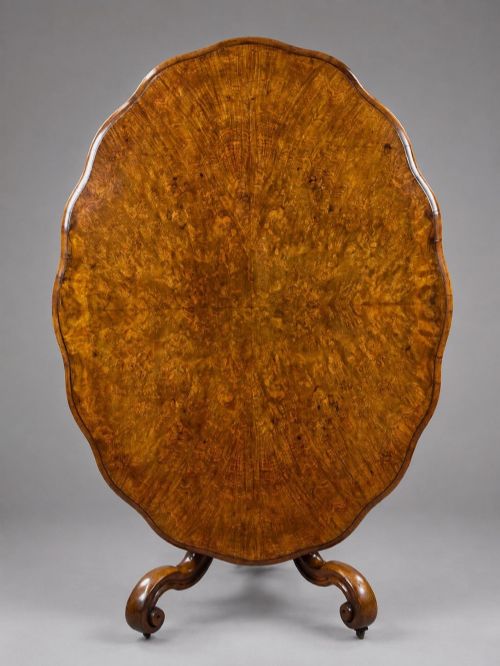
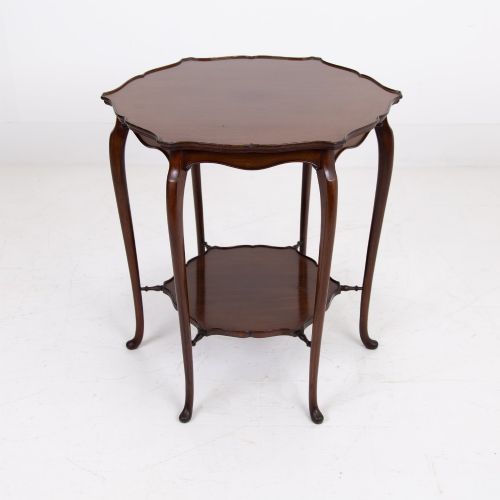
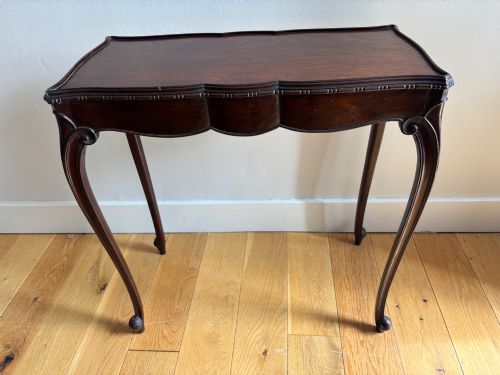
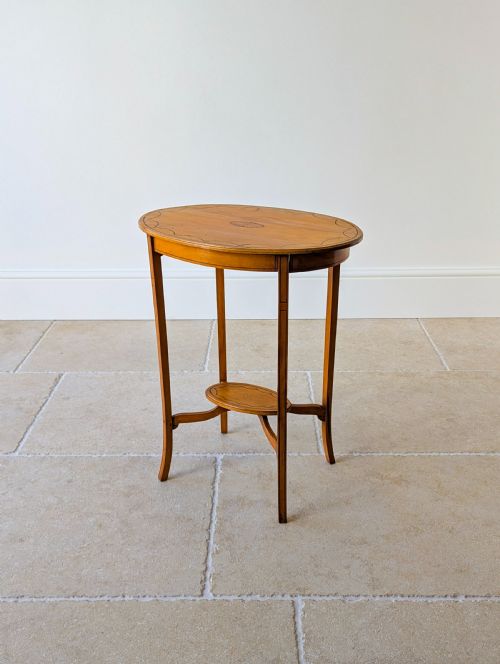
An edwardian parlor table typically takes the form of an occasional, side, or centre table designed for drawing rooms and sitting spaces. These pieces emerge predominantly from the Edwardian era, alongside related Victorian and nineteenth-century examples that share similar domestic functions.
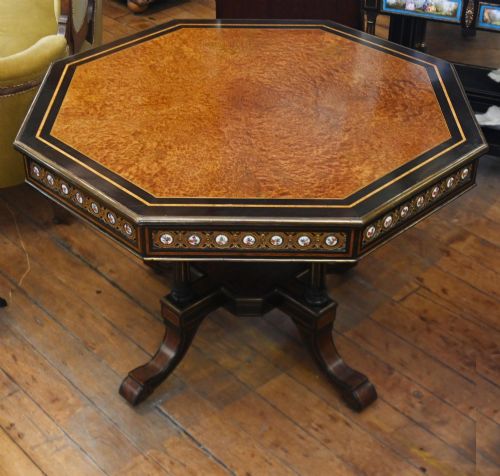
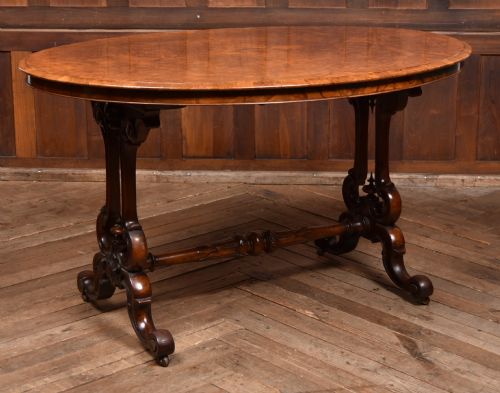
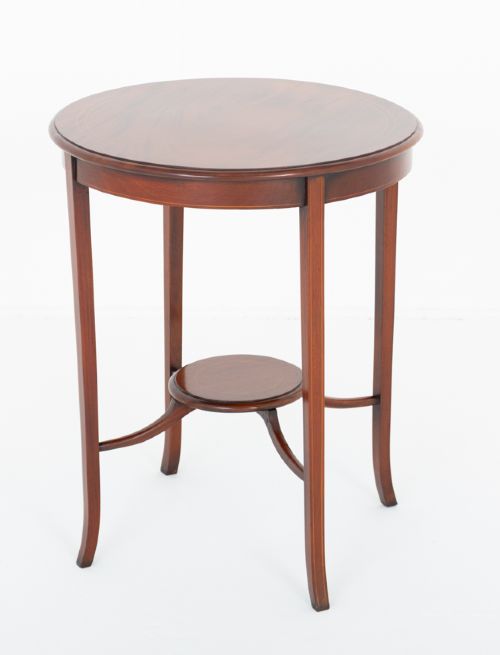
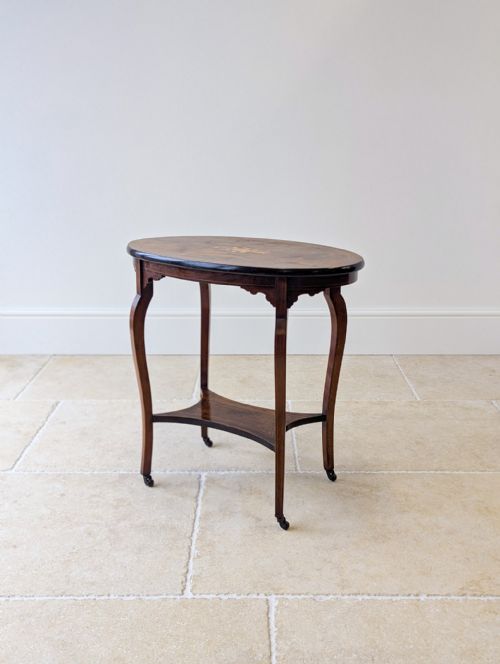
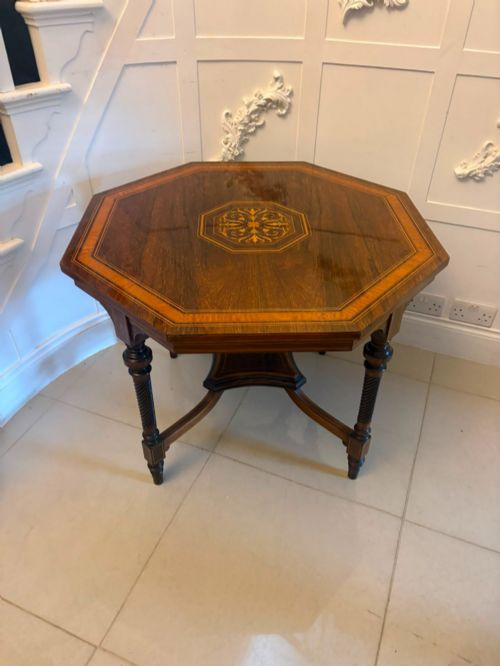
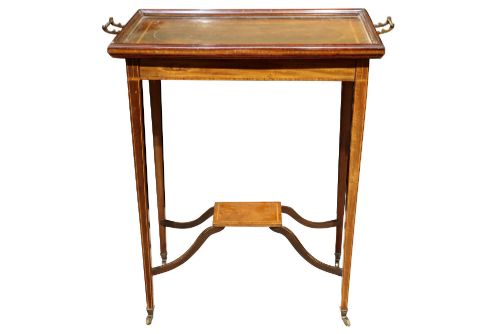
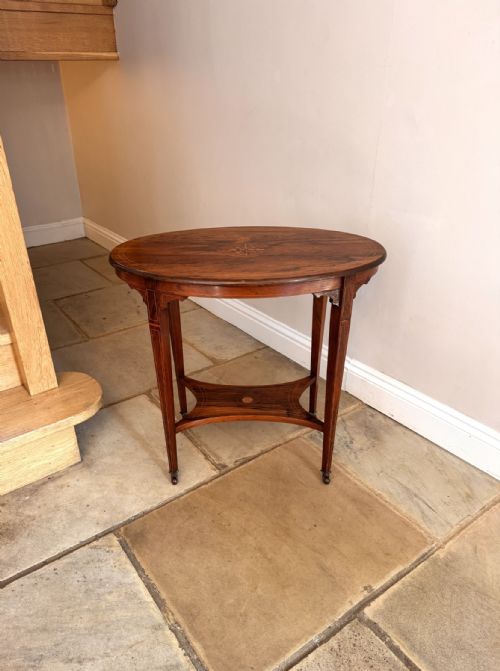
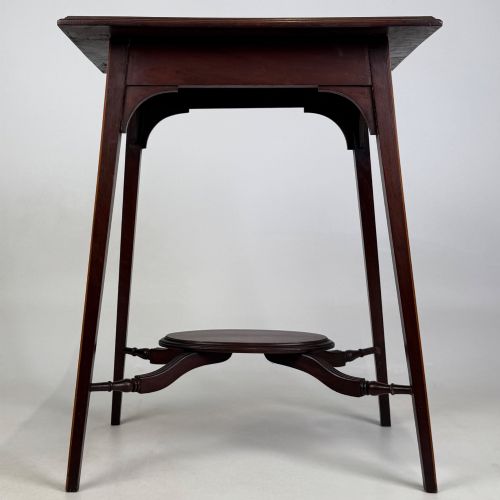
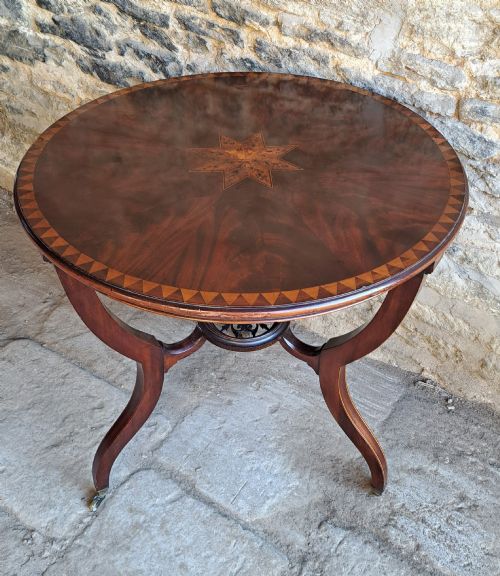
Buyers will most frequently encounter mahogany and walnut constructions, often shaped with oval, octagonal, or square tops. Many incorporate lower tiers or tray tops, providing practical utility alongside decorative timber grains and delicate proportions.
How They Were Made
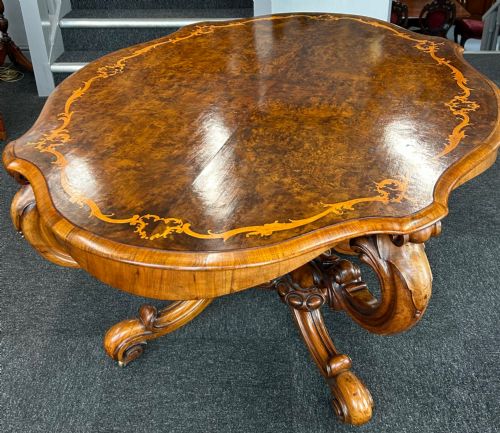
Cabinet makers utilised dense hardwoods such as mahogany, rosewood, and walnut as the primary structural bodies for these tables. Surfaces frequently display contrasting inlay work utilising boxwood and satinwood to create geometric or floral motifs.
Joinery techniques relied on traditional framing methods, sometimes incorporating turned legs, brass mounts, or multi-tiered structures. Veneers were carefully applied to tabletops to highlight natural grain patterns.
Edwardian Parlor Table Retail Price Guide 2026
Typical asking prices for edwardian parlor table among the pieces listed under this phrase on Sellingantiques today, from the lower quarter to the upper quarter. They describe what is for sale here now, not the wider market.
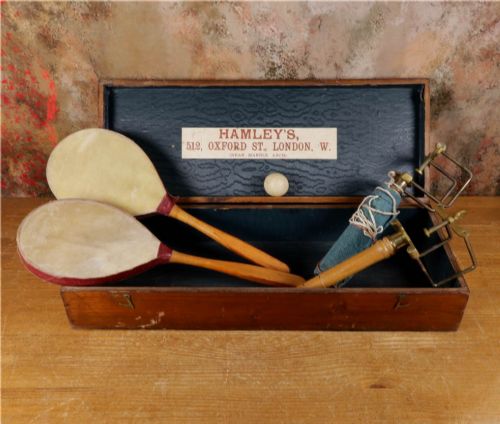
Some parlour tables shared room space with early boxed table tennis sets and indoor croquet equipment.
What Varies in Quality
Quality rests upon the crispness of the inlaid details and the selection of timber figures across the tabletop. Superior examples demonstrate precise hand-cut stringing and balanced proportions without relying on heavy finishes to mask the grain.
The integrity of the structural frame, from the tightness of the leg joints to the stability of any lower shelves, separates standard utility pieces from finer cabinet work.
François Linke·Jaques & Hamleys Gossima·F.H.Ayres Ltd., London
The Edwardian Parlor Table Glossary
- Inlay
- A technique where pieces of contrasting wood, such as boxwood or satinwood, are inserted into recessed cavities of the primary timber to form decorative patterns. This adds visual complexity to tabletops and friezes.
- Occasional Table
- A small, movable table designed for periodic use within a reception room or parlour. These pieces were easily repositioned to hold lamps, books, or tea services.
- Marquetry
- Elaborate veneer work arranged in pictorial or ornamental designs using various tinted woods. It differs from simple inlay by covering the entire surface with fitted patterns.
- Tray Top
- A tabletop featuring a raised moulded edge or gallery designed to prevent items from sliding off. This detail appears frequently on lighter occasional tables.
- Tiered Table
- A piece featuring multiple stacked surfaces supported by upright columns or legs. This design maximises display space within compact floor plans.
Edwardian Parlor Table: Frequently Asked Questions
What is an edwardian parlor table used for?
These tables served primarily as surfaces for holding small lamps, decorative ornaments, or tea accessories within formal sitting rooms.
Their light construction also allowed them to be moved easily around the room to accommodate guests during social gatherings.
How do I distinguish Edwardian from Victorian tables?
Edwardian tables generally display lighter proportions, simpler lines, and brighter satinwood or mahogany veneers influenced by Sheraton and Chippendale revivals.
Victorian counterparts tend to be heavier in build, utilising darker walnut or rosewood with denser carving and more robust turnings.
Are two-tier tables authentic to the period?
Two-tier tables were exceptionally popular during the Edwardian era for displaying small collectibles and books on the lower shelf.
Cabinet makers produced numerous variations featuring square, oval, and octagonal tops with subordinate lower platforms.
How should I care for an antique wood table?
Maintain timber surfaces by keeping them away from direct heat sources and sudden temperature fluctuations that can dry out the wood.
Apply a traditional beeswax polish occasionally to nourish the grain and protect the finish without building up synthetic residues.