


Edwardian Painted Bench
An edwardian painted bench offers a light, decorative seat suited to bedrooms, halls or conservatories, bringing understated charm to a room.
Edwardian Painted Bench
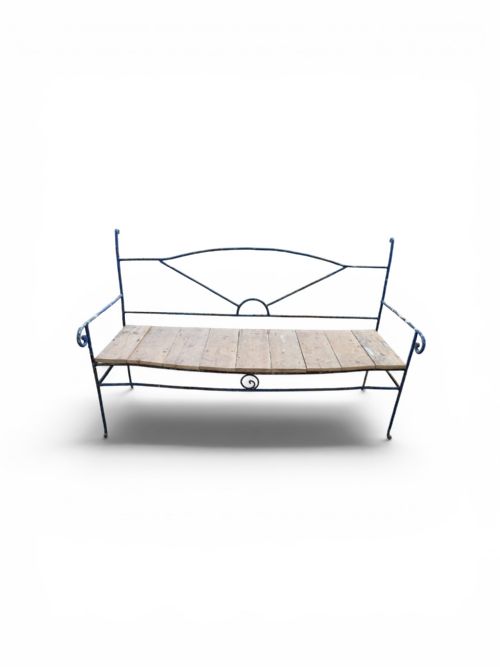
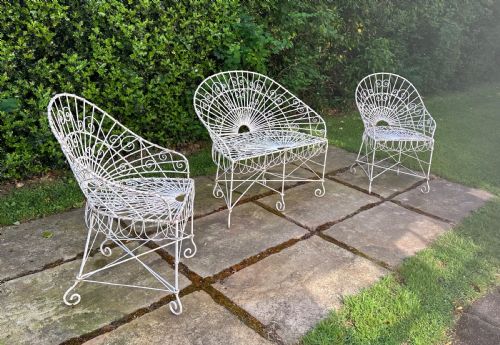
The pieces represented here showcase various influences, from Sheraton Revival satinwood settees to rustic wirework garden arbours and railway station seating. You are most likely to meet painted wooden frames paired with cane, fabric or simple upholstery.
Makers and designers of the period drew upon classical motifs, translating Louis XVI designs and neoclassical ideas into lighter domestic furniture. This variety ensures that each edwardian painted bench serves as both a practical seat and a decorative focal point.
Materials and construction methods
Makers utilised solid timbers such as beech, pine and satinwood as the structural foundation for these painted seats. The application of paint provided a smooth finish, often enhanced with delicate decorative details or traditional colour palettes suited to period interiors.
Seating surfaces frequently incorporated woven cane panels or fabric upholstery supported by wooden frames. Outdoor variants employed robust materials including cast iron and wrought iron to withstand external conditions.
Joinery techniques relied on traditional framing methods, ensuring stability across both delicate interior settees and heavier structural garden furniture. The combination of painted surfaces and natural materials defines the physical character of these pieces.
One listed armchair carries literary provenance linked to Daphne Du Maurier's Rebecca, bridging antique furniture with twentieth-century fiction.
Factors that distinguish quality
The refinement of the painted surface and the complexity of the decorative scheme elevate finer examples above simpler utilitarian items. Pieces featuring detailed satinwood work or intricate canework demonstrate superior craftsmanship compared to plain utility furniture.
Structural integrity and the retention of original finishes dictate the standing of individual pieces within the market. Careful attention to joinery and the preservation of early paint layers reflect the skill of the original maker.
Whytock and Reid·Thonet·Coalbrookdale
The Edwardian Painted Bench Glossary
- Satinwood
- A lustrous timber native to India and Sri Lanka, highly prized for fine furniture decoration during the late eighteenth and early nineteenth centuries. Its pale, golden hue takes a high polish.
- Canework
- A method of weaving peeled rattan or cane to form lightweight, porous panels for chair seats and backs. This technique provides flexible support and visual lightness.
- Sheraton Revival
- A late nineteenth-century design movement inspired by the neoclassical furniture of George Sheraton. It favours slender proportions, painted satinwood and classical ornamentation.
- Bentwood
- Wood rendered pliable by steaming, allowing makers to bend it into curved structural components. This method is closely associated with nineteenth-century innovators like Thonet.
- Chinoiserie
- European decorative style reflecting Chinese artistic motifs, popular in furniture painting and interior design. It incorporates whimsical landscapes and figurative scenes.
Edwardian Painted Bench: Frequently Asked Questions
Where should I place an edwardian painted bench?
These pieces suit light interior spaces such as entrance halls, garden rooms, or bedrooms where their decorative frames can be appreciated. Avoid placing delicate painted or caned examples in areas prone to dampness or direct heavy sunlight.
For outdoor variants such as iron garden benches, standard weather protection helps preserve the painted or rusted surfaces over time.
How do I clean a painted wooden seat?
Dust the surface regularly with a soft, dry cloth to prevent dirt accumulation on the painted finish. Avoid harsh chemical cleaners or abrasive materials that might damage the original paint layer.
For caned panels, a damp cloth used sparingly helps remove debris from the weave without splitting the natural fibres.
Are these benches suitable for daily sitting?
Most domestic settees and window seats were built for comfortable indoor seating, though older frames require careful inspection for structural firmness before heavy use. Cane panels possess natural give and support normal sitting well.
Robust garden benches and railway station seats were engineered for heavy public or external use, offering durable seating.
How can I tell if the paint is original?
Original paint surfaces typically exhibit natural wear, minor craquelure and patina consistent with age. Under close examination, older layers show integration with the wood beneath rather than a flat modern uniformity.
Consulting the style clues and construction methods helps contextualise the finish against known period production standards.