


Edwardian Onyx Table
These edwardian onyx table options combine solid stone tops and gleaming metalwork to anchor a period room with quiet, tactile authority.
Edwardian Onyx Table
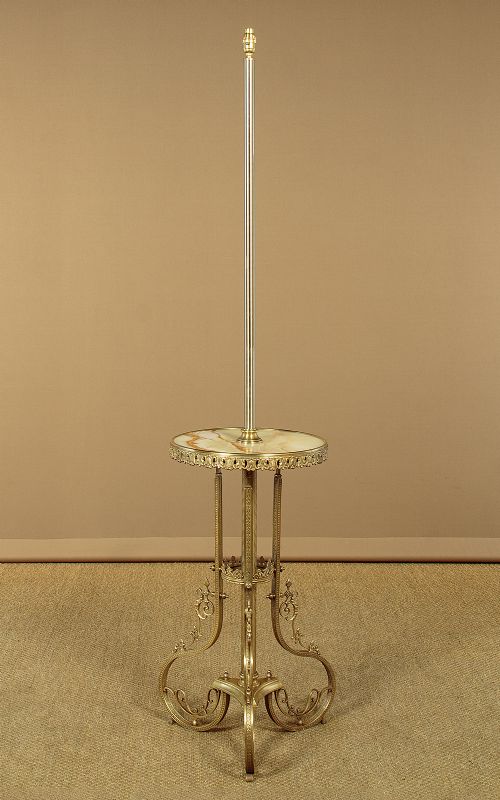
An edwardian onyx table brings together polished stone and metal supports, appearing as plant stands, occasional tables, or fitted trays from the late nineteenth and early twentieth centuries. These pieces reflect domestic tastes around nineteen hundred, balancing decorative utility with natural mineral patterns.
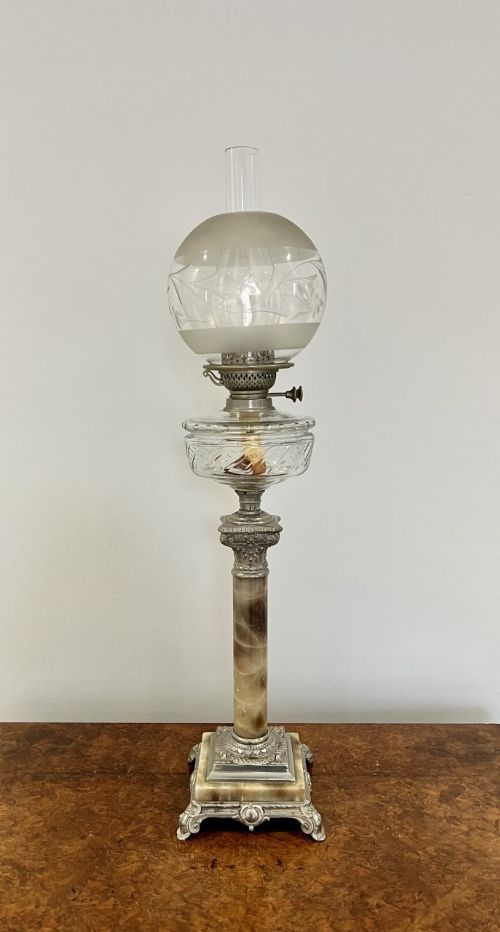
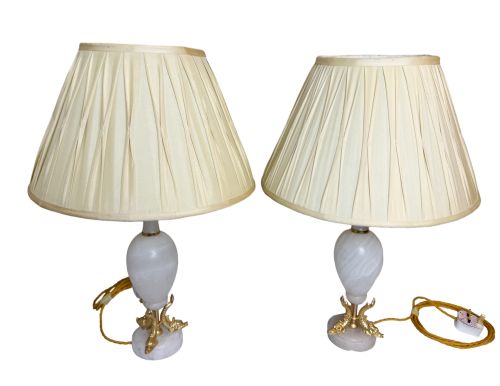
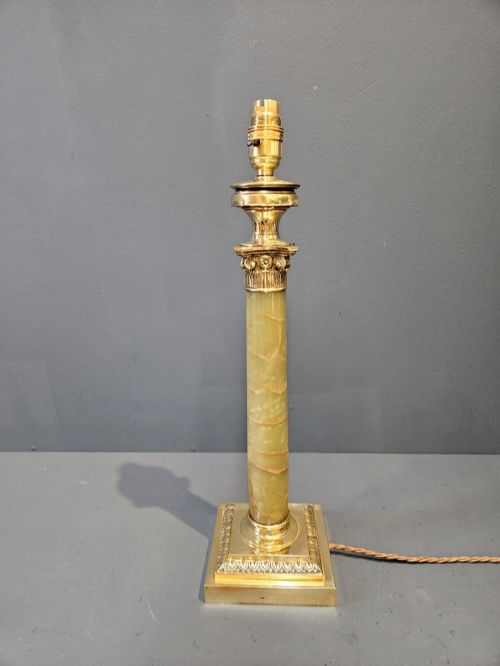
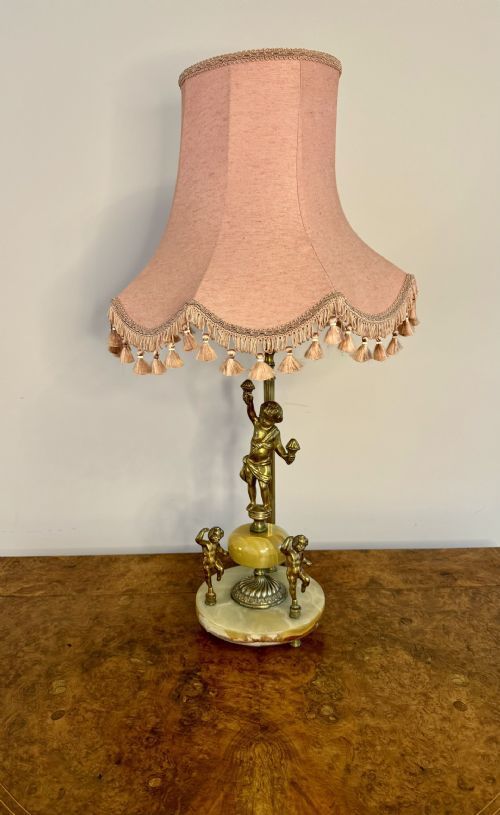
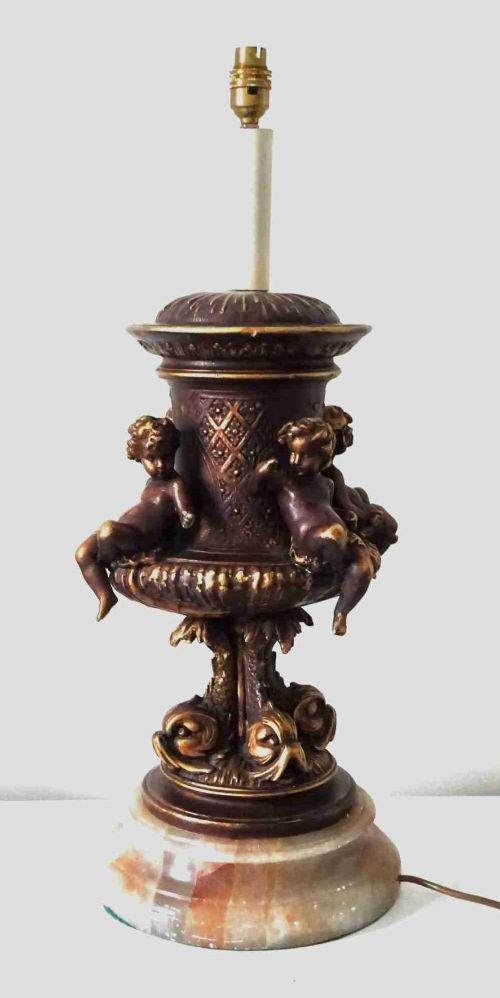
The selections available here range from tall plant stands and multi-tiered tiers to small occasional tables featuring walnut frameworks and galleried edges. Many items use the term in a broad sense to include related stone-mounted furnishings and lamp bases sharing the same material vocabulary.
How they were made
Maker workshops combined turned brass, gilded brass, and ormolu with slabs of white or banded onyx, sometimes adding marble, glass, and fabric elements for contrast. Metal components were cast, chased, and joined to rigid stone platforms that required careful cutting and polishing.
Framing structures also incorporated timber, such as walnut for occasional tables, finished with raised galleries and decorative trim in French styles. Surface finishes on the metalwork relied on patination, gilding, and enamel work to complement the translucent quality of the stone.
The furniture and lighting forms span table lamps, floor lamps, occasional tables, plant stands, and centrepiece trays.
What varies in quality
Quality rests on the depth of the mineral figuring in the stone and the crispness of the cast metal mounts, such as ormolu or gilded brass trim. Heavier gauges of brass and solid timber frames separate sturdier furniture from lighter, purely decorative items.
Integration of secondary materials like lapis lazuli, champleve enamel, or silver gilt elevates specific pieces, while balanced proportions and secure joints dictate the overall execution of stands and tables.
George Betjemann
The Edwardian Onyx Table Glossary
- Onyx
- A banded variety of chalcedony or calcite used for table tops and lamp bases. Its translucent layers provide natural decorative patterns.
- Ormolu
- Gilded bronze applied to mounts and decorative details. The technique creates a rich gold-coloured surface finish.
- Galleries
- Raised pierced borders fitted around table tops to keep objects from sliding off. They appear in wood or cast metal.
- Standard Lamp
- A tall floor-standing lamp base. Many examples incorporate tiers or tables of onyx and brass.
Edwardian Onyx Table: Frequently Asked Questions
What periods do these pieces date from?
The pieces span the late nineteenth century through the nineteen thirties, with a strong concentration around nineteen hundred. Designs cross Victorian, Edwardian, and French revival aesthetics.
Manufacturing dates draw on stylistic evidence and recorded periods such as nineteen ten and nineteen twenty.
How do I clean the stone top?
Onyx requires gentle maintenance using a soft, dry cloth to remove dust without scratching the polished surface. Avoid harsh chemical cleaners that can etch the mineral or damage the metal mounts.
Water should be used sparingly, and any spills dried immediately to protect both the stone and the surrounding brass or walnut frame.
Where were these items placed originally?
Occasional tables and plant stands served as ornamental furniture in principal reception rooms to display lamps, ceramics, or potted plants. Multi-tiered stands maximised display space in smaller drawing-room corners.
Their combination of reflective metal and patterned stone added visual warmth to period interiors.
Are lamps and tables often matched?
Lighting and small furniture frequently share materials like brass, gilded bronze, and onyx within the same interior scheme. Standard lamps sometimes incorporate small wine tables or adjustable tiers into their upright shafts.
Both categories rely on matching decorative vocabularies from the early twentieth century.