



Edwardian Onyx Table Lighting
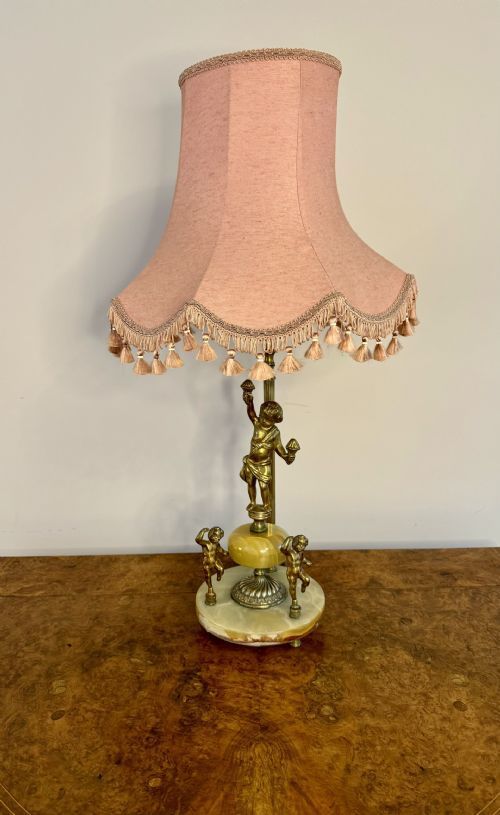
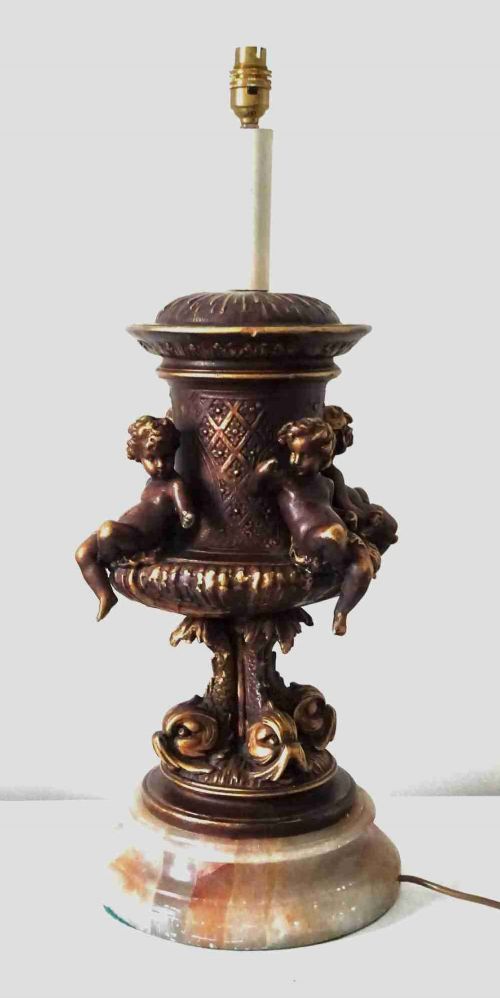
Edwardian onyx table lighting brings warmth and polished stone to a room, offering genuine period character through heavy turned columns and gleaming metal mounts.
Edwardian Onyx Table Lighting
Edwardian onyx table lighting comprises decorative lamps designed for domestic interiors during the early twentieth century, utilising banded stone bodies paired with metal hardware. When searching for edwardian onyx table lighting, buyers encounter pieces that bridge late nineteenth century grandeur and simpler twentieth century forms.
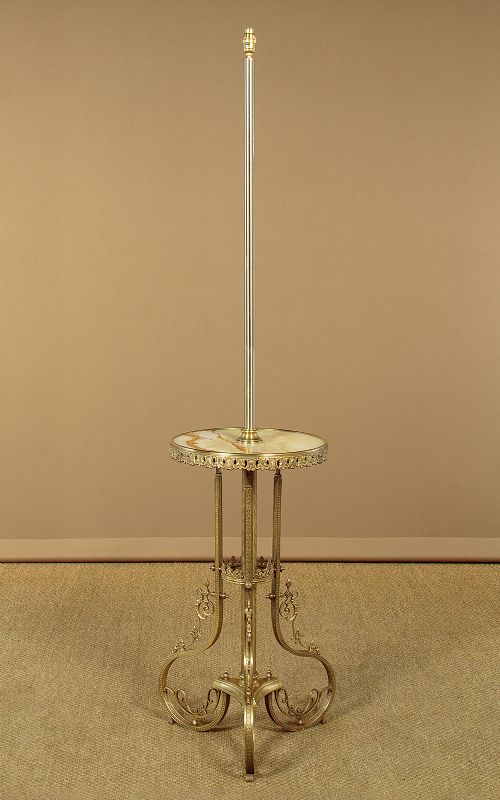
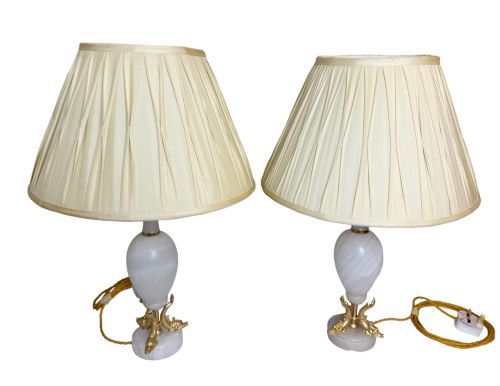
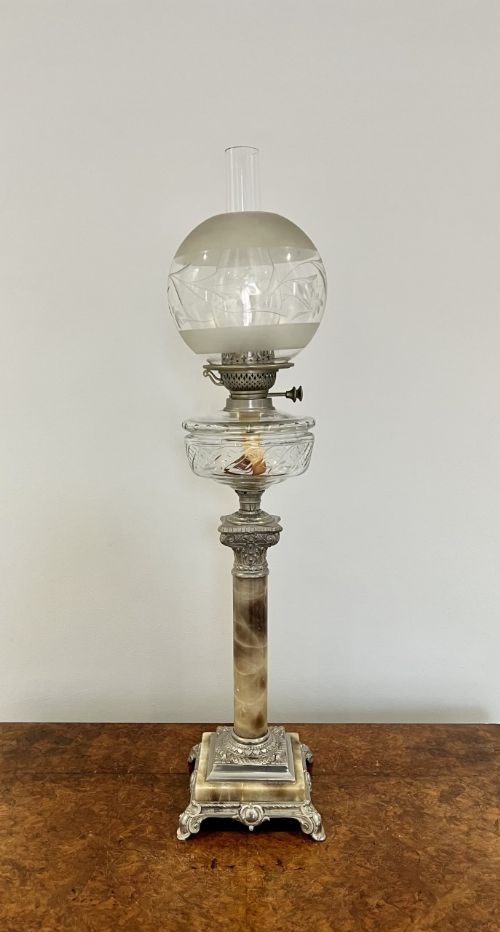
The selections on this page typically feature table lamps, standard lamps, and converted oil lamps dating across the Victorian, Edwardian, and early twentieth century periods. Common materials include white onyx, brass, gilt bronze, and glass, reflecting the decorative tastes of classical revival and neoclassical styles.
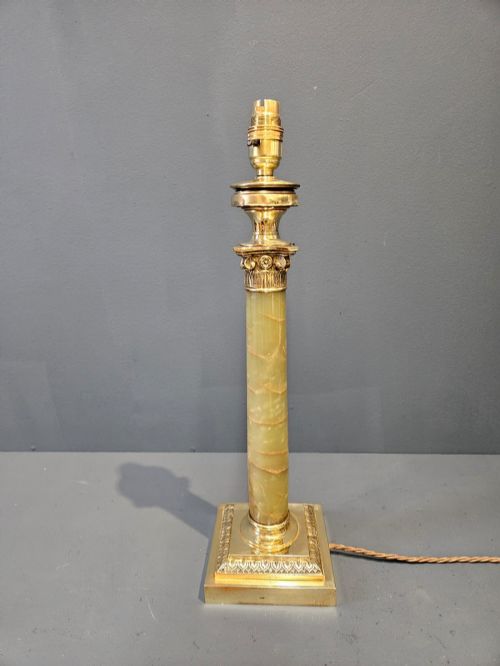
Surviving examples range from compact table models to tall adjustable standard lamps, frequently incorporating decorative elements such as brass Corinthian columns or gilt trim. Each piece demonstrates how stone and metal were combined to illuminate period homes.
How they were made
Makers shaped natural onyx blocks into smooth cylindrical or columnar shafts, turning the stone on lathes to highlight its natural banding and translucency. This stony core was then mounted onto metal bases and fitted with collars, burners, or electrical hardware.
Brass, gilt bronze, and gilded brass components were cast and chased to frame the stone sections, securing the structural integrity of the lamp. Fabric shades and glass elements completed the assemblies, balancing the heavy weight of the marble and onyx bases.
Edwardian Onyx Table Lighting Retail Price Guide 2026
Typical asking prices for edwardian onyx table lighting among the pieces listed under this phrase on Sellingantiques today, from the lower quarter to the upper quarter. They describe what is for sale here now, not the wider market.
Materials recur in combinations of white onyx, brass, gilt bronze, and glass across neoclassical styles.
What varies in quality
The calibre of edwardian onyx table lighting rests on the depth of the stone's natural figuring and the crispness of the metal mounts. Heavier casting in the bronze and brass collars distinguishes finer pieces from simpler commercial output.
Proportion and stability also dictate worth, as taller standard lamps require substantial bases to support the weight of the column and shade. Original patination on the brass and gilt surfaces preserves the integrity of the period finish.
The Edwardian Onyx Table Lighting Glossary
- Onyx
- A form of quartz showing parallel bands of colour, used extensively for turned lamp columns and decorative bases during the Edwardian era.
- Gilt bronze
- Copper alloy treated with a gold coating, frequently utilised for decorative mounts and trim on French and English table lamps.
- Standard lamp
- A tall floor-standing lighting fixture, often adjustable in height and fitted with a heavy base for stability.
- Corinthian column
- An architectural order featuring an ornate capital decorated with acanthus leaves, adapted often for brass lamp standards.
- Neoclassical revival
- A decorative movement drawing inspiration from classical antiquity, influencing the symmetry and motifs found on these lamps.
Edwardian Onyx Table Lighting: Frequently Asked Questions
How do I clean onyx lamp bases?
Wipe the stone gently with a slightly damp cloth and dry immediately to preserve the polished surface. Avoid harsh chemical cleaners that can etch the mineral structure.
Keep brass and gilt bronze components free of dust using a soft dry brush. Moisture can damage older wiring and discolour exposed metal mounts.
Are these lamps converted from oil?
Many examples from the late nineteenth and early twentieth centuries originally burned oil before being adapted for electricity. These conversions often retain their original burners, reservoirs, and switches.
Buyers should inspect the wiring to ensure safety while appreciating the retained historical mechanics of the lamp body.
How do I date an onyx lamp?
Dating relies on examining the style of the metal mountings, the type of electrical fittings, and the turning style of the stone. Edwardian pieces often share characteristics with late Victorian and Neoclassical revival designs.
Makers frequently utilised similar Corinthian or column forms across several decades around the turn of the century.
Where should I place a standard lamp?
Tall standard lamps suit corners or seating areas where their heavy brass and onyx bases provide a stable anchor. Adjustable models allow the height of the light source to suit the room.
Ensure the floor surface is level because the combined weight of stone and metal makes stability essential.