


Edwardian Occasional Seating
Edwardian occasional seating brings lightweight, portable elegance to a room, offering adaptable spots to sit that reflect the refined tastes of the early twentieth century.
Edwardian Occasional Seating
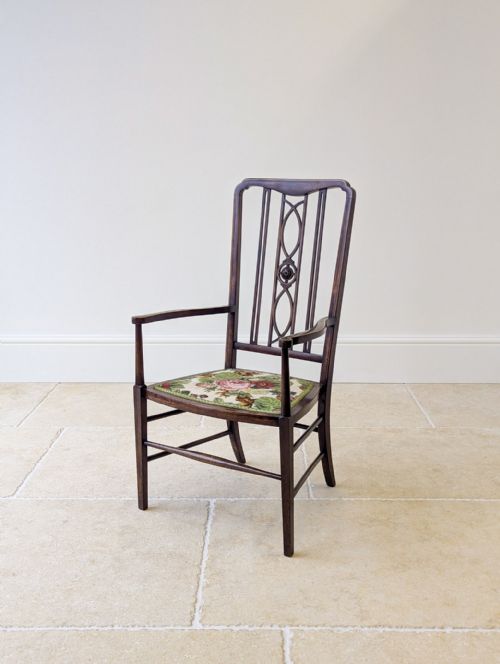
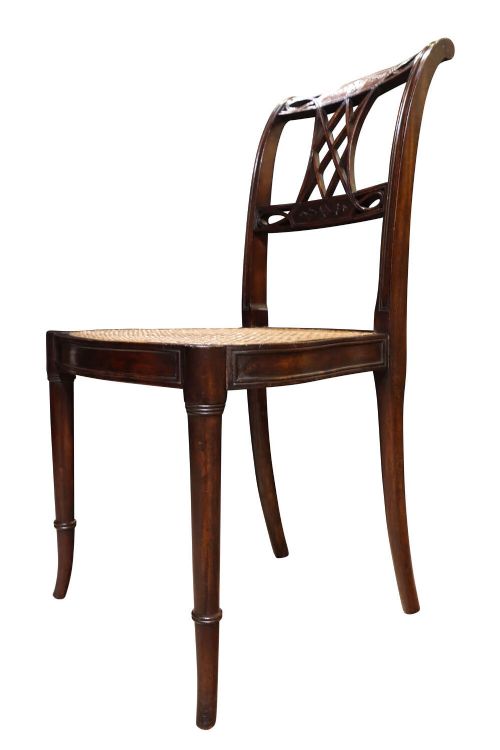
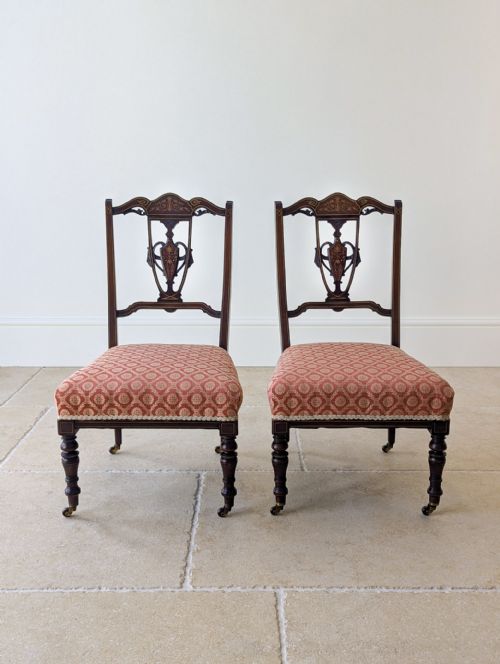
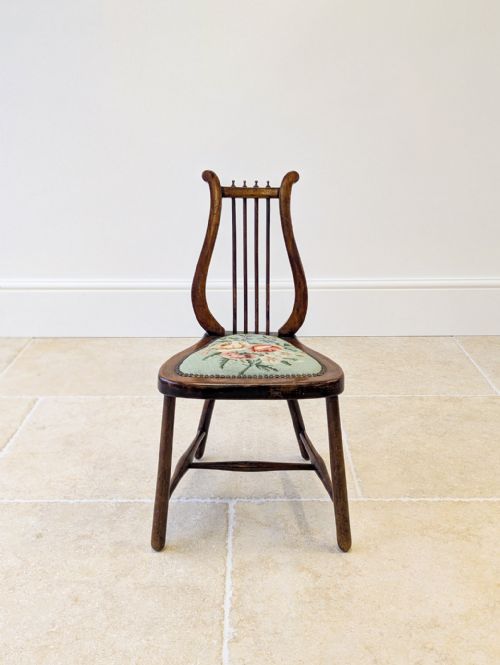
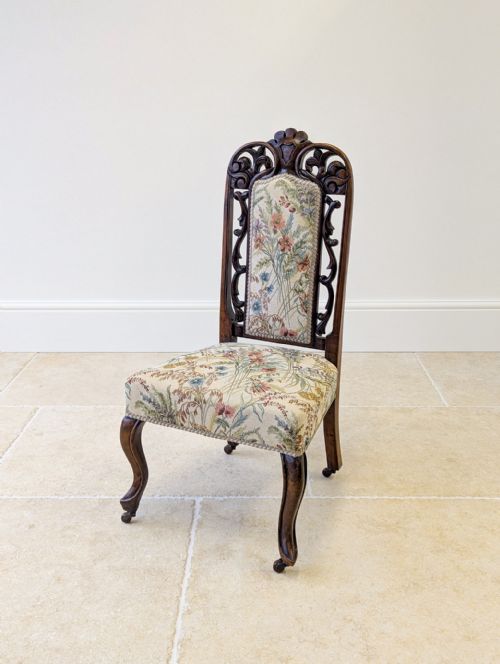
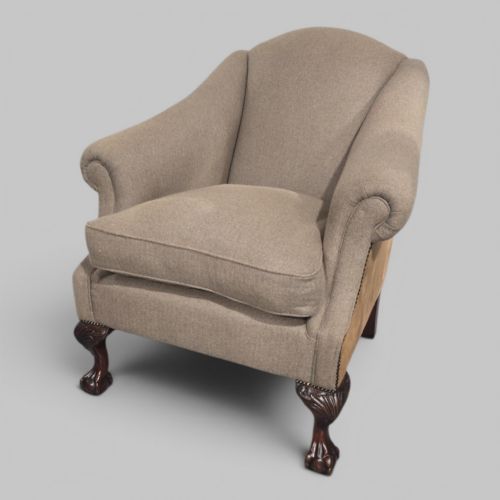
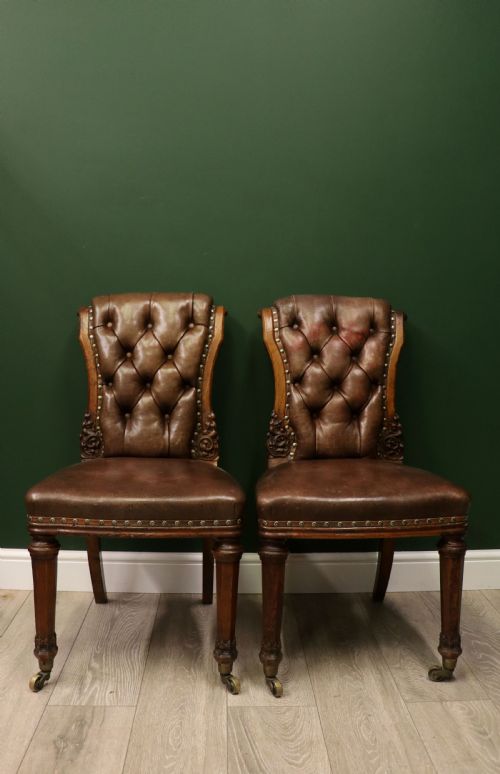
Edwardian occasional seating encompasses a diverse range of movable chairs designed for specific corners, bedrooms, and drawing rooms. These pieces appear primarily as armchairs, side chairs, nursing chairs, salon chairs, and corner chairs.
The pieces on this page span the Edwardian era alongside overlapping Victorian, Regency, and early twentieth-century periods. Mahogany frames dominate the selections, often enhanced by satinwood, walnut, beech, oak, and rosewood.
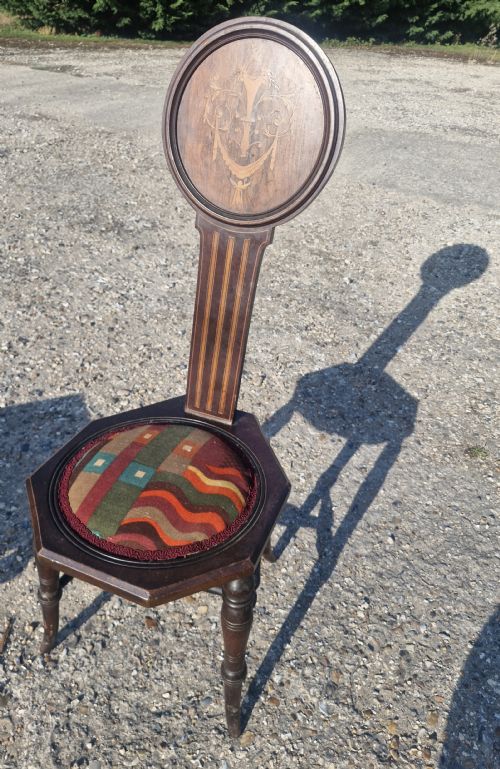
Makers and designers drew heavily on historical aesthetics, resulting in distinct stylistic revivals such as Sheraton Revival, Chippendale Revival, and Neoclassical Revival. Art Nouveau influences also surface alongside simple vernacular designs like spinning chairs and rocking chairs.
Construction and Materials
Makers relied on durable hardwoods including mahogany, walnut, oak, and beech to construct stable yet light frames. Inlaid details utilised contrasting timbers such as satinwood, creating delicate stringing and decorative motifs across chair backs and rails.
Upholstery methods varied from simple drop-in pads and cane seats to complex button-back cushioning and sprung interiors. Materials like fabric, velvet, tapestry, and leather covered these seats, complemented occasionally by brass fittings or gilt legs.
Listings feature mahogany, walnut, beech, oak, and rosewood, alongside decorative elements like brass fittings, tapestry, velvet, and cane seats.
Assessing Quality
Quality rests in the crispness of timber carving and the precision of inlaid stringing. Pieces displaying refined proportions, sound joinery, and intact original upholstery or supportive cane work stand apart from standard examples.
The choice of primary timber influences desirability, with richly figured mahogany, satinwood, and walnut achieving greater visual depth than plain beech or oak. Cohesion of style, whether executed in a pure Sheraton Revival or an Art Nouveau manner, dictates overall character.
The Edwardian Occasional Seating Glossary
- Occasional chair
- A movable, light chair designed to be used in different rooms as needed rather than assigned to a permanent dining table or desk. These pieces prioritise decorative versatility.
- Cane seat
- A seating surface woven from peeled rattan strips in an open mesh pattern. This technique provides lightweight resilience.
- String inlay
- A narrow strip of contrasting timber fitted flush into the surface of a furniture piece to form delicate geometric borders.
Edwardian Occasional Seating: Frequently Asked Questions
What is an occasional chair used for?
These versatile chairs provide extra seating in living rooms, bedrooms, and hallways without dominating the floor plan. Their lightweight construction allows them to be moved easily to accommodate guests.
Historically, they filled empty corners or served specialised domestic roles, such as nursing infants or reading near a window.
How do I identify Edwardian seating?
Edwardian chairs typically display lighter proportions than their Victorian predecessors, favouring brighter polished timbers and delicate inlaid details. Common stylistic markers include Sheraton Revival motifs and slender tapered legs.
Construction dates often cluster around nineteen hundred, reflecting the peaceful aesthetic of the reign before the First World War.
What is a salon chair?
A salon chair is a decorative seat designed for formal sitting rooms where guests gathered for conversation and entertainment. These pieces balance visual elegance with modest comfort.
They frequently feature open arms, upholstered backs, and polished mahogany or walnut frames.
Are these chairs comfortable?
Comfort varies depending on the specific form, ranging from upright side chairs meant for brief use to sprung armchairs and upholstered nursing chairs designed for relaxation. Many rely on padded cushions or button-back upholstery.
Buyers seeking daily lounging often choose upholstered armchairs, while occasional side chairs prioritise decorative presence.
What woods were used in Edwardian furniture?
Mahogany remained the dominant timber for quality seating, often paired with satinwood for contrasting inlay work. Walnut, beech, oak, and rosewood also appeared frequently across different regional workshops.
Softer woods like beech were commonly stained or ebonised to imitate more expensive materials.