


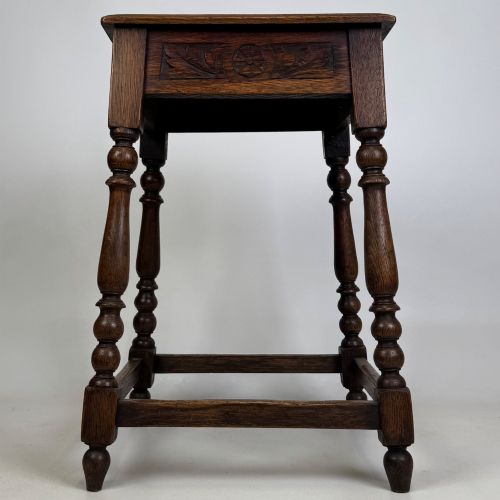
Edwardian Oak Wood Carving
Edwardian oak wood carving brings robust domestic utility together with spirited handcraft, making these pieces enduringly useful additions to any hallway, study or living room.
Edwardian Oak Wood Carving
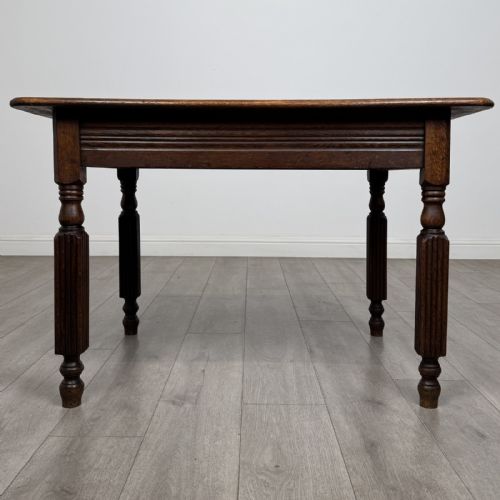
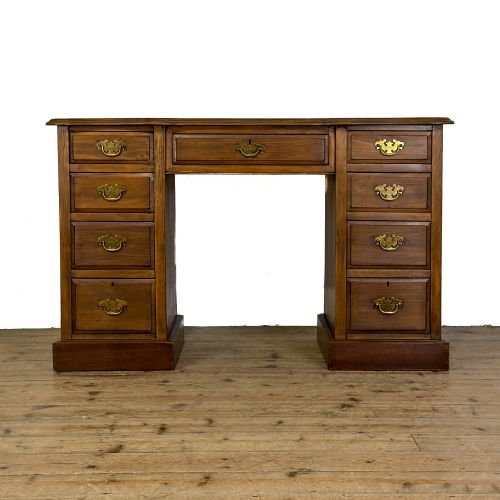
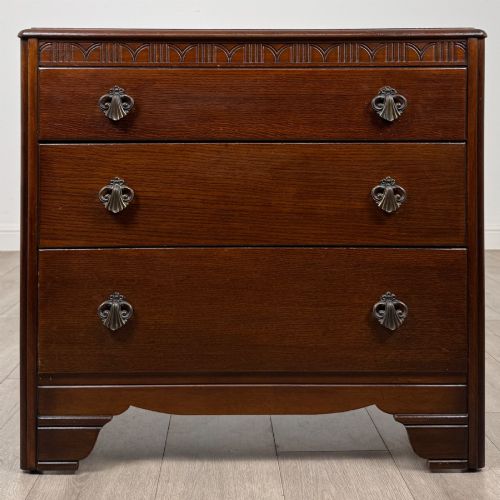
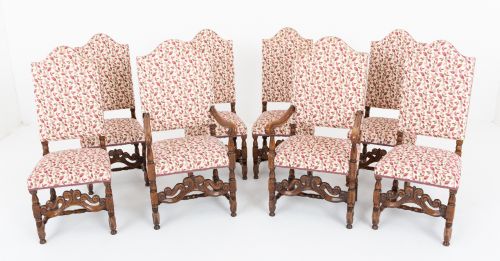
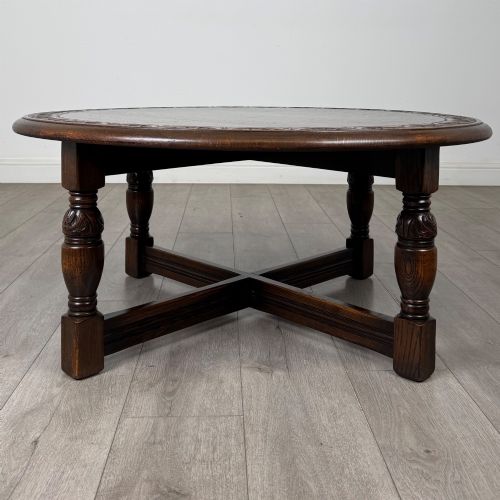
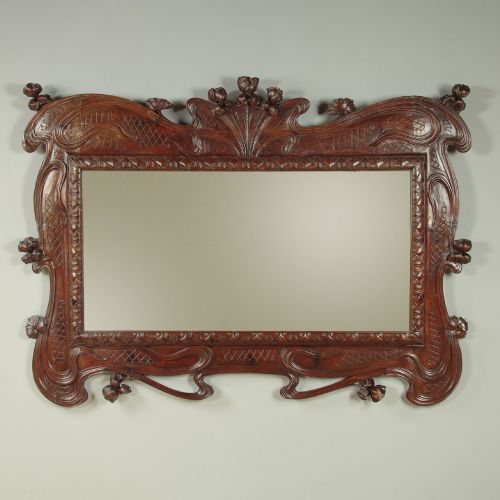
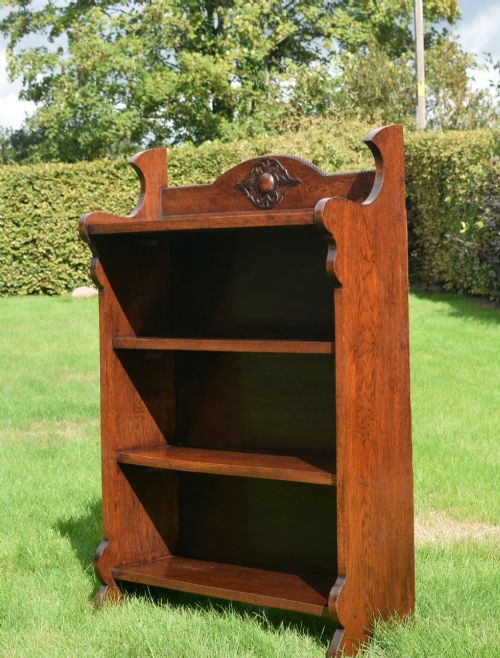
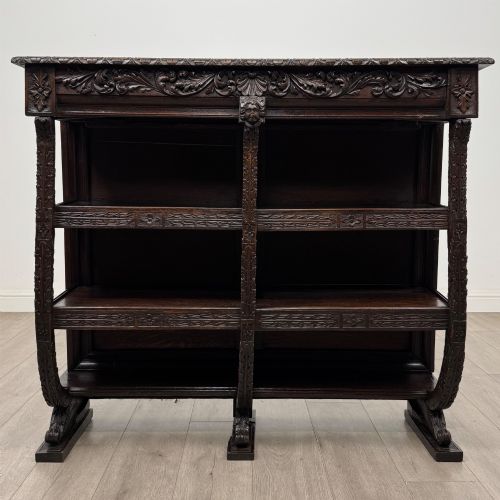
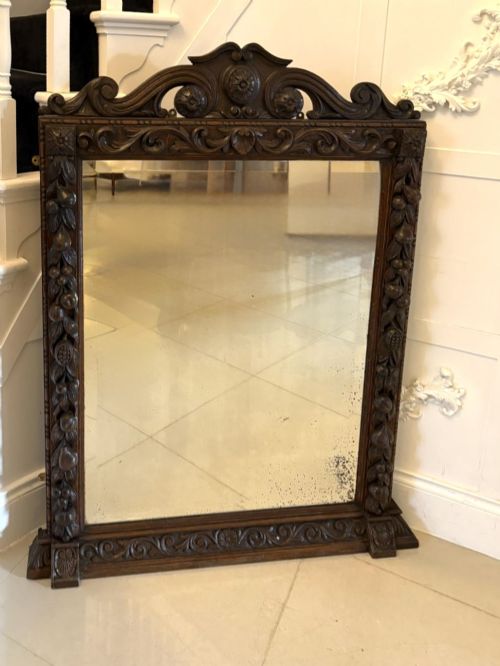
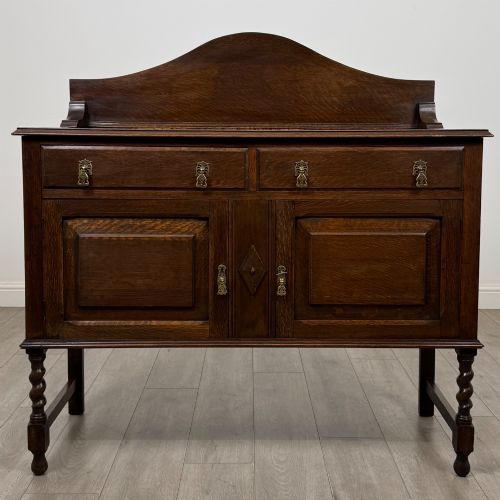
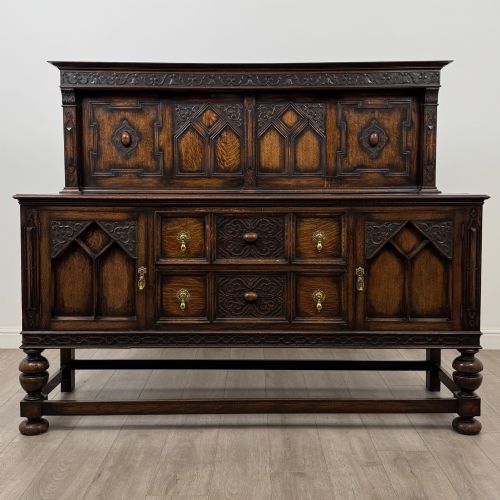
Edwardian oak wood carving encompasses a diverse array of domestic furniture and wall fittings produced around the turn of the twentieth century. When exploring this selection, buyers encounter practical items such as sideboards, bookcases, wall mirrors, side tables, wardrobes and bureaux.
The objects frequently draw on historical design idioms, displaying stylistic influences that range from Jacobean Revival and Gothic Revival to Arts and Crafts. Pieces span the Edwardian period, the Victorian era and the early twentieth century, reflecting a sustained appetite for heavy timber furniture.
While larger items like sideboards and wardrobes anchor a room, smaller furnishings such as umbrella stands, side tables and coat racks offer accessible entry points into collecting carved oak. Each category demonstrates how solid wood served as the primary canvas for decorative relief work during this era.
Distinctions in quality
Quality in these pieces rests upon the crispness of the carving and the architectural proportion of the item. Superior examples display deep, undercut relief work executed with control, whereas lesser pieces rely on shallow, mechanical stamping or cursory surface incision.
The selection of the timber itself dictates grade, with quarter-sawn oak showing distinct medullary rays prized by cabinetmakers. Construction methods further differentiate the range, as pieces joined with traditional dovetails and tenons retain structural integrity far better than those dependent on modern adhesives or hasty assembly.
Listings feature oak alongside brass, glass, iron and fabric across Edwardian, Victorian and nineteenth-century periods.
Hyde and Sons Sleaford
The Edwardian Oak Wood Carving Glossary
- Jacobean Revival
- A nineteenth and early twentieth-century style imitating seventeenth-century furniture. It is characterised by heavy proportions, geometric mouldings and turned supports.
- Barley Twist
- A cylindrical furniture leg or column carved in a spiral rotation resembling a twisted rope. This turned detail appears frequently on Edwardian sideboards and tables.
- Quarter-sawn oak
- Timber cut radially from the growth rings to produce distinct figuring known as medullary rays. Cabinetmakers valued this cut for both stability and decorative effect.
- Chip carving
- A primitive decorative technique involving the removal of small chips from a flat wooden surface. Artisans formed geometric patterns and rosettes by cutting facets into the timber at precise angles.
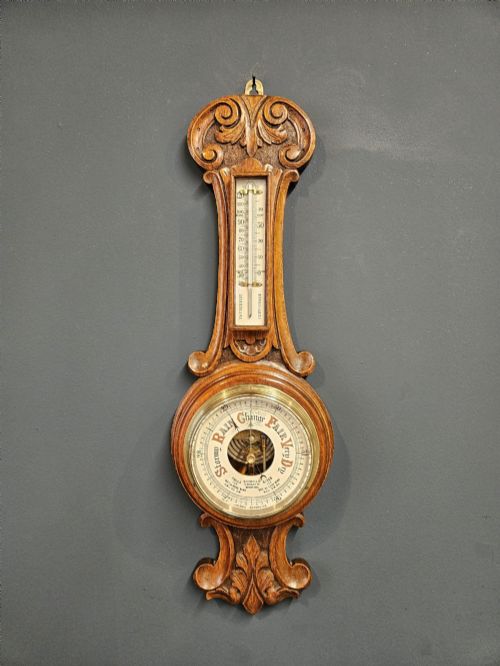
- Aneroid barometer
- An instrument measuring atmospheric pressure without liquid, housed within a decorative wooden case. These wall-mounted pieces often featured extensive oak carving.
Edwardian Oak Wood Carving: Frequently Asked Questions
How do I identify Edwardian oak?
Edwardian oak typically exhibits a lighter, warmer tone than the darker finishes common to Victorian furniture. Workshops of this era favoured quarter-sawn boards that highlighted prominent silver medullary rays across the timber.
Constructed pieces often combine traditional joinery with machine-assisted preparation, reflecting transitional workshop practices of the early twentieth century. Examining the interior secondary woods and hardware helps confirm the production era.
What is Jacobean revival style?
Jacobean revival refers to nineteenth and twentieth-century furnishings that imitate the heavy, robust aesthetic of seventeenth-century English design. These items utilise dark-finished oak, geometric panel moulding and substantial turned supports.
Makers adopted this historical vocabulary to project a sense of heritage and permanence in Edwardian domestic interiors. The style appears frequently on sideboards, bureaux and wall mirrors.
How should I care for carved oak?
Maintain carved oak by applying a traditional beeswax polish sparingly to nourish the timber and preserve the surface sheen. Avoid placing wooden furniture near direct heat sources or strong sunlight, which causes the grain to dry and split.
Dust the intricate recesses of the carving regularly using a soft bristle brush to prevent particle buildup. Gentle handling ensures the original patination remains undisturbed over decades of use.
Where were these pieces used?
These carved oak items served primarily in the principal reception rooms, halls and libraries of Edwardian homes. Hall stands, umbrella holders and coat racks welcomed visitors in entranceways, while sideboards and bookcases anchored dining rooms and studies.
Smaller accessories like wall mirrors and foot stoves added both practical utility and decorative warmth to domestic spaces. Their heavy construction suited the formal interior arrangements of the period.