


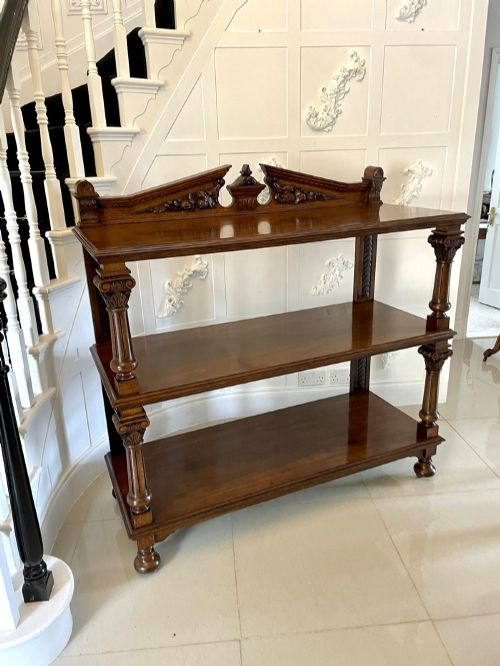
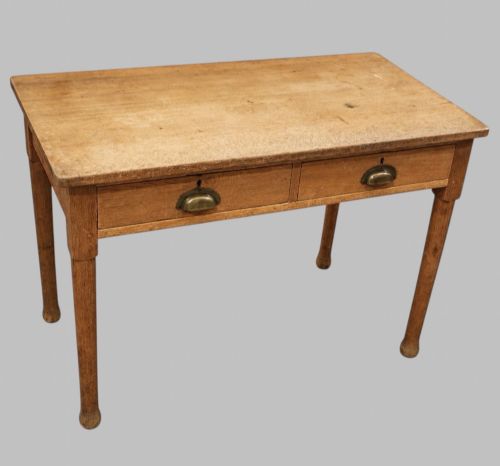
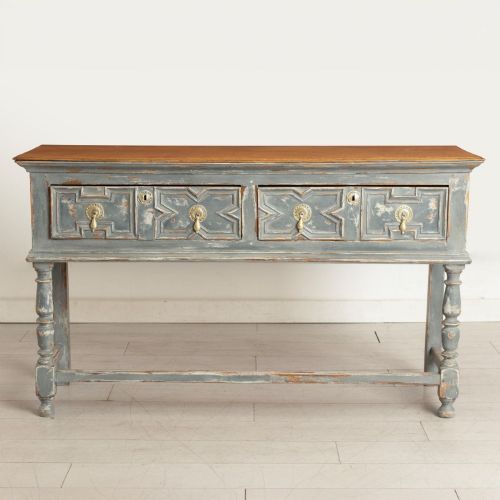
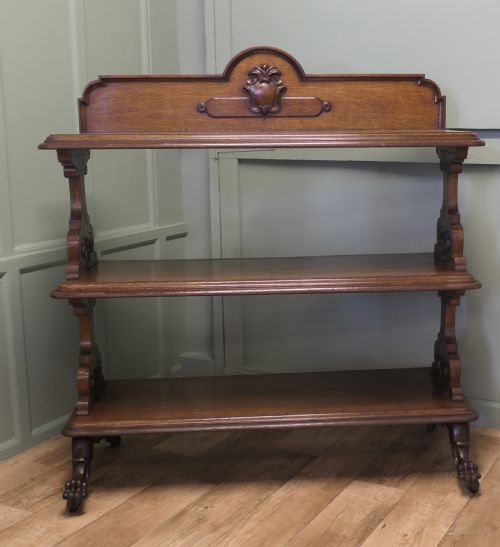
Edwardian Oak Server Table
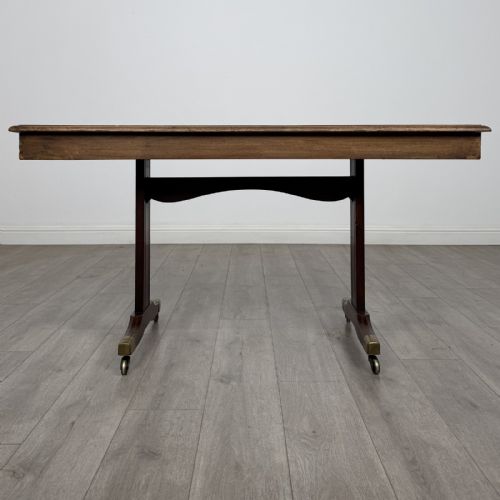
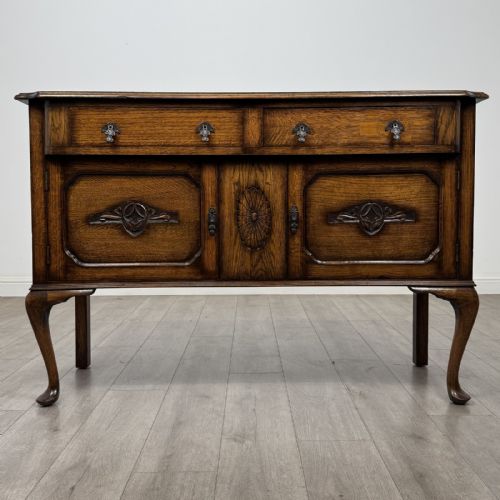
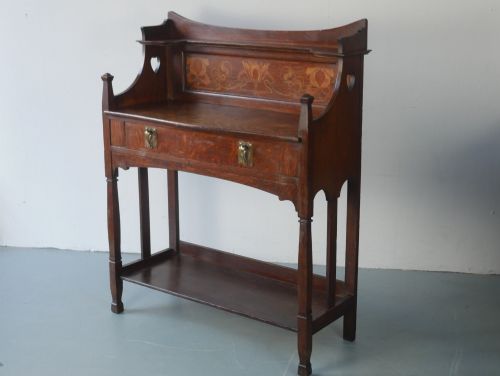
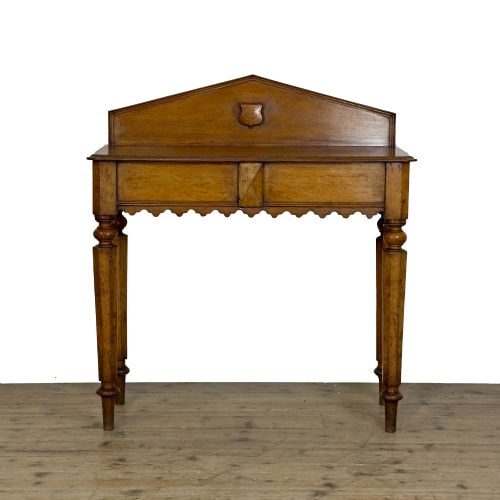
An Edwardian oak server table brings solid utility and carved detail into a hallway or dining space, offering sturdy drawers and a generous surface for daily service.
Edwardian Oak Server Table
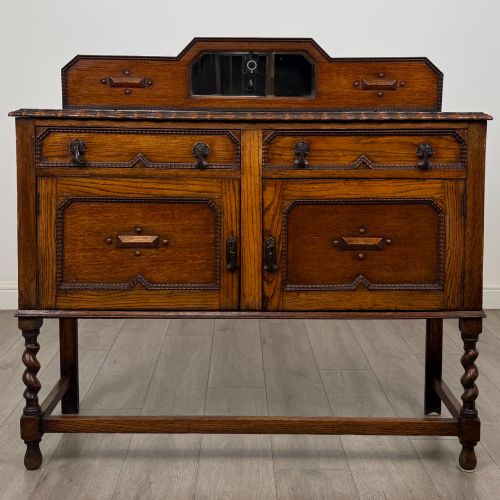
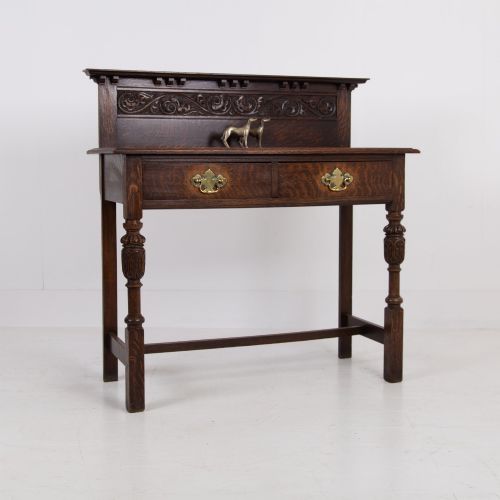
When searching for an Edwardian oak server table, buyers encounter pieces that bridge the gap between heavy Victorian design and lighter early twentieth-century forms. The selection includes dedicated serving tables, dresser bases, and console tables designed for practical service in halls and dining rooms.
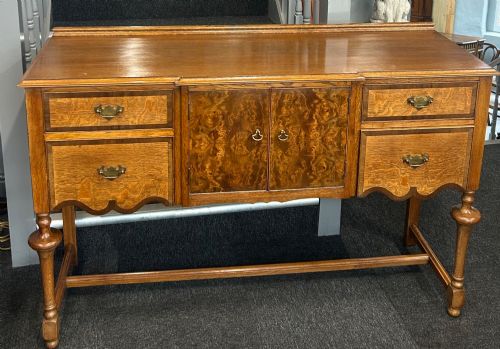
Many examples on this page date from the Edwardian era itself, alongside pieces from the late nineteenth century and the decades immediately following. The forms range from simple two-drawer hall tables to large sideboards and buffets fitted with bottle racks, upper shelves, and decorative carving.
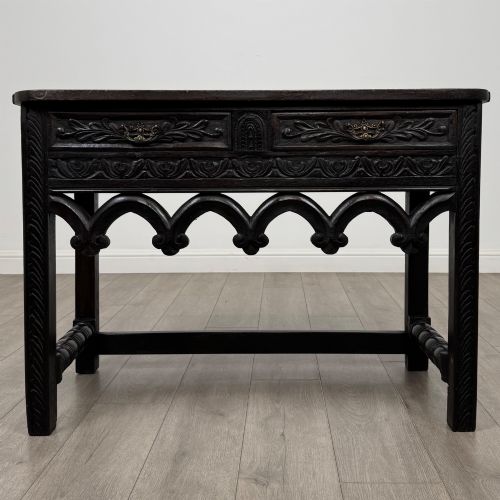
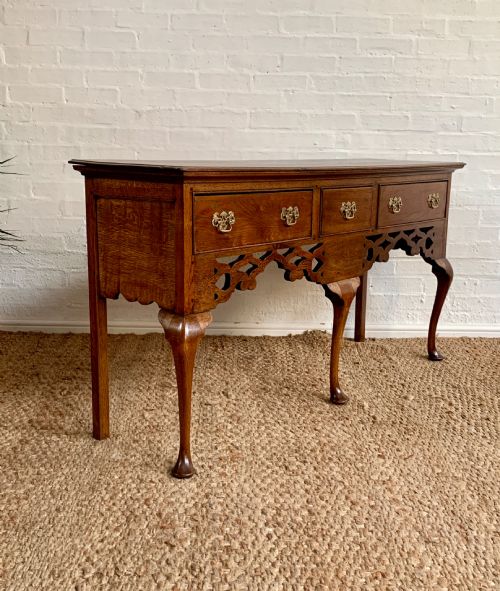
Makers and regional workshops utilised solid timber to construct versatile furniture that functioned equally well as a side table, lamp table, or work surface. The prevalent styles span from straightforward rustic farmhouse pieces to elaborate revivals drawing on Jacobean, Gothic, and Queen Anne traditions.
Distinctions in Quality and Craftsmanship
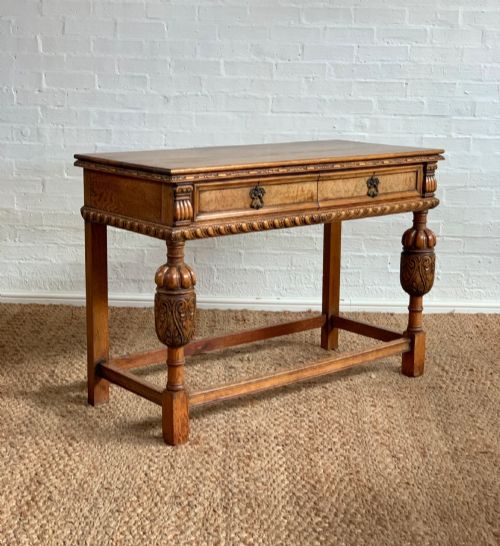
The distinction between standard utility furniture and superior pieces rests in the crispness of the carved ornamentation and the selection of timber. Better examples display deeply carved panels, well-figured oak grain, and substantial proportions rather than applied decorative mouldings.
Joinery standards set the top tier apart, visible in smoothly running drawers with tight dovetails and stable underframes that withstand daily use. The inclusion of original hardware, such as cast brass handles and functional castors, further elevates the standing of an individual piece.
Edwardian Oak Server Table Retail Price Guide 2026
Typical asking prices for edwardian oak server table among the pieces listed under this phrase on Sellingantiques today, from the lower quarter to the upper quarter. They describe what is for sale here now, not the wider market.
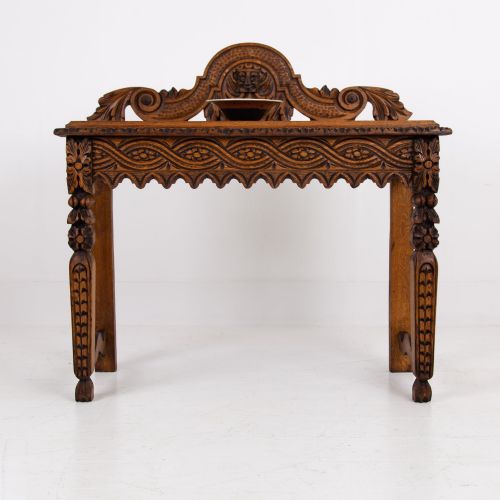
Several tables include carved green man faces glaring out from the woodwork, keeping a watchful eye over the dining room.
Shapland & Petter·Beresford & Hicks
The Edwardian Oak Server Table Glossary
- Dresser base
- A low wooden sideboard fitted with drawers and sometimes lower shelves, originally used for food preparation and storage in country houses.
- Dumbwaiter
- A multi-tiered serving piece on a central column or legs, designed to hold dishes and bottles beside a dining table.
- Pollard oak
- Timber taken from trees that have been pollarded, producing a dense wood with highly decorative, knotted growth patterns.
- Jacobean style
- A heavy, seventeenth-century aesthetic revived in later centuries, characterised by straight lines, geometric mouldings, and strapwork carving.
- Barley twist
- A type of turning shaped like a spiral rope, popular on the legs and stretchers of tables and chairs from the late seventeenth century onwards.
Edwardian Oak Server Table: Frequently Asked Questions
Where should I place an oak server table?
These tables suit hallways, dining rooms, and living spaces where surface area and drawer storage are useful. Their narrow profiles allow them to sit against walls without blocking circulation.
In a dining room, they function as serving stations for dishes and bottles during meals. In a hallway, they provide a drop zone for post and keys beneath a mirror or lamp.
How do I care for antique oak furniture?
Maintain the timber by dusting regularly with a dry, soft cloth to prevent dirt accumulation. Avoid placing the wood near direct heat sources or in strong sunlight, which can dry out the grain.
Apply a traditional beeswax polish occasionally to nourish the surface and preserve the natural sheen of the oak. Avoid silicone-based sprays that can penetrate the pores and damage the finish over time.
How can I tell an Edwardian piece from a Victorian one?
Edwardian furniture often exhibits lighter proportions and less heavy carving than its Victorian predecessors. Makers in the Edwardian period favoured brighter golden oak finishes and cleaner lines.
Victorian pieces frequently display darker finishes, heavier applied decorations, and more substantial structural mass. Gothic and Jacobean revivals span both eras, making hardware and secondary timbers useful clues for dating.