
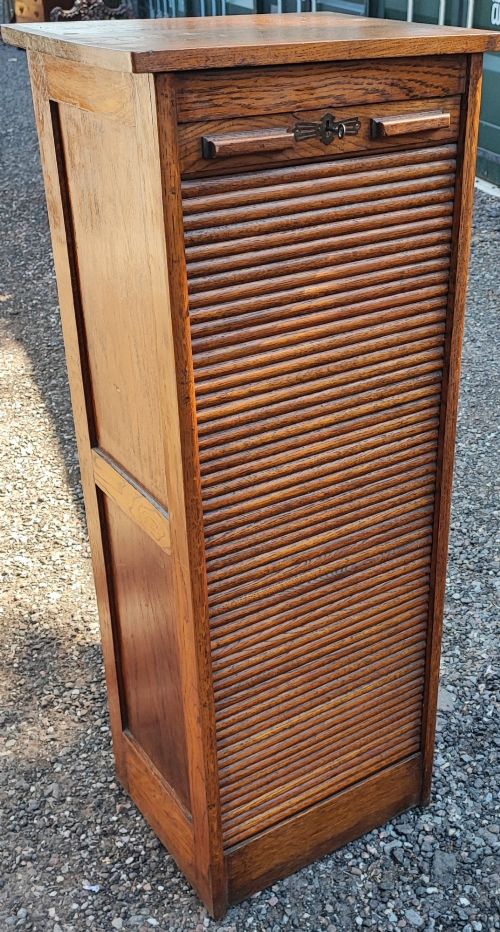
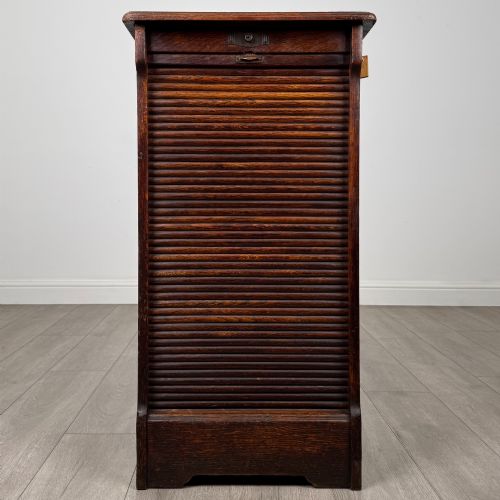
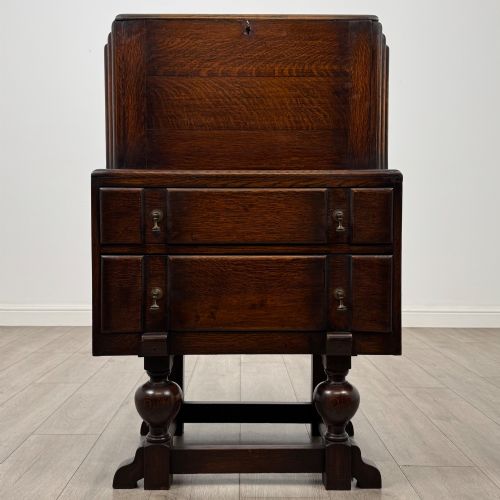
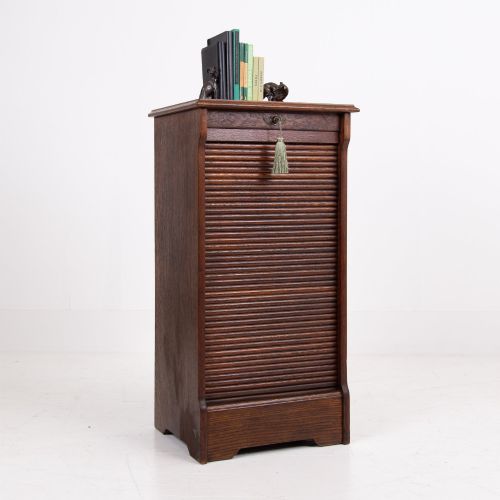
Edwardian Oak Office Cabinet
An edwardian oak office cabinet organises papers and books with robust practicality, bringing handsome utility and period warmth into a modern room.
Edwardian Oak Office Cabinet
An edwardian oak office cabinet encompasses hardworking furniture designed for the early twentieth century workspace, spanning filing furniture, bookcases, and bureaux. The evidence shows these pieces originating largely from the Edwardian era and surrounding decades, built to handle daily administrative tasks.
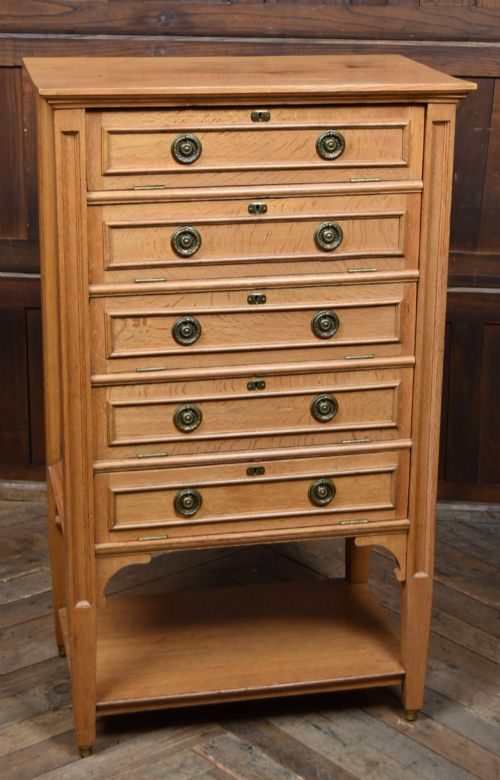
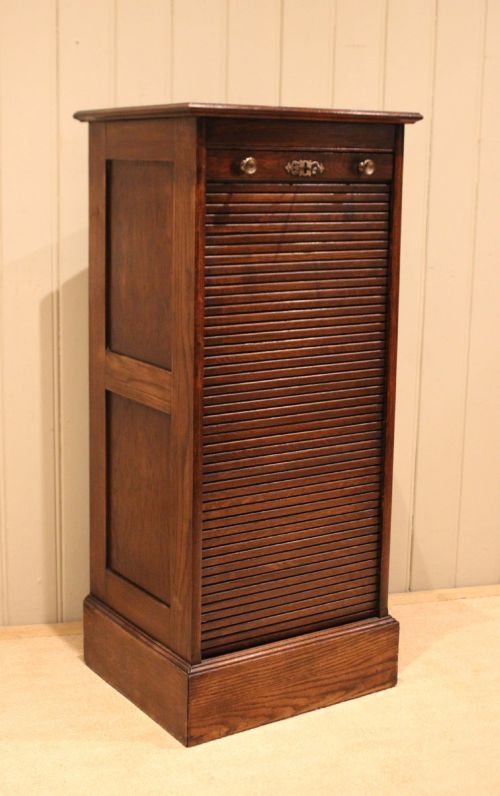
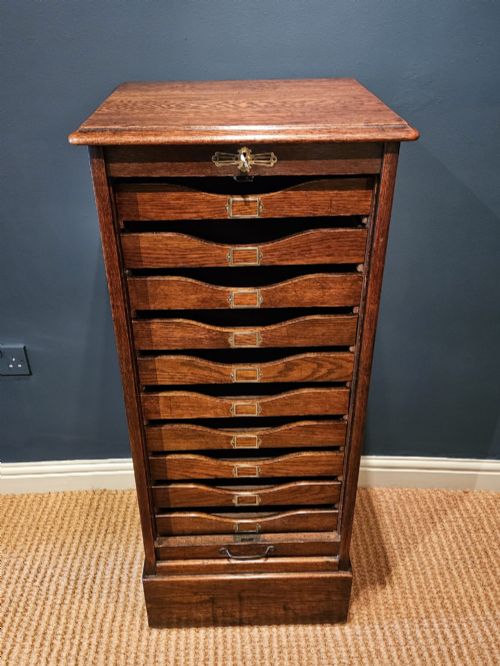
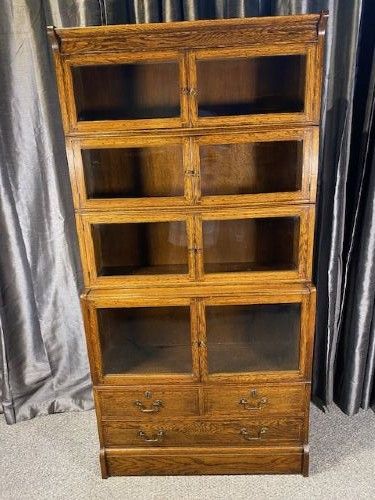
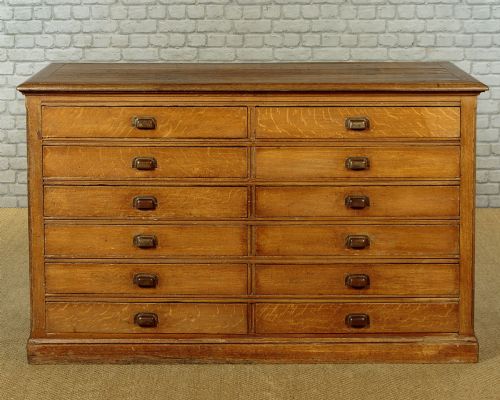
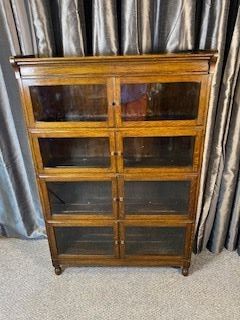
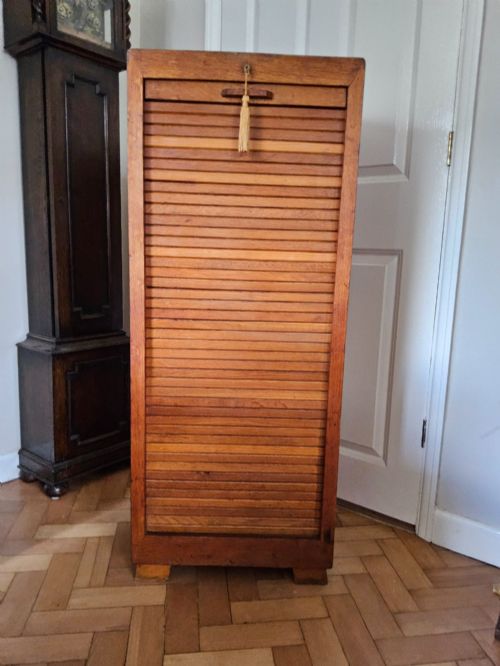
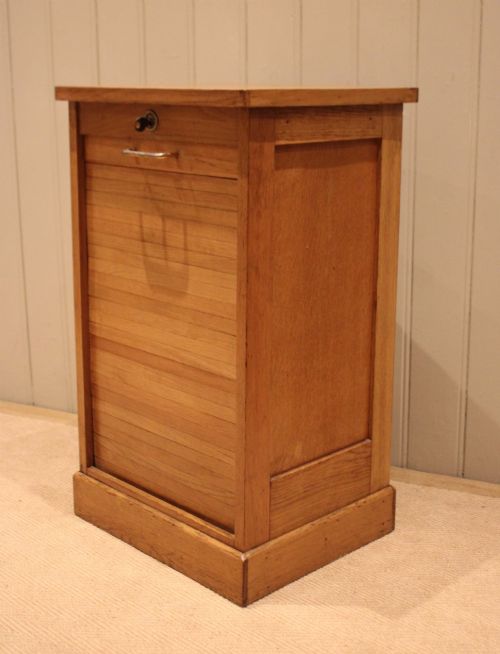
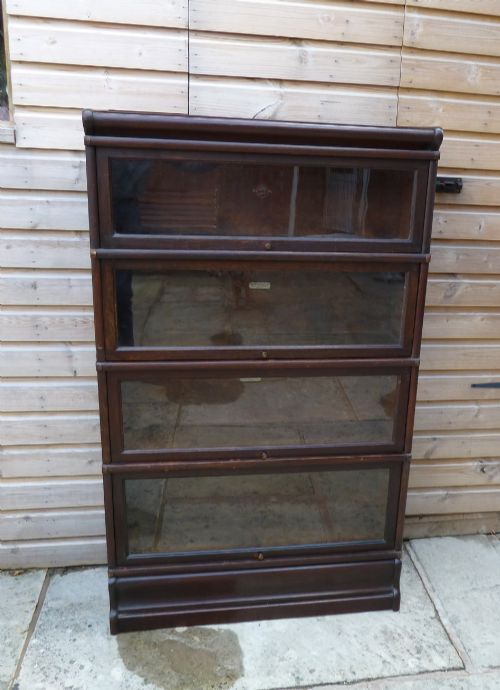
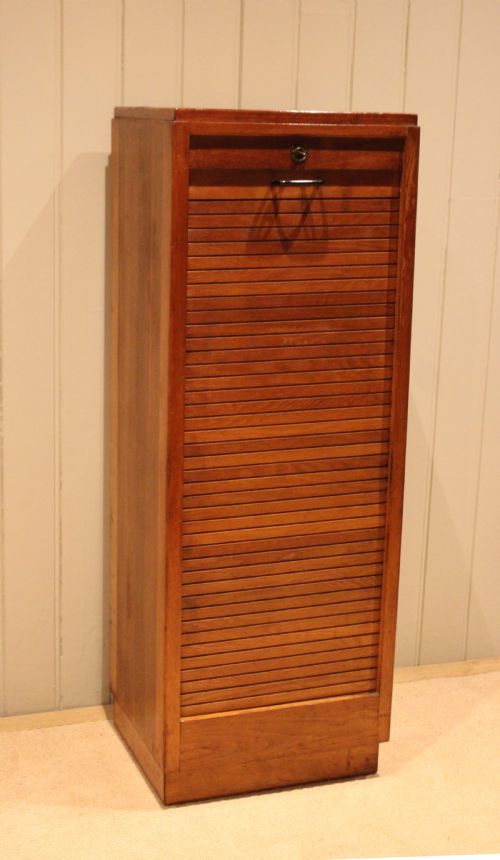
Filing formats dominate the selection, particularly tambour front cabinets that slide open smoothly alongside stacking sectional bookcases and multi-drawer banks. These utilitarian forms rely on sturdy timbers to survive heavy institutional use.
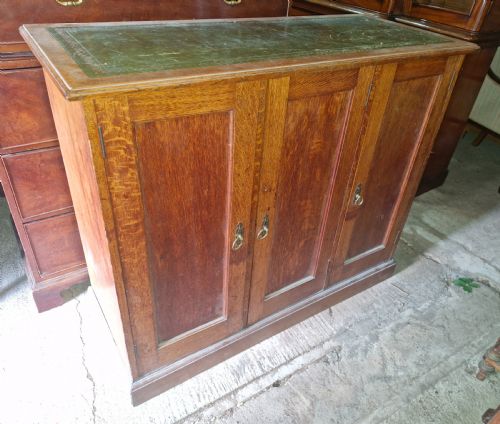
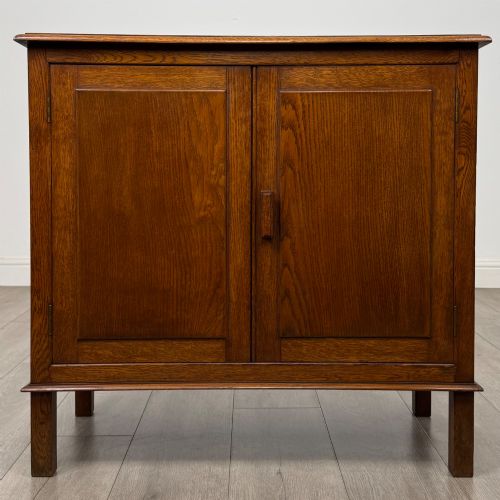
Makers and designers of the period adapted traditional domestic woods to commercial purposes, resulting in standing cabinets, writing bureaux, and specialised music or letter files that suit contemporary study rooms.
Standard and execution
The sophistication of the mechanism distinguishes standard utility pieces from finer examples, particularly in the fluid movement of tambour slats and the smooth action of drawers. Superior execution shows in tight joints, well-chosen golden or dark oak grain, and original fitted interiors.
The integrity of original hardware, such as period brass pulls and working locks with keys, elevates the standing of a cabinet. Altered interiors or replaced timber components shift a piece away from its original factory specification.
Headmasters and postal workers once relied on these very tambour drawers to hide messy paperwork from inquisitive pupils.
Globe Wernicke·Amberg·Gunn
The Edwardian Oak Office Cabinet Glossary
- Tambour
- A flexible sliding door made from narrow wooden slats attached to canvas. It retracts smoothly into the sides of a cabinet to save space.
- Stacking bookcase
- Modular shelving units designed to interlock vertically. Also known as barrister or sectional bookcases, they feature upward-lifting glass doors.
- Bureau
- A desk fitted with a slanted writing flap that folds down to reveal small internal compartments and pigeonholes for stationery.
- Haberdashery cabinet
- A form featuring banks of shallow drawers originally utilised for retail storage. They suit modern organisation of small items and papers.
Edwardian Oak Office Cabinet: Frequently Asked Questions
How do tambour doors operate?
Tambour doors run on concealed tracks cut into the sides of the cabinet frame. The flexible wooden slats slide horizontally or vertically around a tight curve.
Regular waxing keeps the tracks clear so the curtain glides without catching.
Where can I place a sectional bookcase?
Sectional bookcases divide into individual tiers, making them adaptable to rooms with low ceilings or tight stairwells. They fit neatly against study walls or living room corners.
Ensure the floor is level so the modular tiers stack squarely without binding the glass doors.
How do I care for oak office furniture?
Oak benefits from occasional application of beeswax to nourish the timber and maintain a soft sheen. Avoid placing wooden cabinets in direct sunlight or beside heat sources.
Gentle dusting with a dry cloth prevents dirt build-up in the carved details and hardware recesses.
What is the difference between an office cabinet and a bureau?
Office cabinets generally focus on vertical filing, drawers, or tambour compartments designed for document storage. A bureau incorporates a sloping flap that opens into a writing surface.
Both forms utilise durable oak to withstand administrative routines.