

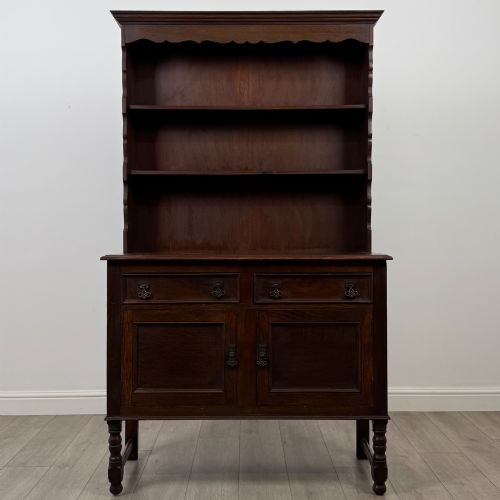


Edwardian Oak Kitchen Cabinet
These edwardian oak kitchen cabinet pieces bring genuine utility and robust craft to modern spaces, offering sturdy storage rooted in early twentieth-century domestic life.
Edwardian Oak Kitchen Cabinet
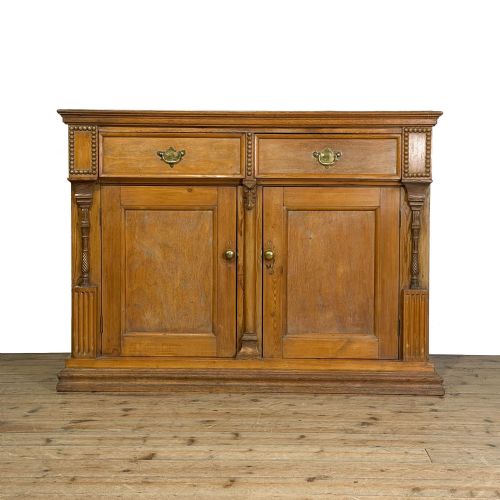
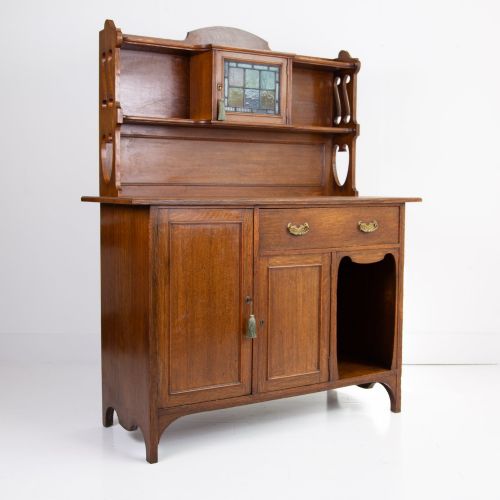
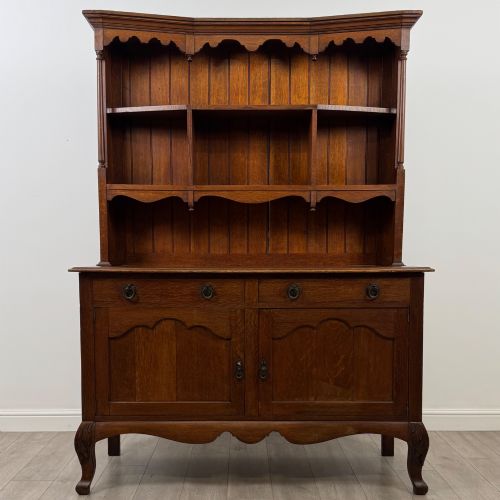
An edwardian oak kitchen cabinet or dresser brings practical storage to a home through combinations of cupboards, plate racks, and display shelving. These forms span kitchen cabinets, dressers, side cabinets, and glazed bookcases originating from the late nineteenth century into the mid-twentieth century.
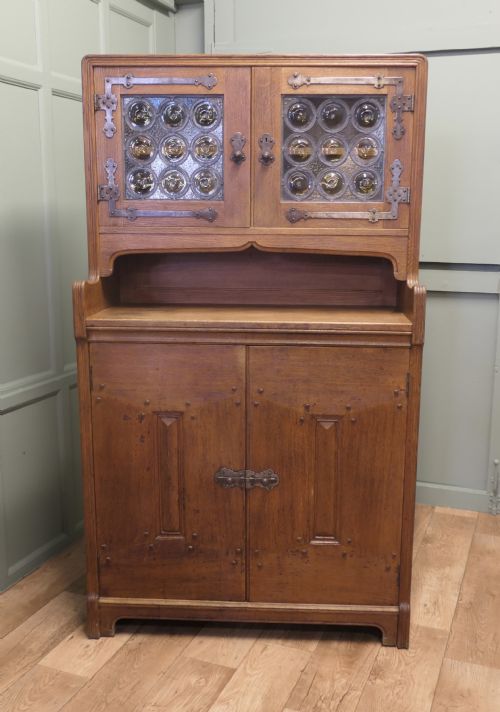
The pieces appearing on this page reflect styles such as Edwardian, Arts and Crafts, Victorian, and English Country. Their primary forms range from large carved dressers with plate racks to simpler light oak cupboards and side cabinets.
How they were made
Makers utilised solid oak, tiger oak, and golden oak as the primary timber for these cabinets, often selecting it for its durability in domestic spaces. Structural integrity relied on honest joinery suited to daily use in kitchens and pantries.
Hardware and glazing played a functional role alongside the timber, incorporating brass, iron, leaded glass, and standard glass into doors and compartments. Enamel details occasionally appeared to finish surfaces and practical fittings.
Edwardian Oak Kitchen Cabinet Retail Price Guide 2026
Typical asking prices for edwardian oak kitchen cabinet among the pieces listed under this phrase on Sellingantiques today, from the lower quarter to the upper quarter. They describe what is for sale here now, not the wider market.
Some cabinets feature clever compartmentalisation designed to keep flour, spices, and crockery dry in old country pantries.
What varies in quality
The standard of a piece rests on the selection of the oak and the crispness of any carved detailing, such as that seen on larger Edwardian dressers. Plain utilitarian cupboards rely on honest proportions and sturdy construction rather than ornamentation.
Quality also shows in the integration of secondary materials like leaded glass panels and brass hardware, which elevate simple storage furniture into considered examples of Arts and Crafts or Edwardian design.
The Edwardian Oak Kitchen Cabinet Glossary
- Plate rack
- An open shelving attachment designed to display ceramic plates upright on a dresser or cabinet. This feature is commonly found on traditional kitchen dressers.
- Tiger oak
- Quarter-sawn oak timber exhibiting a prominent flecked or striped grain pattern. This figure occurs naturally when the log is cut perpendicular to the growth rings.
- Leaded glass
- Small panes of glass held together by strips of lead cames to form geometric or decorative patterns. It frequently appears in the doors of cabinets and bookcases.
- Arts and Crafts
- A design movement valuing handcraft, traditional materials, and simple forms over mass-produced ornamentation. Pieces from this style often feature exposed joinery and honest construction.
Edwardian Oak Kitchen Cabinet: Frequently Asked Questions
What is an edwardian oak kitchen cabinet?
An edwardian oak kitchen cabinet is a practical storage item made from solid oak during the early twentieth century. These pieces were designed to hold kitchen provisions and tableware.
They often combine lower cupboards with upper shelving or display space, serving as the functional heart of a traditional kitchen.
How were these cabinets used originally?
These cabinets served as central storage units for everyday kitchen crockery, dried goods, and culinary utensils in homes. The open plate racks allowed wet plates to dry and displayed everyday pottery.
Enclosed cupboards kept food stuffs and linens protected from dust and light in busy domestic environments.
How do I style an oak dresser at home?
An oak dresser works well in a kitchen, dining room, or living space to display ceramic collections and store tableware. The warm tones of the oak complement both neutral modern interiors and traditional country spaces.
Balancing utilitarian items with decorative pottery on the shelves creates an approachable, lived-in arrangement.
How do I tell Edwardian pieces apart from Victorian ones?
Edwardian pieces generally feature lighter oak tones and simpler, cleaner lines influenced by the Arts and Crafts movement. Victorian examples tend to be heavier, sometimes utilising tiger oak and more ornate carving.
Examining the overall proportions and the presence of decorative details helps distinguish the manufacturing period of each cabinet.