





Edwardian Oak Hanging Mirror
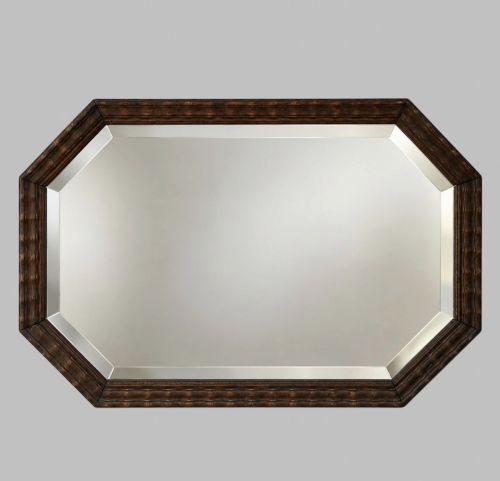
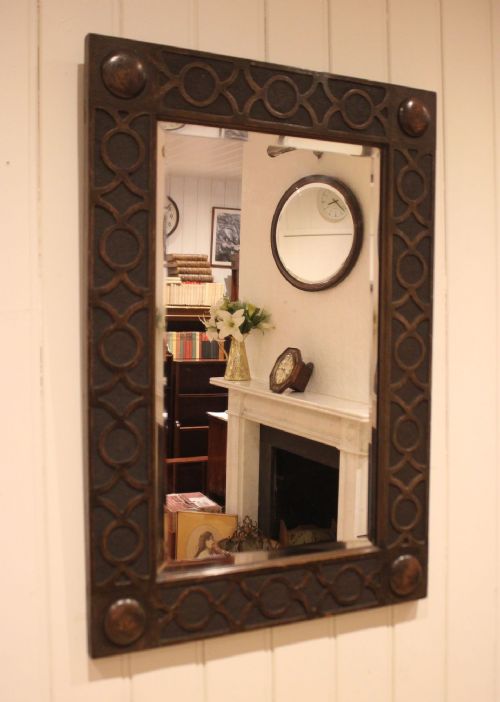
An edwardian oak hanging mirror brings architectural warmth to a hallway with deep grain and bevelled glass.
Edwardian Oak Hanging Mirror
An edwardian oak hanging mirror provides a functional wall piece built from sturdy timber, often featuring simple rectangular frames or carved detailing suited to period interiors. These mirrors appear primarily as wall-mounted items designed for hallways, cloakrooms, and bedrooms, serving both practical reflection and decorative presence.
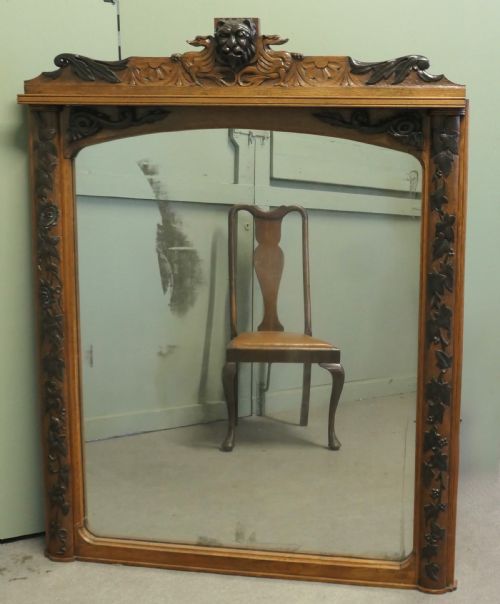
The selection on this page centres heavily on Edwardian pieces alongside Victorian and later 1920s or 1930s interpretations. Buyers encounter forms ranging from plain oval frames to large carved wall mirrors, alongside functional hybrids fitted with small shelves or key cabinets.
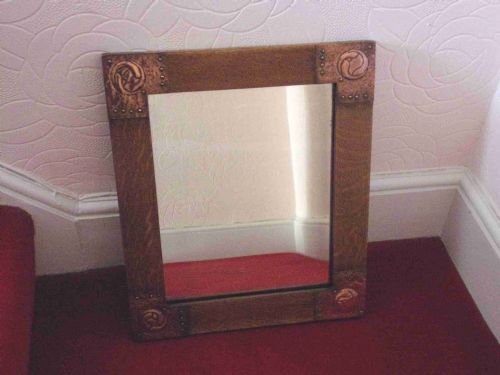
Originating from periods spanning the late nineteenth century through to the early twentieth century, these mirrors reflect domestic utility of the era. Whether plain or decorated with Celtic knot copper elements, they offer a direct connection to period interior styling.
How they were made
Construction relies upon solid oak timbers, chosen for durability and distinctive grain patterns, joined with traditional framing techniques. Workshops utilised brass and copper hardware for hanging loops or decorative mounts, while glass panels featured hand-bevelled edges to catch the light.
Surface decoration ranges from carved egg and dart motifs to inlaid details and metalwork embellishments. Artisans shaped the timber manually, resulting in variations across frames that highlight the joinery and material properties of the wood.
Edwardian Oak Hanging Mirror Retail Price Guide 2026
Typical asking prices for edwardian oak hanging mirror among the pieces listed under this phrase on Sellingantiques today, from the lower quarter to the upper quarter. They describe what is for sale here now, not the wider market.
What varies in quality
Quality separates pieces through the depth of timber carving and the clarity of the mirrored glass itself. Superior examples display crisp joinery and substantial oak frames that retain their structural integrity without warping over decades.
The refinement of secondary materials, such as heavy bevelled glass and well-cast brass or copper hardware, distinguishes standard production items from finer workshop pieces. The integration of functional elements like shelves or cabinets also influences the overall execution of the design.
Waring and Gillow
The Edwardian Oak Hanging Mirror Glossary
- Bevelled glass
- Glass with edges ground and polished to an angled slope. This technique creates a decorative border that refracts light.
- Edwardian
- A stylistic period spanning the reign of King Edward VII until the First World War. Furniture from this era often lighter in scale than Victorian equivalents.
- Jacobean Revival
- A style emulating seventeenth-century design characterised by dark stained oak and geometric mouldings. Pieces show heavy profiles and traditional joinery.
- Arts and Crafts
- A design movement valuing hand craftsmanship and simple forms over mass production. Items frequently incorporate visible construction and metalwork accents like copper.
- Pier wall mirror
- A tall, narrow mirror designed to hang on the wall space between windows. These pieces maximise light reflection in smaller domestic areas.
Edwardian Oak Hanging Mirror: Frequently Asked Questions
Where should I hang an oak mirror?
These mirrors suit narrow hallways, cloakrooms, and bedrooms where natural light benefits from reflection. Many period examples include integrated shelves or hooks making them practical for entryways.
Ensure the wall fixings match the weight of the solid timber frame and backing boards to support the piece securely.
How do I identify an Edwardian mirror?
Edwardian pieces typically combine lighter oak tones with understated carving, reflecting a shift away from heavier Victorian styles. Look for construction details and hardware consistent with the early twentieth century.
Comparing the frame style against documented pieces from the era helps confirm the period of manufacture.
Can I use these mirrors in a bathroom?
Certain surviving pieces served as shaving or bathroom cabinets during the period and fit modern cloakrooms well. Original mirrored glass may show minor age spotting which adds character.
Check the timber backing and frame condition to ensure the wood tolerates domestic humidity.
What is the difference between Victorian and Edwardian oak?
Victorian oak framing tends toward heavier proportions and darker finishes, often featuring deep mouldings like egg and dart patterns. Edwardian pieces generally present a lighter aesthetic with simpler lines.
Examining the depth of the timber and the style of decorative carving clarifies the transition between these periods.