

Edwardian Oak Dresser Base
An edwardian oak dresser base provides solid utility and honest character, bringing period storage into a modern room with straightforward charm.
Edwardian Oak Dresser Base
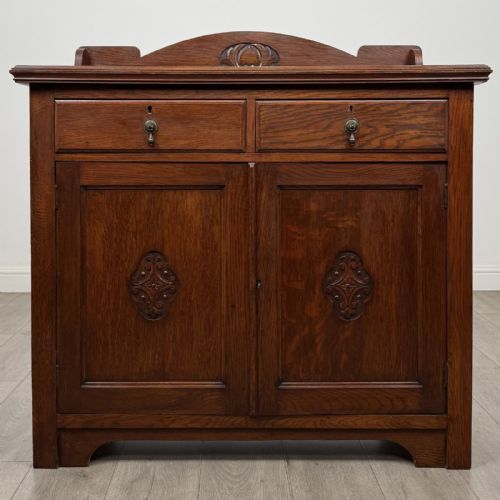
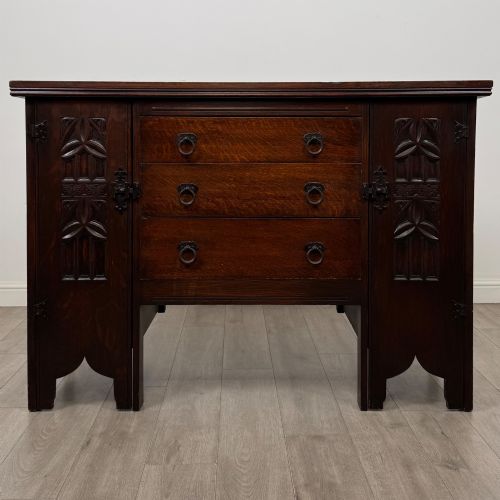
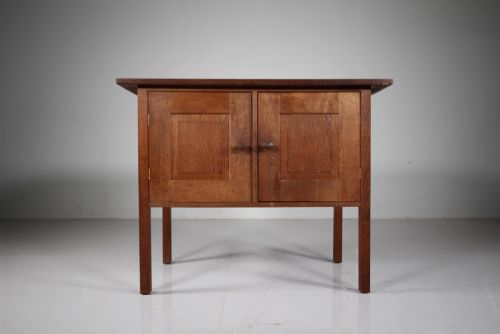
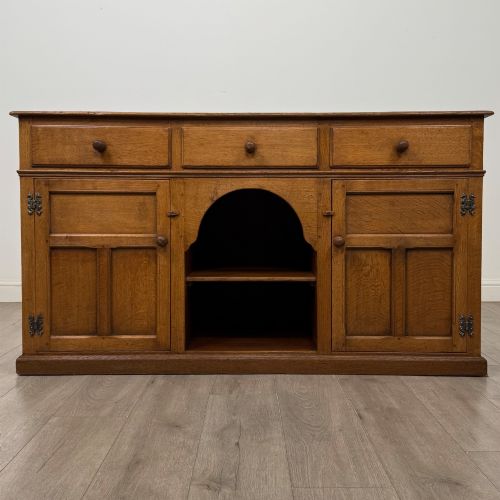
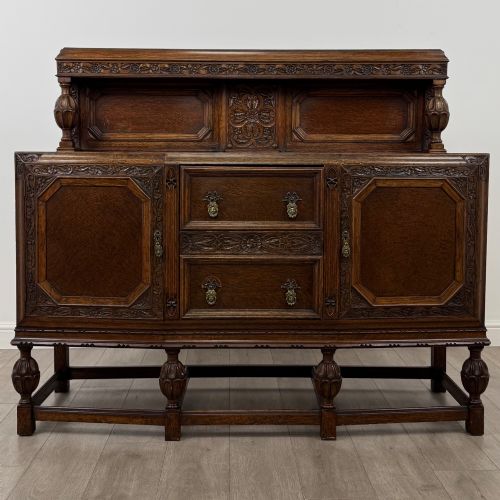
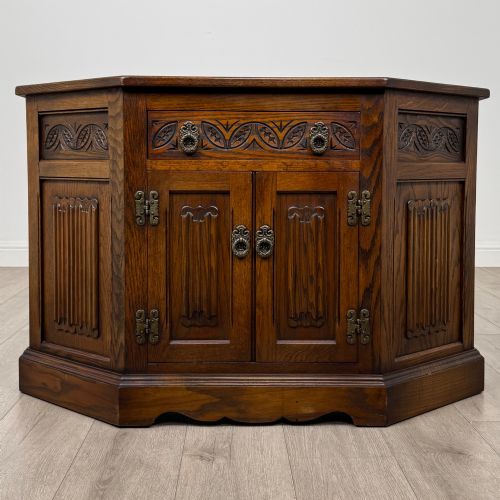
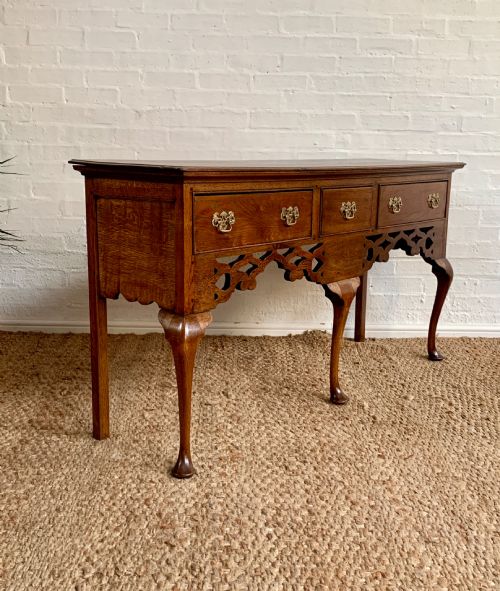
The edwardian oak dresser base stands as a practical storage piece designed for dining rooms and hallways, offering surface space above drawers and cupboards. These items appear primarily in Edwardian forms alongside pieces from the late nineteenth century and the decades immediately following.
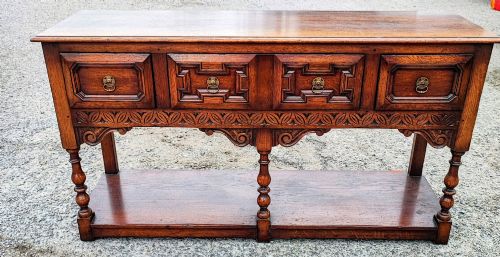
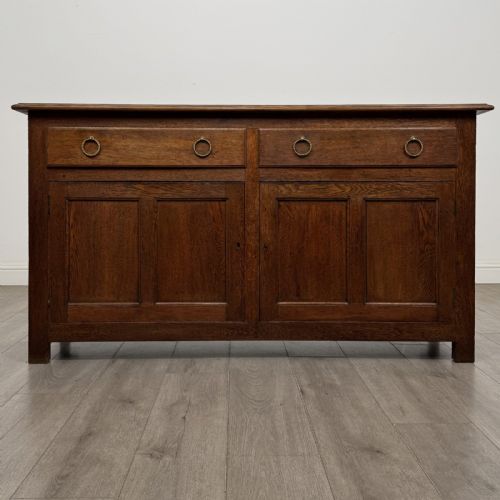
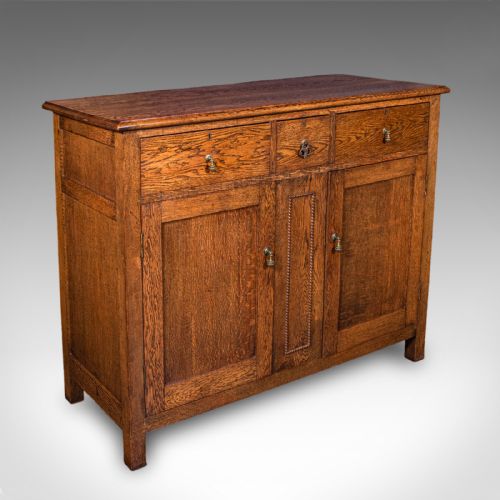
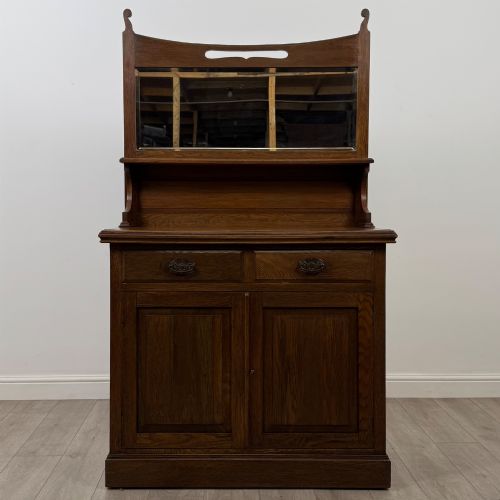
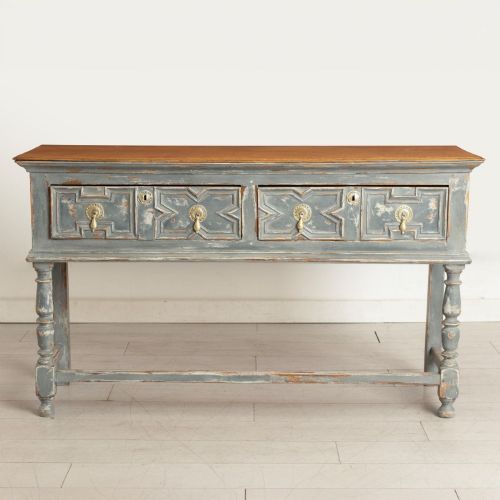
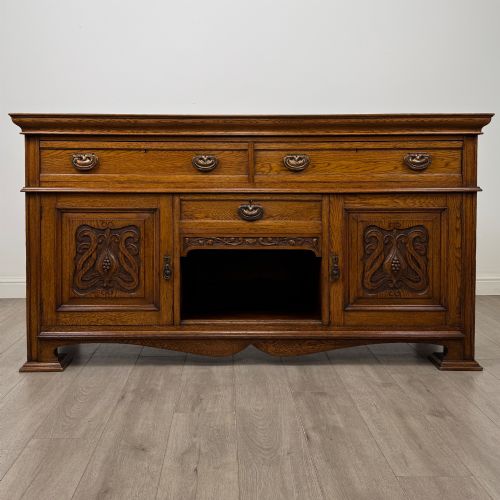
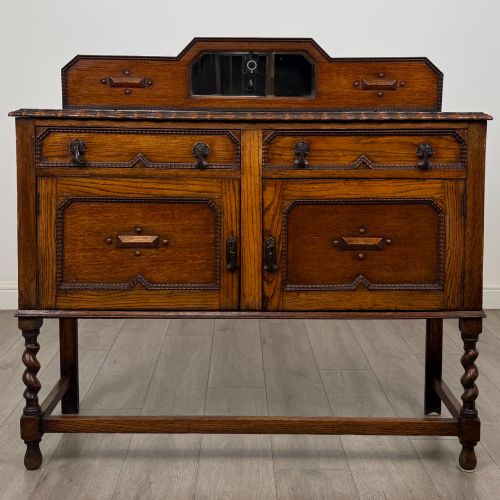
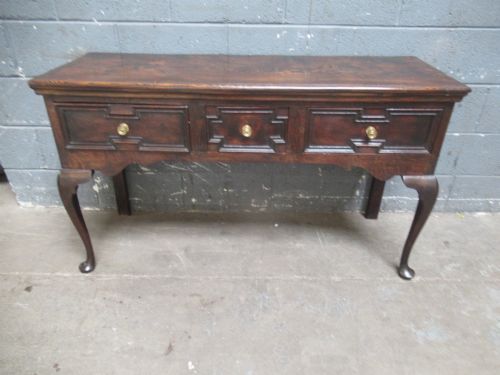
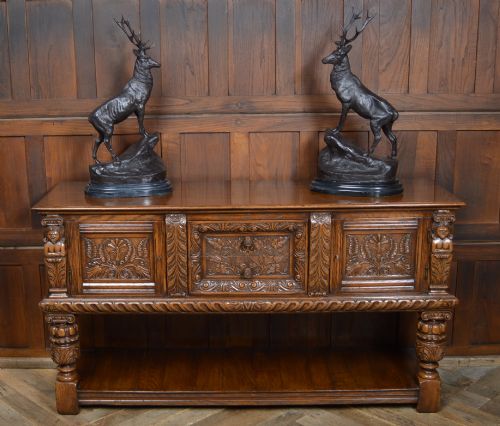
Buyers encounter formats ranging from simple serving tables with three drawers to substantial pot board bases and mirrorback sideboards. Styles span straightforward English country designs to revivalist interpretations including Jacobean, Gothic, and Arts and Crafts influences.
The timber remains consistently oak, often finished in golden tones or lighter hues, complemented by functional hardware in brass, copper, and iron. Such furniture serves everyday storage needs while displaying the solid construction characteristic of the period.
What Varies in Quality
Construction methods determine the standard of an edwardian oak dresser base, separating standard utility items from pieces showing finer workshop execution. The choice of timber grain and the crispness of carved details reveal the level of care invested by the maker.
Hardware selection and the integration of secondary materials like copper handles or mirror glass influence the overall presence of the sideboard. Pieces bearing maker stamps or distinct Arts and Crafts design sensibilities generally demonstrate higher standards of design and assembly.
Edwardian Oak Dresser Base Retail Price Guide 2026
Typical asking prices for edwardian oak dresser base among the pieces listed under this phrase on Sellingantiques today, from the lower quarter to the upper quarter. They describe what is for sale here now, not the wider market.
Period examples span from the late nineteenth century through the Edwardian era into the nineteen-thirties.
Peter Waals·T Simpson and Son
The Edwardian Oak Dresser Base Glossary
- Pot board
- An open lower shelf beneath a dresser base traditionally used for storing pots and heavy tableware. This lower tier provides structural stability and display space near the floor.
- Mirrorback
- A tall wooden superstructure incorporating a mirror plate attached to the rear of the sideboard. This feature reflects light and displays decorative items above the main surface.
- Arts and Crafts
- A design movement prioritising simple forms, honest construction, and visible handcraftsmanship over mass-produced ornamentation. Pieces in this style often feature exposed joinery and minimal decoration.
- Jacobean Revival
- A decorative style echoing seventeenth-century English furniture through heavy proportions, turned legs, and geometric panelling. Makers used these motifs to impart a sense of historical age.
- Barley twist
- A type of turning shaped like a spiral rope, frequently used for table legs and supports on sideboards. This decorative lathe work adds texture to the upright members.
Edwardian Oak Dresser Base: Frequently Asked Questions
How do I identify an Edwardian piece?
Edwardian furniture typically displays lighter oak tones and cleaner lines compared to heavy Victorian predecessors. Design influences often lean towards Arts and Crafts simplicity or restrained revival styles.
Examining the internal drawer construction and hardware fixings helps confirm the period. Makers of this era combined traditional solid oak building methods with brighter metal handles in brass or copper.
Can I use a dresser base in a hallway?
A dresser base fits well in a hallway due to its shallow depth and surface space for daily items. The drawers offer convenient storage for keys and post while keeping entryways tidy.
Slim cottage versions and simpler serving tables work particularly well in narrow circulation spaces. Their solid oak construction withstands high foot traffic and daily domestic use.
What is the difference between a sideboard and a dresser base?
A sideboard generally focuses on enclosed cabinet storage and serving space for dining rooms. A dresser base often includes open pot boards or arrangements specifically designed for utility and display.
Many listings use these terms interchangeably depending on the exact configuration of drawers and shelves. Both pieces provide robust wooden storage derived from kitchen and dining traditions.