








Edwardian Metal Planter
An edwardian metal planter brings domestic greenery indoors, shaped from copper, brass, and iron during an era of inventive interior design.
Edwardian Metal Planter
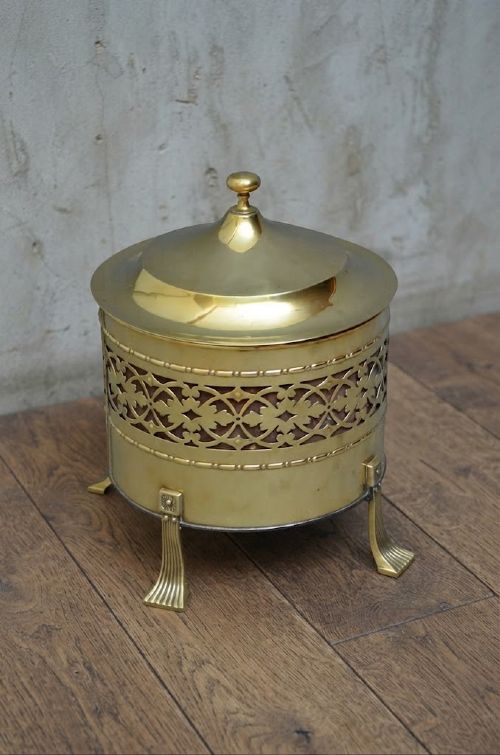
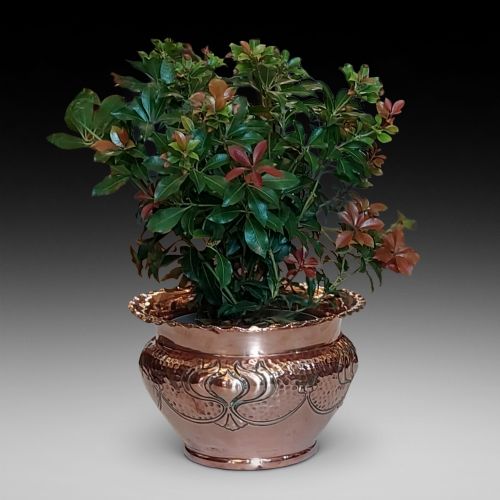
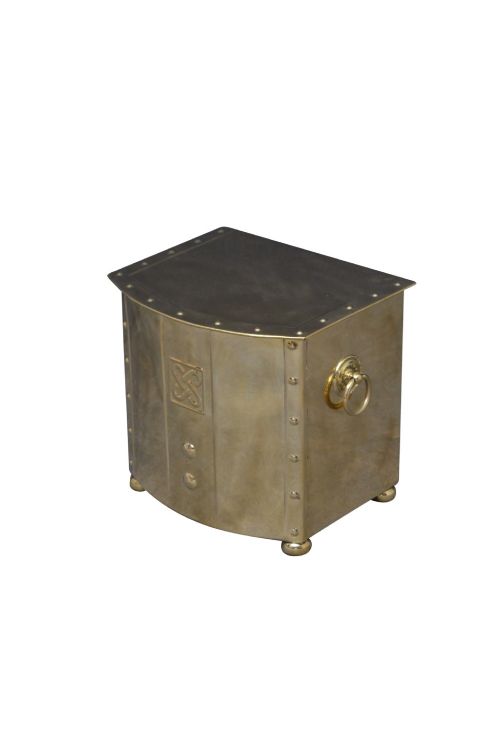
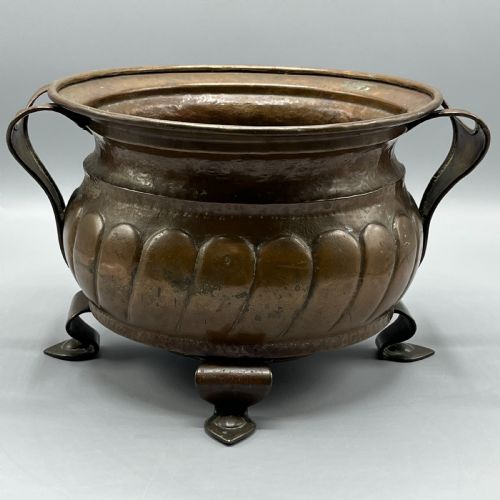
An edwardian metal planter typically takes the form of a jardiniere, coal bucket, or log bin, designed to hold potted plants or fuel beside the hearth. Many pieces bridge utility and decoration, serving equally as indoor plant holders and fireside containers.
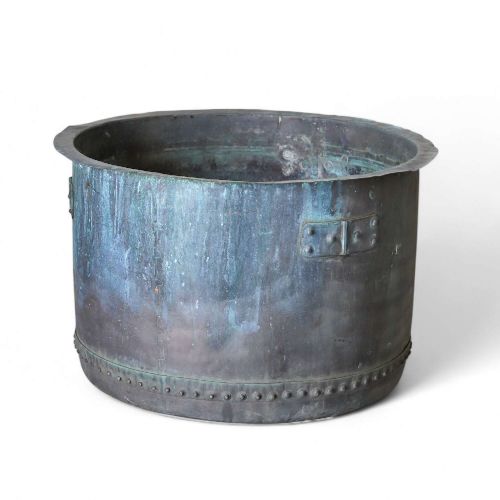
The materials span copper, brass, iron, and zinc, often carrying the hammered textures of the Arts and Crafts movement or the flowing motifs of Art Nouveau. Buyers encounter polished brass vessels alongside riveted copper bodies bearing natural patinas.
Most examples originate from the late nineteenth century through to the early decades of the twentieth century, reflecting Victorian industrial capability alongside Edwardian domestic refinement. The selection includes both utilitarian estate items and decorative vessels intended for formal conservatories.
Materials and Construction Methods
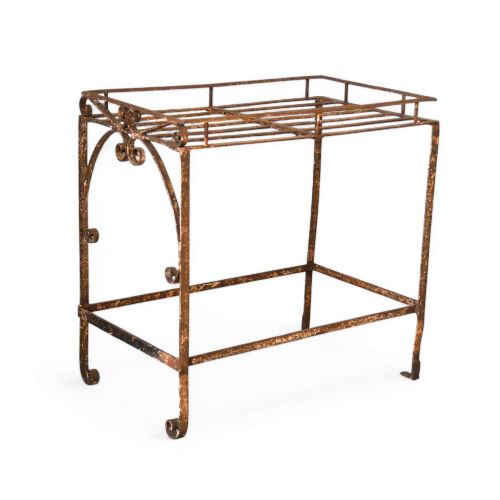
Metals such as copper and brass were sheet-rolled, hand-beaten, or spun into cylindrical and oval forms, frequently joined by visible hand-riveting that added structural strength and visual detail. Workshops utilised wrought and cast iron for heavier garden urns, plant stands, and rigid frames.
Surface decoration involved embossing, fretwork piercing, and the application of cabochons, while interior water containment was often managed through fitted metal liners. Rivets, soldered seams, and applied handles combined practical durability with the distinct aesthetic of the period.
Edwardian Metal Planter Retail Price Guide 2026
Typical asking prices for edwardian metal planter among the pieces listed under this phrase on Sellingantiques today, from the lower quarter to the upper quarter. They describe what is for sale here now, not the wider market.
Listings feature periods spanning from the Victorian era through Edwardian times up to the nineteen-thirties, utilising copper, brass, iron, zinc, and paint.
Distinctions in Quality and Make
Quality rests in the weight of the metal gauge and the integrity of the construction, where heavier sheets resist denting and support wet soil safely over time. Hand-worked details, such as neatly hammered surfaces and securely riveted seams, separate ambitious studio pieces from simpler factory outputs.
The presence of original fitted liners, distinct maker signatures, and decorative accents like lion mask handles or Ruskin cabochons elevate an object's execution and historical interest. Well-preserved patinas and honest surface wear indicate a piece that has aged gracefully without aggressive restoration.
J Sankey and Sons·Keswick
The Edwardian Metal Planter Glossary
- Jardiniere
- An ornamental pot or stand for holding plants or flowers, usually designed for indoor placement. These vessels form a primary category within metal planters.
- Patina
- The surface sheen and colour acquired by metal through age, handling, and oxidation. A rich natural patina reflects decades of exposure to the environment.
- Cabochon
- A gemstone polished rather than faceted, frequently set into metalwork during the Arts and Crafts period. They add spots of coloured ceramic or glass to copper surfaces.
- Fretwork
- Ornamental design created by piercing or cutting patterns through sheet metal. This technique appears on the sides of brass coal buckets and planters.
- Spun metal
- A manufacturing method where a rotating disc of metal is shaped over a form using a lathe. It allowed workshops to produce smooth, symmetrical bowls and bodies efficiently.
Edwardian Metal Planter: Frequently Asked Questions
What is an edwardian metal planter?
An edwardian metal planter is a decorative vessel made from copper, brass, or iron, originally used in homes and conservatories to house potted plants.
These pieces frequently overlap in form with coal buckets and jardinieres, reflecting the versatile metalworking traditions of the early twentieth century.
How do I clean an antique copper planter?
Cleaning depends on whether you wish to preserve the dark, aged surface or reveal the bright metallic tone underneath. Gentle dusting and mild soapy water are generally sufficient for routine care.
Avoid harsh chemical abrasives that strip away the natural patina accumulated over a century of use.
Can I put soil directly into an antique planter?
Many antique metal vessels lack modern rust-proof treatments and can degrade when exposed to damp soil and moisture over long periods.
Using a separate plastic or metal liner protects the historical interior from corrosion while keeping the plant secure.
How do I tell Arts and Crafts style apart?
Arts and Crafts metalwork highlights hand-beaten textures, visible rivets, and structural honesty rather than machine-smooth perfection. Designs often incorporate stylised plant motifs and hammered copper surfaces.
In contrast, later utilitarian pieces tend to feature plain galvanized or cast finishes intended strictly for heavy estate work.