




Edwardian Metal Bowl
These edwardian metal bowl examples bring together functional vessels and decorative centerpieces shaped by the distinct handwork of the period.
Edwardian Metal Bowl
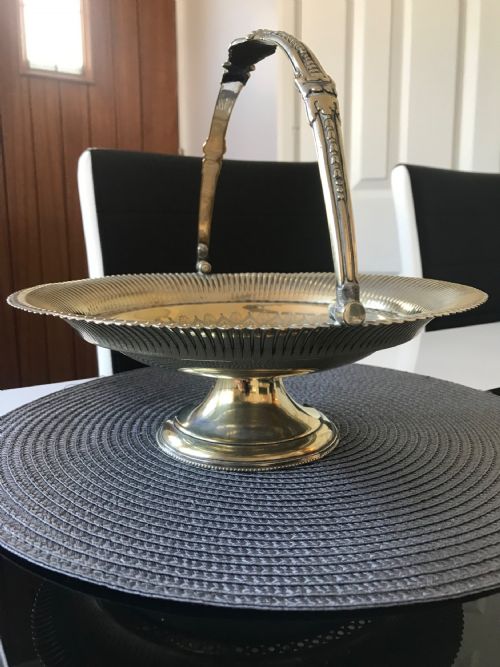
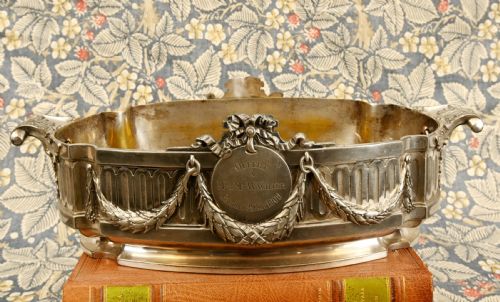
When you search for an edwardian metal bowl, you encounter domestic vessels and decorative centerpieces originating primarily from the early twentieth century. The selection ranges from plain copper vessels to elaborate centerpieces shaped in styles that reflect the tastes of the period.
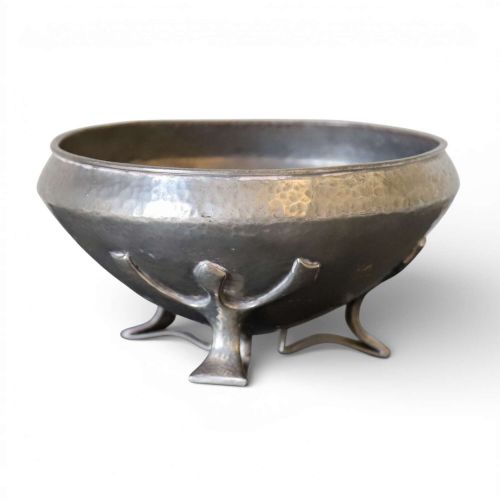
The version you are most likely to meet on this page is a copper or pewter vessel shaped during the Edwardian years or closely surrounding decades. Many of these pieces display the organic lines typical of the era, alongside more traditional neoclassical or revival forms.
Materials and construction
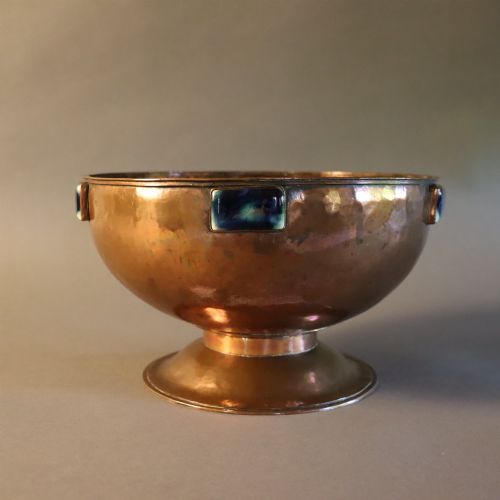
Makers utilised metals such as copper, brass, and pewter, often shaping them by hand to create pedestals, chargers, and bowls. Enamel cabochons and ruby glass inserts frequently appear as contrasting elements within the metalwork.
Silver plating and electroplated nickel silver provided a polished finish for formal dining table pieces, while hammered copper surfaces display visible tool marks left by the artisan.
Edwardian Metal Bowl Retail Price Guide 2026
Typical asking prices for edwardian metal bowl among the pieces listed under this phrase on Sellingantiques today, from the lower quarter to the upper quarter. They describe what is for sale here now, not the wider market.
Listings feature copper, pewter, silver plate, and brass across arts and crafts and art nouveau styles.
Markers of quality
Quality rests in the crispness of the hand-beating on copper surfaces and the clean integration of decorative elements like enamel cabochons or glass liners. Pieces that retain their original components, such as pierced lids or matching stands, show a higher degree of completeness.
The weight of the metal and the precision of the cast handles or mounts also separate standard commercial production from the more ambitious studio output.
Liberty & Co·Oliver Baker·Archibald Knox·WMF·Verrerie Des Vosge
The Edwardian Metal Bowl Glossary
- Tudric
- A brand name used by Liberty & Co for pewter wares, often associated with designs by Archibald Knox and Oliver Baker. These pieces are characteristic of the British Arts and Crafts movement.
- Jardiniere
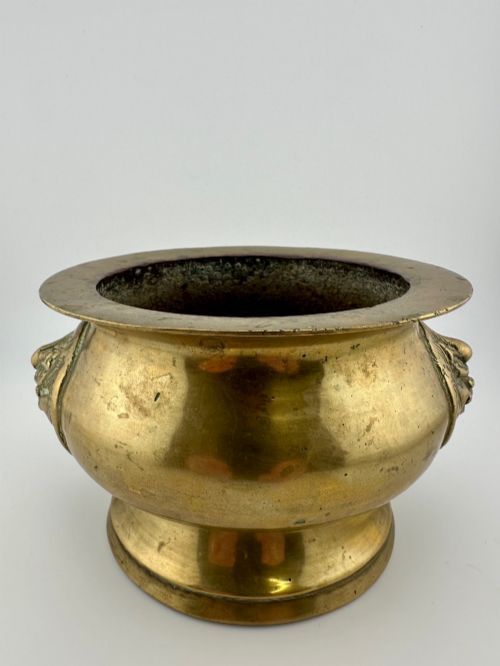
- An ornamental pot or receptacle designed to hold plants or flowers, frequently rendered in brass or copper during the Edwardian period. They often feature lion mask handles or embossed detailing.
- Pedestal bowl
- A vessel elevated on a short foot or stem, commonly produced in copper during the early twentieth century. Many examples incorporate decorative cabochons.
- Pewter
- A malleable metal alloy containing tin, used extensively for domestic vessels and decorative stands in the arts and crafts style. It takes a soft, muted finish rather than a bright shine.
- Cabochon
- A polished, convex gemstone or enamel inset without facets, frequently set into the metal rims or pedestals of arts and crafts bowls.
Edwardian Metal Bowl: Frequently Asked Questions
What metals were commonly used?
Makers relied heavily on copper, brass, and pewter, alongside silver plate and electroplated nickel silver.
These materials suited the prevailing arts and crafts and art nouveau aesthetics of the period.
How do I identify a piece?
Look for the characteristic hammered surfaces, organic lines, and material combinations such as copper set with enamel cabochons.
Maker marks or model numbers stamped into the base often confirm the origin.
Were these bowls functional?
Many vessels served practical roles on dining tables as fruit bowls, bon bon dishes, or jardiniere planters for flowers.
Others were primarily decorative centrepieces intended to display craftsmanship.
How do I care for the metal?
Gentle dusting and minimal handling preserve the original surface patination and any applied finishes.
Harsh metal polishes should be avoided, particularly on copper and pewter, to protect the historic appearance.