






Edwardian Metal Bin
An Edwardian metal bin brings practical utility and warm metallic texture to a hearth, serving as a handsome container for coal, logs, or kindling.
Edwardian Metal Bin
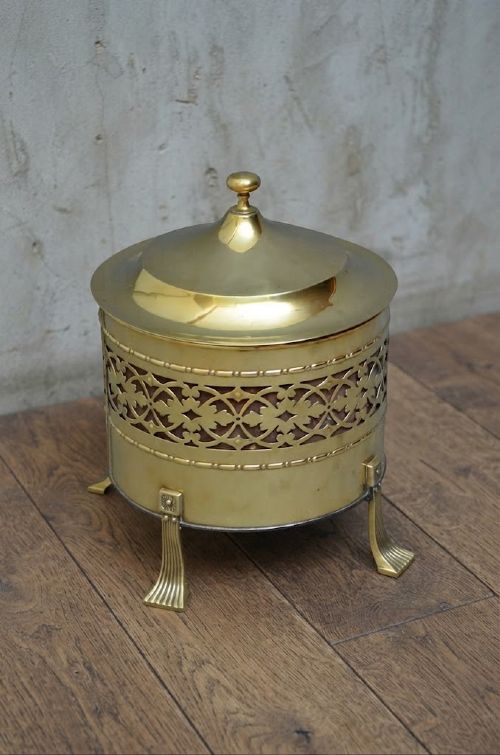
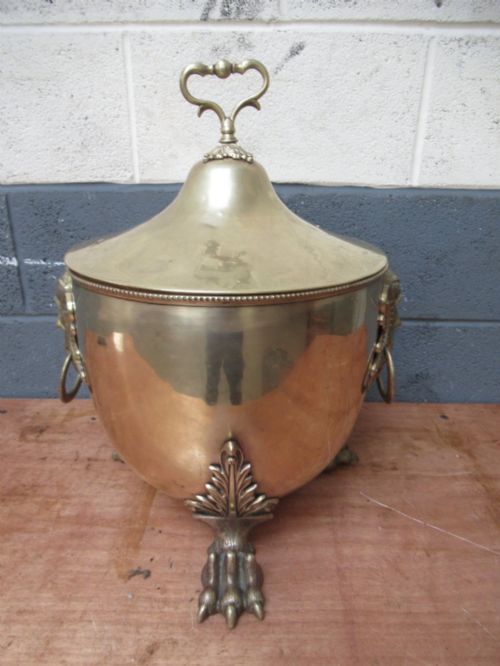
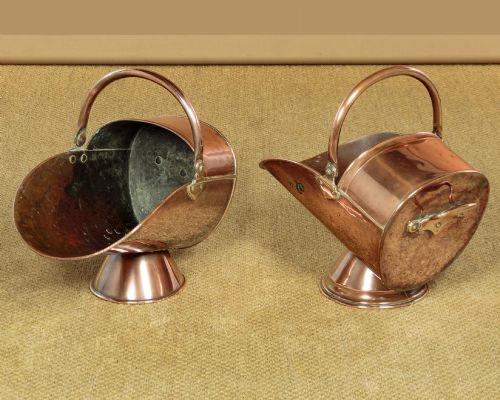
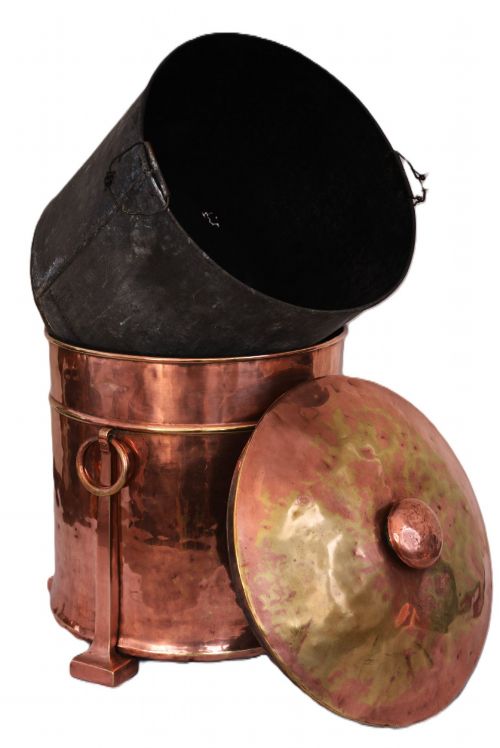
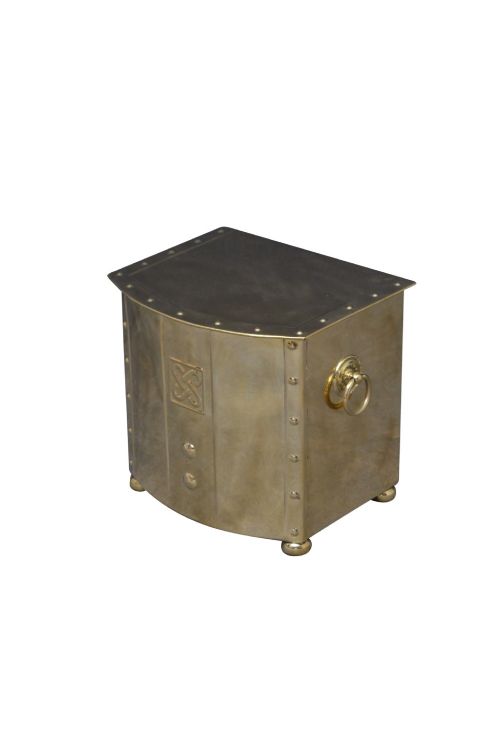
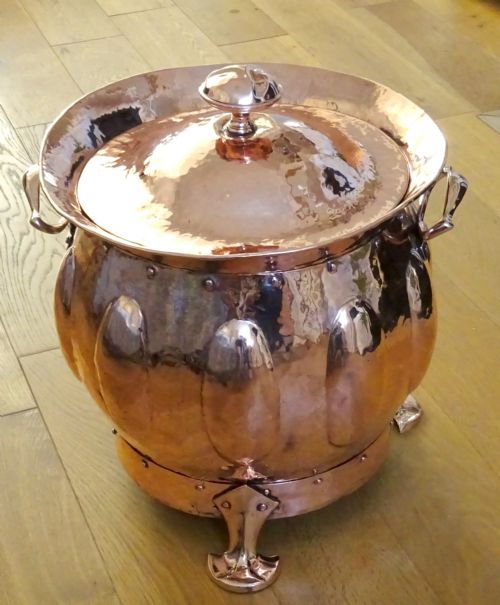
When searching for an Edwardian metal bin, collectors encounter robust domestic vessels primarily designed for hearthside fuel storage or utility use. The most common forms on this page include brass and copper coal buckets, log bins, and scuttles originating from the late Victorian, Edwardian, and Arts and Crafts periods.
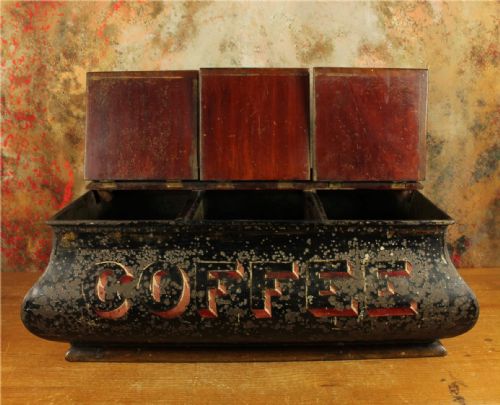
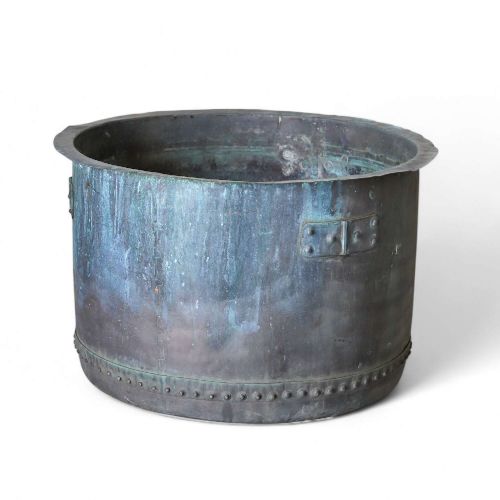
Many examples double as planters, troughs, or umbrella stands, reflecting the versatile repurposing of these durable metal containers. Pieces range from plain utilitarian galvanised tubs to decorative vessels shaped with helmet profiles or mounted in wrought iron frames.
Evaluating Quality
Quality in these metal bins rests upon the thickness of the gauge, the crispness of hand-hammered detailing, and the integrity of structural joins like rivets and handles. Superior examples display substantial weight and balanced proportions rather than thin, easily dented sheet metal.
The presence of original liners, unpolished natural patinas, and intact decorative hardware elevate a piece from a simple utilitarian container to a refined example of period metalwork.
Edwardian Metal Bin Retail Price Guide 2026
Typical asking prices for edwardian metal bin among the pieces listed under this phrase on Sellingantiques today, from the lower quarter to the upper quarter. They describe what is for sale here now, not the wider market.
Several copper coal scuttles doubling as plant pots prove that a Victorian housemaid's heavy-duty bucket makes a splendid home for a modern fern.
The Edwardian Metal Bin Glossary
- Toleware
- Painted or lacquered metalware, typically tin or steel, often associated with domestic kitchen buckets and storage boxes from the nineteenth century.
- Coal scuttle
- A bucket or container specifically shaped with a wide mouth and handle arrangement designed for carrying and pouring solid fuel onto a fire.
- Arts and Crafts
- A design movement emphasising hand-craftsmanship, simple forms, and visible construction methods such as hand-riveting and beaten metal surfaces.
- Planter and trough
- Domestic vessels repurposed from coal storage to hold plants, shrubs, or cut flowers, often utilising waterproof metal liners.
Edwardian Metal Bin: Frequently Asked Questions
What were metal bins used for?
These metal bins were primarily utilised in the home for storing and transporting coal, logs, or kindling near the fireplace.
Over time, many of these durable vessels have found a second life as decorative planters, umbrella stands, or general storage bins.
How do I clean an antique copper bin?
Most collectors prefer to leave an unpolished natural patina on copper and brass pieces, as the aged surface adds character and historical depth.
If cleaning is necessary, use a gentle cloth to remove dust without stripping the accumulated oxidation that develops over the decades.
Are these bins waterproof?
While many metal bins are constructed from solid copper or brass, original vessels often require an interior liner to hold damp soil or water safely.
Checking for the presence of an original liner helps determine whether a specific bin is suitable for use as a plant holder.
How can I tell the period?
Dating relies on observing stylistic details such as Art Nouveau sweeping lines, Arts and Crafts hand-beaten textures, or late Victorian heavy gauge construction.
Material choices, rivet styles, and construction methods also provide strong clues to whether a piece originates from the nineteenth or early twentieth century.