




Edwardian Marquetry Display Table
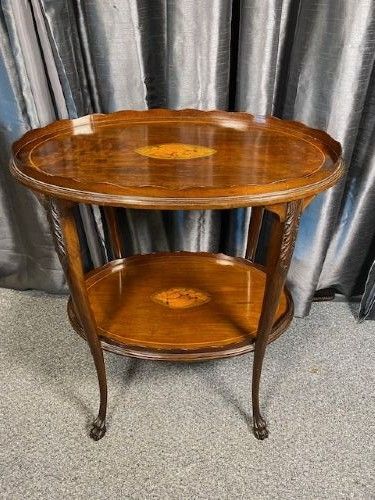
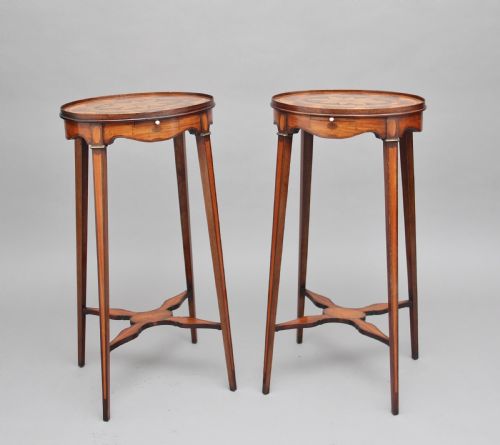
An Edwardian marquetry display table brings glass-topped elegance and fine floral inlay into a drawing room, offering a stage for small treasures.
Edwardian Marquetry Display Table
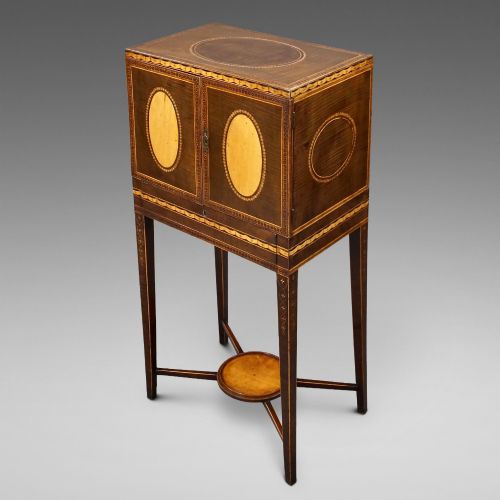
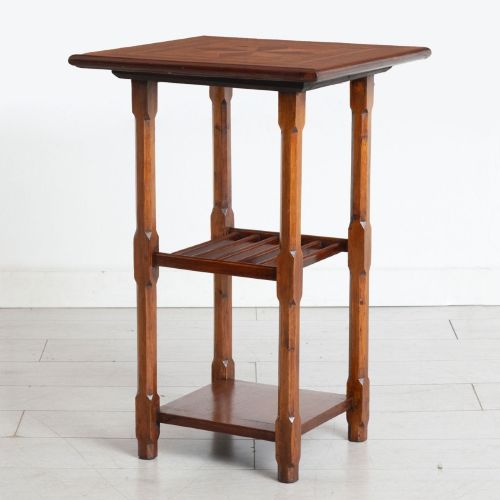
When you search for an edwardian marquetry display table, you find pieces designed to exhibit delicate objects beneath glass or upon tiered surfaces. The selection leans heavily towards Edwardian and Sheraton Revival examples, though nineteenth-century iterations also appear.
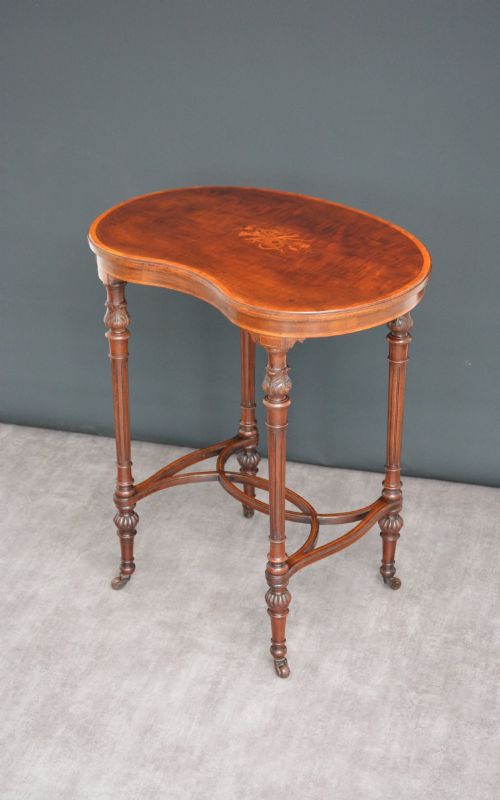
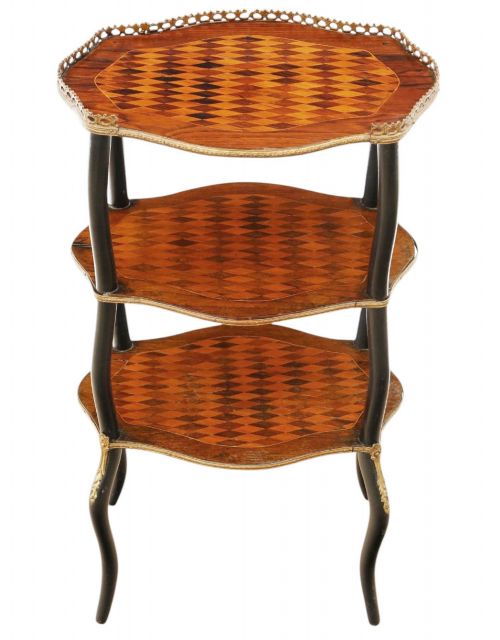
Forms range from kidney-shaped side tables and oval centre tables to multi-tiered etageres and specialised bijouterie cabinets. These surfaces combine practical occasional furniture with glazed display compartments tailored for curiosities and jewellery.
How they were made
Craftsmen built the carcases primarily from mahogany, rosewood, and satinwood, frequently applying boxwood, satinwood inlay, and marquetry to create intricate floral and neoclassical motifs. Brass mountings, ormolu, and glass panels were integrated to house and protect delicate items.
Surface decoration often included contrasting veneers arranged in geometric parquetry or flowing marquetry designs. Bone and ebony stringing also turn up, defining edges and highlighting the curves of kidney-shaped and oval tops.
The listings span multiple decades from the Victorian era through to the Edwardian period, featuring mahogany, rosewood, and satinwood.
What varies in quality
The standard of timber selection and the crispness of the marquetry inlay dictate the distinction between ordinary pieces and exhibition quality work. Finely figured mahogany or rosewood paired with precise boxwood and satinwood cutting separates standard production from superior cabinet-making.
The integration of mountings, such as ormolu fittings and well-fitted glass glazing, indicates the original tier of manufacture. Well-executed internal linings and structural stability in multi-tiered etageres mark out superior examples.
Shoolbred of London·Edwards and Roberts
The Edwardian Marquetry Display Table Glossary
- Marquetry
- Decorative veneer work forming pictorial or floral patterns. Craftsmen cut contrasting woods together to create seamless inlay across the table top.
- Bijouterie
- A glazed display compartment built into a table for holding small valuables. These glass-topped sections protect curiosities from dust while keeping them visible.
- Etagere
- A set of open shelves or tiered stages for small objects. These multi-level surfaces provide additional display space without bulk.
- Ormolu
- Gilt bronze mountings applied to furniture for decoration. This metallic embellishment catches the light around glass panels and table edges.
- Sheraton Revival
- A late nineteenth and early twentieth century style drawing on eighteenth century neoclassical designs. Pieces in this mode favour satinwood, slender legs, and symmetrical inlay.
Edwardian Marquetry Display Table: Frequently Asked Questions
What is an edwardian marquetry display table used for?
These tables served primarily in drawing rooms to hold decorative ornaments and small personal possessions. The glazed compartments protected delicate collections from dust while allowing guests to inspect them easily.
Today, they function well as lamp tables or occasional surfaces that maintain a clear view of whatever objects rest inside or upon them.
How do I tell an original edwardian piece from later revivals?
Original pieces show the natural ageing of mahogany and rosewood veneers, along with hand-cut marquetry that sits flush with the surface. Construction details like hand-cut joints and period brass hardware offer reliable clues to date.
Later reproductions often use mechanical veneer slicing and lack the subtle patination built up through a century of daily use.
What is the difference between an etagere and a bijouterie table?
An etagere provides open tiered shelves designed to hold small ornaments or books across multiple levels. A bijouterie table incorporates a glass-topped box or well specifically meant for securing jewellery and flat curiosities.
Both forms belong to the wider family of display furniture common in the late nineteenth and early twentieth centuries.
How should I care for satinwood and marquetry surfaces?
Keep these pieces away from direct sunlight and strong heat sources to prevent the delicate satinwood and rosewood veneers from drying out. Regular dusting with a soft, dry cloth preserves the polished finish without harming the inlay.
Avoid liquid polishes and use beeswax sparingly to maintain the natural sheen of the timber.