


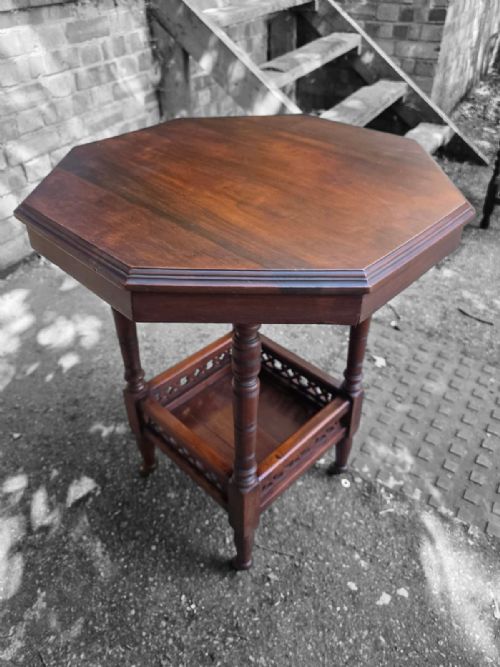
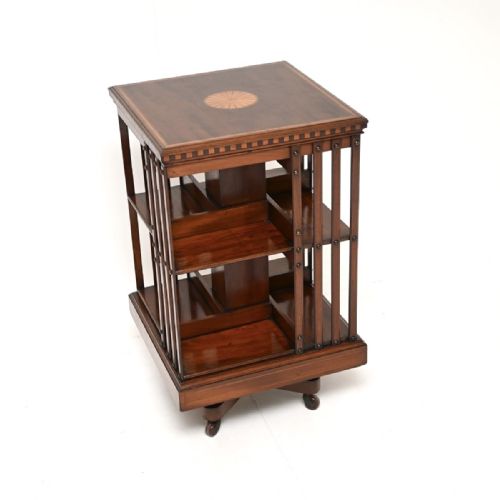
Edwardian Mahogany End Table
An edwardian mahogany end table provides a compact surface for lamps and books, combining durable tropical timber with subtle period elegance.
Edwardian Mahogany End Table
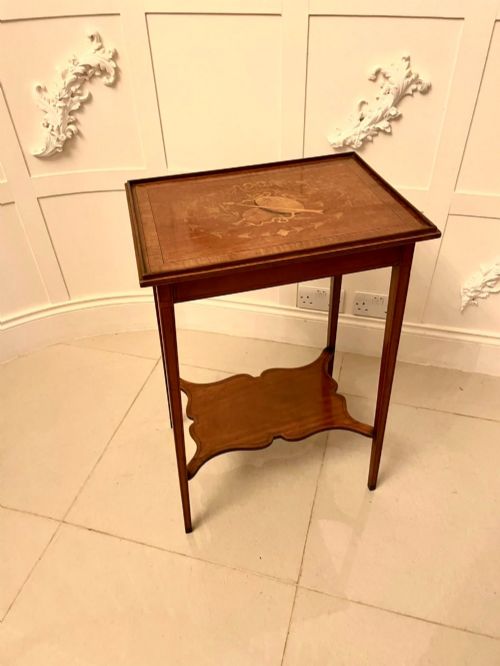
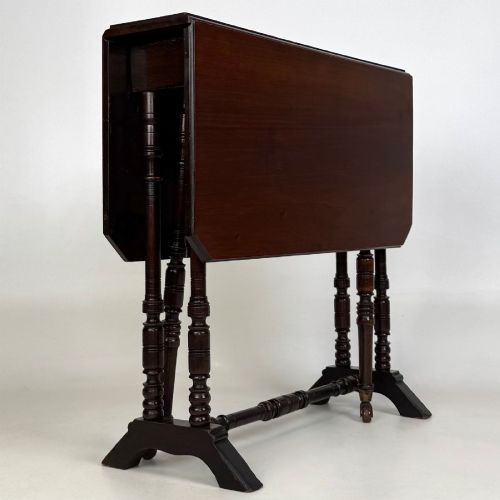
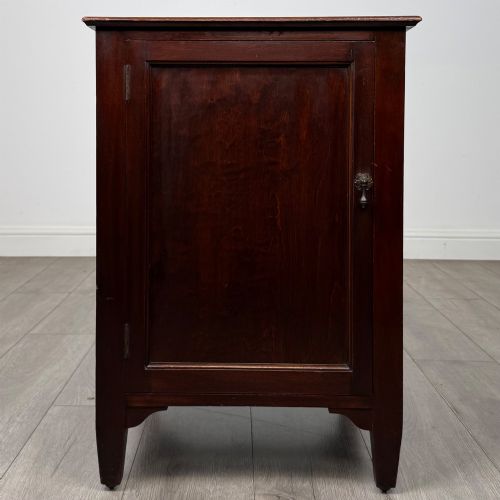
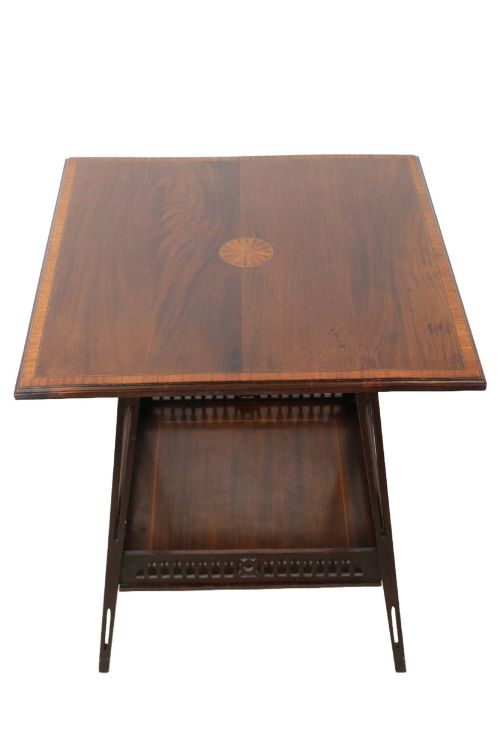
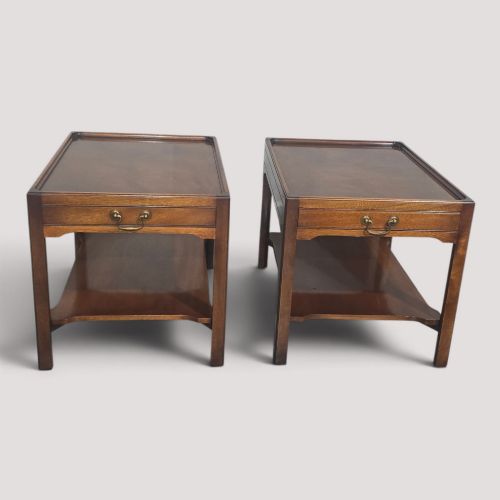
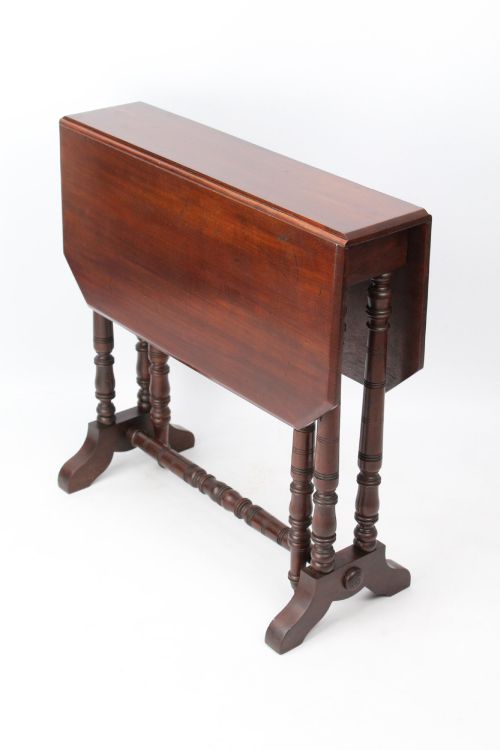
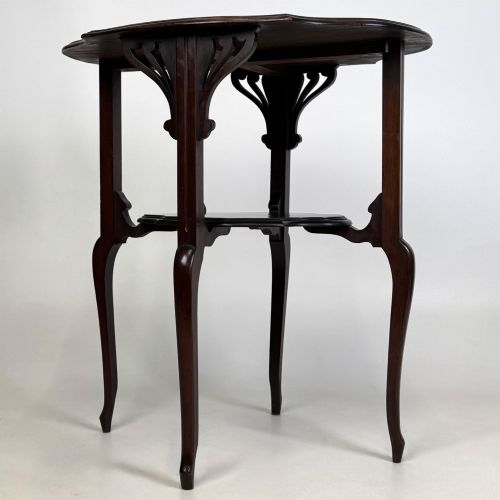
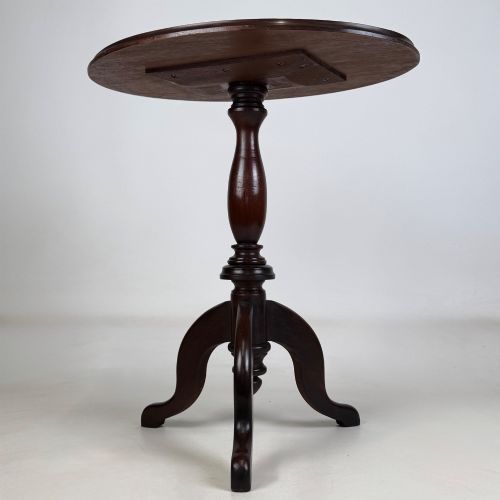
An edwardian mahogany end table typically manifests as a side, lamp, or occasional table produced around the start of the twentieth century. These smaller occasional forms are the most common variants encountered on this page.
Makers of this era frequently drew inspiration from earlier design idioms, resulting in pieces reflecting Sheraton Revival or Chippendale Revival styles alongside simpler Edwardian interpretations.
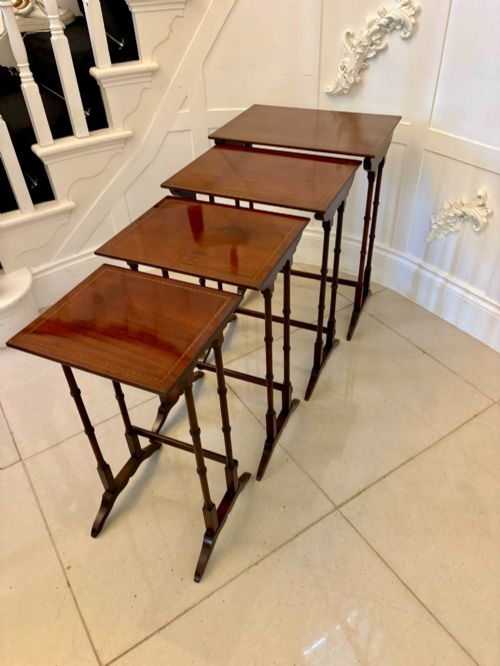
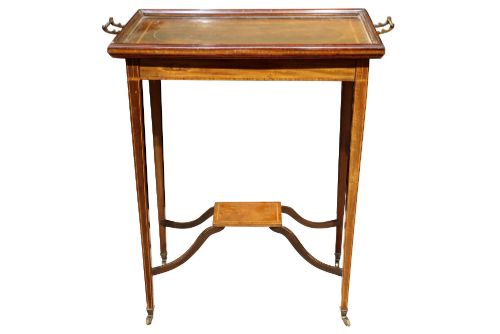
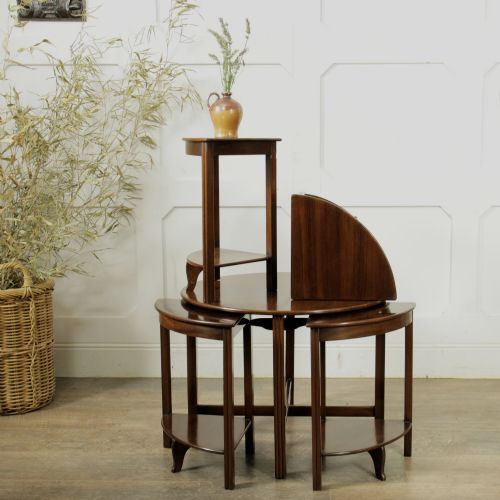
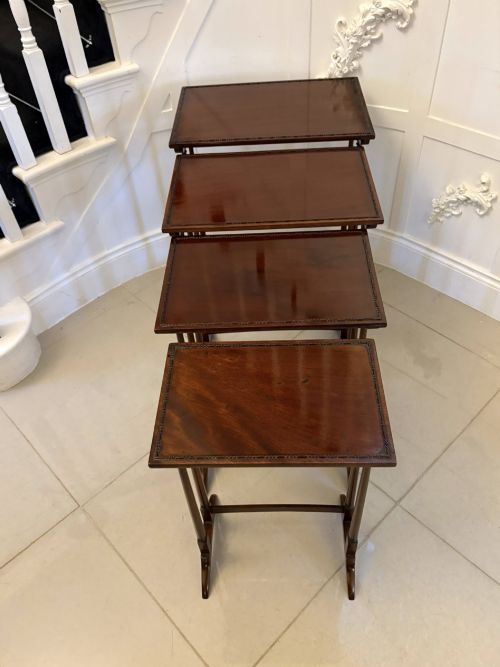
Beyond standalone rectangular and oval designs, the category encompasses nests of tables and pieces featuring subtle tray tops or lower tiers for supplementary storage.
Materials and Construction
Solid and veneered mahogany served as the primary timber, valued for its rich reddish-brown tone and stable working properties.
Craftsmen often embellished surfaces with contrasting stringing and geometric motifs using boxwood and satinwood inlay.
Secondary details frequently incorporated brass hardware, such as castors or drawer pulls, alongside fitted leather inserts on specific writing and occasional surfaces.
Several tables include lift-up lids or nested configurations designed to multiply surface area instantly.
Assessing Craftsmanship
Finer examples distinguish themselves through the selection of figured mahogany veneers and the precision of hand-cut boxwood or satinwood inlay work.
Structural refinement separates standard production from superior pieces, evident in tight joinery, sound weight distribution, and integrated secondary tiers or nesting capabilities that operate smoothly.
Trevor Page And Co·Waring And Gillow·Maple And Co
The Edwardian Mahogany End Table Glossary
- Satinwood inlay
- A decorative technique where contrasting light satinwood is set flush into the mahogany surface to form delicate borders or motifs.
- Tray top
- A tabletop finished with a raised moulded rim designed to prevent small objects from rolling off the surface.
- Nest of tables
- A graduated set of smaller tables designed to fit neatly beneath one another when not in use.
- Boxwood
- A dense, pale wood frequently utilised for fine stringing lines on Edwardian cabinet furniture.
- Occasional table
- A light, movable table intended for versatile placement around a principal living space.
Edwardian Mahogany End Table: Frequently Asked Questions
Where should I place an end table?
These compact tables suit positions beside armchairs or sofas to hold reading lamps and small decorative items.
Their restrained proportions also allow them to function effectively as bedside surfaces or freestanding lamp stands in smaller reception rooms.
How do I care for mahogany surfaces?
Routine maintenance involves dusting with a soft cloth and occasionally applying a traditional beeswax polish to nourish the timber.
Direct sunlight and excessive heat sources should be avoided to prevent the mahogany finish from fading or drying out over time.
Are nested tables sturdy?
Nested sets are constructed to balance space-saving utility with everyday stability when individual tables are deployed.
Each smaller unit locks securely into its frame or slides smoothly on designated runners built into the primary table structure.
How can I identify Edwardian period pieces?
Edwardian furniture typically displays lighter proportions and brighter mahogany tones than heavier Victorian precedents.
Design motifs frequently reference eighteenth-century revivals, executed with machine-assisted precision alongside traditional hand joinery.