




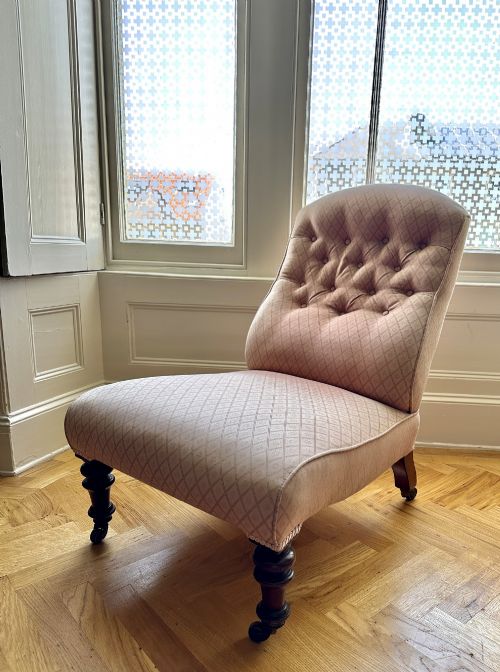
Edwardian Low Seat
An Edwardian low seat brings compact comfort and period character to a room, offering low-slung seating built for relaxation.
Edwardian Low Seat
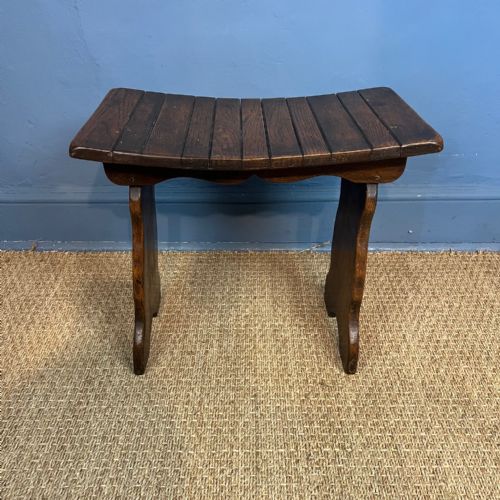
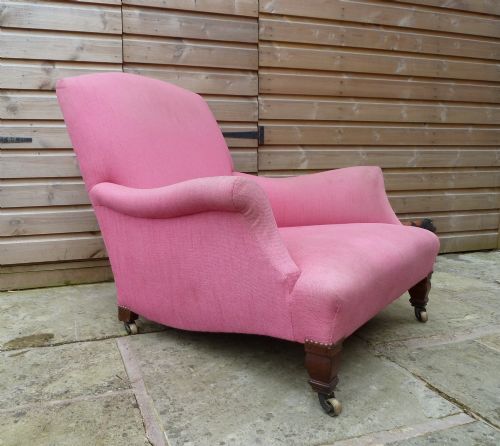
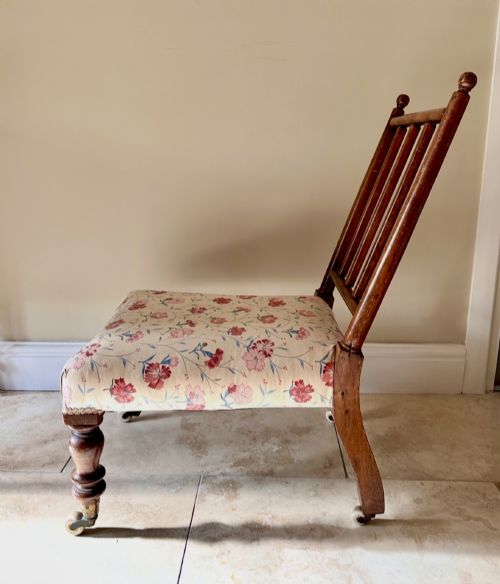
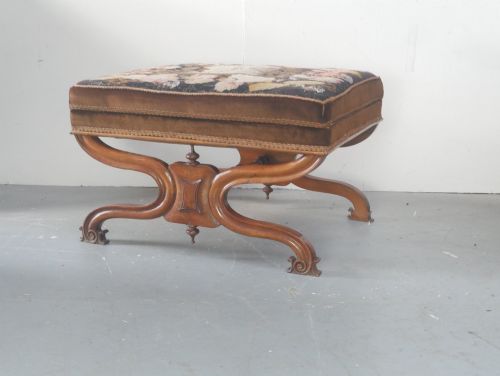
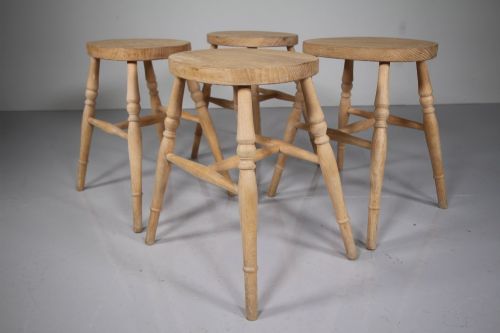
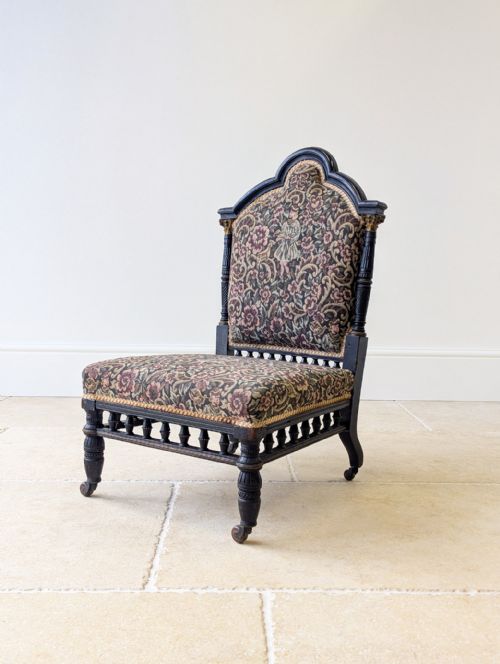
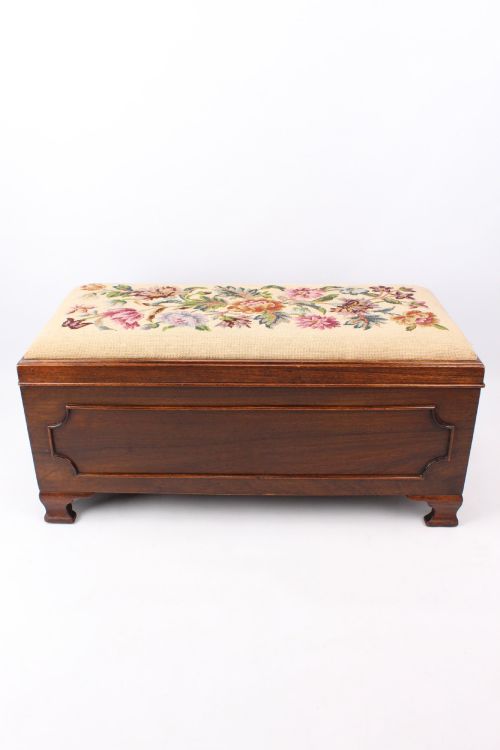
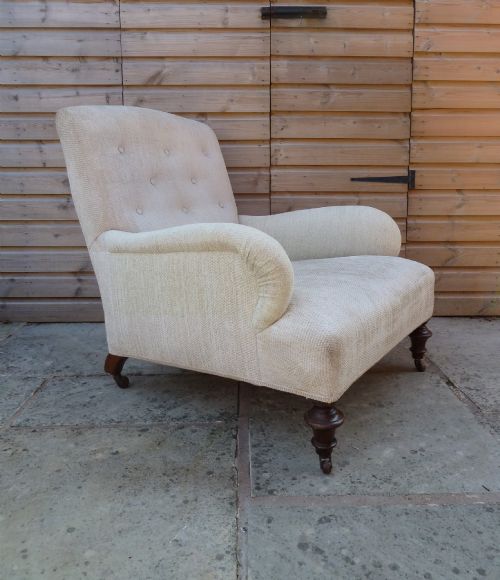
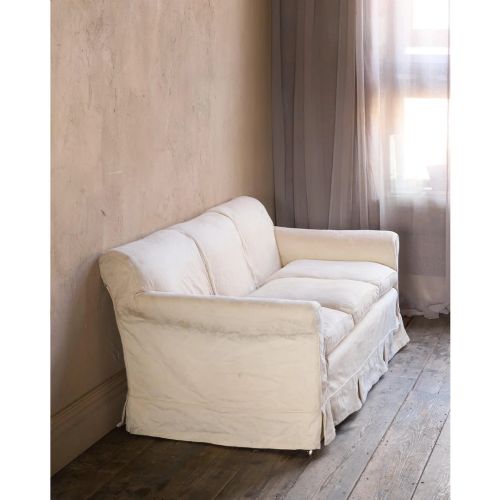
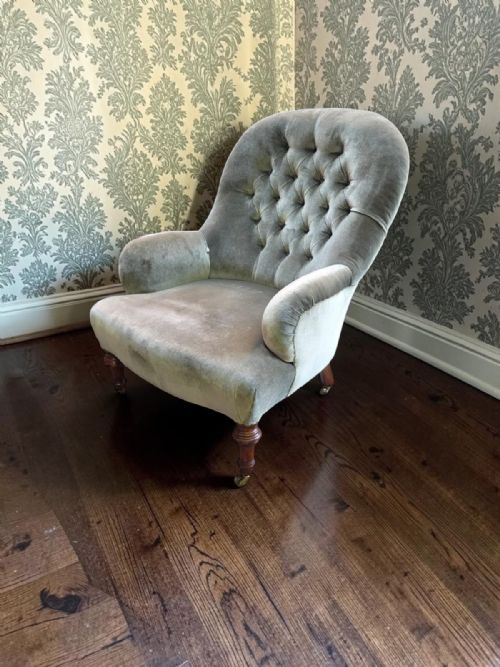
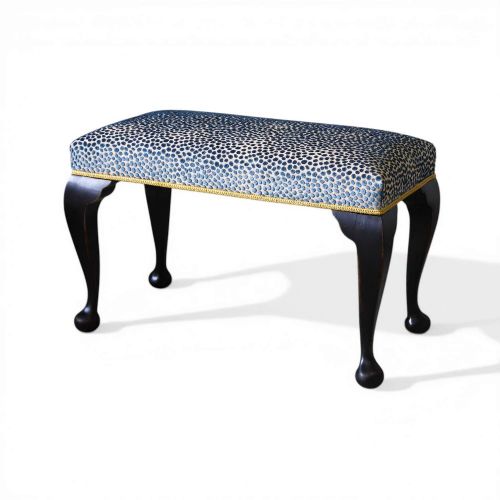
When you search for an edwardian low seat, you encounter a variety of low-slung chairs and stools designed for dressing rooms, bedrooms and parlours. These pieces include slipper chairs, nursing chairs, compact armchairs and footstools dating primarily from the late nineteenth and early twentieth centuries. The selection on this page ranges from simple turned-leg stools to deep-seated armchairs influenced by maker styles such as Howard and Sons.
The most common forms you meet are low armchairs and upholstered stools, often featuring sprung seats and buttoned backs. Materials span walnut, mahogany, oak and beech frames paired with velvet, fabric, rush or leather upholstery. Styles stretch from straightforward English country house pieces to decorative items with Aesthetic Movement or Moorish Revival influences.
How they were made
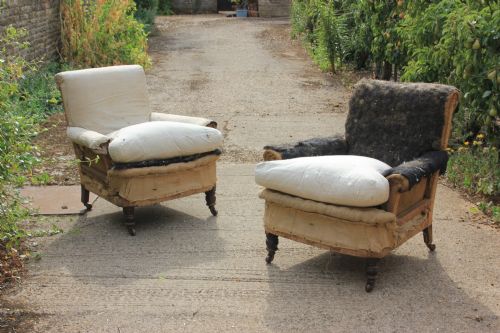
Makers constructed the frames of these low seats using traditional timbers such as mahogany, walnut, oak, beech and ebonised wood, joined with mortise and tenon techniques. Turned legs, cabriole legs, and claw and ball feet appear frequently, shaped from solid hardwoods.
Upholstery methods involved heavy textiles, velvet, leather, rush and kilim seat covers, often supported by internal webbing and traditional button-back padding. Brass detailing or brass club fender elements occasionally accent the timber and fabric structures.
Edwardian Low Seat Retail Price Guide 2026
Typical asking prices for edwardian low seat among the pieces listed under this phrase on Sellingantiques today, from the lower quarter to the upper quarter. They describe what is for sale here now, not the wider market.
Materials appearing across these low seats span mahogany, walnut, oak, beech, brass, velvet, rush, leather and textile.
What varies in quality
Quality in an edwardian low seat rests upon the integrity of the timber frame and the depth of the upholstery work. Pieces with firm, supportive internal springing and sound joinery stand apart from those with loose frames or degraded padding.
The refinement of the carving on wooden elements, from cabriole legs to spindle-backs, signals the level of craftsmanship involved. Original upholstery materials and branded stamps also differentiate standard workshop production from higher-tier output.
Howard and Sons·Liberty Morris And Co
The Edwardian Low Seat Glossary
- Slipper chair
- A low-seated upholstered chair originally designed for bedrooms to allow ladies to sit while putting on shoes. They generally possess short legs and an upright or buttoned back.
- Nursing chair
- A low armchair traditionally used for feeding infants, characterised by a compact frame that keeps the sitter close to the floor. These often feature low seats and supportive high backs.
- Bergere
- A type of enclosed upholstered armchair with wooden frames and wicker or cane panelling on the back and sides. This French-inspired form provides a lighter visual weight in a room.
- Cabriole leg
- A furniture leg that curves out at the knee and tapers inward to an ankle, finishing in a foot such as a pad or claw and ball. This shape derives from ancient furniture designs revived during later periods.
Edwardian Low Seat: Frequently Asked Questions
What is an edwardian low seat used for?
These pieces served practical functions in bedrooms and dressing rooms, providing comfortable, low seating for dressing or resting near the fire. Their compact height made them ideal for private chambers and smaller reception spaces.
Today, they adapt easily to modern living rooms, studies or bedrooms as accent seating. Their low profile allows them to fit beneath windows or in corners where standard armchairs would overwhelm the room.
How do I identify an edwardian low seat?
Look for proportions that sit lower to the ground than standard dining or salon chairs, often paired with deep upholstery and turned or cabriole wooden legs. Materials typically include Edwardian and Victorian hardwoods like walnut and mahogany.
Check for construction details such as hand-turned wooden components, traditional joinery and period textiles like velvet, rush or leather. Stylistic touches from the Arts and Crafts or Aesthetic Movement often accompany these designs.
Are these low seats comfortable for daily use?
Many examples were built with deep seats and sprung interiors designed specifically for sustained relaxation. The supportive backrests and padded cushions offer genuine comfort for reading or lounging.
Some pieces, particularly older or simpler stools with rush or cane seats, offer a firmer sit intended for occasional use at a dressing table or desk rather than lounging.
How do I care for antique upholstery?
Protect delicate fabrics and velvet surfaces by keeping them out of direct sunlight to prevent fading. Regular gentle vacuuming with a soft brush attachment removes dust without damaging the fibres.
For leather or wood elements, apply appropriate conditioning waxes sparingly to maintain the finish. Professional conservation is recommended for re-webbing or deep restoration of internal padding.