




Edwardian Leaf Jewellery
Edwardian leaf jewellery captures the delicate botanical forms of the early twentieth century through precious metals and gemstones.
Edwardian Leaf Jewellery
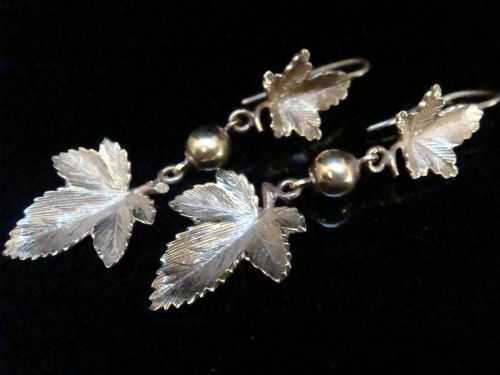
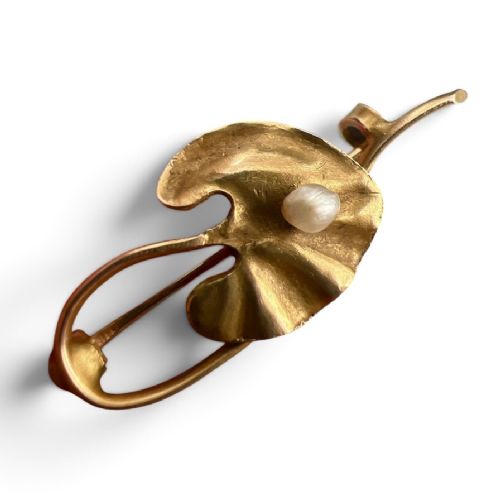
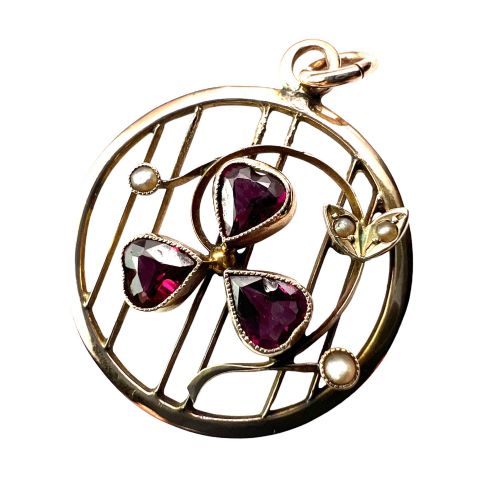
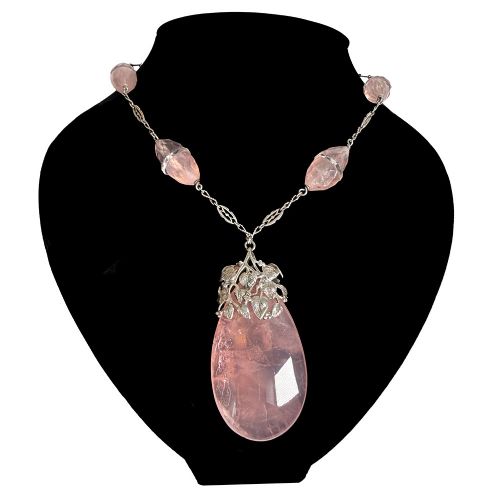
When you search for edwardian leaf jewellery, you encounter brooches, rings, necklaces, and drop earrings spanning the period around the turn of the twentieth century. These pieces translate natural foliage into wearable ornaments, often combining botanical motifs with clover, flowers, and acorns.
Materials and Construction
The metalwork relies heavily on nine-carat, fifteen-carat, and eighteen-carat yellow gold, alongside silver and platinum. Artisans shaped these metals into intricate garlands, wreaths, and individual leaf veins, occasionally employing silver-topped gold settings to enhance the brilliance of old-cut diamonds.
Gemstone selection defines the palette of these botanical designs, using pearls, rubies, garnets, aquamarines, and moonstones alongside green stones such as peridot and chrysoprase. Stones are typically claw-set, bead-set, or secured in pavé arrangements to follow the contours of the foliage.
Pigs, bugs, and musical instruments occasionally share split rings with lucky ivy leaves, proving Victorians loved an eclectic charm cluster.
Assessing Craftsmanship
Quality rests in the fidelity and depth of the botanical carving, where superior items display distinct veining and naturalistic dimension rather than flat stamping. The integration of the gemstones into the leaf structure dictates the overall refinement of the piece.
The choice of materials also elevates a piece, as does the presence of maker attribution or hallmarks indicating provincial or metropolitan assay offices. Higher tiers feature balanced compositions where the weight of the gold or platinum supports the fragility of the leaf design without appearing heavy.
Liberty and Co·Arthur and Georgie Gaskin·Amy Sandheim·Artificers Guild
The Edwardian Leaf Jewellery Glossary
- Bar brooch
- A narrow horizontal pin featuring central ornamentation such as leaves, stones, or floral motifs. This form was exceptionally popular during the Edwardian period for securing high collars.
- Old-cut diamond
- A precursor to the modern brilliant cut characterised by a smaller table, higher crown, and open culet. These stones display a softer, candlelit sparkle rather than sharp scintillation.
- Seed pearl
- A tiny, naturally occurring pearl, often pierced and threaded onto wire or silk. They form delicate clusters that mimic buds or dew drops upon foliage.
- Chrysoprase
- A gemstone of translucent apple-green hue that found favour with Arts and Crafts jewellers. It provides a vibrant, solid contrast to textured silver metalwork.
- Pavé
- A setting technique where small gemstones are positioned closely together and held by tiny metal beads. This creates a continuous surface resembling a paved road of stones.
Edwardian Leaf Jewellery: Frequently Asked Questions
What defines edwardian leaf jewellery?
These pieces use precious metals and gemstones to replicate botanical forms like leaves, clover, and vines. They reflect the aesthetic preoccupations of the early twentieth century.
Craftsmen balanced naturalism with stylised geometry, producing ornaments that range from delicate gold drop earrings to substantial diamond rings.
How do I care for antique leaf jewellery?
Gentle cleaning with a soft brush and warm soapy water preserves the integrity of the delicate settings and delicate seed pearls. Harsh chemical dips must be avoided.
Store pieces individually in lined boxes to prevent the gold or silver leaves from scratching against other items in your collection.
Are these pieces made of solid gold?
The listings feature varying purities, predominantly nine-carat, fifteen-carat, and eighteen-carat yellow gold, alongside silver and platinum elements. Each metal was chosen for its specific working properties.
Hallmarks and assay marks often stamp the metal standard directly onto the reverse of the mount or pin.
How do I distinguish Edwardian from Victorian pieces?
Edwardian jewellery generally favours lighter, airier platinum and high-carat gold settings with diamond and pearl accents. Victorian designs tend to be heavier and more robust in character.
Stylistic overlaps occur frequently, particularly where transitional motifs blend the sombre weight of the late nineteenth century with the lightness of the new century.