

Edwardian Landscape Wall Painting
An edwardian landscape wall painting brings woodland, moorland and river views from the early twentieth century into a room with quiet atmosphere.
Edwardian Landscape Wall Painting
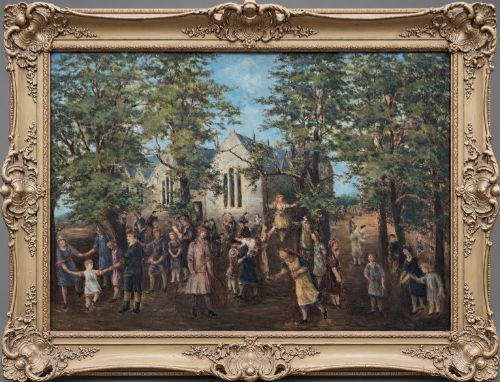
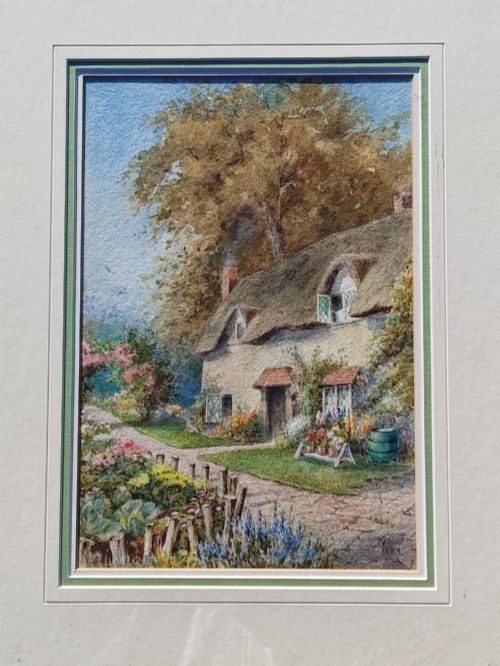
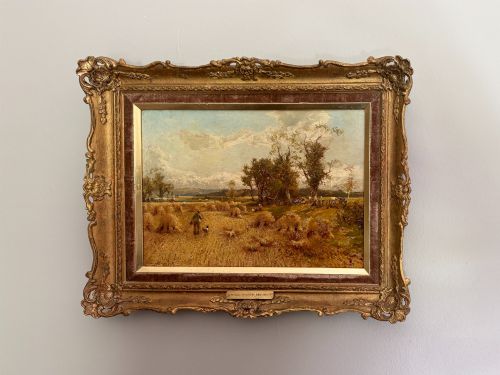
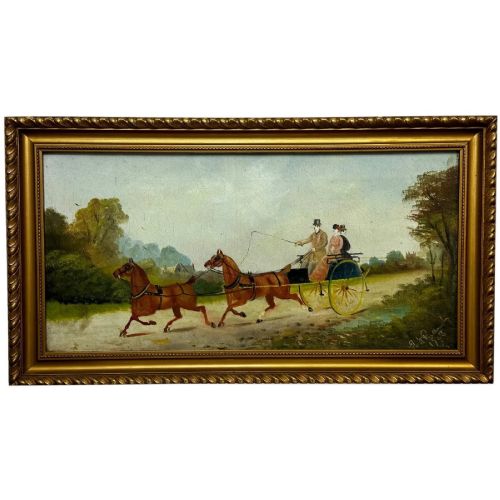
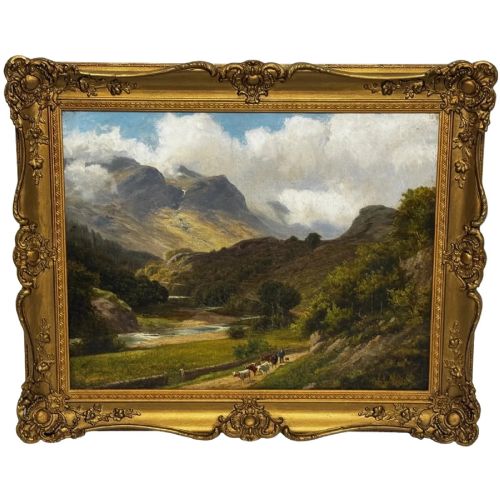
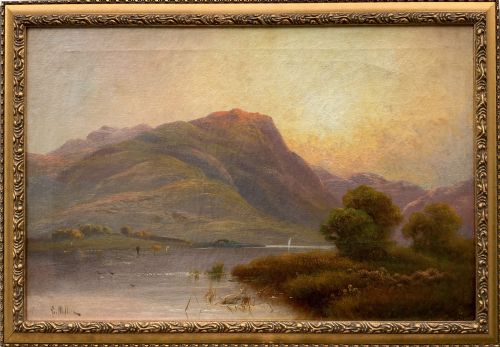
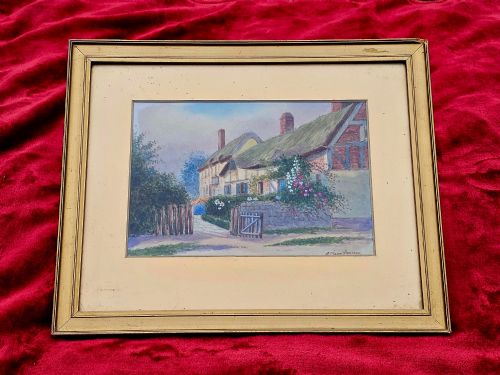
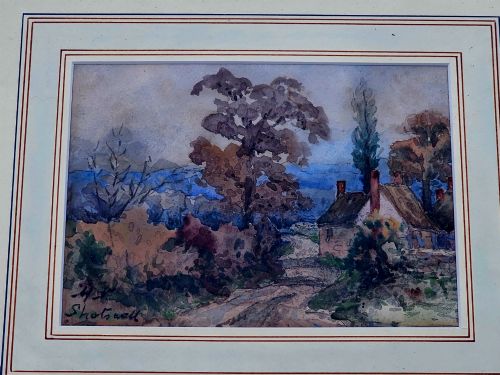
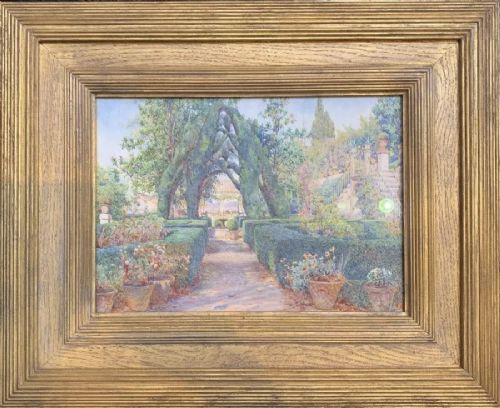
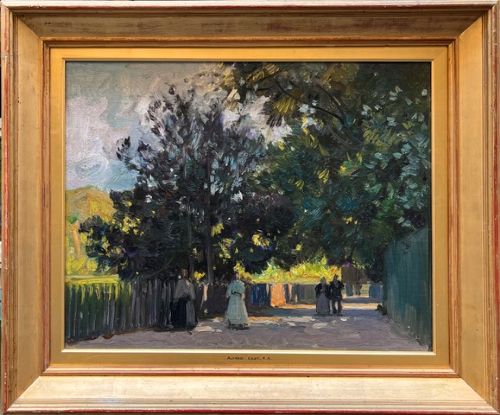
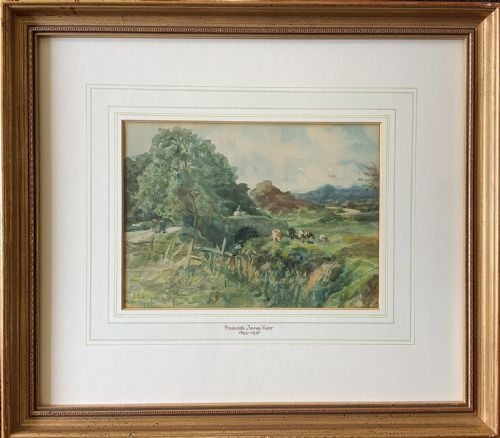
An edwardian landscape wall painting captures British countryside scenes, woodland views and rural rivers dating from the turn of the twentieth century. These works range from intimate watercolours on paper to large oil paintings on canvas framed in gilt wood.
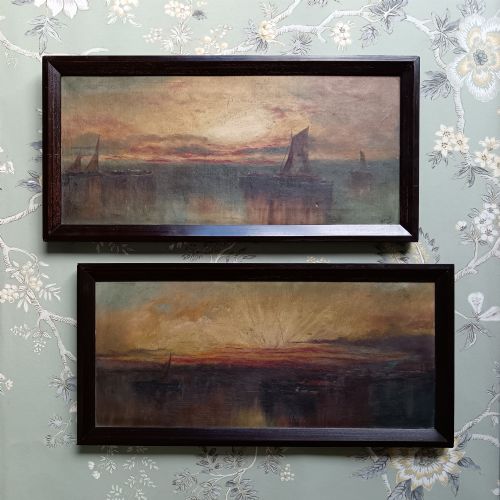
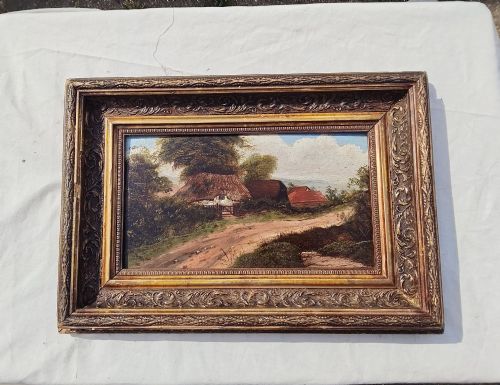
The pieces appearing here lean heavily into British Impressionism and Edwardian Landscape styles, often depicting sheep, cattle or quiet cottages beside water. While many originate from the Edwardian era proper, associated works stretch back into Victorian pastoral traditions and forward into the 1930s.
How They Were Made
Artists painted these landscapes using oil paint or watercolour applied to canvas, wood panels, heavy card or paper. Works often feature gold leaf on the accompanying frames, which protect the painted surface behind glass where watercolours are used.
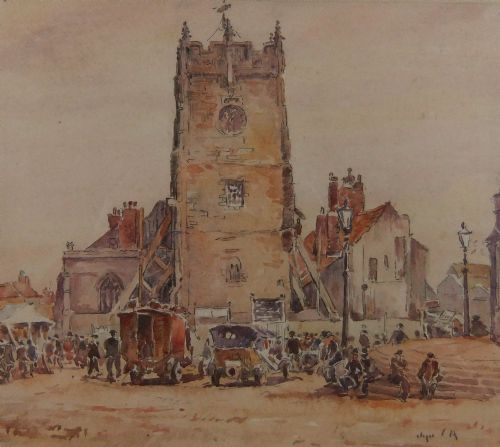
Techniques range from thin, translucent watercolour washes to thick, textured oil and heavy opaque gouache applications. Support materials include stretched canvas, wooden panels and sturdy card stock suited to plein air sketching.
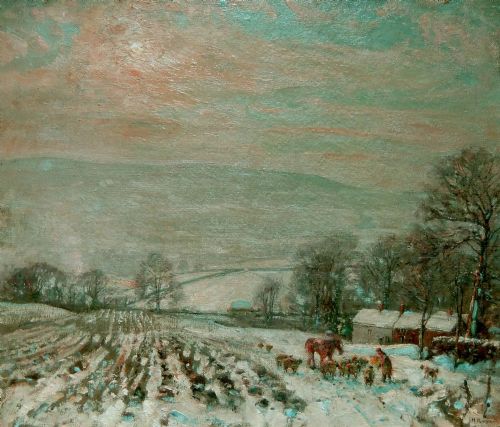
Several canvases record everyday rural life, capturing sheep wandering down country lanes and caravans parked by round houses.
What Varies in Quality
Quality rests upon the artist's command of light, atmospheric depth and brushwork control within the landscape. Works by recognised painters command attention through confident handling of natural phenomena like evening sun or winter frost.
The preservation of the original medium and the suitability of the frame affect the integrity of the piece. Stronger examples display stable pigments and sensitive framing that complements the period aesthetic.
Herbert Royle·Thomas Hodgson Liddell·Henry H Parker·Everett Watson Mellor·Sydney Yates Johnson
The Edwardian Landscape Wall Painting Glossary
- Watercolour
- A paint consisting of pigment suspended in a water-based solution, typically applied to paper to create translucent washes of colour.
- Gouache
- An opaque water-based paint that includes a binding agent, producing solid areas of matte colour on paper or card.
- Panel
- A flat piece of wood or other rigid material used as a stable support for oil paintings instead of stretched canvas.
- Gilt
- A thin layer of gold leaf applied to the wooden surface of a picture frame for decoration.
Edwardian Landscape Wall Painting: Frequently Asked Questions
How do I care for an antique watercolour?
Keep watercolours away from direct sunlight to prevent the pigments from fading over time. Ensure they hang in rooms with stable humidity levels to protect the paper and the surrounding mount.
Check that the glass remains sealed against dust and moisture while allowing the paper to breathe. Professional framing using acid-free materials safeguards the longevity of the artwork.
What subjects appear in these landscapes?
Common subjects include tranquil river paths, moorland expanses, woodland clearings with cattle, and coastal scenes with boats. Artists frequently recorded rural cottages, rustic bridges and agricultural workers.
These depictions reflect a romantic view of the British countryside current during the Edwardian period. Scenes often capture specific times of day, such as morning mist or evening twilight.
How do I distinguish oil from watercolour?
Oil paintings feature thick, textured brushstrokes and sit on canvas, wood panels or heavy card. They have a rich surface sheen and do not require glass protection.
Watercolours display translucent layers of pigment on paper and appear flat under protective glass. They rely on the white of the paper to provide luminosity through thin washes.
Where were these paintings displayed originally?
Original owners hung these framed artworks in domestic reception rooms, studies and parlours of period homes. They served as decorative focal points above mantelpieces or along hallway walls.
Smaller watercolours often decorated intimate private spaces, while large oil canvases commanded principal living areas. Their subjects offered urban dwellers a comforting visual escape to the countryside.