



Edwardian Lady Painting
When you search for an edwardian lady painting, you enter a world of oil portraits, watercolours, and painted satinwood furniture.
Edwardian Lady Painting
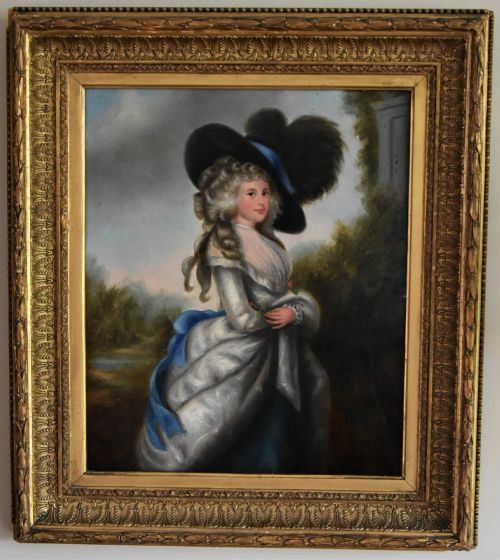
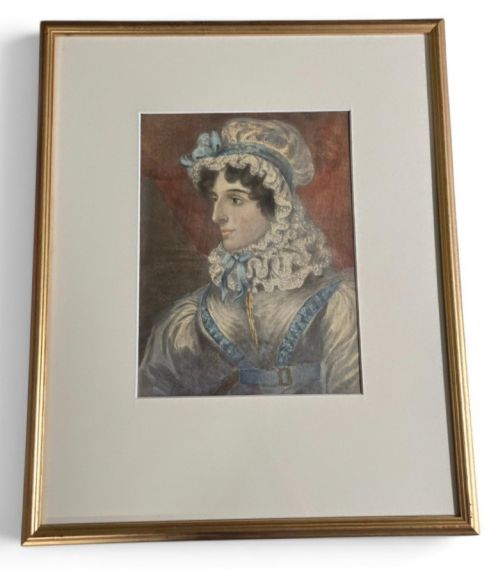
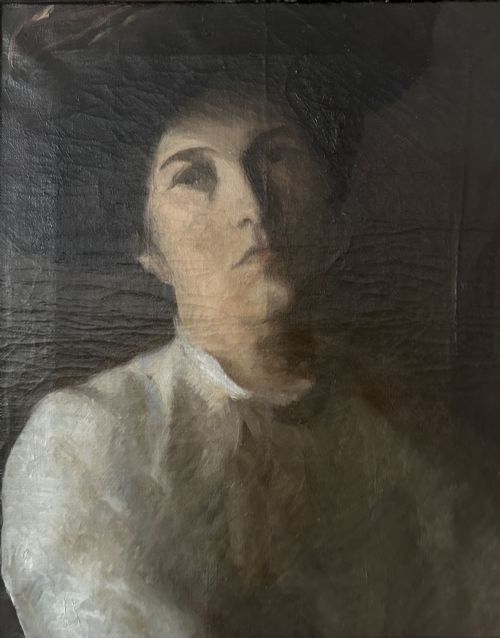
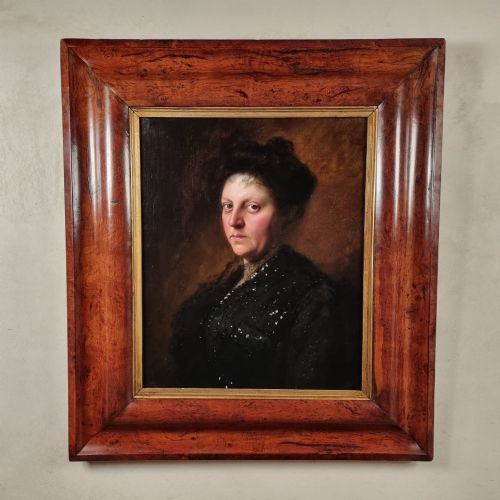
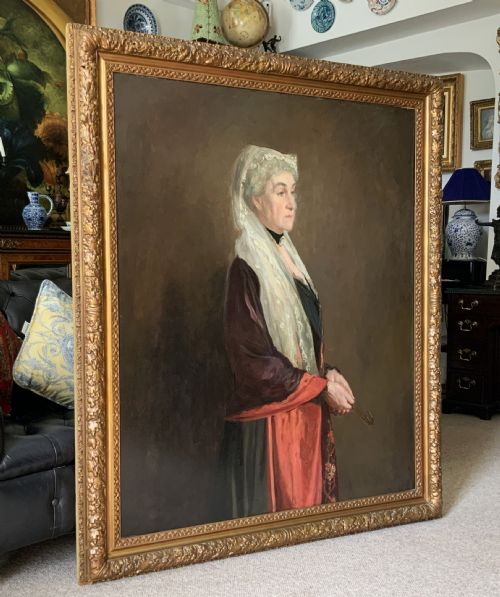
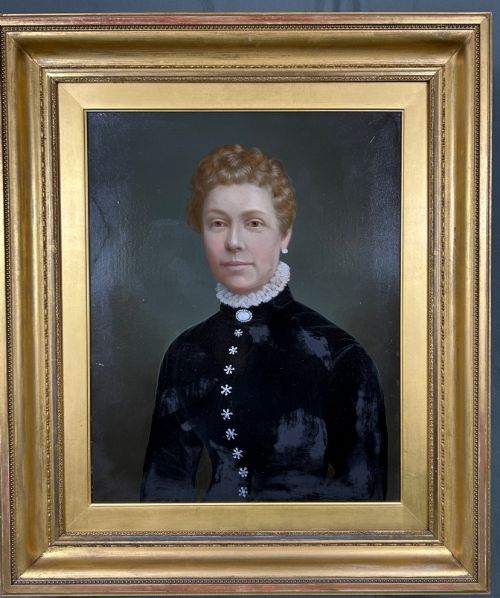
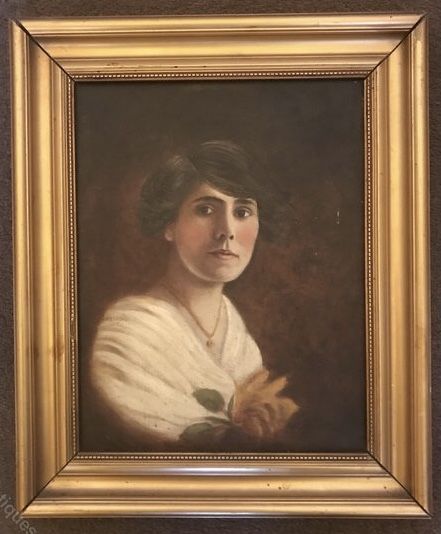
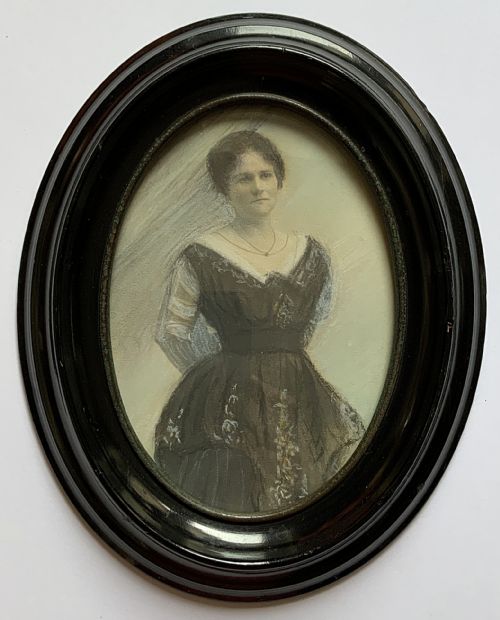
An edwardian lady painting encompasses formal oil portraits, delicate watercolours, and pastel studies originating from the late nineteenth and early twentieth centuries. These works capture female subjects in settings ranging from pastoral backdrops to intimate domestic interiors.
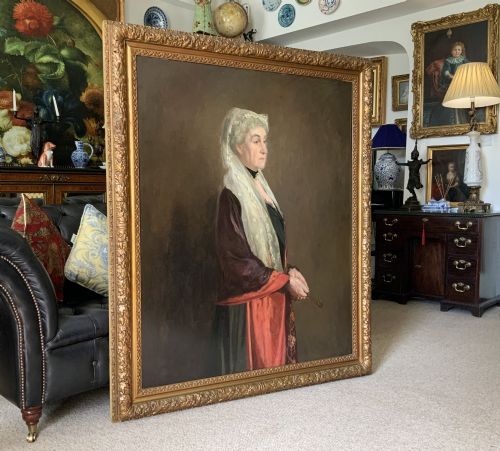
The version you are most likely to meet on this page is a framed oil on canvas or board depicting a woman in period attire, often accompanied by characteristic details such as a hat, lace collar, or even a pet.
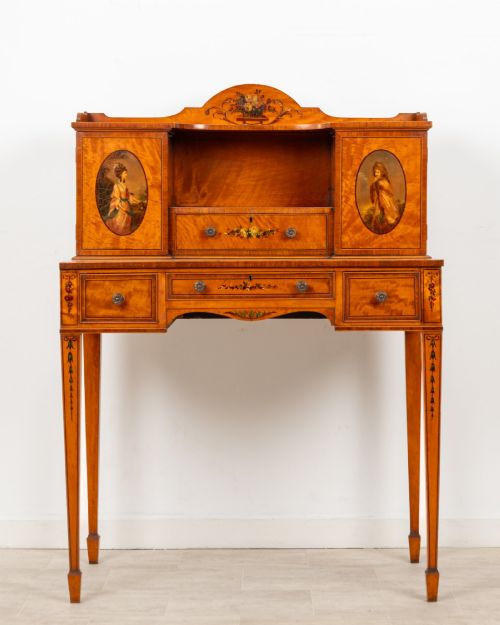
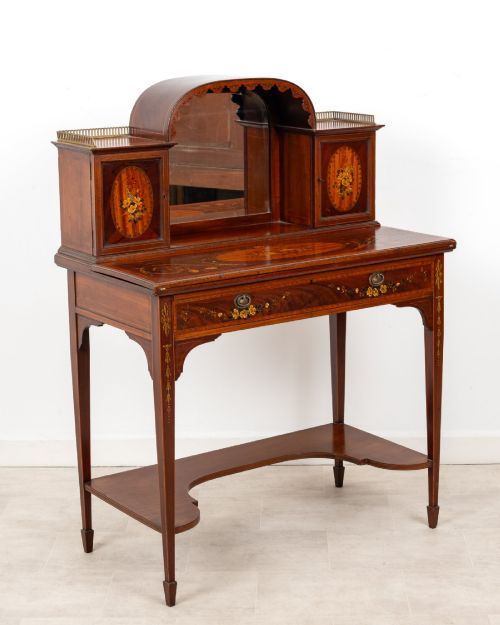
Beyond traditional canvas artworks, the selection also includes painted satinwood writing desks and pieces adorned with delicate figural depictions, reflecting the broader decorative tastes of the era.
Materials and methods
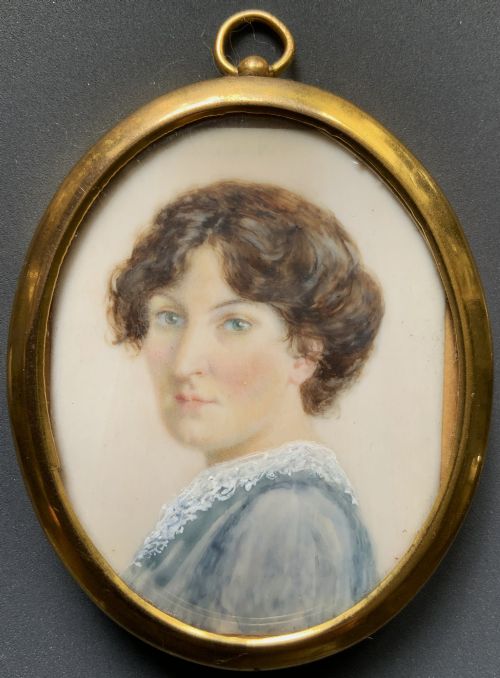
Artists of the period relied primarily on oil on canvas or oil on board, building up rich tones and textures, while others chose watercolour and pastel on paper for a lighter touch. Portrait miniatures demanded immense precision, executed on small supports often protected by glass and housed in brass frames.
The furniture pieces that incorporate painted panels utilise satinwood and mahogany, often enhanced with hand-painted floral motifs and decorative inlays that complement the portraiture of the period.
Several portraits proudly feature canine companions, ensuring the Edwardian dogs gaze down from the wall with as much dignity as their owners.
Distinguishing quality
Quality rests in the confidence of the brushwork and the psychological depth of the sitter, where skilled artists render fabrics, light, and expression with striking vitality rather than rigid stiffness. The finesse of the surrounding frame or the intricacy of the painted satinwood on a desk also indicates the original investment in the piece.
Works by documented artists or those exhibiting superior draughtsmanship command greater attention, distinguishing standard decorative studio pieces from masterworks of the era.
John Maler Collier·Percy Bigland·Frank Moss Bennett·Susie Lassam·Edgard Maxence
The Edwardian Lady Painting Glossary
- Oil on canvas
- Pigments bound in a drying oil applied to a woven fabric support. This traditional medium allows for deep blending of colours and lasting durability.
- Portrait miniature
- A small-scale painting, often executed on ivory, vellum, or card, requiring a high degree of miniaturist skill. They were frequently designed to be carried or worn.
- Satinwood
- A durable, lustrous timber native to Ceylon and India with a natural golden sheen. It served as a favoured canvas for painted neoclassical revival furniture.
- Carlton House desk
- A form of writing table featuring a raised superstructure of small drawers and compartments curving around the back and sides of the writing surface.
- Pastel
- A medium consisting of powdered pigment and a binder rolled into a stick. It produces dry, velvety works that require glazing for protection against smudging.
Edwardian Lady Painting: Frequently Asked Questions
How do I date an Edwardian painting?
Examine the sitter's fashion, hair styling, and the framing materials, which often provide strong clues to the decade of creation. Documentation or signatures on the reverse can also help narrow down the timeline.
Compare the stylistic elements with dated examples by similar artists working during the same period to confirm the era.
Were these portraits commissioned for homes?
Yes, middle and upper-class families frequently commissioned portraits to document lineage, marriages, or personal milestones. These works hung in drawing rooms and studies as centerpieces of domestic decoration.
Artists often captured sitters in their Sunday best or formal costume to reflect their social standing.
What is a portrait miniature?
Portrait miniatures are small, highly detailed paintings usually created during the eighteenth and nineteenth centuries. They were often given as tokens of affection between family members.
Due to their delicate nature, they are typically housed behind convex glass in brass or leather cases.