
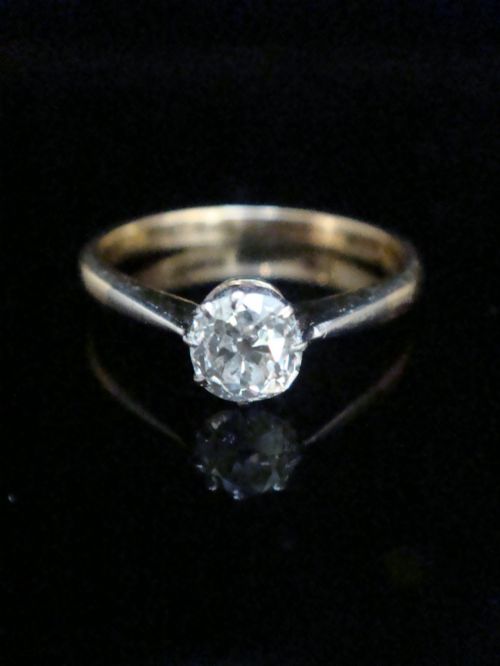
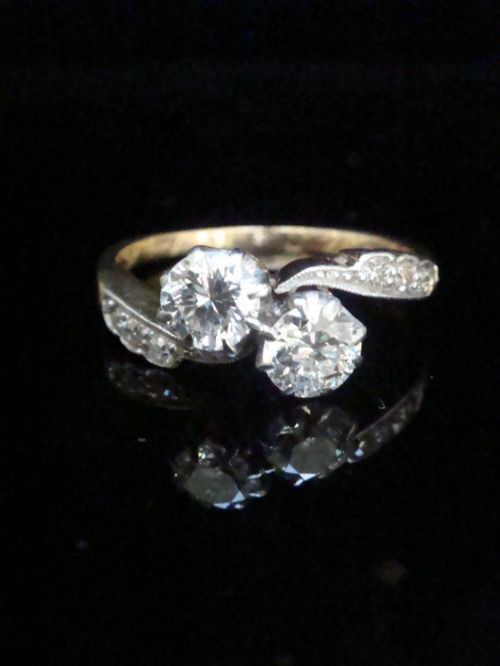
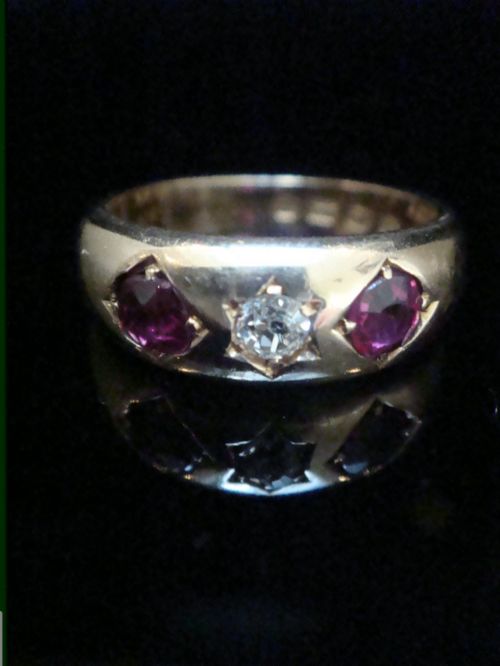
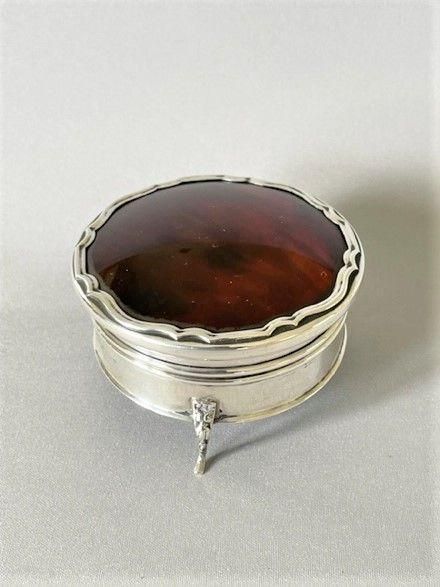
Edwardian Jewellery Ring
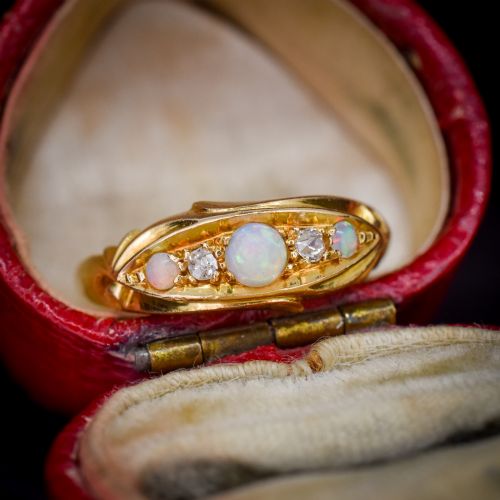
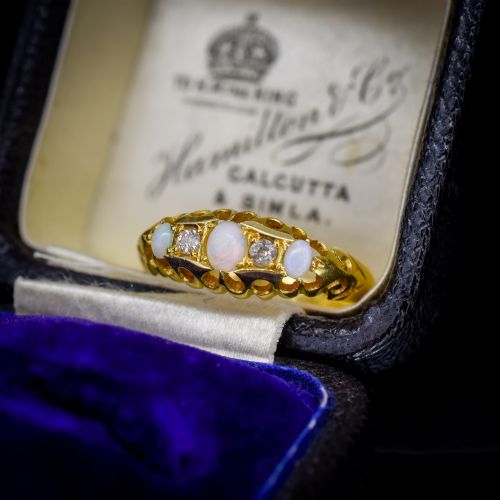
When you search for edwardian jewellery ring, you are looking at delicate gold and platinum bands set with diamonds, opals, and bright stones made to catch the light.
Edwardian Jewellery Ring
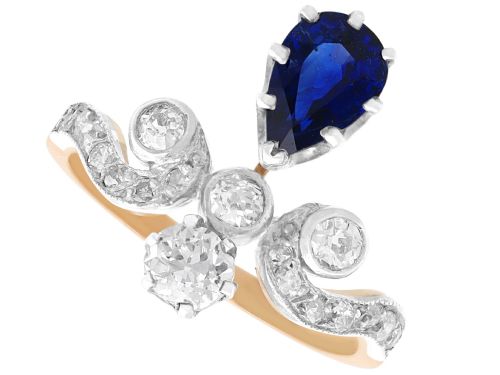
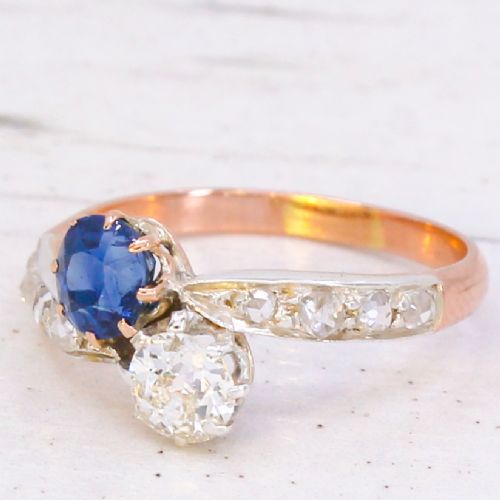
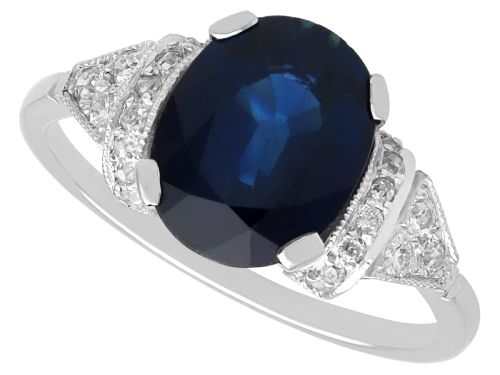
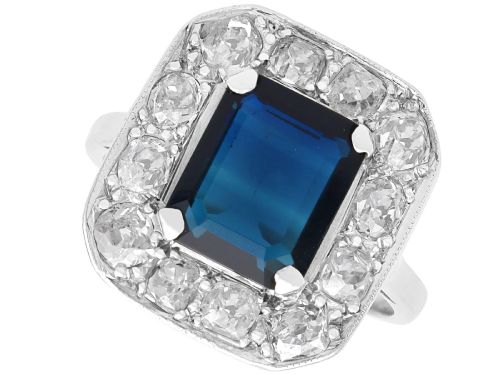
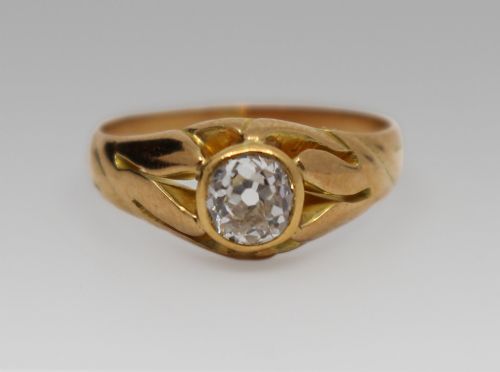
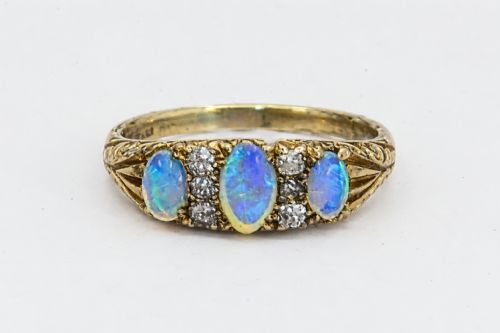
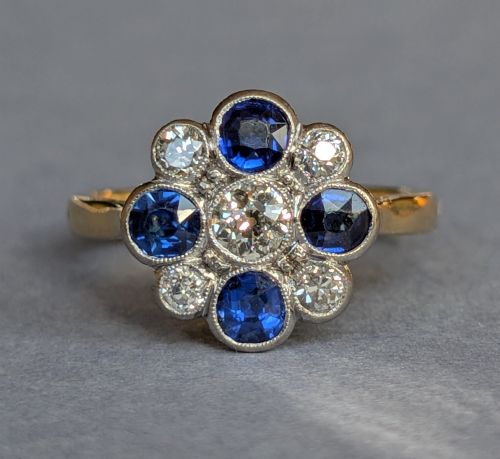
An edwardian jewellery ring brings together the refined aesthetics of the early twentieth century, spanning boat shapes, clusters, and twist designs. You will frequently find pieces carrying central diamonds flanked by rubies, sapphires, or opals, often mounted on yellow gold or platinum.
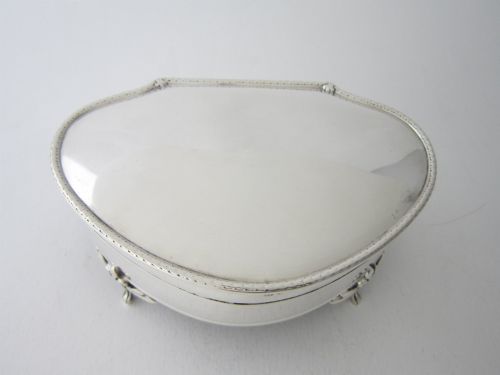
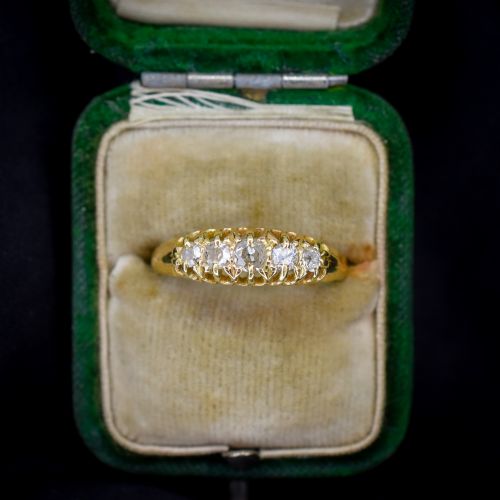
The selection extends across distinct forms including five-stone settings, gypsy bands, and toi et moi configurations. While the focus rests firmly on rings, the broader record also captures silver trinket and dressing table boxes from the same era.
How they were made
Craftsmen utilised 18ct yellow gold, rose gold, and emerging platinum settings to house old cut diamonds, opals, and emeralds. Metals were shaped into boat profiles, navette silhouettes, and delicate bands.
Stones were secured using claw settings, bezel mounts, and cluster arrangements that maximised the brilliance of old cut diamonds. Hallmarks struck in Birmingham and Chester frequently stamp the metal purity and assay year.
Several pieces preserve secret messages through acrostic gem settings where the first letters of each stone spell out a hidden word.
What varies in quality
The standard of an edwardian jewellery ring rests upon the clarity and cut of the central diamonds alongside the depth of colour in rubies, emeralds, and opals. Heavier gold weights and crisp hallmarks distinguish finer workshop output.
Design complexity also defines the range, moving from simpler wedding bands and plain three-stone layouts to intricate platinum-topped diamond clusters and multi-gemstone navette formations.
The Edwardian Jewellery Ring Glossary
- Boat ring
- A mounting style shaped like a small boat where stones graduate in size across the finger. This curved profile sits low and flat against the hand.
- Old cut
- A diamond facet style hand-cut before modern machinery, featuring a smaller table and higher crown. These stones produce a warm candlelight sparkle.
- Toi et moi
- A two-stone ring design symbolising two souls intertwined, usually featuring side-by-side gems in a twist setting. French for you and me.
- Navette
- A boat-shaped or marquise-like silhouette tapering to sharp points at either end. The term translates from the French word for little ship.
- Gypsy ring
- A band where stones are flush-set into the thick metal body rather than held in raised claws. This style gained immense popularity during the late nineteenth and early twentieth centuries.
Edwardian Jewellery Ring: Frequently Asked Questions
How do I identify an authentic edwardian jewellery ring?
Authentic pieces typically display period characteristics such as platinum-topped gold, old cut diamonds, and delicate milgrain detailing around the stone settings.
Assay office marks and date letters stamped inside the band provide precise verification of the year and location of manufacture.
Can I wear an edwardian jewellery ring every day?
Many people wear these historic rings daily, but careful attention is needed due to their delicate age and antique settings.
Removing the ring during heavy manual tasks protects the thin gold bands and fragile claw settings from wear.
What gemstones are typical in these rings?
Diamonds, opals, rubies, sapphires, and emeralds appear frequently across the period inventory, often paired together in multi-stone layouts.
Peridots and pearls also feature, particularly in pieces reflecting suffragette colours or early twentieth-century tastes.
What is the difference between an engagement ring and a band?
Engagement rings showcase prominent feature stones like diamonds, opals, or coloured gems in raised or cluster settings designed to stand out.
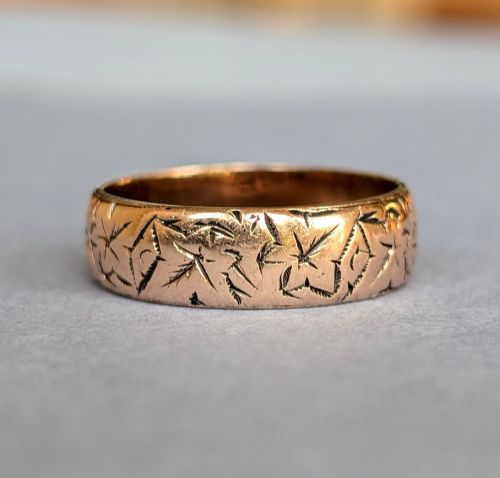
Bands consist of solid gold hoops, sometimes featuring engraved decoration or flush-set stones running around the finger.