
Edwardian Jewellery Necklace
When you search for edwardian jewellery necklace, you meet refined pendants and chains set in gold and silver with delicate stones.
Edwardian Jewellery Necklace
An edwardian jewellery necklace combines the delicate craftsmanship of the early twentieth century with lasting materials. You encounter pieces spanning from the nineteenth century into the art deco period, reflecting varied aesthetic movements.
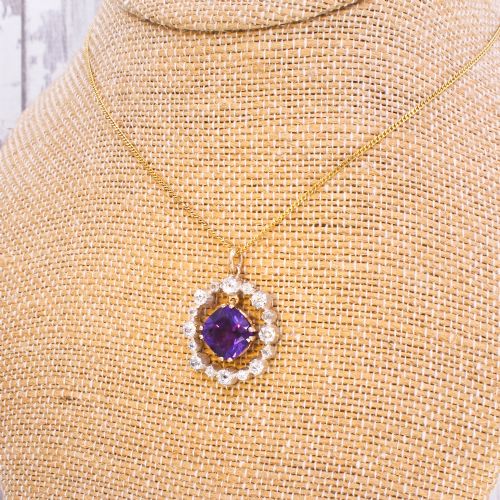
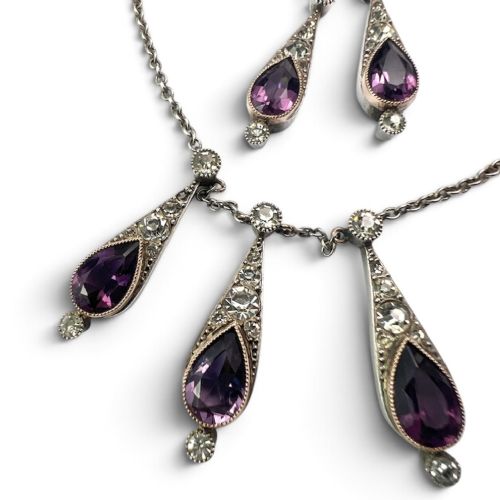
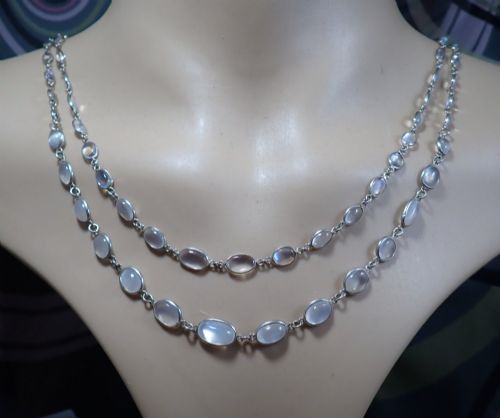
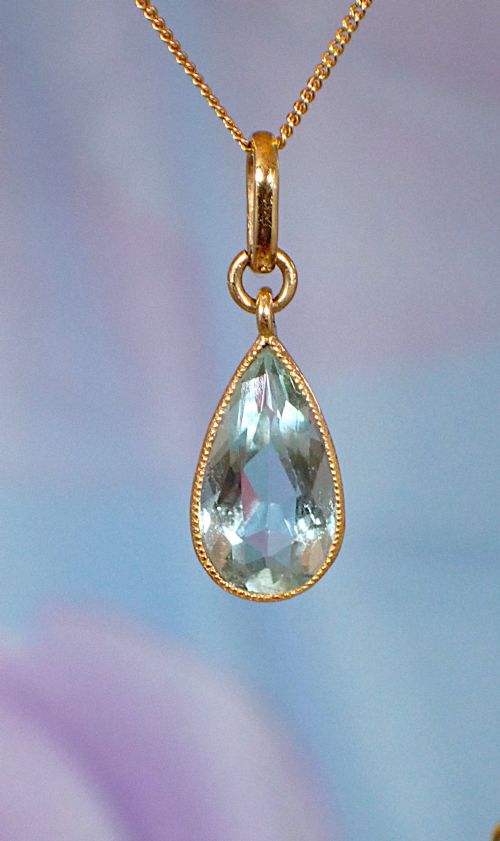
The selection centres on pendants, lavalieres, and convertible watch chains repurposed as necklaces. These items feature drops, pearls, and coloured gems suspended from fine metal links.
Designs draw heavily from the Edwardian, Arts and Crafts, and Art Nouveau styles. The resulting objects range from floral motifs to geometric arrangements.
Materials and Construction
Goldsmiths worked primarily in 9ct and 15ct yellow and rose gold alongside sterling silver. These metals were shaped into wirework, cast links, and bezel settings to hold gemstones securely.
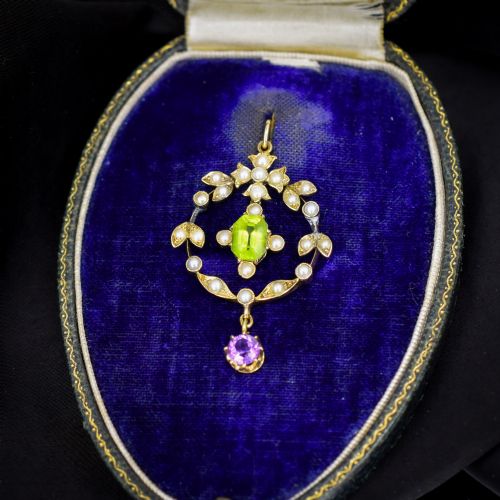
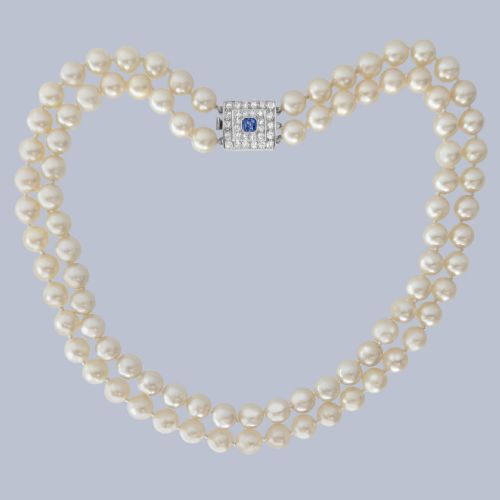
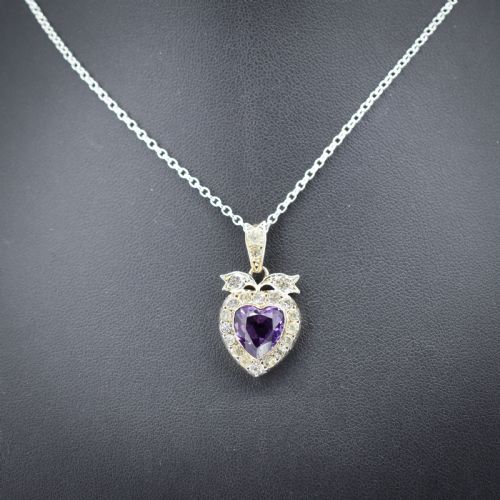
Seed pearls and natural pearls were threaded and secured to accent central stones like amethyst, peridot, turquoise, and aquamarine. Enamel work and paste additions provided extra colour and visual depth.
Listings feature items from the 19th century, Victorian, Edwardian, and Art Deco periods, created in gold, silver, pearl, and various gemstones.
Assessing Quality
The standard of a piece rests on the precision of the metalwork and the integration of the stones. Finer examples display meticulous claw or bezel settings that hold gems firmly without excess solder.
The choice of materials also divides the range, with higher grade 15ct gold and matched natural pearls marking superior workshop output. Original components, such as matching chains and functional clasps, elevate the integrity of the piece.
Deakin & Francis
The Edwardian Jewellery Necklace Glossary
- Lavalier
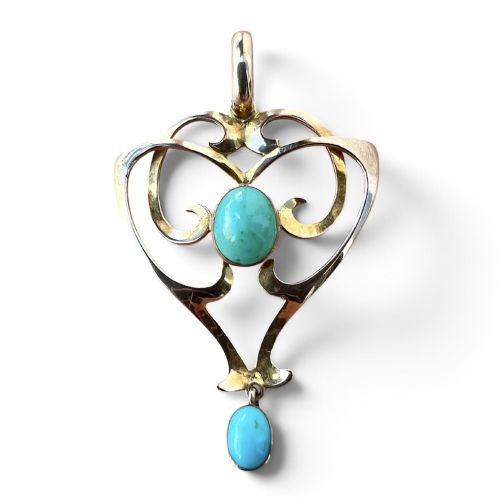
- A pendant featuring a primary drop stone suspended below a smaller stone or decorative link. This style gained immense popularity during the Edwardian era.
- Albert chain
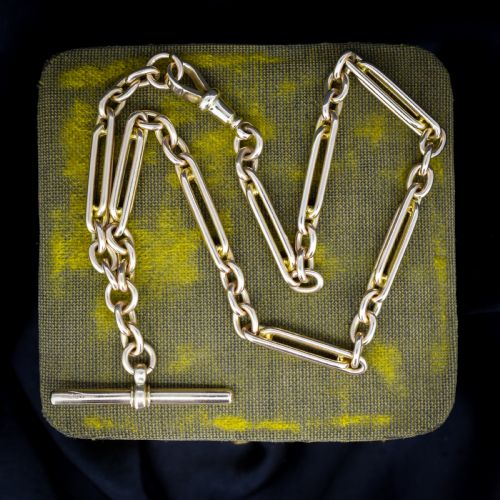
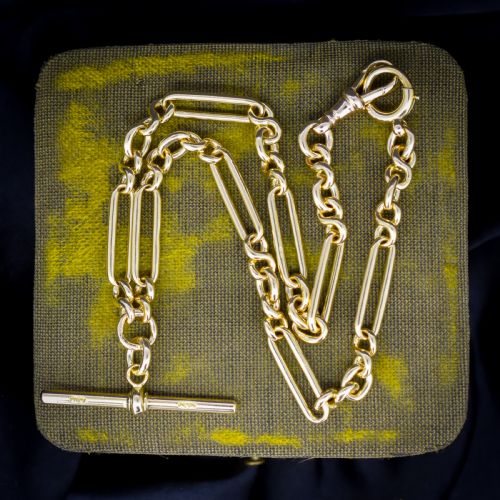
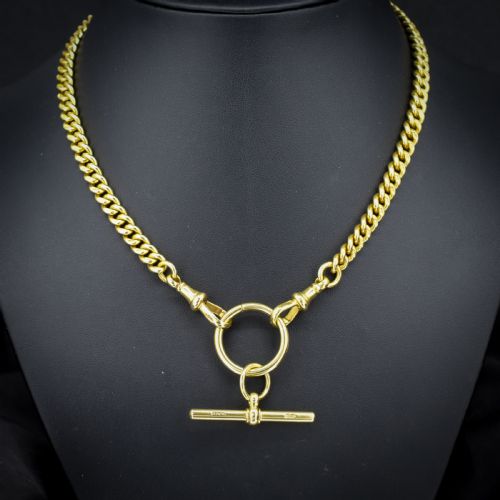
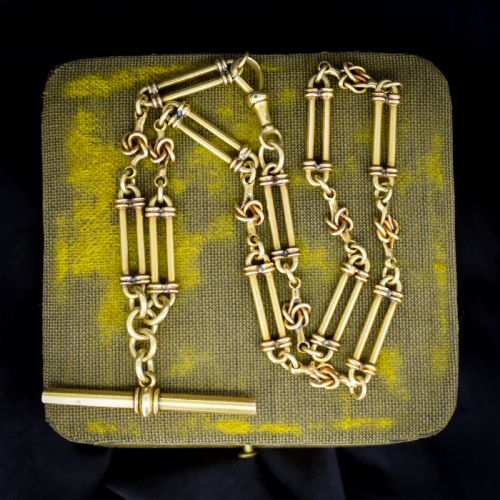
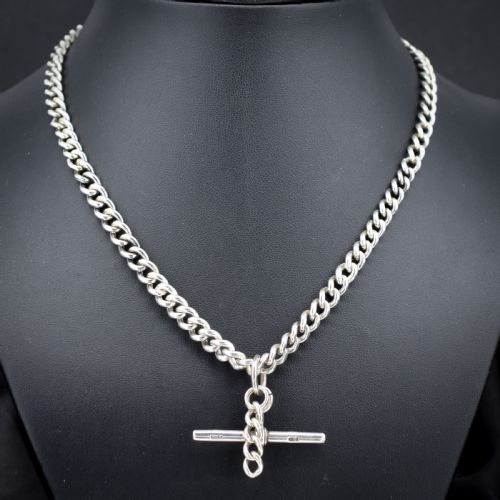
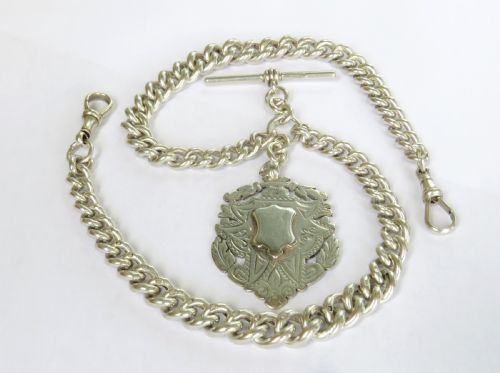
- A heavy watch chain originally designed to secure a pocket watch to a waistcoat. Today these robust links are frequently worn as necklaces.
- Negligee necklace
- A pendant design consisting of two unequal drops hanging from a central focal point. They typically incorporate pearls and coloured gems.
- Seed pearl
- A very small natural or cultured pearl used in clusters or floral arrangements. They require careful drilling and mounting.
- Paste
- Hand-cut glass used as a gemstone substitute in antique jewellery. High quality paste exhibits sharp facets and careful foil backing.
Edwardian Jewellery Necklace: Frequently Asked Questions
What defines an edwardian jewellery necklace?
These pieces originate from the early 1900s and emphasise lightness, floral motifs, and pastel gems. They rely on delicate gold work and natural pearls.
Craftsmen prioritized airy openwork designs over the heavier styles of the preceding Victorian decades.
How do I wear an albert chain necklace?
Albert chains were originally made for pocket watches but function well as short, substantial necklaces. They often feature T-bars and dog clips that become part of the front design.
You can attach a pendant to the dog clip or let the graduated links rest simply against the collarbone.
What stones appear on these necklaces?
Amethyst, peridot, turquoise, and aquamarine dominate the coloured gem selections. These are almost universally paired with seed pearls and diamonds.
Stones were chosen to complement the gold and silver mountings rather than for sheer monetary weight.
How do I distinguish Edwardian from Victorian pieces?
Edwardian items tend to feature whiter metals like platinum or silver-topped gold alongside lighter, more open filigree structures. Victorian pieces often present heavier solid gold settings and denser ornamentation.
Stylistic overlaps occur during transitional years around the turn of the century.