

Edwardian Jewellery Boxed
These edwardian jewellery boxed selections bring together fitted containers, trinket vessels, and preserved ornaments that keep precious items safe with period character.
Edwardian Jewellery Boxed
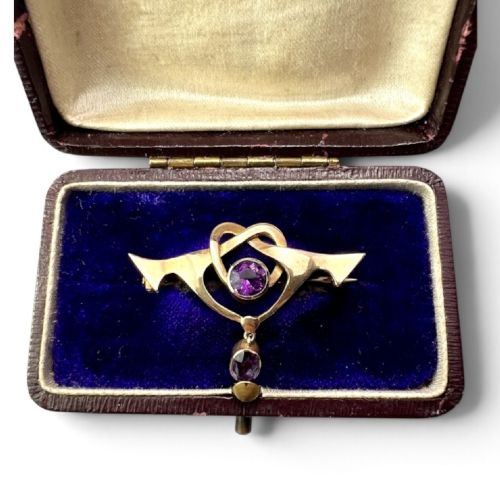
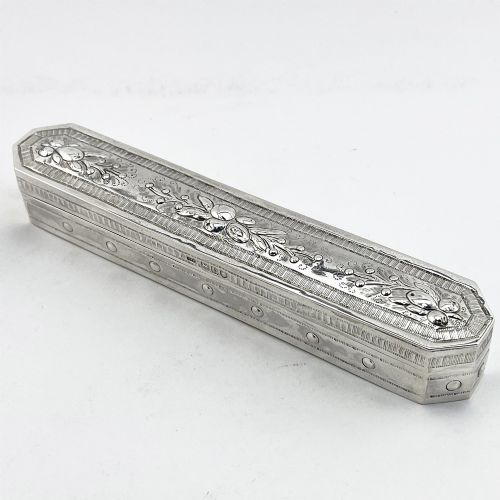
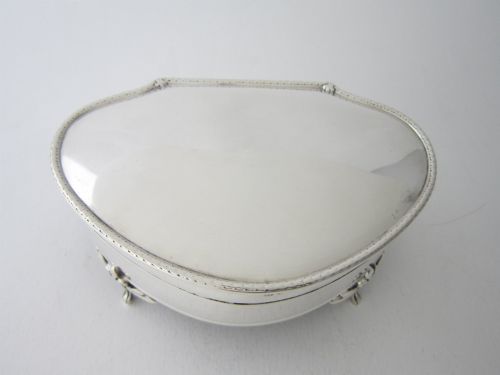
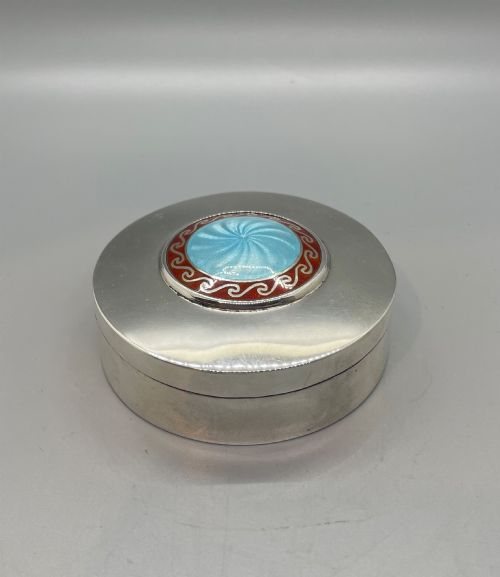
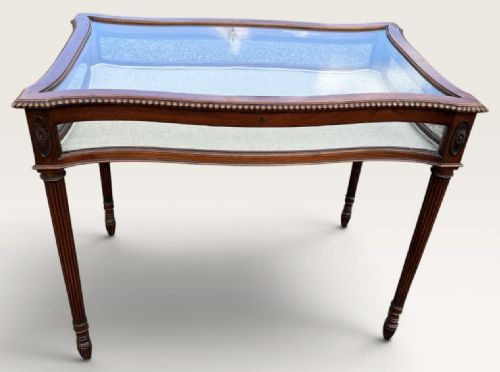
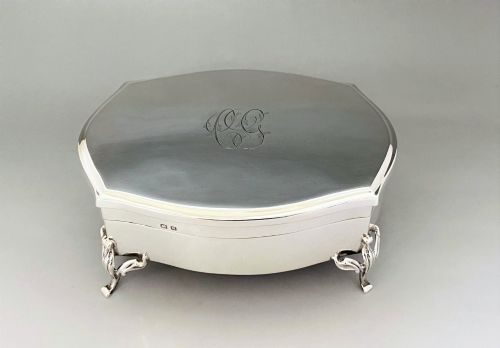
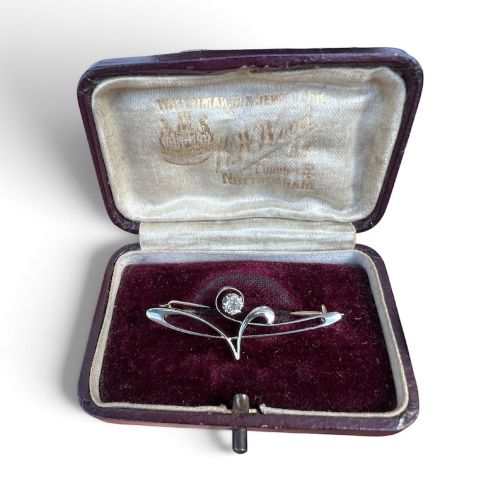
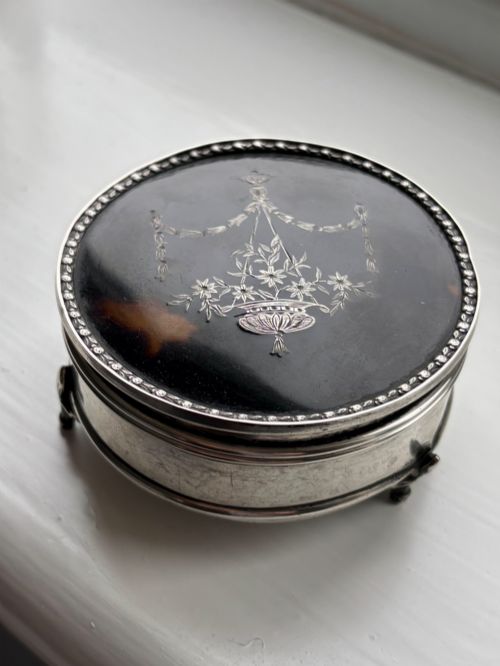
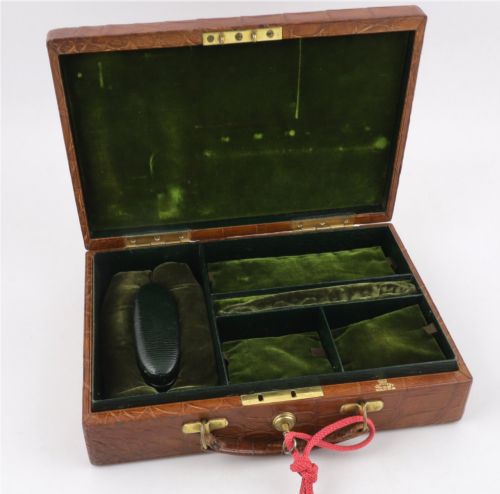
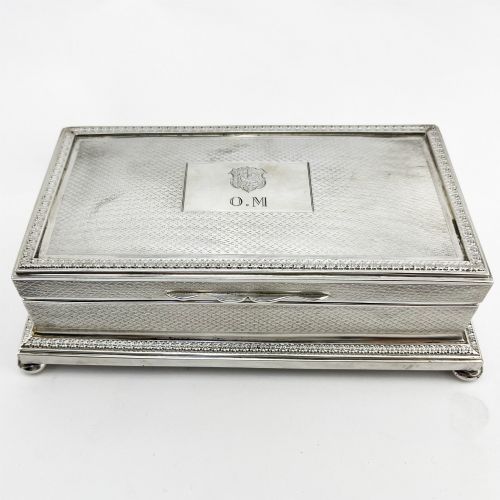
When searching for edwardian jewellery boxed, a buyer encounters a diverse mix of fitted presentation cases, vanity vessels, and display furniture spanning the early twentieth century alongside adjacent Victorian and George V periods. The selections include sterling silver trinket boxes, mahogany and satinwood bijouterie tables, and fabric-lined cases housing gold and diamond brooches, bangles, and necklaces in their original fitted housings.
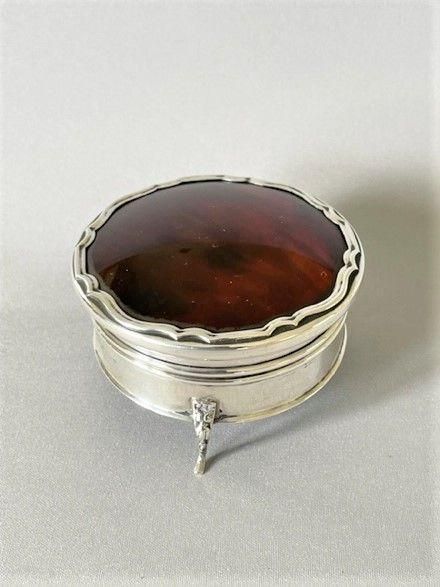
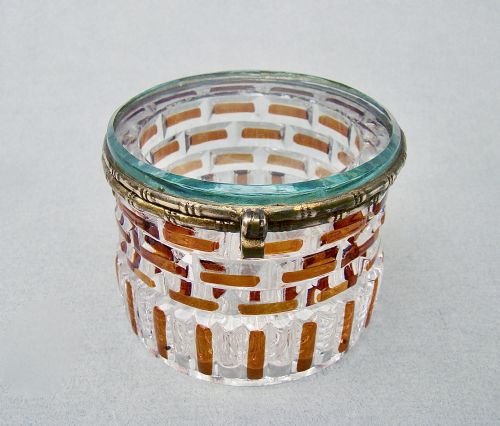
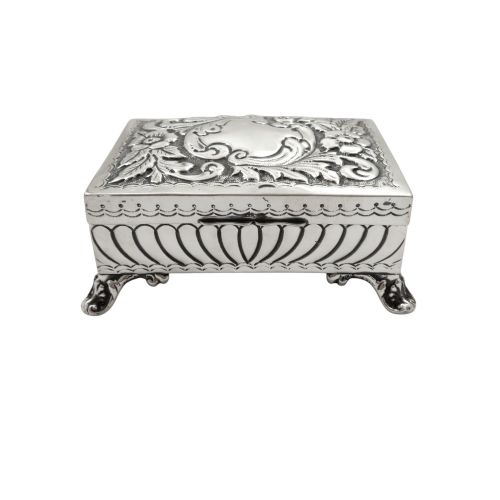
The physical forms range from small heart-shaped silver boxes and cut-glass dressing table jars to larger fitted wooden caskets and glass-topped display tables designed for domestic use. Many items combine precious metals with organic materials such as tortoiseshell, mother-of-pearl, and amber glass, reflecting the decorative tastes of the era.
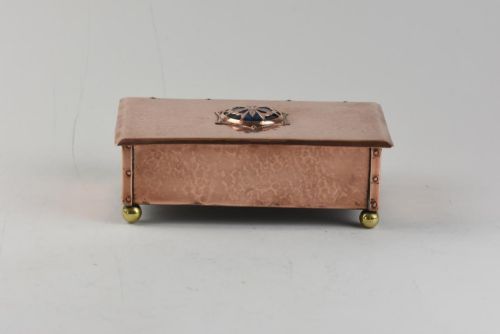
The assortment on this page leans heavily toward sterling silver and mahogany forms made around nineteen hundred, alongside items showcasing Art Nouveau and Arts and Crafts design influences. Buyers often find complete sets, such as matched napkin rings or pearl necklaces, preserved inside their original retailers' boxes.
What varies in quality
The distinction between standard commercial pieces and superior items rests upon the weight of the metal, the precision of the hand-chased repousse or pierced decoration, and the complexity of inlaid woodwork. Maker attribution also plays a role, with works bearing marks from established firms commanding attention for their refined finishing.
Preservation of internal linings, original fitted boxes, and delicate components like glass inserts or tortoiseshell panels directly influences the integrity of the piece. Superior examples retain crisp hallmarks, intact interior fabrics, and uncompromised structural joints across both furniture and smaller tabletop boxes.
Listings feature sterling silver, mahogany, tortoiseshell, and cut glass across periods spanning from the Victorian era through to the George V period.
Ollivant and Botsford·J C Vickery·Goldsmiths and Silversmiths Company·Erhard and Sohne·Asprey and Co·Mappin and Webb·Mikimoto
The Edwardian Jewellery Boxed Glossary
- Bijouterie table
- A glass-topped display table designed specifically for showcasing small valuable objects and jewellery within a room. These pieces usually feature hinged lids and velvet-lined interiors.
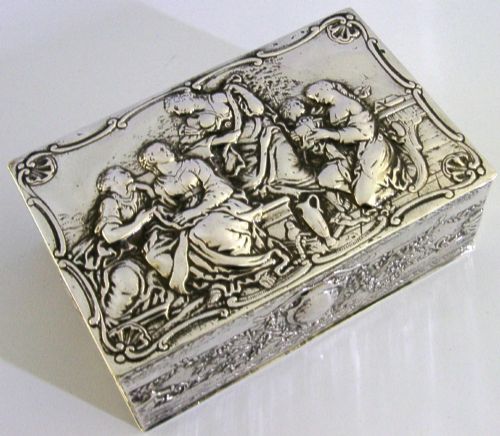
- Repousse
- A metalworking technique where the artisan hammers the design from the reverse side to create a raised relief pattern on the front. This method appears frequently on silver trinket boxes.
- Pique work
- The decorative process of embedding tiny points of gold or silver into tortoiseshell or ivory to form intricate geometric or floral motifs. It is often seen on dressing table boxes.
- Cabochon
- A gemstone or piece of glass shaped and polished with a smooth, rounded dome rather than faceted edges. These are commonly mounted centrally on Arts and Crafts metalwork.
- Faux tortoiseshell
- A manufactured imitation of natural tortoiseshell utilised on dressing table items and boxes. It provides the mottled amber appearance without organic material.
Edwardian Jewellery Boxed: Frequently Asked Questions
What are edwardian jewellery boxes typically made of?
These items utilise a combination of sterling silver, mahogany, satinwood, glass, and tortoiseshell, often lined internally with velvet or satin fabrics.
Metal components frequently feature hallmarks indicating the assay office and year of production, while wooden pieces rely on fine cabinet-making techniques.
How do I identify an original fitted box?
Original boxes usually feature maker or retailer stamps inside the lid lining, custom-moulded recesses that match the exact shape of the jewellery item inside, and period-appropriate hinges.
The exterior materials and latches should correspond to the manufacturing period of the contents.
Were bijouterie tables used for storage?
Bijouterie tables functioned primarily as display furniture for showing off collections of small ornaments, medals, and precious trinkets in drawing rooms rather than for heavy storage.
The glass tops allowed guests to inspect the items without handling them directly.
How should I clean silver trinket boxes?
Silver boxes require gentle cleaning with a soft cloth specifically formulated for precious metals to avoid damaging delicate repousse work or piercing.
Harsh chemical dips should be avoided, particularly on items featuring glued elements, glass inserts, or tortoiseshell panels.