



Edwardian Jardiniere Holder
An edwardian jardiniere holder brings indoor greenery into the principal rooms of a house with genuine period character.
Edwardian Jardiniere Holder
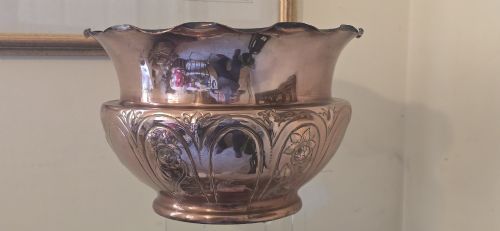
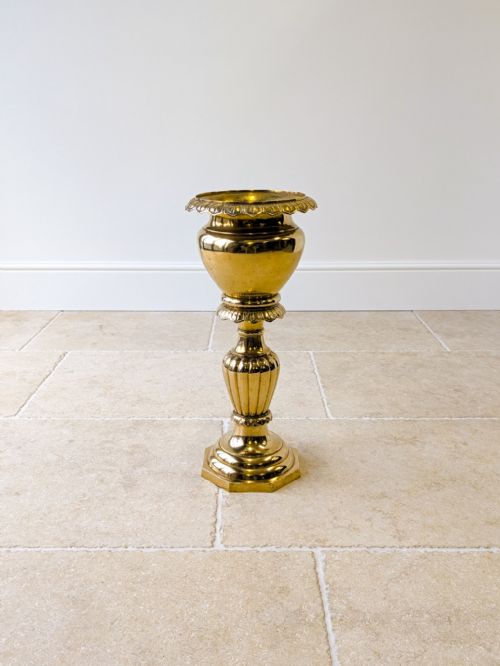
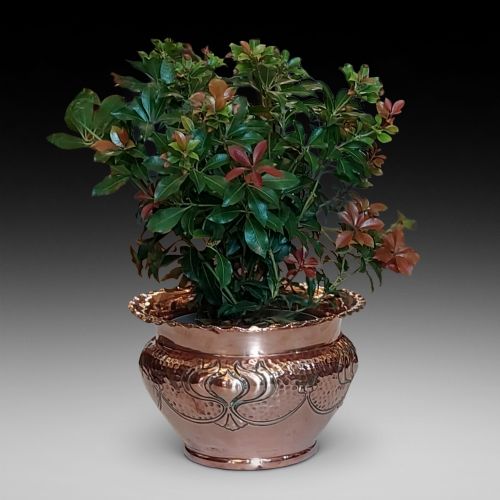
An edwardian jardiniere holder comprises stands, planters, and pedestals designed to elevate potted plants within domestic interiors and conservatories. The selections visible here include pieces spanning the Edwardian period alongside earlier Georgian and Victorian examples, intersecting with Arts and Crafts and Art Nouveau aesthetics.
Forms range from tall plant stands in mahogany and wirework to low copper and brass vessels intended to sit upon tables or floors. Coopered oak barrels and box tree planters further broaden the variety of plant containers encountered in this category.
How they were made
Maker construction relies heavily on metalworking traditions, utilising beaten copper and cast brass alongside wrought iron frames and zinc linings. Woodwork utilises mahogany and oak, often incorporating coopered stave construction or barley twist turnings.
Decorative detailing employs stylistic forms such as lion mask handles and inlaid veneers. Wirework techniques shape lighter conservatory stands intended for botanical displays.
Edwardian Jardiniere Holder Retail Price Guide 2026
Typical asking prices for edwardian jardiniere holder among the pieces listed under this phrase on Sellingantiques today, from the lower quarter to the upper quarter. They describe what is for sale here now, not the wider market.
Materials represented across the inventory include brass, copper, mahogany, wrought iron, oak, stone, zinc, and wirework.
What varies in quality
Quality rests upon the integrity of materials, distinguishing solid copper vessels and dense mahogany stands from lighter veneer or plated alternatives. The articulation of decorative metalwork, from hand-beaten copper panels to crisply cast brass handles, marks the distinction between standard production and finer workshops.
Structural robustness also defines the range, visible in the precision of coopered oak staves and the stability of tall plant stands. Original components, such as internal liners and matching ceramic inserts like Royal Worcester pots, add to the integrity of a piece.
J Sankey and Sons
The Edwardian Jardiniere Holder Glossary
- Jardiniere
- A large ornamental pot or stand for holding plants or flowers. These vessels sit on the floor or upon dedicated pedestals.
- Coopered
- Constructed from wooden staves bound together with metal hoops, typical of barrel-making techniques applied to oak planters.
- Arts and Crafts
- A design movement prioritising traditional craftsmanship and simple forms, frequently expressed here through hand-worked copper and wrought iron.
- Art Nouveau
- A style characterised by organic, flowing lines and stylized plant motifs, seen frequently on brass and copper planters from this era.
- Barley twist
- A form of woodturning resembling a spiralling rope, commonly found on the legs of plant stands and tables.
Edwardian Jardiniere Holder: Frequently Asked Questions
What is an edwardian jardiniere holder?
An edwardian jardiniere holder is a decorative stand or vessel designed to display indoor plants during the early twentieth century. These pieces elevate greenery to waist height or display them within floor-standing containers.
Materials range from polished brass and beaten copper to carved mahogany and coopered oak. They function as both botanical containers and decorative furniture items.
How were plant holders used historically?
These holders were placed in drawing rooms, hallways, and conservatories to bring living foliage indoors. They protected interior surfaces from water while framing large ferns and flowering plants.
Wealthy households utilised matching pairs in entranceways or alongside windows to showcase prized botanical specimens. Conservatory stands accommodated climbing plants and larger potted arrangements.
How do I care for antique planters?
Antique planters require protection from direct moisture to preserve internal metal linings and wooden staves. Using a secondary inner pot prevents water stagnation against historical surfaces.
Metal components benefit from gentle dusting rather than harsh chemical polishing to retain their historic patination. Wooden stands respond well to standard furniture maintenance suited to mahogany or oak.
How do I distinguish Edwardian from Victorian styles?
Edwardian designs tend to favour lighter proportions and simpler lines influenced by Arts and Crafts and Art Nouveau movements. Victorian pieces often display heavier ornamentation, Gothic revival motifs, or more elaborate cast brass details.
Materials overlap across these decades, but the treatment of handles, legs, and surface decoration helps indicate the period of manufacture.