


Edwardian Inlaid Bedroom Desk
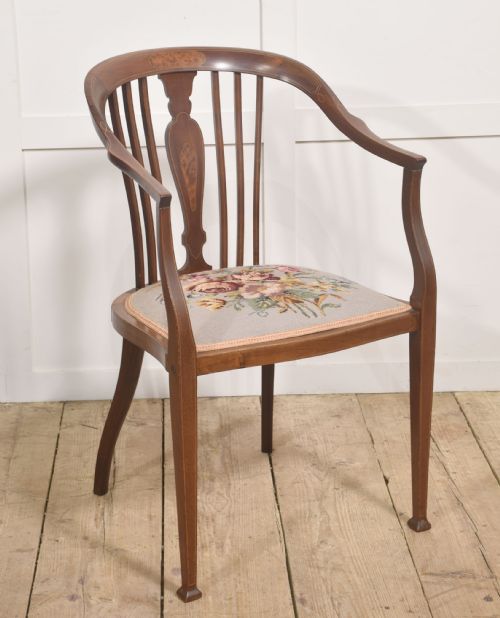
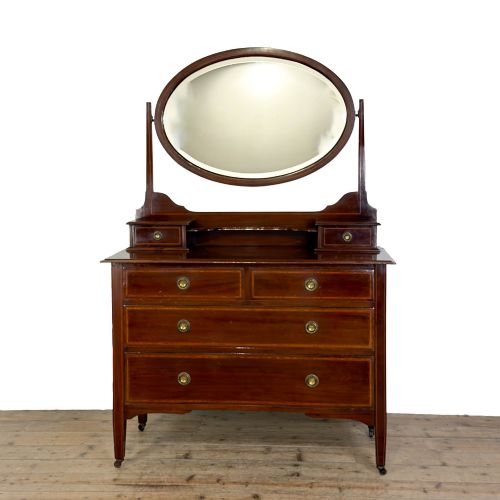
An edwardian inlaid bedroom desk brings refined mahogany and delicate satinwood detail to a personal space, offering a practical surface for daily correspondence.
Edwardian Inlaid Bedroom Desk
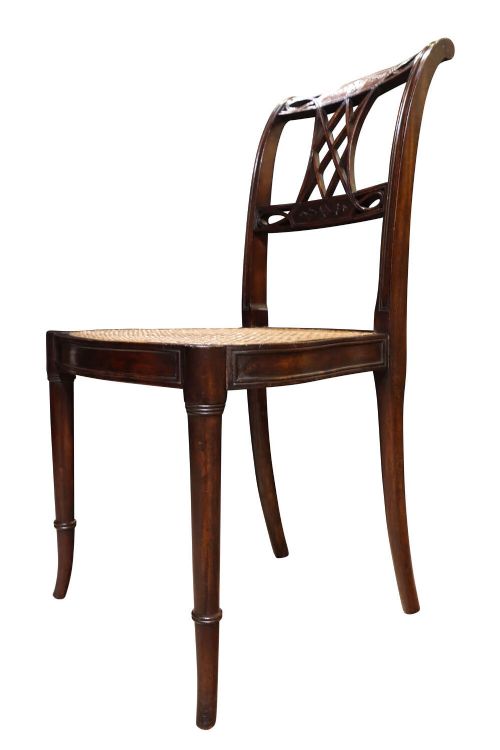
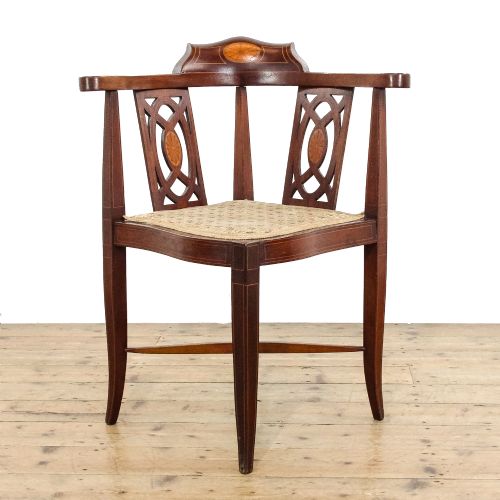
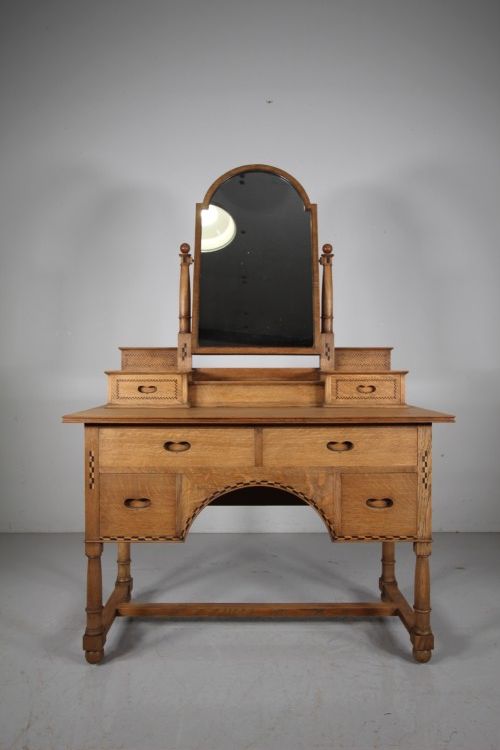
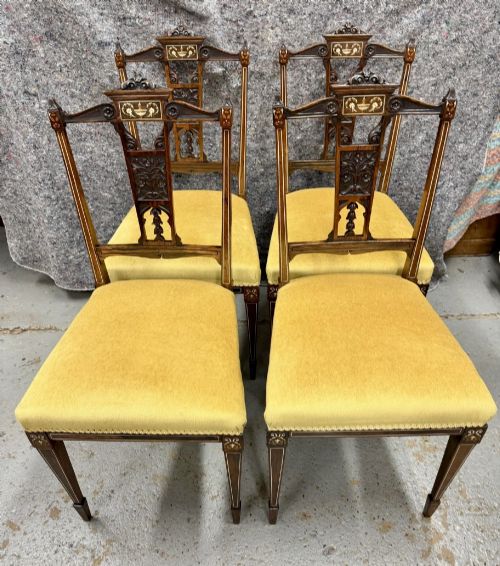
An edwardian inlaid bedroom desk represents the lighter domestic furniture of the period, combining writing surfaces with dressing tables and occasional seating found within the listings. These pieces reflect the shift towards compact, decorative items designed specifically for personal chambers rather than grand public rooms. While the evidence shows many related bedroom chairs and dressing tables, the core form serves the practical need for a private writing place.
The materials and styles span Edwardian production alongside Sheraton Revival and Arts and Crafts influences, often featuring mahogany or satinwood paired with contrasting wood inlay. Craftsmanship from this era focuses on elegance and utility, producing items that function equally well as a dressing table chest or an occasional writing desk.
How they were made
Makers utilised solid mahogany and satinwood as the primary timber foundations, applying boxwood and wood inlay to create contrasting geometric or floral patterns along the borders and panels. Brass fittings and glass components appear alongside fabric upholstery and cane seats, depending on whether the piece functions primarily as a desk, chair, or dressing table.
Joinery techniques from the period prioritised stability combined with refined detailing, allowing intricate marquetry to sit flush within the polished timber surfaces. Cabinetmakers balanced structural integrity with slender proportions, ensuring the legs and frames remained graceful without sacrificing daily utility.
Several pieces arrive with dual identities, featuring central drawers stamped by makers that double a dressing table into a writing desk.
What varies in quality
The distinction between standard production and the top of the range rests on the precision of the wood inlay and the selection of figured timber veneers. Finer pieces display crisp, tight botanical or linear marquetry executed in contrasting satinwood and boxwood, whereas lesser examples rely on simpler painted or minimal banded details.
Structural refinement also separates workshop output, seen in the hand-carved details of the frame and the quality of the timber beneath the polish. Maker attribution, through stamps or labels from notable firms, further elevates a piece by confirming the higher tier of period craftsmanship.
Edwards and Roberts·Wright and Hunter of Belfast·Gillows·Maples
The Edwardian Inlaid Bedroom Desk Glossary
- Inlay
- A decorative technique where pieces of contrasting wood, such as satinwood or boxwood, are inserted into recessed portions of a mahogany base to form a flat surface pattern.
- Marquetry
- Elaborate pictorial or geometric patterning created by assembling various veneered woods together before applying them to the core structure of the furniture.
- Sheraton Revival
- A late nineteenth and early twentieth century design movement that reinterprets the classical, elegant proportions and light neoclassical ornamentation associated with eighteenth century cabinetmaker Thomas Sheraton.
- Satinwood
- A durable, glossy tropical timber native to Ceylon and India, prized for its distinctive golden-yellow sheen and smooth grain used extensively in high-end edwardian banding and desks.
- Corner Chair
- An armchair designed with a diagonal orientation and a continuous curved backrest supported by multiple spindles, intended to fit neatly into the corner of a room.
Edwardian Inlaid Bedroom Desk: Frequently Asked Questions
How do I identify edwardian period furniture?
Identifying pieces from this period involves looking for lighter timbers such as mahogany and satinwood, often decorated with boxwood stringing and Sheraton Revival design motifs.
Maker stamps on drawer sides or paper labels inside compartments can also confirm the exact workshop origin and manufacturing era.
How were these desks used originally?
These pieces served individuals for private correspondence, diary writing, and grooming tasks within the privacy of a bedroom or dressing room.
Their smaller scale allowed them to fit easily into domestic spaces that could not accommodate large library tables or heavy bureau bookcases.
How do I care for inlaid wood surfaces?
Protecting inlaid wood requires keeping the furniture away from direct sunlight and maintaining stable indoor humidity to prevent the delicate satinwood and boxwood veneers from lifting.
Occasional application of appropriate wax polish helps nourish the timber and preserve the historic finish without damaging the intricate marquetry.