



Edwardian Hallway Bench
An Edwardian hallway bench brings practical seating and period character to an entrance hall, combining storage and display in oak or mahogany.
Edwardian Hallway Bench
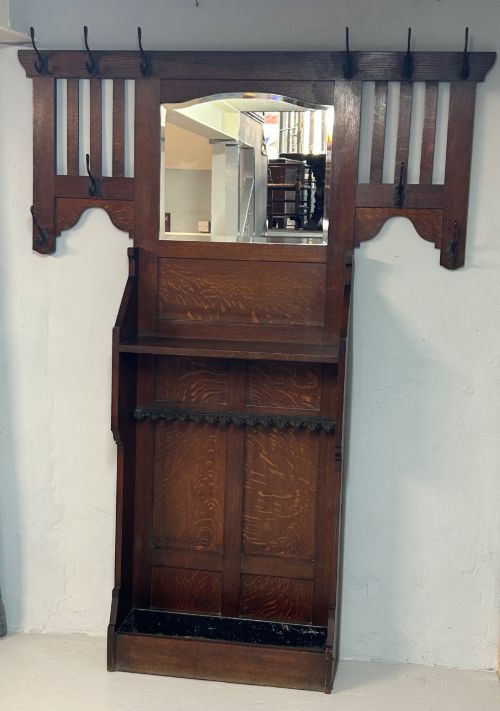
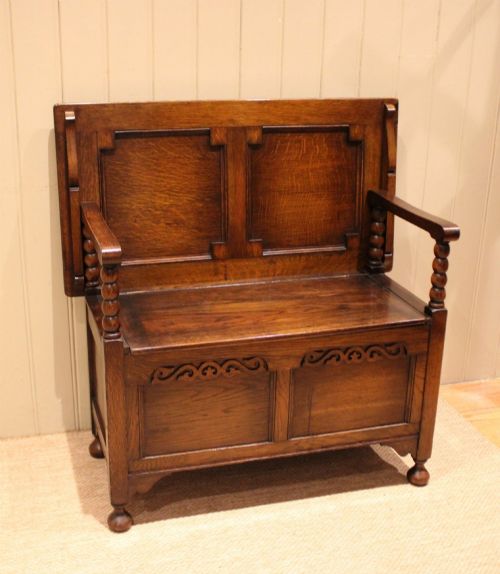
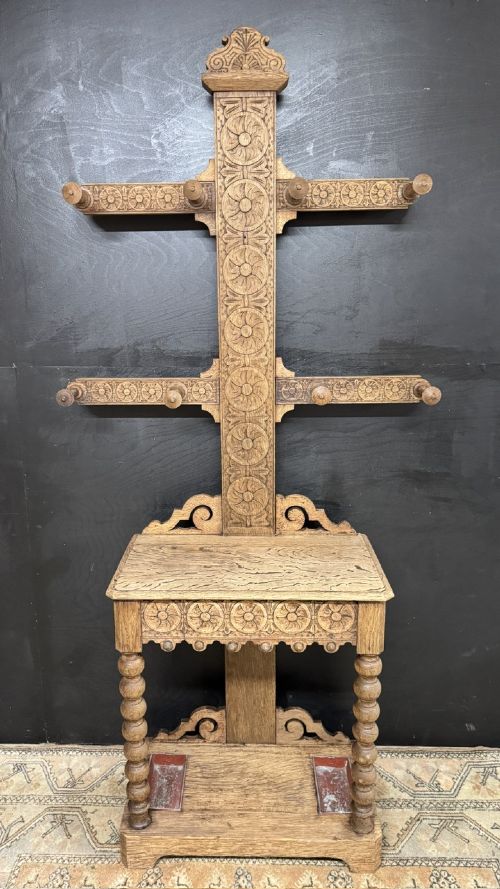
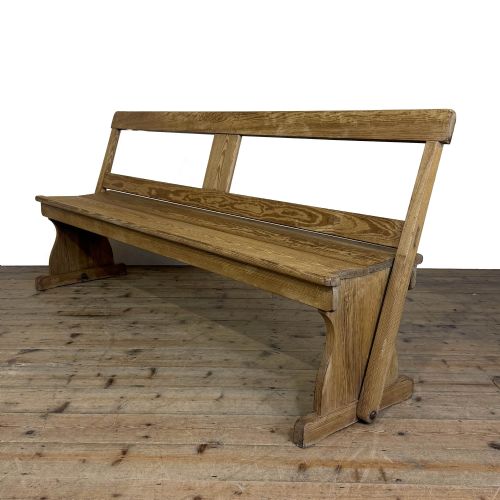
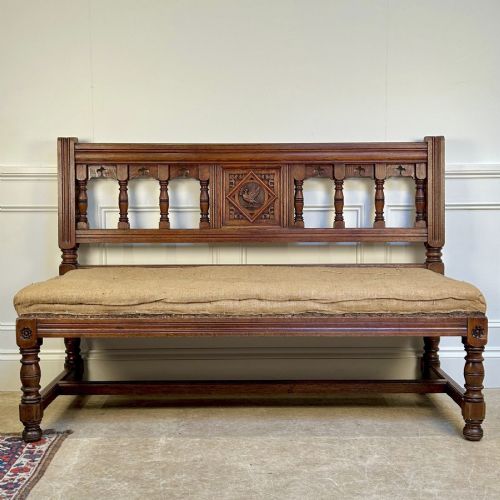
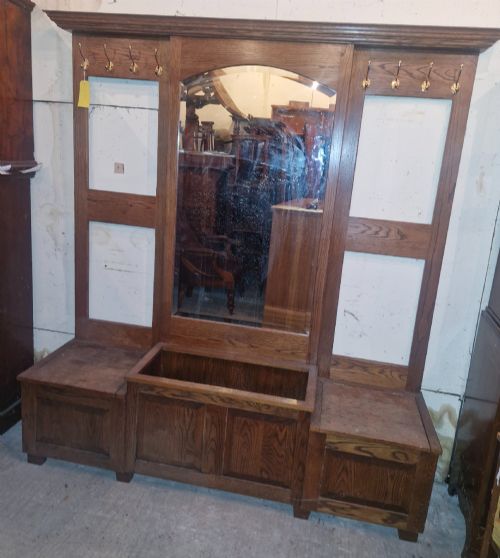
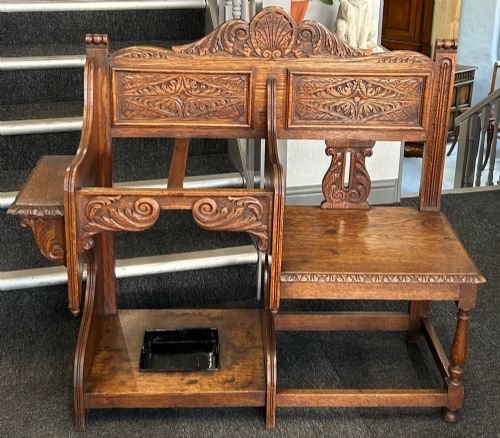
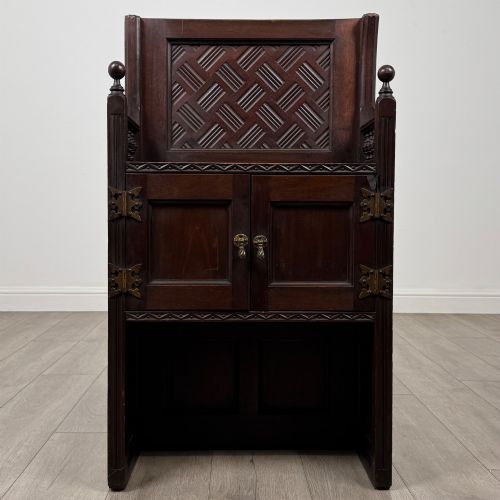
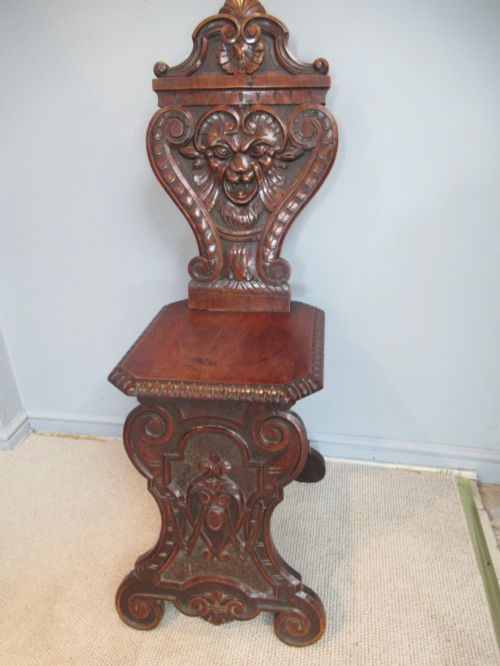
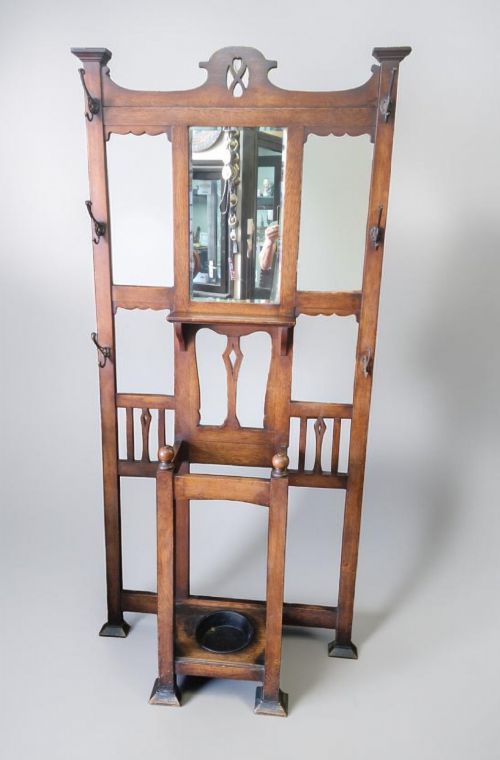
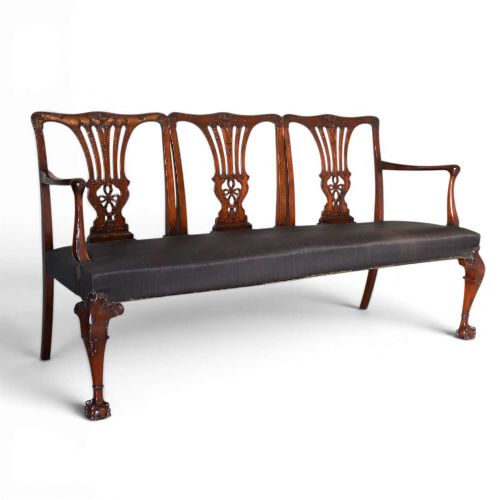
An Edwardian hallway bench unites seating and entrance storage, appearing in forms such as settles, window seats, and hall stands with integrated coat hooks or umbrella holders. The pieces on this page span the Edwardian period alongside Victorian and early twentieth-century examples, reflecting the domestic needs of the era.
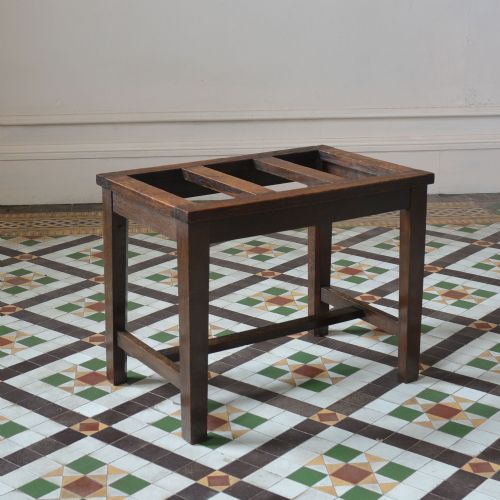
Oak and mahogany dominate the construction, often shaped into carved panels or inlaid surfaces that reflect Arts and Crafts or Art Nouveau aesthetics. Buyers frequently encounter dual-purpose designs, including box settles with hinged seats and hall benches fitted with central cupboards or luggage racks.
Materials and Construction
Cabinetmakers utilised solid oak and mahogany for structural resilience, joining primary timbers with mortise and tenon joints to withstand heavy daily use in narrow entrance spaces. Secondary woods like pine appear in concealed sections such as internal box bases.
Decorative detailing relies on hand-carved floral motifs, contrasting wood inlays, and applied brass hardware for hooks and umbrella drip trays. Upholstered variants employ fabric or leatherette stretched over supportive frames, sometimes paired with turned or swept wooden arms.
Edwardian Hallway Bench Retail Price Guide 2026
Typical asking prices for edwardian hallway bench among the pieces listed under this phrase on Sellingantiques today, from the lower quarter to the upper quarter. They describe what is for sale here now, not the wider market.
Several benches double as hat stands, ready to hold your bowler hat and walking stick after a brisk constitutional.
Judging Quality
Quality rests on the crispness of the timber carving and the integrity of the joinery, distinguishing workshop production from standard utility items. Cabinetmakers who paid attention to grain direction and timber selection produced surfaces that age with depth rather than flat uniformity.
Makers known for retail furnishing, such as James Shoolbred or Wylie Lockhead, demonstrate superior proportion and refined hardware integration compared to anonymous workshop pieces. Original components, from brass coat hooks to internal hinges, preserve the functional balance intended by the maker.
GIllows·James Shoolbred·Jas Shoolbred·Wylie Lockhead Manufacturers·James Shoolbred & Co.
The Edwardian Hallway Bench Glossary
- Settle
- A wooden bench featuring a high solid back and enclosed storage beneath the seat. This form protected sitters from entrance draughts in older hallways.
- Hall Stand
- A multi-functional entrance piece combining a bench seat with vertical panels for hats, coats, and walking sticks. Mirrors and brass drip trays are frequently integrated into the design.
- Box Settle
- A bench with a hinged lid forming a trunk beneath the seat base. It provided practical storage for blankets, boots, and outdoor wear.
- Inlay
- A decorative technique where contrasting woods or materials are set flush into the primary timber surface. Edwardian examples often display geometric lines or stylised floral patterns.
- Arts and Crafts
- A design movement prioritising visible construction, honest materials, and handcrafted detail over machine-made ornamentation. Pieces from this tradition often feature minimal carving and exposed fastenings.
Edwardian Hallway Bench: Frequently Asked Questions
Where should an Edwardian hallway bench be placed?
These benches suit entrance halls, narrow corridors, and boot rooms where floor space permits a combination of seating and surface storage. Their compact depths allow them to sit flat against walls without obstructing thoroughfares.
Positioning them near doorways provides a practical spot for removing shoes or placing bags upon arrival. Ensure clearance for hinged seats or cupboard doors if choosing a storage variant.
How do I maintain the wooden finish?
Regular dusting with a dry lint-free cloth prevents dirt accumulation in carved recesses and joints. Applying a quality beeswax periodically nourishes the timber and maintains a soft sheen.
Avoid placing wooden benches in direct sunlight or beside radiators to prevent the timber from drying out and splitting. Wipe away moisture promptly from oak and mahogany surfaces.
Can these benches support daily seating use?
Solid timber construction and traditional joinery make these pieces robust enough for everyday seating. Checking that leg joints and seat supports remain firm ensures safe use in busy households.
Upholstered variants may require updated internal webbing or padding if the original materials have degraded over time. The structural frames themselves are built to endure frequent weight.