
Edwardian Hallmarked Silver
Edwardian hallmarked silver spans desk accessories, dressing table wares and small domestic items stamped with official assay office marks.
Edwardian Hallmarked Silver
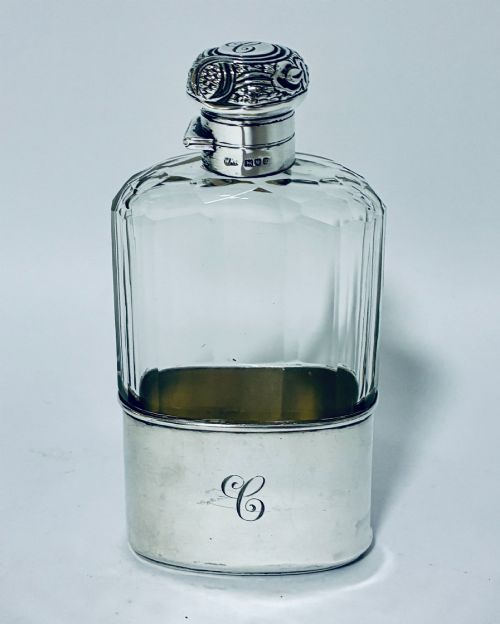
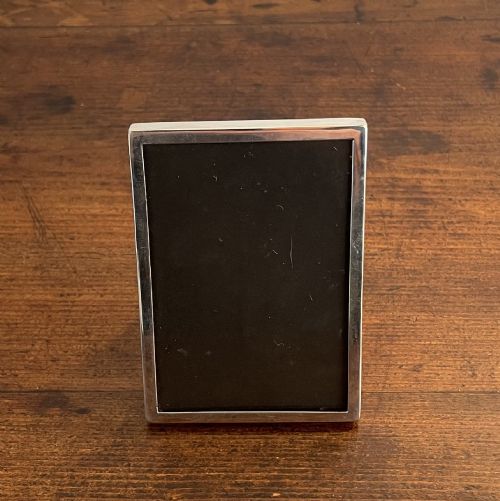
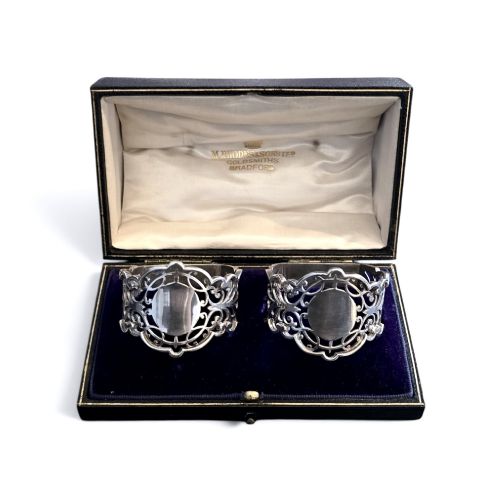
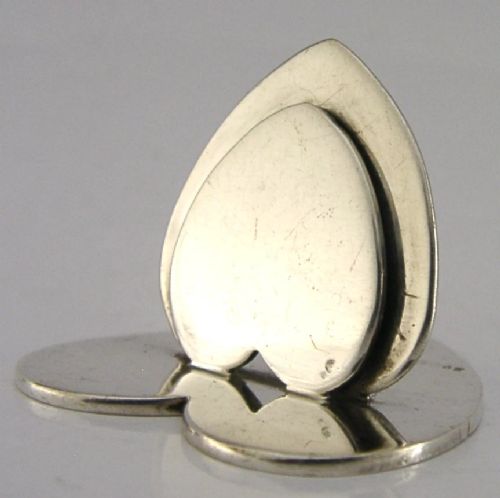
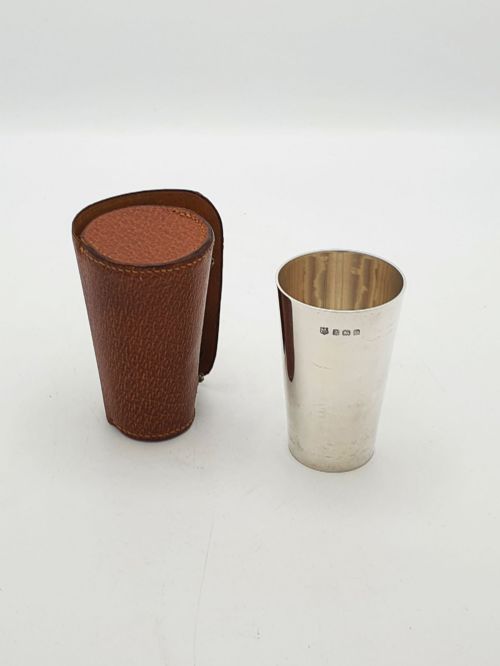
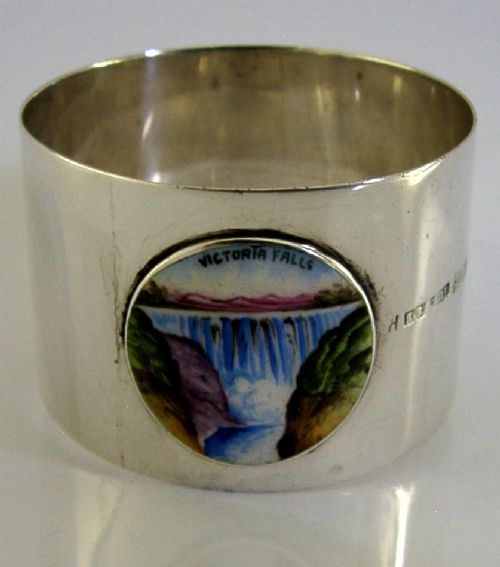
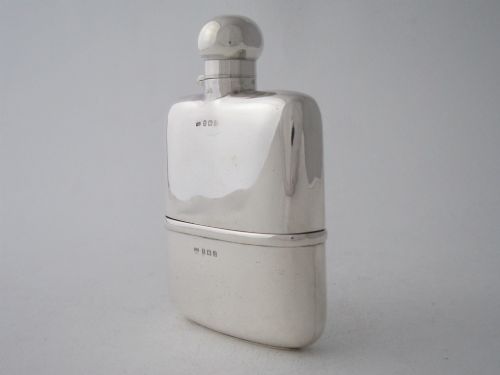
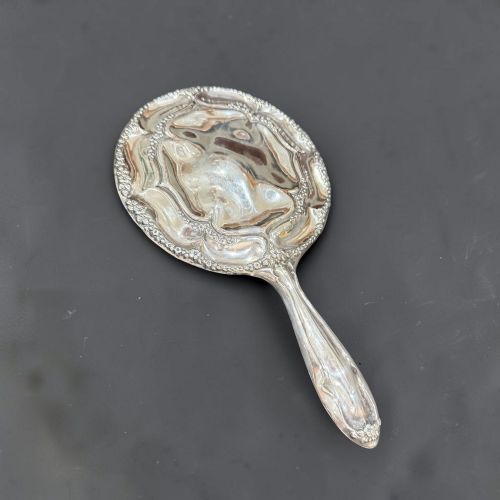
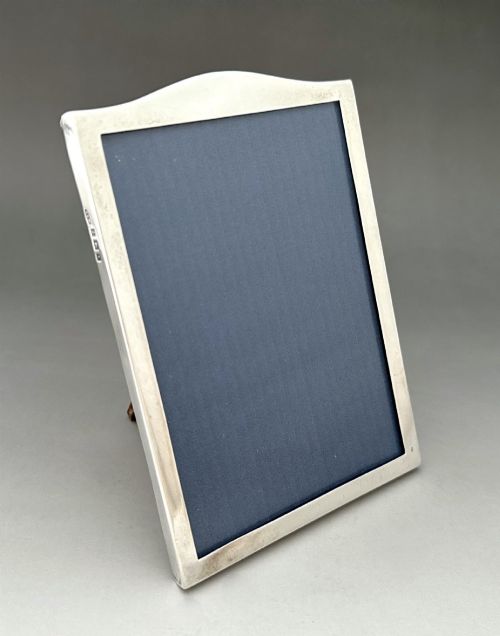
Edwardian hallmarked silver encompasses functional and decorative objects produced during the reign of King Edward VII and the surrounding decades. Collectors encounter picture frames, trinket boxes, scent bottles, menu holders and desk wares stamped with the official marks of British assay offices.
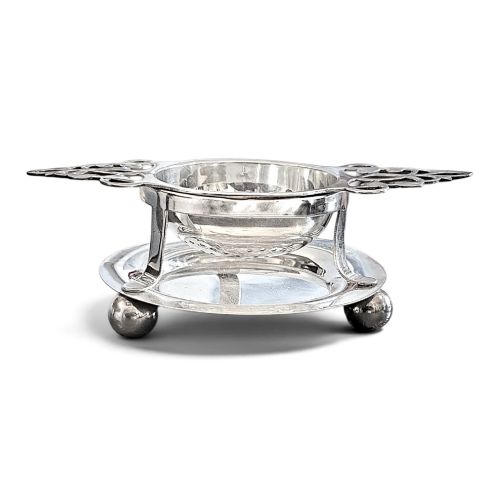
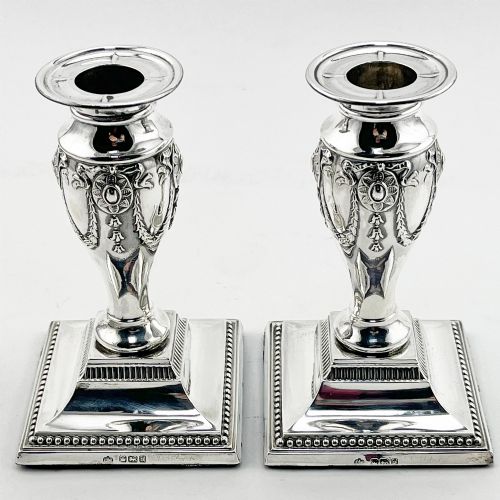
The selection ranges from small personal items such as card cases, sovereign cases and chatelaine pieces to larger table silver including tea caddies, sugar castors and candlesticks. Many pieces combine sterling silver mounts with materials like cut glass, wood, velvet and ceramic.
Makers utilised various stylistic influences spanning Victorian revivals, Arts and Crafts designs and Art Nouveau curves. This variety reflects a period of skilled domestic metalworking across Birmingham, London, Sheffield and Chester.
How they were made
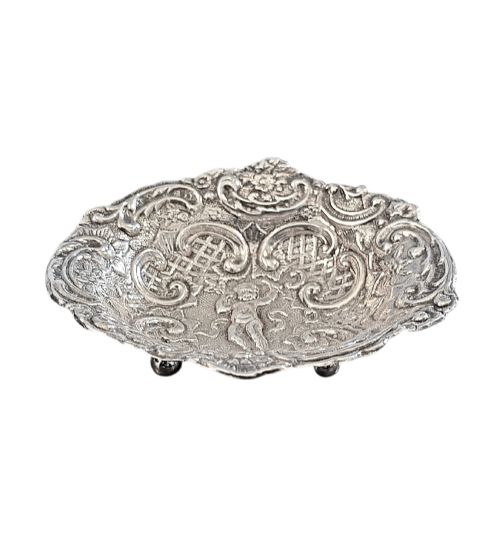
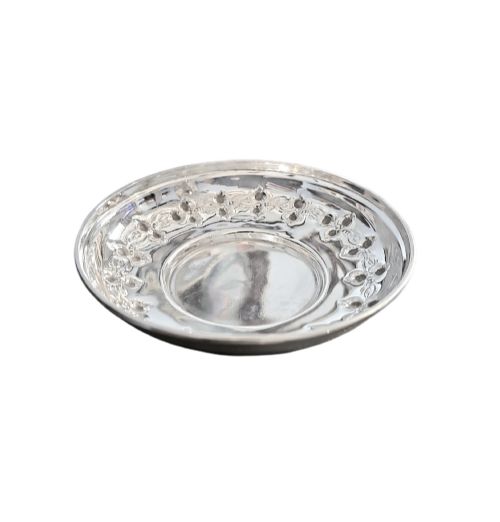
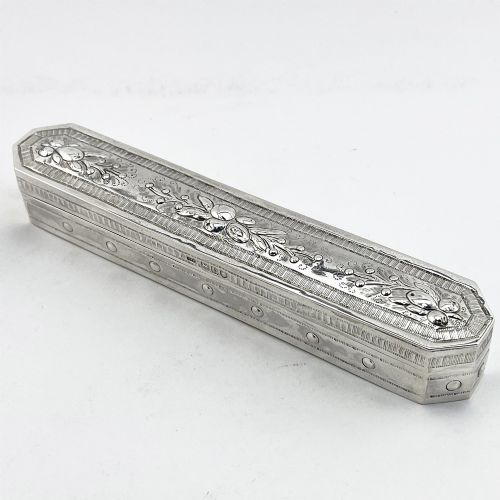
Silversmiths shaped sterling silver sheet and wire through hammering, spinning, casting and piercing, frequently mounting the metal onto glass bodies, hardwood bases or leather cores. Artisans applied surface decoration using chasing, repoussé embossing, hand engraving and applied cast borders.
Makers stamped each finished item with a standard set of punches denoting the maker's mark, the sterling standard, the assay office location and the annual date letter. Glass components were often hand-cut or overlayed, while internal linings utilised velvet, silk and satin.
Listings feature sterling silver combined with cut glass, oak, crocodile skin, mother-of-pearl and amethyst glass across the Edwardian and Victorian eras.
What varies in quality
Quality depends upon the crispness of the chased or embossed detail and the structural weight of the silver relative to the object's size. Finer pieces display careful hand finishing to interior elements, hinges and bezels, ensuring lids close flush and mounts remain secure against glass or wood.
The distinction between standard commercial output and superior craftsmanship also lies in novelty forms and complex multi-part constructions, such as figural menu holders, hinged pocket accessories and articulated pin cushions.
Harrods Ltd·Levi & Salaman·Nathan & Hayes·Goldsmiths and Silversmiths Company·Aaron Lufkin Dennison·Martin Hall & Co·Adie & Lovekin Ltd
The Edwardian Hallmarked Silver Glossary
- Hallmark
- An official stamp applied by an assay office guaranteeing the purity of the precious metal. These marks typically include a maker's mark, standard mark, town mark and date letter.
- Repoussé
- A metalworking technique where the artisan hammers and pushes the silver from the reverse side to form a raised design in relief on the front.
- Tazza
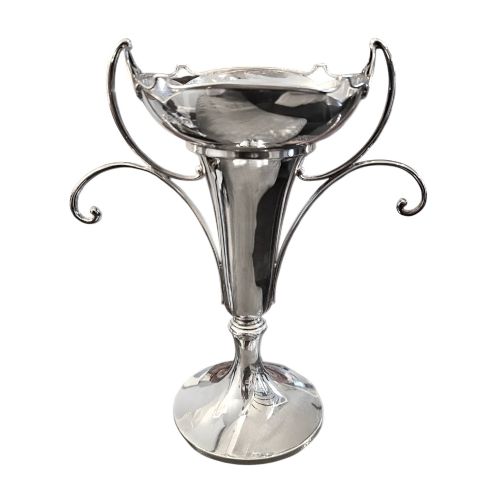
- An ornate shallow cup or open bowl raised upon a central foot or stem. These pieces frequently appear in hammered silver from the Arts and Crafts period.
- Vesta
- A small pocket case designed to hold matches, fitted with a serrated striking strip on the base. They often feature engraved monograms and hinged spring lids.
- Quaich
- A traditional shallow two-handled drinking vessel originating in Scotland. Edwardian examples translate the form into sterling silver for decorative presentation.
Edwardian Hallmarked Silver: Frequently Asked Questions
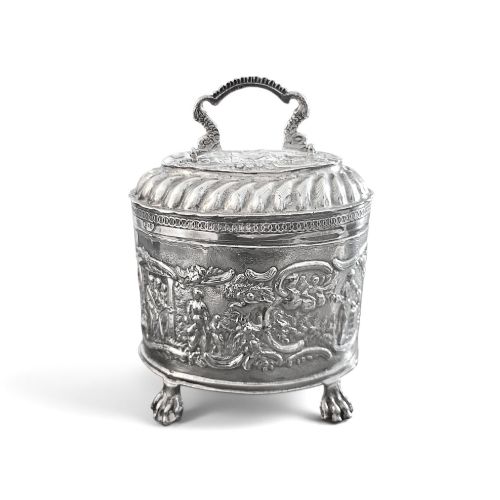
What is a silver hallmarked caddy?
A silver hallmarked caddy is a small lidded container originally manufactured to store dry tea leaves before blending and brewing became standardised.
These pieces feature secure fitted lids and often display decorative repoussé work, floral chasing or novelty forms reflecting the taste of the period.
How do I date Edwardian silver?
Dating Edwardian silver relies upon reading the sequential assay office date letter stamped directly into the metal alongside the lion passant and town mark.
Each assay office utilised distinct shield shapes and alphabet cycles to designate the exact year the item was submitted for testing.
Were glass and silver items glued together?
Glass and silver items were assembled using specialised jeweler's cement or plaster inside the silver collar rather than modern adhesives.
This traditional mounting method accommodated the slight expansion and contraction differences between the glass body and the metal rim.
How should I clean antique silver?
Cleaning antique silver requires a non-abrasive silver cloth or a mild proprietary liquid polish applied gently to preserve the original hallmarks and raised details.
Avoid aggressive scrubbing, chemical dips and ultrasonic cleaners, as these methods can strip away accumulated patination and damage softer fitted materials like velvet or silk.