

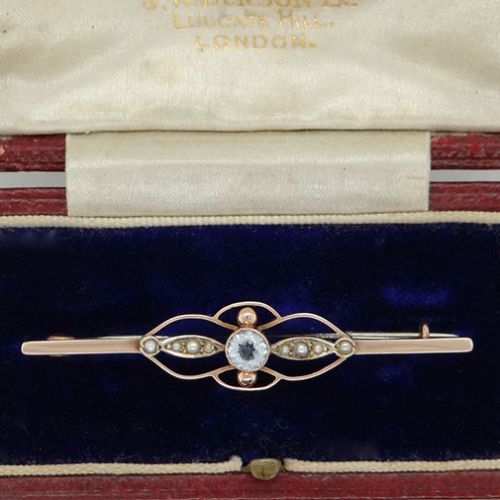

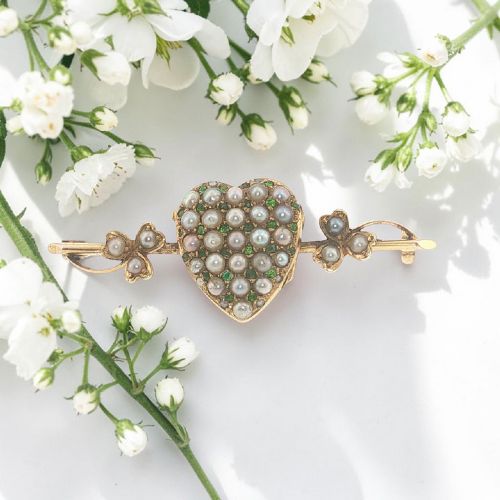
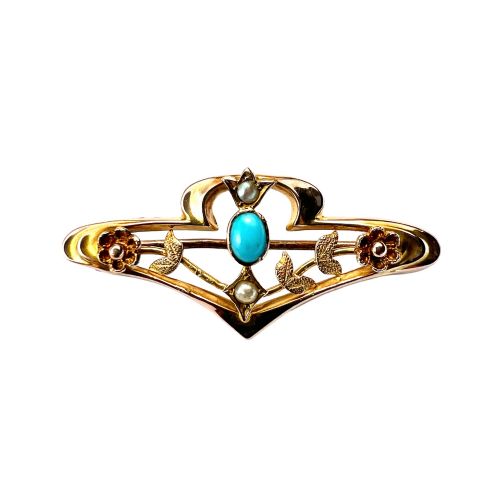
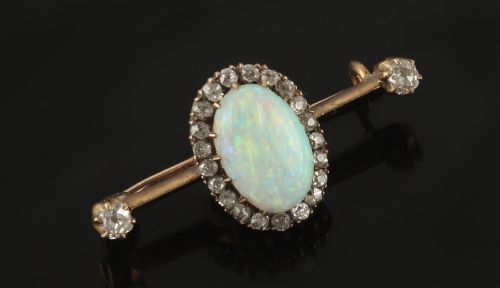
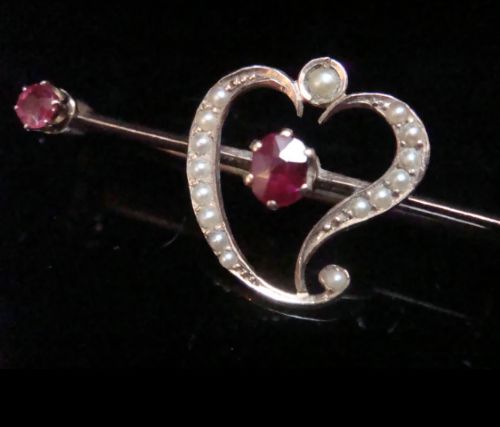


Edwardian Gold Bar Brooch
An edwardian gold bar brooch brings the refined elegance of the early twentieth century to a lapel, offering delicate gem-set designs crafted to catch the light.
Edwardian Gold Bar Brooch
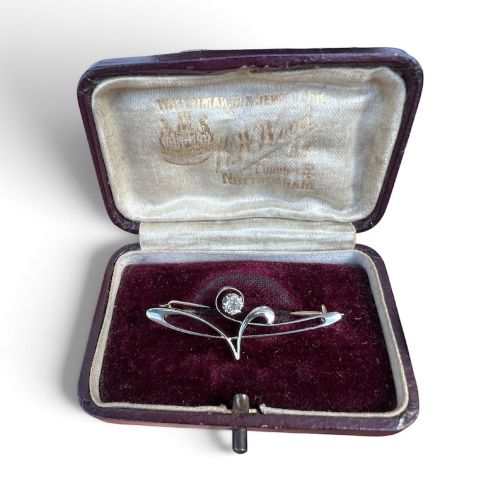
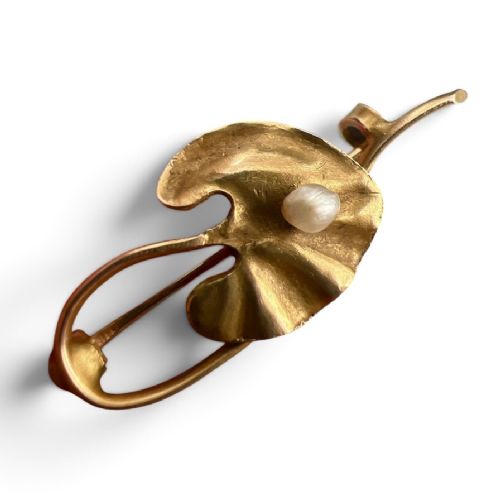
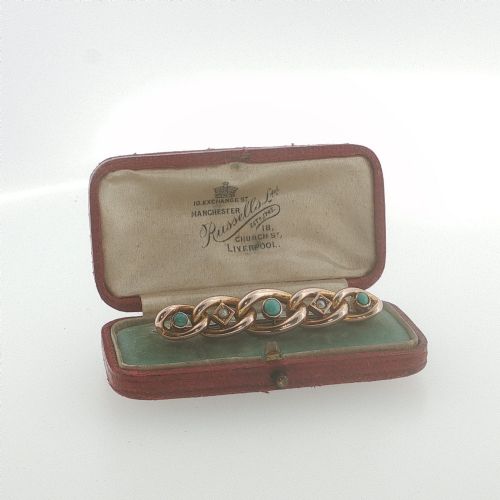
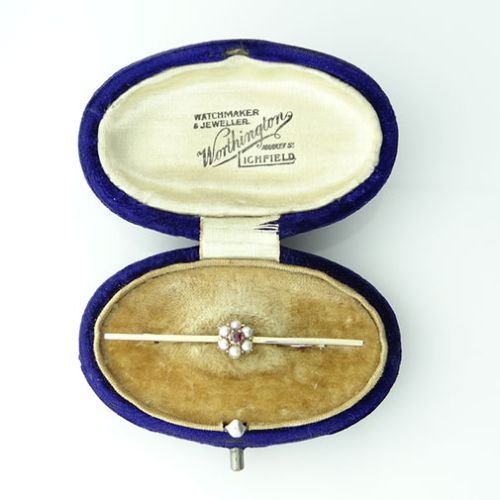
An edwardian gold bar brooch is a linear fastening pin typically centred with precious or semi-precious gems, designed to secure garments while adding subtle ornamentation. The pieces seen here span the Edwardian period alongside adjacent Victorian and Art Deco eras, capturing a distinct transition in decorative taste.
The form relies on a slender horizontal metal bar that supports central clusters, floral motifs, or insects such as spiders and swallows. Most examples utilise yellow or rose gold, frequently complemented by platinum settings for diamonds to maximise brilliance.
Materials and Techniques
Goldsmiths of the period employed various purities, notably 9ct and 15ct gold alongside higher 18ct alloys, often combining yellow gold shanks with white metals like platinum or silver to enhance diamond settings. Stones including pearls, turquoise, rubies, and peridots were hand-set using claw, bezel, or pavé techniques.
Intricate piercing and milling work created lightweight yet rigid structures, allowing delicate motifs like hearts, crescents, and botanical sprays to maintain their shape during everyday wear.
Wear a tiny gem-set spider brooch and let an Edwardian artisan's web sit quietly on your lapel.
Assessing Quality and Execution
Superior execution shows in the precision of the stone setting and the crispness of decorative wirework, where minimal solder is visible under magnification. Higher-tier examples integrate well-matched natural gemstones with lively cut proportions, particularly in older diamond cuts.
The structural integrity of the pin mechanism and the balance of the central motif relative to the supporting bar indicate the original maker's level of care and skill.
The Edwardian Gold Bar Brooch Glossary
- Bar brooch
- A decorative pin featuring an elongated horizontal metal shaft as its primary structural element. This format became exceptionally popular during the late nineteenth and early twentieth centuries.
- Seed pearl
- A very small, naturally occurring or early cultured pearl, often drilled and threaded onto fine wire or glued in tight clusters. They provide a delicate, shimmering border to central coloured stones.
- Rose-cut diamond
- An antique diamond cut featuring a flat base and a domed crown faceted with triangular stones meeting at a point. This historic cut produces a soft, candlelit lustre rather than modern brilliant sparkle.
- Assay mark
- A stamped symbol indicating the purity of the precious metal and the office that tested it. These small hallmarks help confirm the historical origin of the piece.
- Old-cut diamond
- A hand-faceted diamond shape preceding modern brilliant cuts, characterised by a smaller table, higher crown, and open culet. Each stone was individually shaped by eye.
Edwardian Gold Bar Brooch: Frequently Asked Questions
How do I wear a bar brooch safely?
Pin the brooch through a sturdy weave or use a protective backing disc behind the fabric to prevent the pin stem from pulling. Heavier gem-set pieces sit best on structured woollens, lapels, or heavy silk scarves.
Ensure the safety clasp or C-clasp is fully secured before wearing. For extra security on older pins, a small silicone stopper can be placed on the pin tip behind the garment.
Are these brooches suitable for daily wear?
Most Edwardian designs are robust enough for regular use, provided they are handled with care and stored safely when not worn. Delicate elements like seed pearls and claw-set stones benefit from occasional checks by a jeweller.
Avoid wearing delicate antique jewellery during rigorous physical activities or exposing them to harsh household chemicals. Gentle cleaning with a soft cloth preserves the original gold finish.
How can I tell an Edwardian piece from a Victorian one?
Edwardian jewellery frequently incorporates platinum-topped gold and lighter, airier openwork motifs that contrast with the heavier, warmer yellow gold settings typical of mid-Victorian designs. Pastel gems like peridot, aquamarine, and pearls dominate the later period.
Stylistic shifts toward stylised geometry or naturalistic insects also bridge the late Victorian and Edwardian eras. Hallmarks and accompanying case details can provide further chronological context.
What stones are most common in these brooches?
Pearls, turquoise, and diamonds appear frequently, often paired with vibrant coloured stones such as rubies, peridots, garnets, and amethysts. These combinations reflect the period's love for varied colour palettes.
Seed pearls were particularly favoured for creating intricate borders around central gemstones or forming entire floral and insect bodies.