


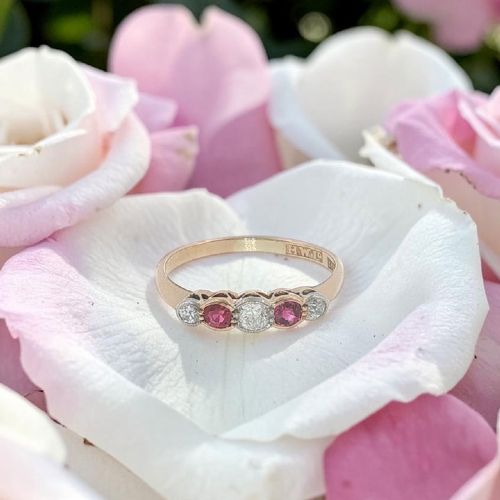
Edwardian Gold Band Ring
An edwardian gold band ring brings the distinct craftsmanship of the early twentieth century to the hand, offering a refined piece of history you can wear daily.
Edwardian Gold Band Ring
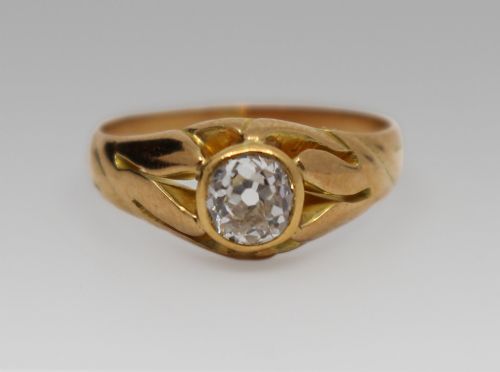
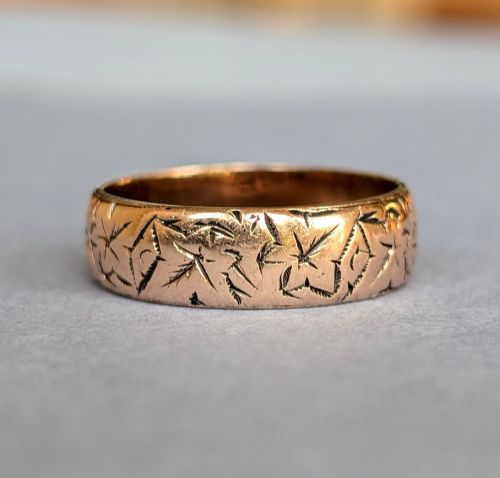
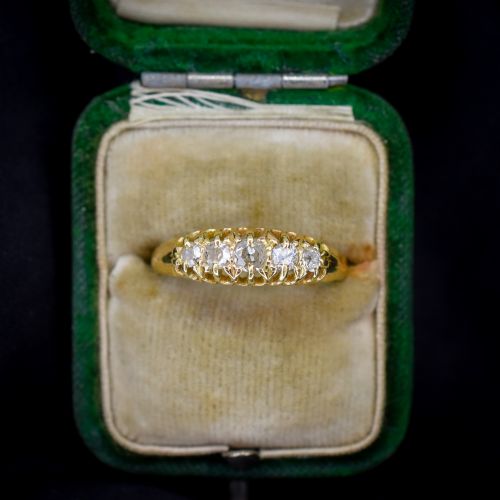
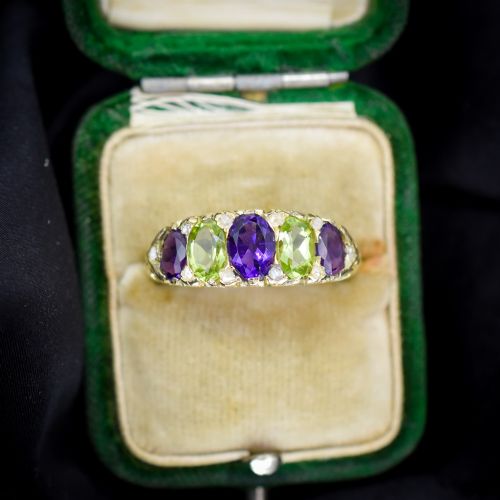
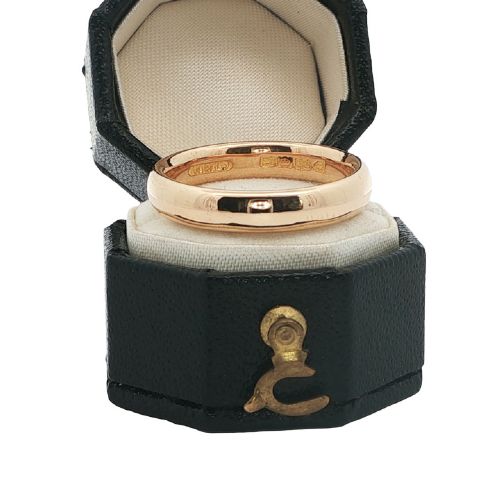
When you search for an edwardian gold band ring, you encounter pieces spanning the early decades of the twentieth century alongside related Victorian and later works. These rings take several distinct forms, from plain wedding bands and engraved rose gold hoops to elaborate settings featuring precious gems.
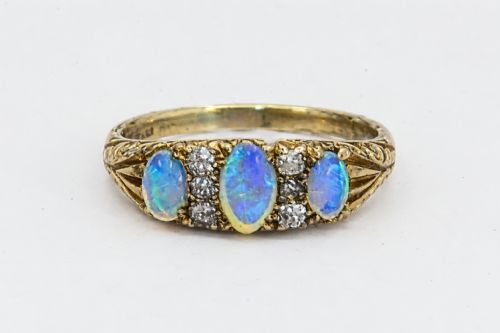
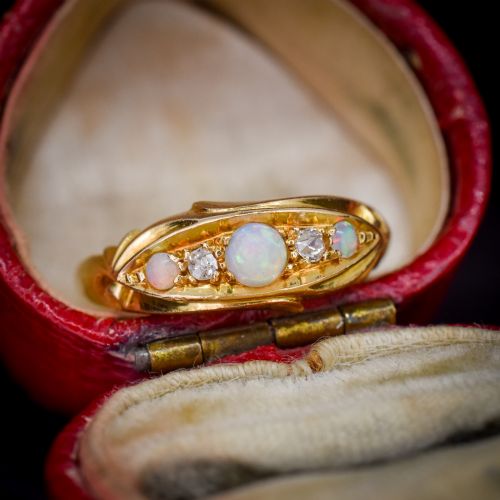
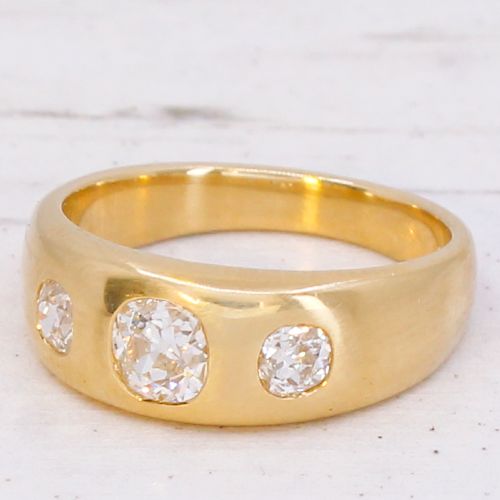
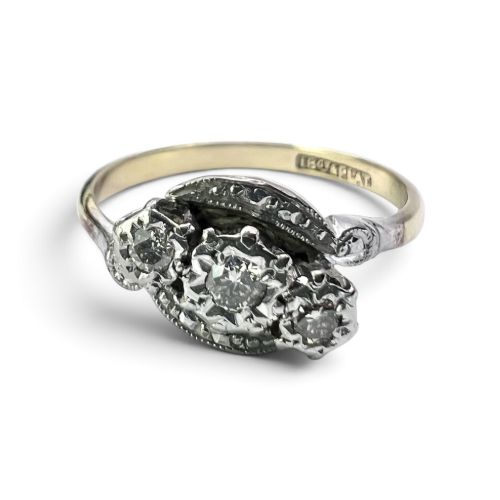
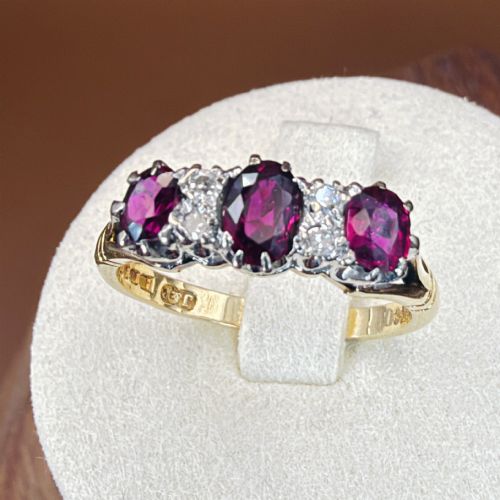
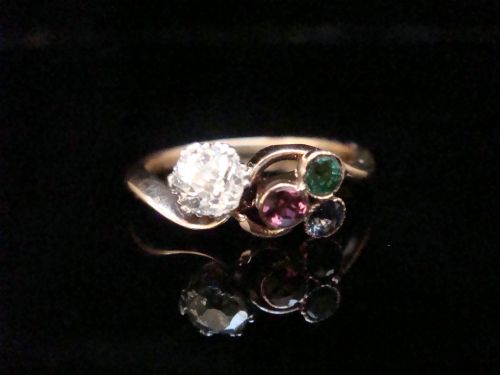
The selection frequently includes multi-stone configurations such as boat rings, gypsy settings, and cluster arrangements. Gemstones like diamonds, rubies, sapphires, and opals appear regularly alongside traditional gold hoops, reflecting the varied tastes of the period.
Materials and construction
Goldsmiths of this era worked predominantly with 9ct, 15ct, 18ct, and 22ct gold, often utilising rose or yellow variants, alongside platinum for specific secure settings. Metal was cast, hand-hammered, and drawn into bands before receiving detailed hand-engraving or flush-set stones.
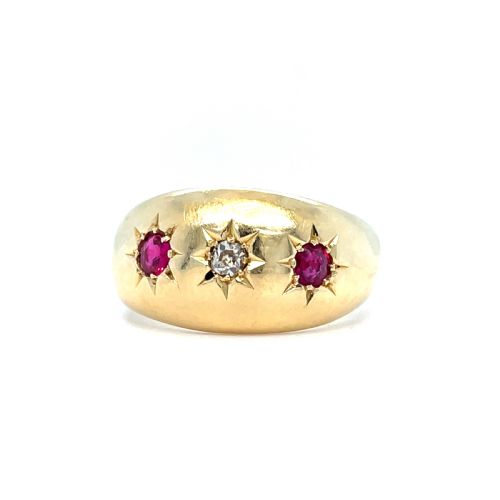
Gemstones feature characteristic early cuts, including old mine cuts and old European cuts, secured via claw settings, starburst flush mountings, or boat-shaped platforms that maximise light capture.
The inventory records distinct regional assay marks from Birmingham and Chester alongside traditional date letters spanning the late nineteenth and early twentieth centuries.
Evaluating craftsmanship and condition
Distinctions in quality rest upon the crispness of hand-engraving, the symmetry of stone settings, and the retention of original proportions without excessive thinning of the gold band from wear. Finer examples maintain distinct hallmarks and secure, original gem mounts that show minimal metal fatigue.
The choice of materials also dictates standing, with higher carat gold weights and well-matched natural stones separating standard production pieces from more ambitious goldsmith work.
The Edwardian Gold Band Ring Glossary
- Gypsy ring
- A style where stones are flush-set directly into the thick band of the ring, sloping smoothly down to the metal surface.
- Boat ring
- A setting shaped like a traditional boat hull, typically mounting a row of graduated gemstones across the finger.
- Old cut diamond
- A hand-faceted diamond shape predating modern brilliant cuts, possessing a smaller table and a deeper pavilion.
- Hallmark
- An official stamp applied by an assay office indicating the purity of the metal and the year of manufacture.
- Trilogy ring
- A ring featuring three stones set side by side, traditionally representing the past, present, and future.
Edwardian Gold Band Ring: Frequently Asked Questions
How do I identify an edwardian gold band ring?
Look closely at the stylistic markers, gem cuts, and any visible hallmarks stamped inside the hoop. Many pieces carry assay office marks and date letters that pinpoint the exact year of creation.
Assay office locations like Chester or Birmingham help establish provenance, while characteristics like old cut diamonds and specific floral engravings point firmly to the early twentieth century.
Can I wear my edwardian gold band ring daily?
These rings were built for everyday wear, often utilising durable high-carat gold and robust flush or boat settings. However, care should be taken with softer stones like opals or pearls.
Removing the ring during heavy manual tasks ensures the delicate claws, engravings, and ancient gold bands remain protected from unnecessary friction and potential knocks.
What is the difference between rose gold and yellow gold pieces?
Rose gold gains its distinct warm hue from a higher alloy proportion of copper mixed with pure gold. Yellow gold maintains a classic rich tone through balanced silver and copper alloying.
Both variations were popular during the Edwardian era and the preceding Victorian years, often chosen based on personal aesthetic preference rather than a strict chronological rule.
How should I clean my antique ring?
Gently clean the metal and durable gemstones using warm water, mild washing liquid, and a soft-bristled brush. Avoid submerging rings that contain pearls or opals in liquid.
Professional jewellers can inspect the prong settings periodically to ensure the old cut diamonds and coloured gems remain tightly secured within their mountings.