






Edwardian Glazed Table
These pieces known as an edwardian glazed table bring together timber framing and glass tops to exhibit small valuables inside.
Edwardian Glazed Table
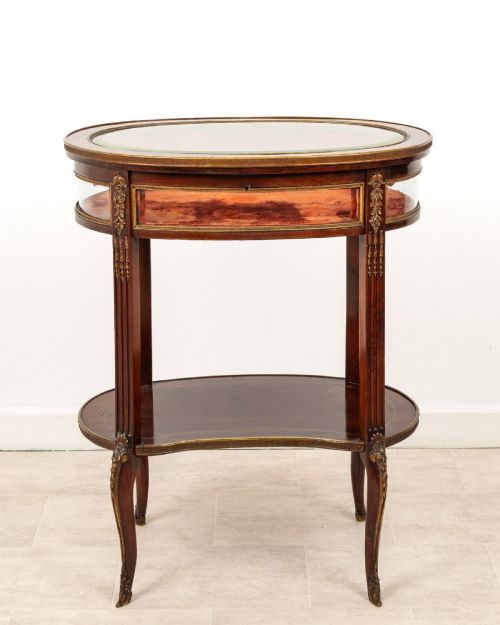
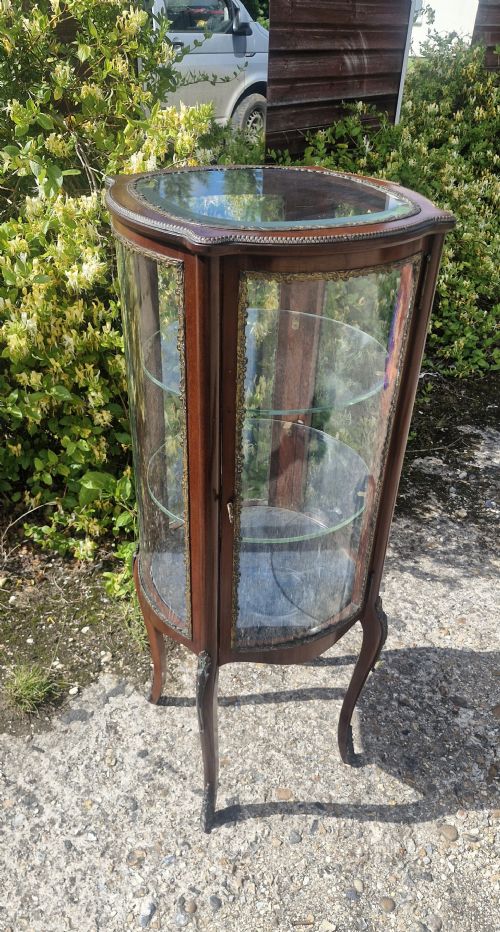
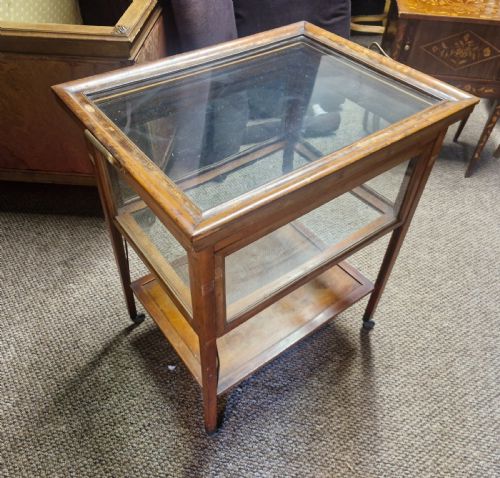
An edwardian glazed table combines the function of a standard occasional table with the display properties of a cabinet, designed specifically for showing small ornaments, jewellery and curiosities beneath glass. Buyers searching this phrase will find pieces primarily originating from the Edwardian period alongside late Victorian examples, often taking the form of bijouterie tables or display cases.
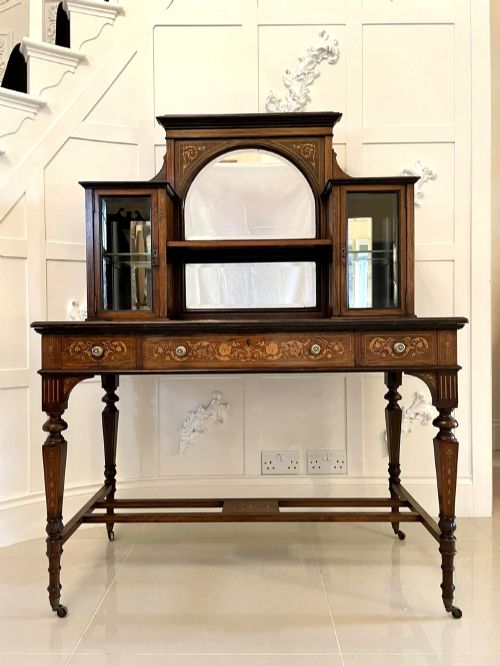
The dominant variations on this page include kidney-shaped frames and rectangular tables constructed from mahogany and satinwood, frequently enhanced by delicate inlay work. These items served polite society as a means to present personal collections in drawing rooms and reception spaces.
Beyond standard display tables, the selection incorporates related glazed furniture forms such as table top display cases and occasional cabinets sharing the same glass-topped characteristic. Each version relies on clear visibility from above to showcase the items stored within the timber frame.
Materials and construction methods
Makers utilised solid and veneered timbers, predominantly mahogany and satinwood, building structural frames that could support fitted glass panels safely on top. Brass, gilt metal and ormolu mounts frequently decorated the corners, hinges and legs to add ornamental contrast to the polished wood.
Inlay work played a major role in surface decoration, using contrasting woods to create fine geometric lines and botanical motifs across the table tops and friezes. Glazing techniques involved setting bevelled or flat glass panes securely into hinged or fixed wooden lids backed by fabric or velvet linings.
Edwardian Glazed Table Retail Price Guide 2026
Typical asking prices for edwardian glazed table among the pieces listed under this phrase on Sellingantiques today, from the lower quarter to the upper quarter. They describe what is for sale here now, not the wider market.
A timepiece given to a doctor in Ireland keeps quiet watch among the tea trolleys and butterfly specimens.
Distinctions in quality
The refinement of the timber selection and the precision of the inlay work distinguish superior examples from standard production pieces, particularly where intricate satinwood banding meets rich mahogany. Attention to detail in the metal mounts, such as finely chased brass or gilt bronze rather than plain stamped metal, elevates a piece significantly.
Structural integrity of the glazed lid and the smoothness of the internal lining also separate fine craftsmanship from simpler utilitarian items, ensuring the display compartment functions securely while retaining balanced proportions.
Liberty of London·Royal Worcester·Latshea and Sons
The Edwardian Glazed Table Glossary
- Bijouterie table
- A glass-topped table designed expressly for displaying small precious objects, medals or trinkets. These items typically feature hinged or lifting glazed lids.
- Inlay
- A decorative technique where pieces of contrasting wood or other materials are inserted into depressions flush with the surrounding surface. This method creates geometric borders and patterns.
- Ormolu
- Gilt bronze ornamentation applied to furniture mounts and feet during the eighteenth and nineteenth centuries. The technique provides a rich golden finish to metal details.
- Satinwood
- A durable hardwood with a lustrous, yellow-toned grain utilised extensively for fine cabinetmaking and decorative stringing during the Edwardian era.
Edwardian Glazed Table: Frequently Asked Questions
What fits inside an edwardian glazed table?
These tables were originally intended for small personal treasures such as pocket watches, portrait miniatures, fans and delicate jewellery.
Today, owners continue to use the glazed compartment to exhibit collections of small antiques, fossils or modern curiosities safely out of the dust.
How do I care for the glass top?
Cleaning requires a mild glass cleaner applied sparingly to a cloth rather than sprayed directly onto the surface, preventing moisture from seeping into the wooden frame.
Checking the fabric lining periodically for dust accumulation helps protect any delicate items placed inside the display well.
Where should I place it?
Drawing rooms and quiet studies suit these tables best, where natural light can pass through the glass top to illuminate the objects stored beneath.
Keeping the furniture away from direct sunlight prevents the underlying satinwood and mahogany veneers from fading over time.
How do I distinguish Edwardian from Victorian examples?
Edwardian versions often lean towards lighter satinwood inlays and more slender tapered legs, reflecting a shift towards brighter interior aesthetics.
Victorian predecessors tend to feature heavier mahogany framing, deeper mouldings and darker polished finishes overall.