

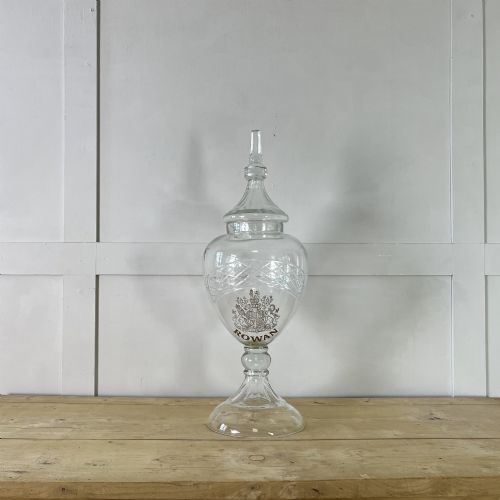


Edwardian Glass Vessel
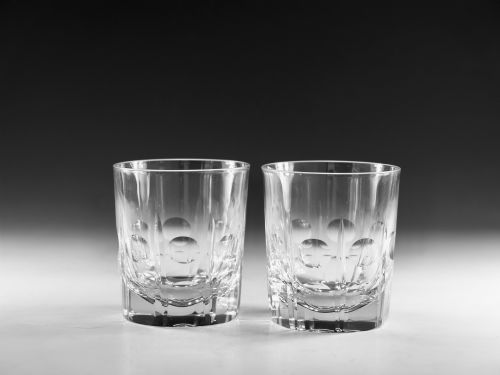
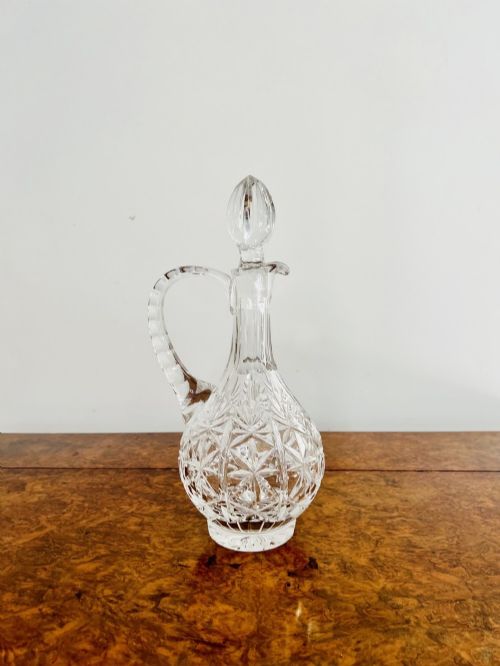
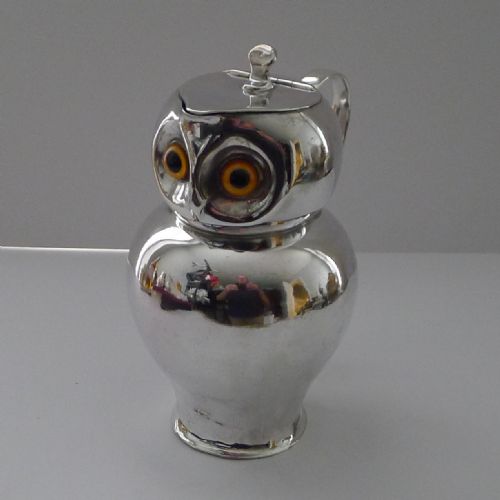
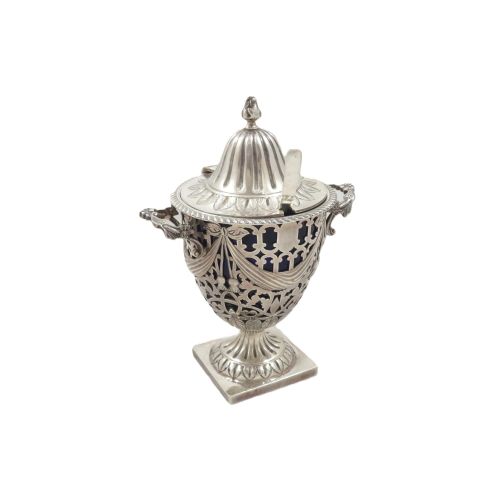
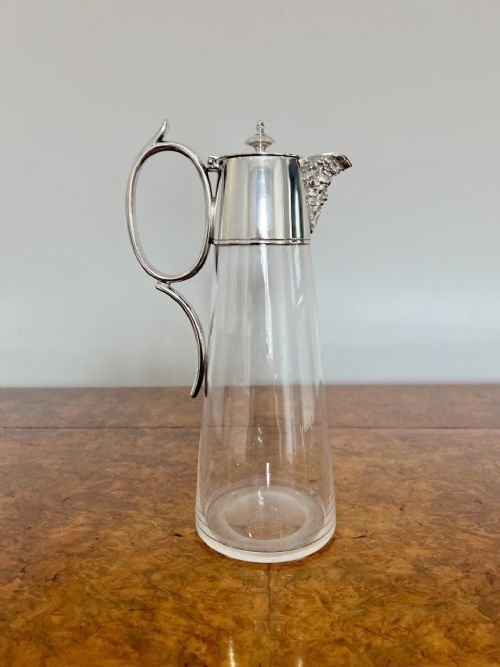
An Edwardian glass vessel brings tactile brilliance to a room, combining heavy refractive lead crystal or coloured glass with fine silver mounts.
Edwardian Glass Vessel
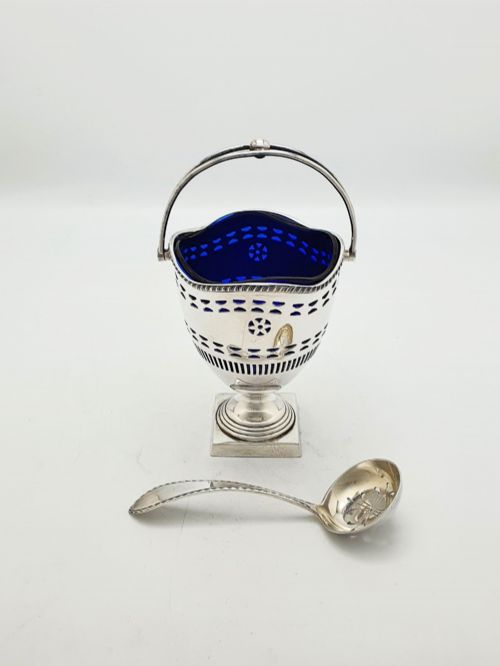
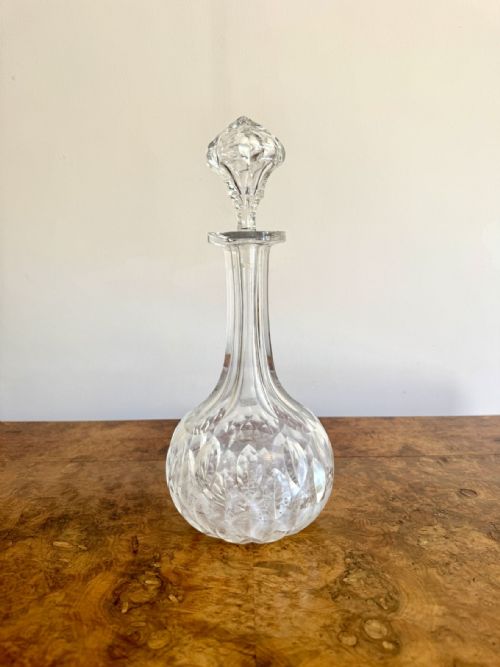
When you search for an edwardian glass vessel, you encounter a varied assortment of domestic and decorative objects intended for display or daily service. The listings here showcase decanters, ewers, vases, apothecary jars, sugar bowls, and trinket boxes from the early twentieth century.
You are most likely to meet cut glass decanters and jugs featuring heavy lead crystal bodies alongside sterling silver or silver-plated collars and stoppers. Pieces span domestic utilitarian forms and decorative Art Nouveau or Arts and Crafts creations.
The materials and styles reflect the transition from ornate Victorian tastes towards cleaner Edwardian lines and organic continental motifs. Each Edwardian glass vessel serves both a functional role on the dining table or sideboard and an aesthetic purpose in the interior.
Materials and Craftsmanship
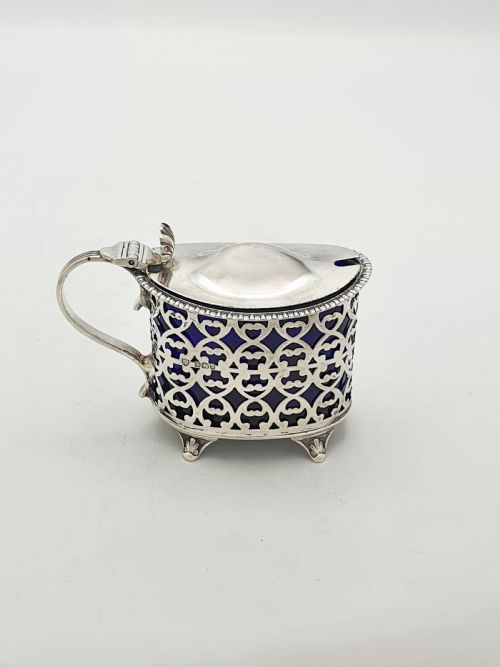
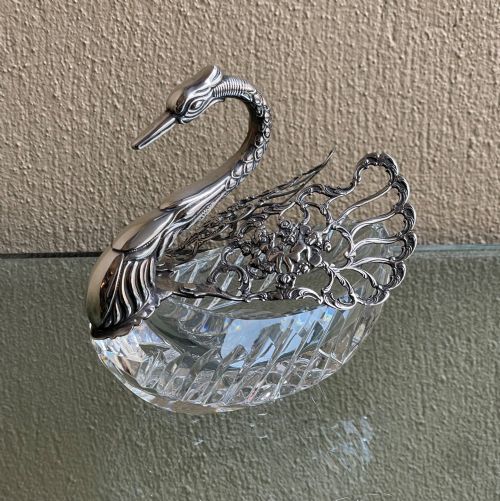
Makers utilised heavy lead crystal and soda glass, shaping them through blowing, optical moulding, and deep wheel cutting to maximise light refraction. Many vessels incorporate mounts, handles, or overlays in sterling silver, silver plate, pewter, and enamel.
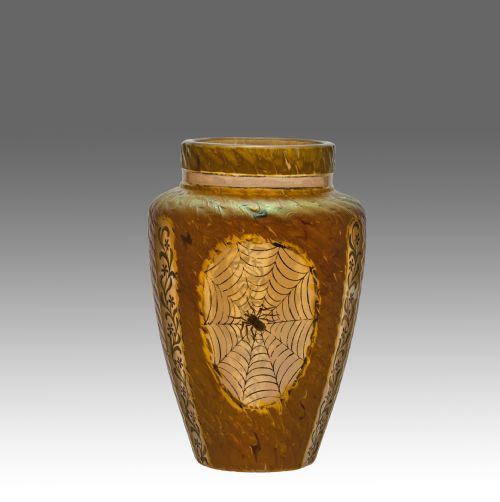
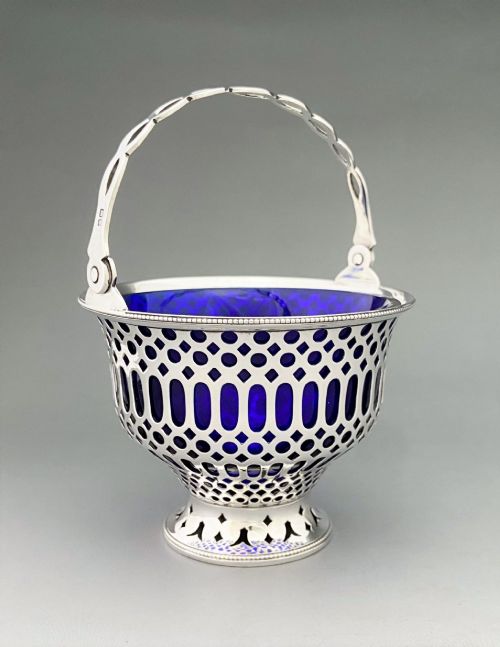
Advanced chemical treatments produced iridescent, cameo, and coloured glass effects, particularly in continental and British studio workshops. Smiths and silversmiths then fashioned fitted collars, hinged lids, and pierced baskets to complement the glass bodies.
Materials recorded across the inventory include cut glass, sterling silver, cobalt glass, enamel, and pewter.
Evaluating Quality and Execution
The distinction between standard domestic items and superior examples lies in the depth and crispness of the glass cutting, the weight of the metal mounts, and the purity of the material. Top-tier pieces exhibit flawless optical clarity, substantial lead crystal heft, and secure, well-fitted metalwork without looseness.
Artistic ambition and maker reputation further elevate a piece, separating mass-produced table glass from signed studio art glass or bespoke retail collaborations. Attention to detail in enamelling, pewter casting, and silver hallmarks marks the upper echelon of these vessels.
Kralik Glass·Loetz Witwe·James Powell·Stuart England·WMF
The Edwardian Glass Vessel Glossary
- Lead crystal
- Glass containing a high percentage of lead oxide, which increases weight, brilliance, and workability for deep cutting. This material gives Edwardian vessels their characteristic ring and heavy feel.
- Cut glass
- Glass decorated by grinding facets or geometric patterns into the surface using rotating wheels. Deep cutting creates sharp edges and intense light reflection.
- Claret jug
- A vessel specifically designed for serving red wine at the dining table, typically featuring a glass body with a hinged metal lid and handle. Many examples combine cut crystal with silver-plated mounts.
- Cameo glass
- Art glass formed of two or more distinct layers of colours, where outer layers are carved or acid-etched away to reveal a contrasting design. This technique produced intricate floral and aquatic motifs.
- Apothecary jar
- A large glass container originally used to store medicines, herbs, or chemicals in pharmacies. Surviving examples often feature ground glass stoppers and generous proportions.
Edwardian Glass Vessel: Frequently Asked Questions
How do I clean an old glass decanter?
Wash the interior gently using warm water and non-abrasive beads or specialised cleaning brushes to remove residue without scratching the antique surface. Avoid sudden temperature changes that can crack aged lead crystal.
Dry the exterior thoroughly with a lint-free cloth and leave the stopper out until the interior is completely free of moisture.
Were these vessels meant for daily use?
Many Edwardian glass vessels were created for active service on dining tables, dressing tables, and sideboards. Decanters held wine or spirits, while jars and boxes stored trinkets or preserves.
Today, collectors balance practical use with careful handling to preserve delicate silver mounts and hand-cut crystal.
How do I identify an Edwardian piece?
Look for hallmarks on the silver mounts, characteristic floral or geometric decorative motifs, and the specific weight and clarity of the glass. Edwardian design often bridges ornate Victorian styles and simpler twentieth-century forms.
Consulting maker signatures or retailer marks can also confirm the production era.
What is the difference between cut glass and crystal?
Crystal contains lead oxide, which softens the material for deeper cutting and increases its refractive index to create greater sparkle. Standard glass lacks this lead content, resulting in lighter weight and less optical dispersion.
Edwardian makers utilised lead crystal for their finest decanters and ewers to achieve superior brilliance.