
Edwardian Glass Table Lamp
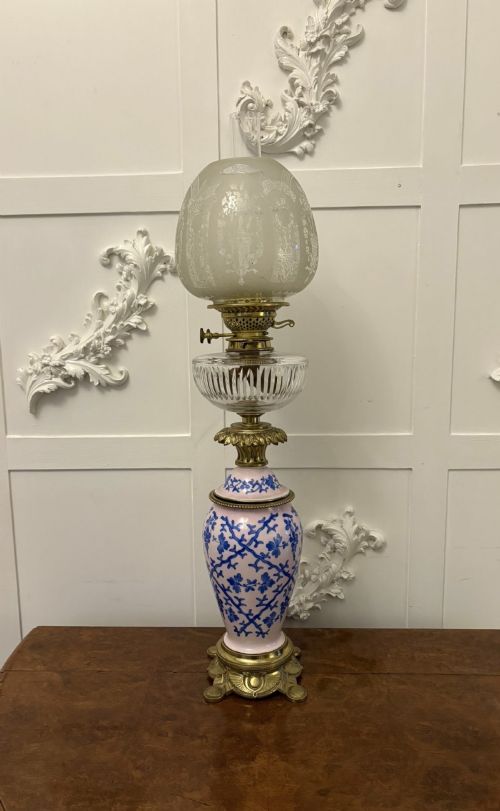
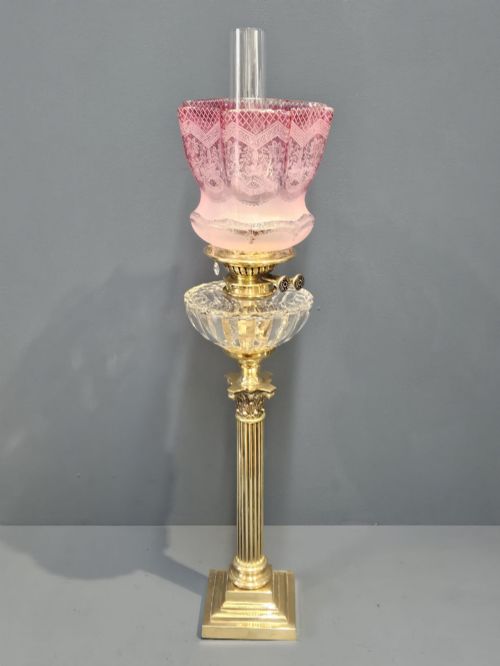
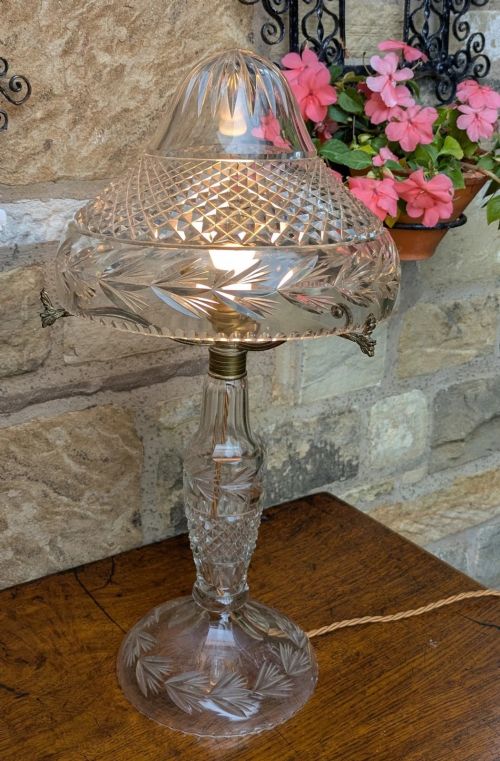
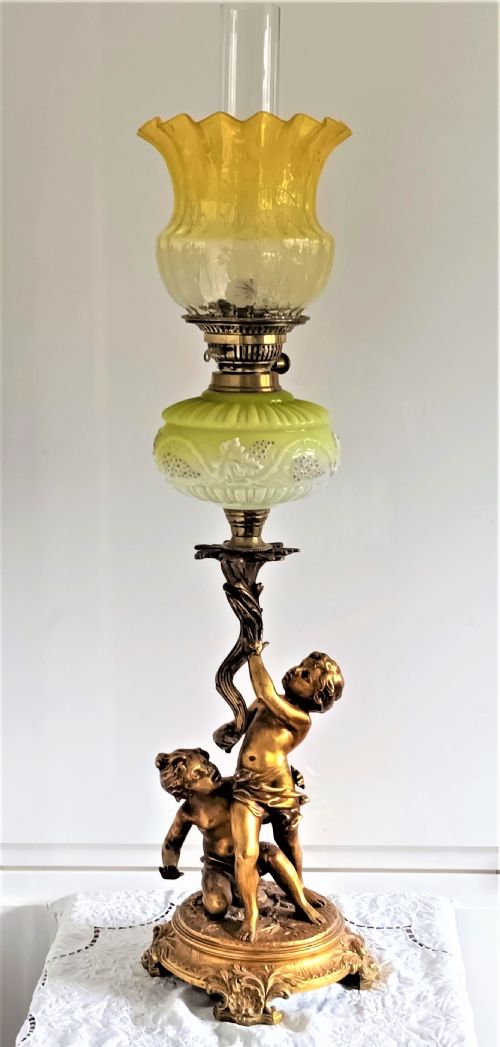
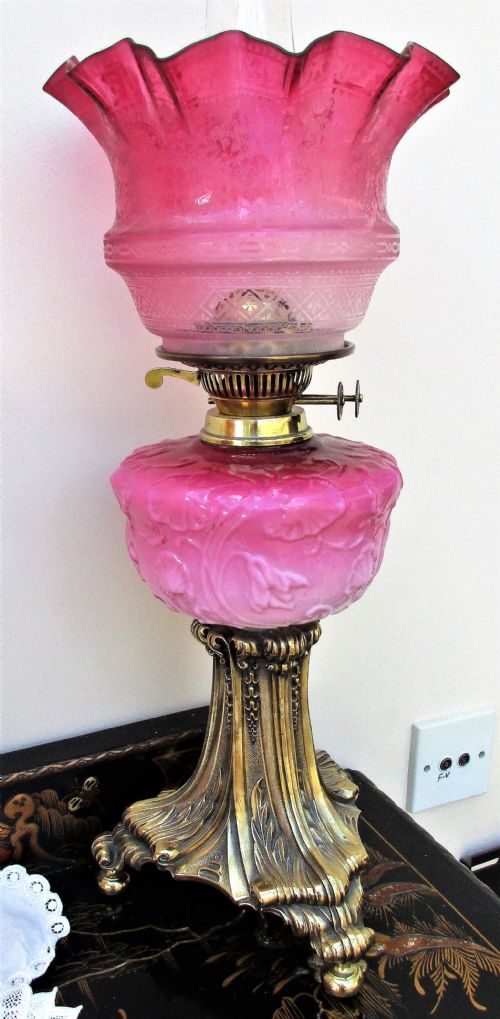
These edwardian glass table lamp pieces bring period warmth to a room through heavy cut crystal and softly tinted shades.
Edwardian Glass Table Lamp
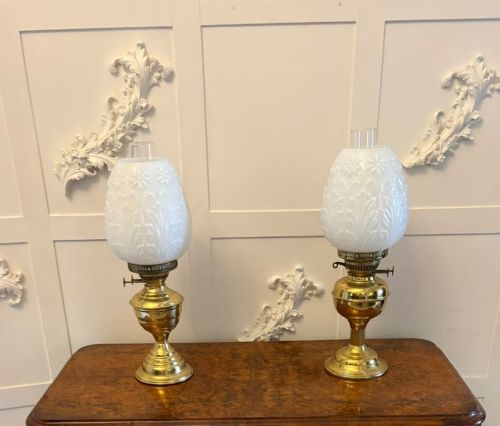
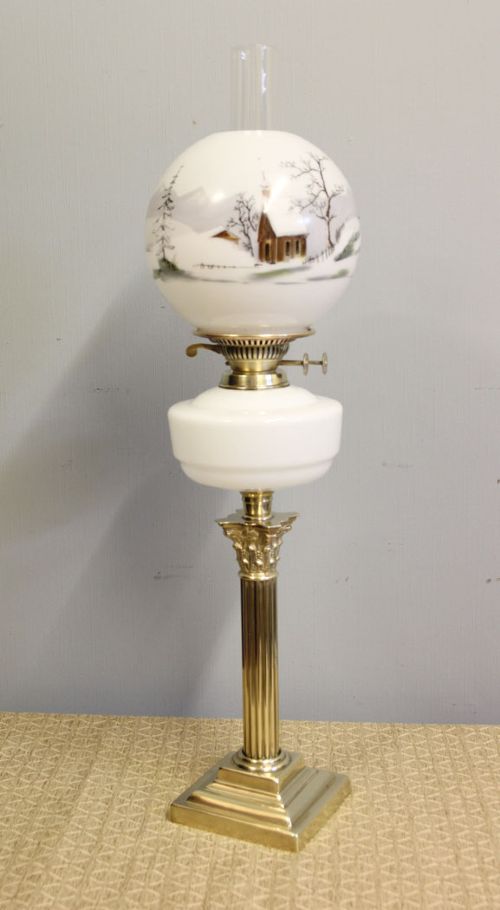
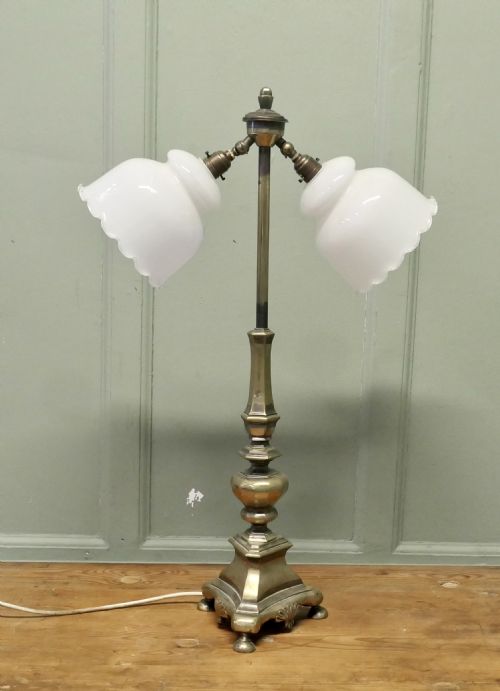
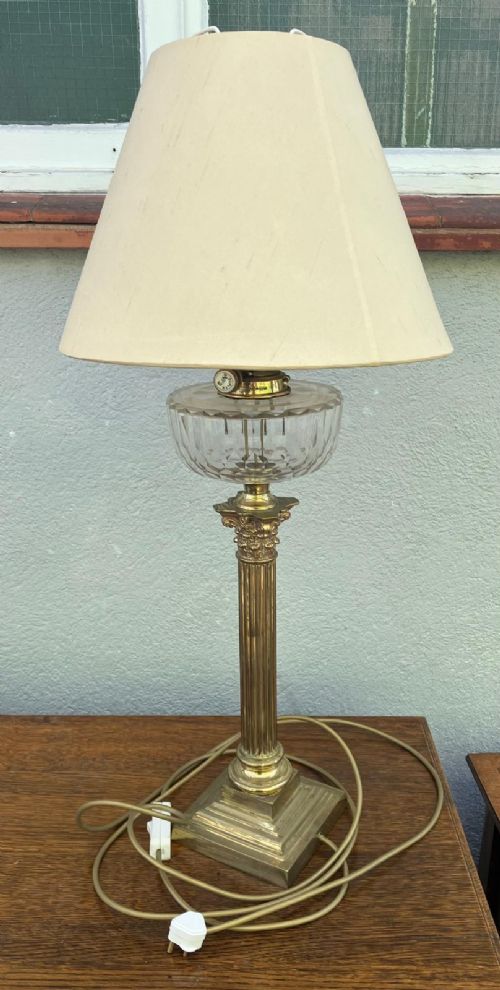
An edwardian glass table lamp typically combines a heavy brass or bronze base with a contrasting glass font or shade. The form often derives from earlier oil lamps, adapted later for electric bulbs.
The versions most common here span the Edwardian era into the early twentieth century, alongside transitional pieces from the late Victorian period. They appear as table lamps, desk lamps and converted oil lamps.
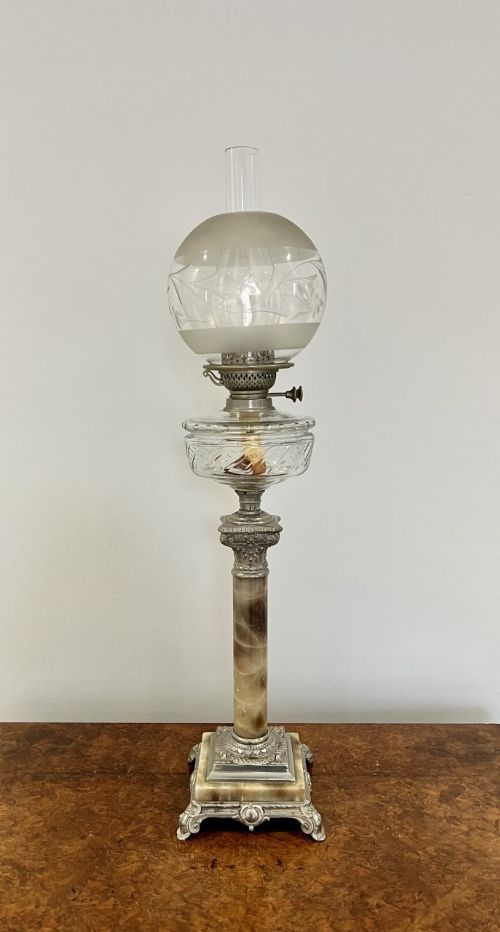
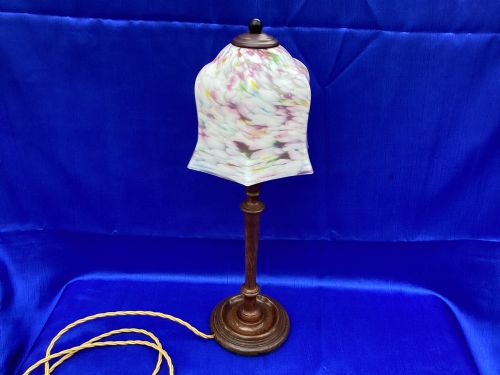
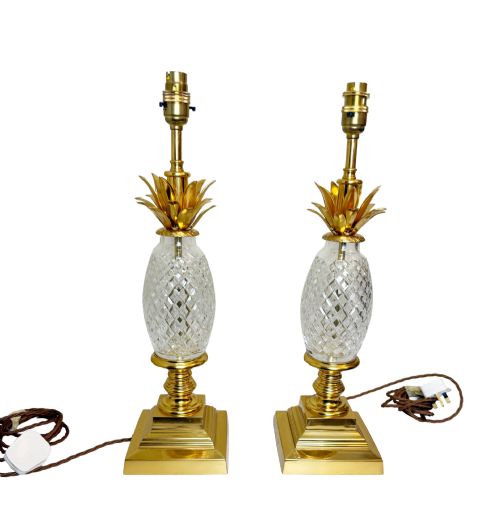
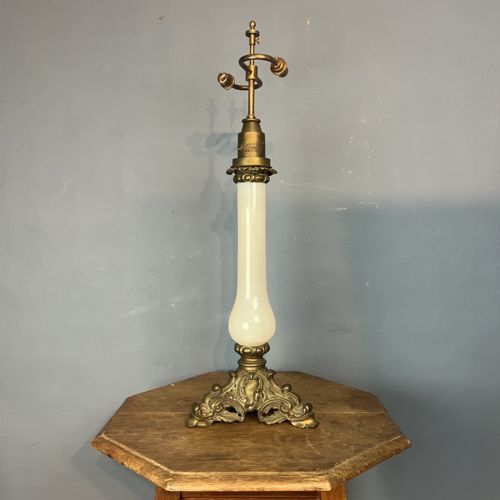
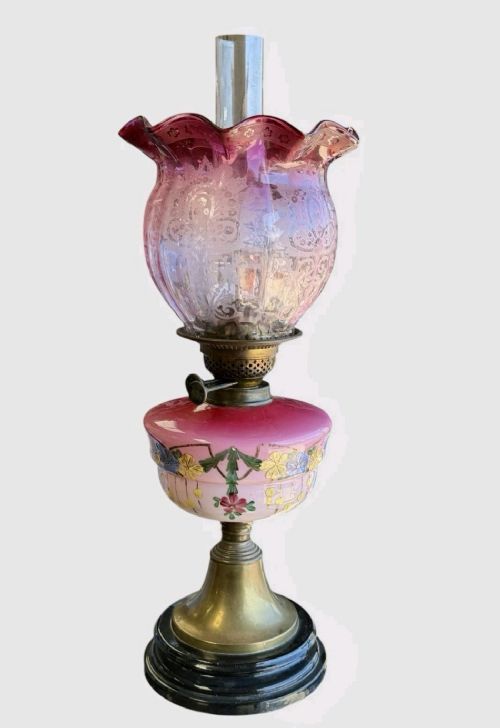
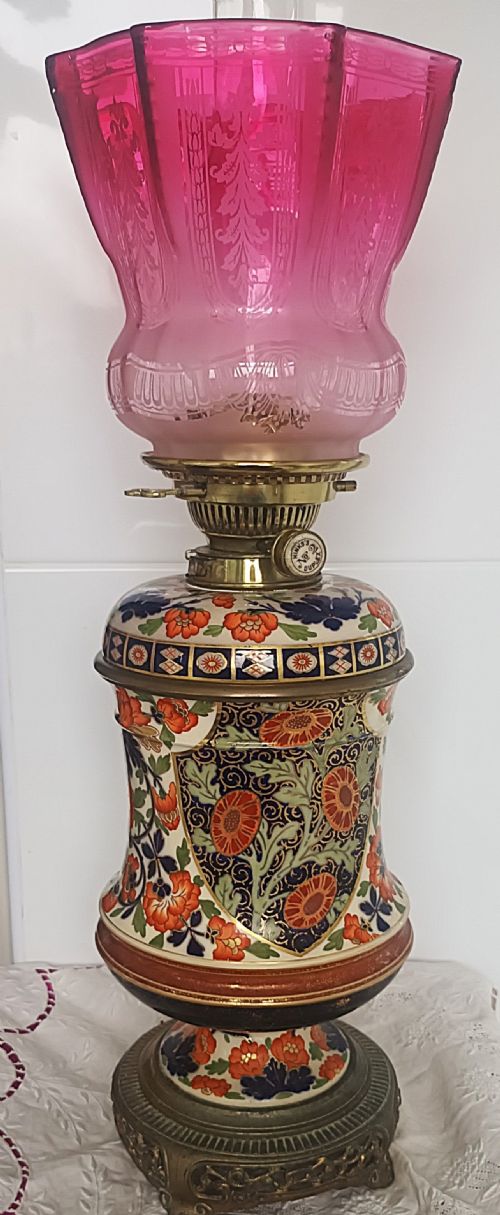
Makers utilised various ornamental styles, moving from classical revival columns to flowing art nouveau lines and clean arts and crafts designs. Many feature heavy cut crystal or patterned opaline and cranberry glass components.
Materials and Construction
Brass forms the primary metal framework for many examples, often paired with cast bronze, gilt metal or copper components. Glass elements include blown opaline, cased cranberry glass and deeply cut crystal.
Shades and fonts demonstrate distinct manufacturing techniques, from hand-cut crystal facets to hand-painted floral motifs on glass. Metal parts rely on casting, turning and patination rather than modern extrusion.
Listings feature brass, cut crystal, opaline glass and cranberry glass across Victorian, Edwardian and Art Deco periods.
Evaluating Quality
Quality depends heavily on the depth and crispness of the glass cutting, alongside the weight and solidity of the brass or bronze mountings. Thicker metal castings and heavier lead crystal denote superior manufacture.
The integrity of the matching components matters greatly, particularly where original glass shades accompany original brass bases. Finer examples display meticulous hand-finishing on both the metalwork and the decorative glass elements.
Georges Leleu·Hinks·Taylor Tunnicliff·Mc Gary
The Edwardian Glass Table Lamp Glossary
- Opaline glass
- An opaque or semi-translucent glass, often pale pink or white, used extensively for soft-diffusing lamp shades.
- Cranberry glass
- A rich red-pink glass coloured with gold chloride, frequently blown and shaped for Victorian and Edwardian lighting fonts.
- Corinthian column
- A classical architectural column style featuring ornate acanthus leaf capitals, frequently utilised for tall metal lamp standards.
- Font
- The oil reservoir section of a lamp base, which in electric conversions remains as a decorative glass or ceramic body.
- Cut crystal
- High-clarity glass shaped by grinding geometric patterns into the surface, creating bright light refraction.
Edwardian Glass Table Lamp: Frequently Asked Questions
How do I wire an antique lamp safely?
Most antique lamps require professional rewiring with modern flex and an earth connection where metal parts are exposed. A qualified electrician can thread modern cable through the original brass column without altering the exterior.
Retaining the original switch or key socket is often possible while updating the internal wiring to meet current safety standards.
Are these lamps originally electric?
Many examples began as paraffin or kerosene oil burners before conversion to electricity during the twentieth century. The presence of a burner gallery or original wick mechanism usually indicates a conversion.
Lamps produced later in the Edwardian period occasionally utilised electricity from manufacture, particularly desk lamps and reading lights.
How do I clean antique glass shades?
Wash glass shades in lukewarm water with a mild detergent, avoiding harsh abrasives that might damage hand-painted details or gilt highlights. Dry them thoroughly with a soft cloth before refitting.
Keep metal polish away from the glass surfaces to prevent staining, and protect patinated brass by using only a dry cloth for dusting.
What bulb should I use?
Low-wattage LED bulbs work best because they generate minimal heat, protecting fragile vintage glass shades from thermal stress. Warm white light bulbs replicate the soft glow of early lighting without straining the old fittings.
Check that the bulb size fits comfortably inside the shade without touching the glass walls.