


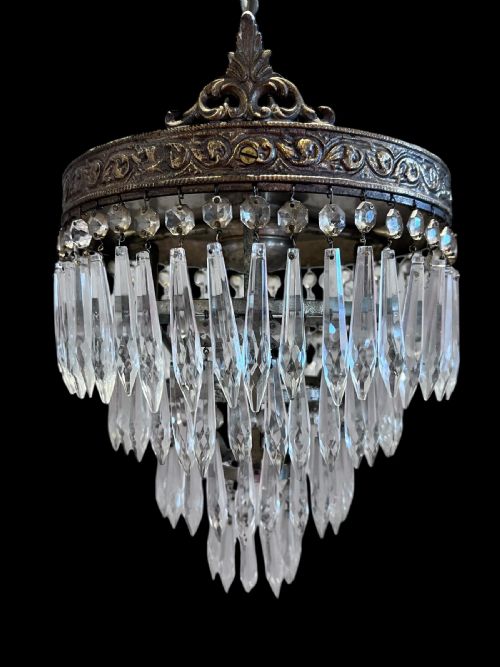


Edwardian Glass Frame Pendant
These edwardian glass frame pendant lights bring early twentieth century illumination into a room with crisp metal work and clear panels.
Edwardian Glass Frame Pendant
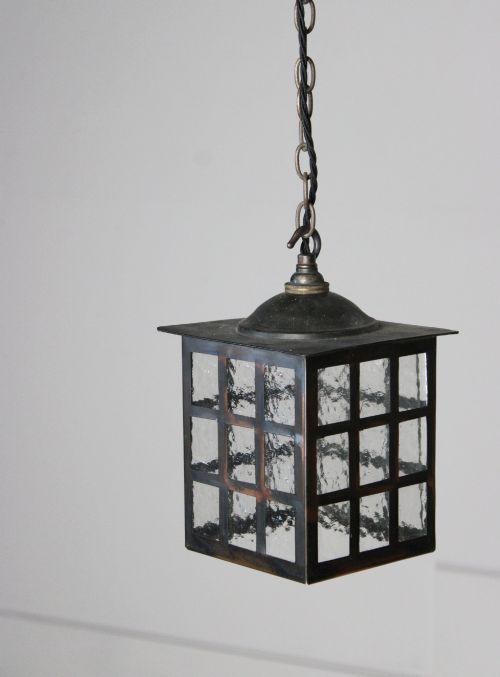
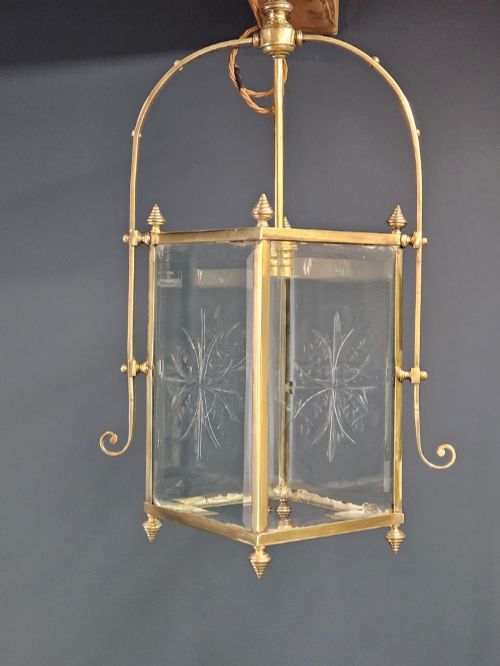
When searching for an edwardian glass frame pendant, collectors encounter ceiling lighting, chandeliers, hall lanterns, and locket pendants spanning the Edwardian period into the 1920s and 1930s. The selection on this page centres primarily on brass and copper frames fitted with bevelled glass, cut crystal, or dimpled red glass.
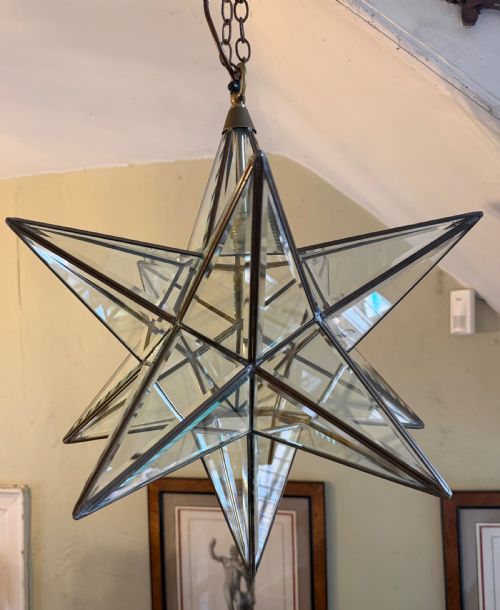
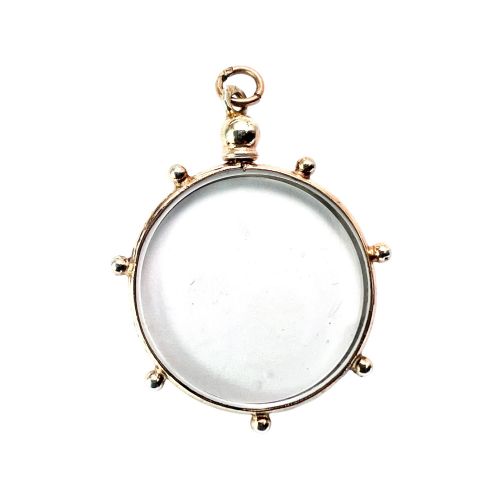
Forms range from simple single light hall lanterns and Moravian stars to multi tiered waterfall chandeliers, basket chandeliers, and birdcage designs. Alongside these hanging fixtures sit smaller pieces such as gold on silver glass top screw locket pendants.
The aesthetic bridges the Edwardian era with Art Nouveau and Arts and Crafts influences, occasionally dipping into French Empire Revival and French Chateau styles. Most pieces utilise brass or copper structures paired with clear or coloured glass panels.
How they were made
Construction relies heavily on brass and copper framing, soldered or screwed together to support panes of glass, bevelled glass, or crystal drops. Metal work is sometimes gilded or finished in antique gold on silver.
Glass elements include cut crystal, long prisms, swags, and dimpled red glass, secured within metal cages or frames. Many lanterns incorporate intricate metal work such as pierced brass or structured corners to hold the glass securely.
Listings feature periods from the Edwardian era through the 1930s, utilising brass, copper, iron, and various forms of cut and bevelled glass.
What varies in quality
Quality reveals itself in the weight of the brass or copper framing and the precision of the glass cutting, particularly on bevelled edges and crystal prisms. Substantial metal structures and heavier cut glass indicate superior workmanship compared to lighter, simpler frames.
The complexity of the design also distinguishes pieces, from basic single light lanterns to elaborate multi tiered waterfall chandeliers adorned with extensive crystal drops and swags. Finish details, such as gilded metal work or precise joinery, elevate individual examples.
The Edwardian Glass Frame Pendant Glossary
- Bevelled glass
- Glass with an edge that has been cut and polished at an angle. This technique creates prismatic light effects along the perimeter of the panel.
- Waterfall chandelier
- A hanging light fixture featuring tiers of cascading glass drops or crystals. The arrangement resembles falling water.
- Locket pendant
- A small hinged metal case worn around the neck or suspended, often featuring a glass top. These pieces allow a view of the contents held inside.
- Moravian star
- A multi pointed geometric lantern design originating in Germany and popular in early twentieth century lighting. It typically uses glass panes set into a metal frame.
Edwardian Glass Frame Pendant: Frequently Asked Questions
What rooms suit these pendants?
These hanging fixtures work well in hallways, entryways, and dining spaces where ceiling height allows for suspended lighting. Smaller locket pendants serve as personal wearable accessories.
Larger chandeliers and lanterns require adequate clearance and provide a distinct period focal point for a room.
How do I date these lights?
Dating relies on material combinations, frame styles, and construction methods typical of the early twentieth century. Edwardian and 1920s pieces often combine brass frames with bevelled glass or cut crystal.
Art Nouveau and Arts and Crafts influences on the metal work also help place a fixture within the correct decade.
Are these lights electrified?
Many hanging lanterns and chandeliers are adapted for modern electrical use while retaining their original frames and glass. Buyers should inspect the wiring status of individual ceiling lights before installation.
Some smaller items, such as locket pendants, are non electrical wearable pieces.
What metals are used?
Frames are constructed predominantly from brass and copper, with some examples featuring gilded metal or antique gold on silver. These metals provide sturdy support for heavy glass and crystal elements.
The choice of metal often reflects the stylistic movement of the period, from industrial copper to decorative brass.